
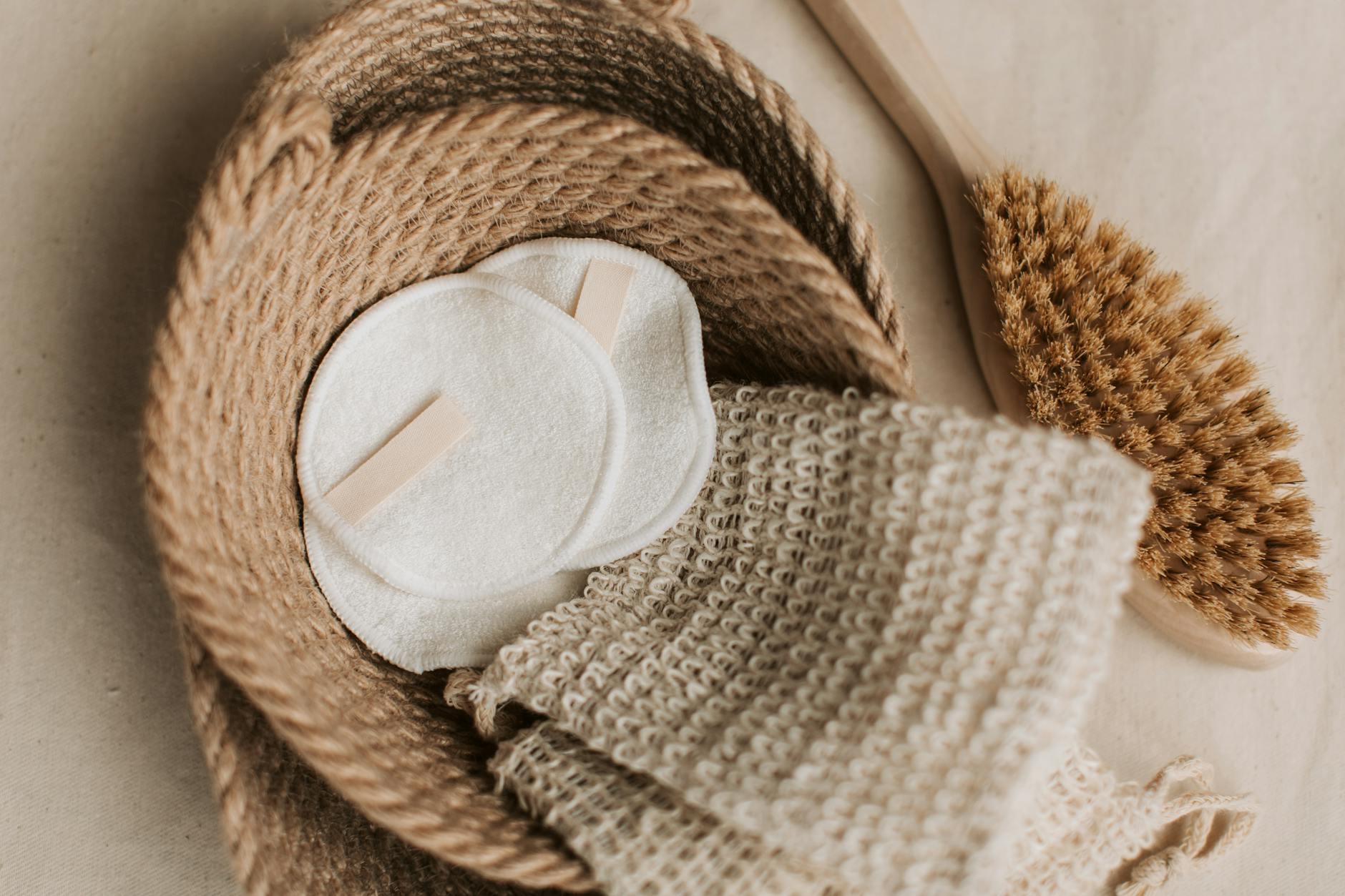
To remove makeup without triggering breakouts, use double cleansing: start with an oil-based cleanser to dissolve makeup and SPF, then follow with a gentle foam or cream cleanser using lukewarm water and your fingertips. This two-step approach removes all trace of makeup while maintaining your skin barrier, preventing the pore-clogging conditions that lead to acne. Most breakouts from makeup happen because residue combines with oils, sweat, and bacteria on your skin overnight—trapping everything inside your pores and creating an ideal breeding ground for acne-causing bacteria.
The difference between waking up to clear skin versus a fresh breakout often comes down to what you do in the evening. Sleeping in makeup, even “non-comedogenic” formulas, obstructs your skin’s natural exfoliation process and prevents oxygen from reaching your pores. This article covers the specific techniques dermatologists recommend, the products that actually prevent makeup-induced breakouts, and the practical habits—like cleaning your makeup brushes—that most people overlook.
Table of Contents
- Why Does Makeup Cause Breakouts If You Don’t Remove It Properly?
- The Gold Standard: Double Cleansing to Remove All Makeup Residue
- Choosing the Right Cleansers to Prevent Acne Cosmetica
- Eye Makeup Deserves Special Attention
- Clean Your Makeup Brushes Weekly to Stop Re-Contaminating Your Skin
- Makeup Product Selection Prevents Problems Before They Start
- Building a Sustainable Evening Routine That Actually Prevents Breakouts
- Conclusion
Why Does Makeup Cause Breakouts If You Don’t Remove It Properly?
Makeup sits on your skin’s surface and fills in pores and fine lines to create a smooth finish. The problem emerges when makeup combines with your skin’s natural oils, environmental pollutants, and bacteria accumulated throughout the day. This mixture creates a seal over your pores, trapping everything underneath. Your skin can’t exfoliate naturally, dead skin cells build up, and acne-causing bacteria multiply in this oxygen-deprived environment.
The result is acne cosmetica—breakouts specifically triggered by cosmetic products themselves, not just the bacteria they harbor. This happens even with products labeled “non-comedogenic.” Those labels mean the formula won’t clog pores under ideal conditions in a lab test, but real skin is more complex. Makeup wipes seem convenient, but daily use compounds the problem. Makeup wipes are inherently harsh—they require scrubbing friction to remove makeup, which damages your skin barrier and triggers excess sebum production as your skin tries to compensate. When your cleansing strips away too much natural oil, your skin overproduces oil in rebound, creating even more breakout-prone conditions.
The Gold Standard: Double Cleansing to Remove All Makeup Residue
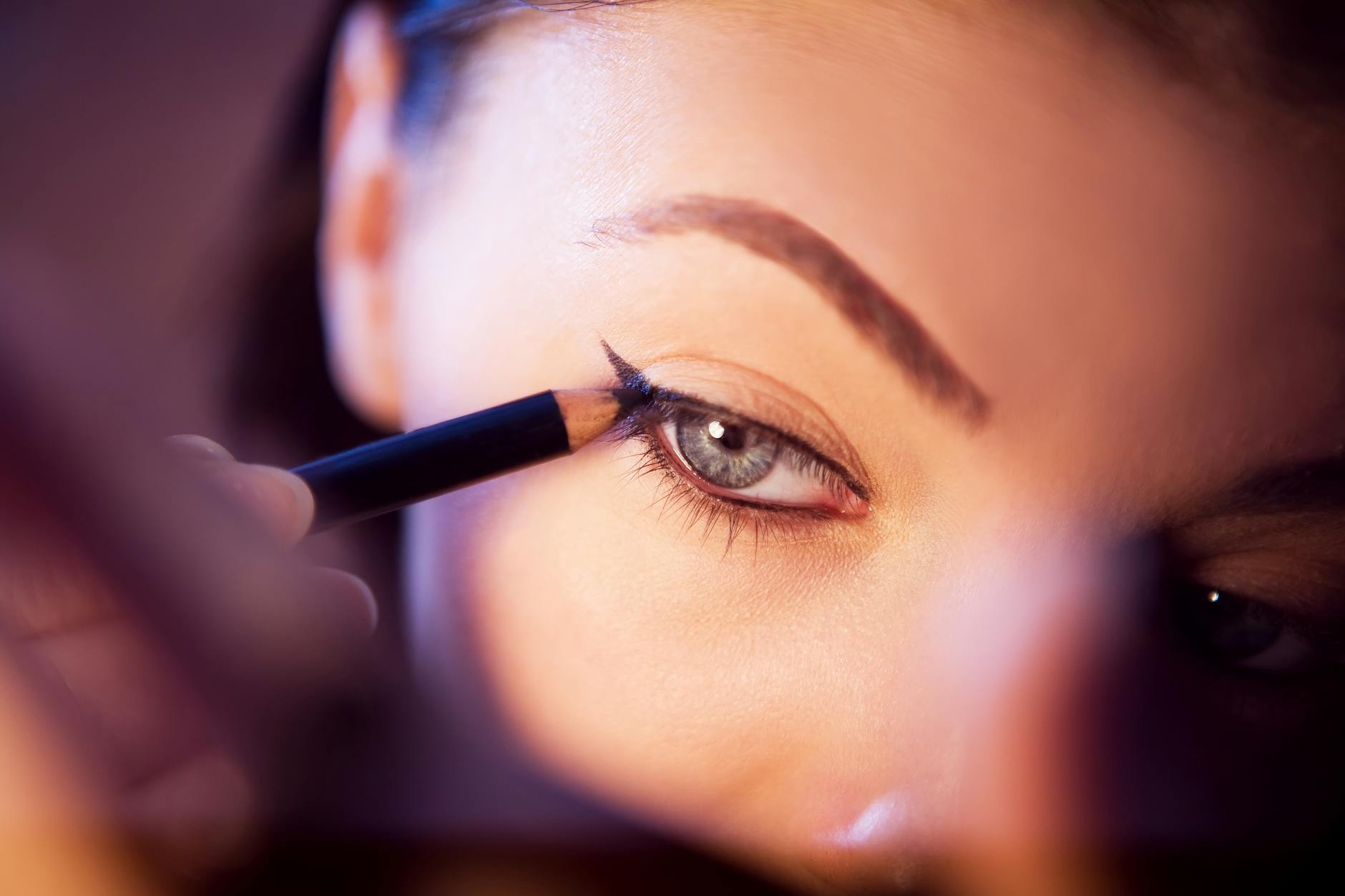
Double cleansing starts with an oil-based cleanser—this is crucial because oil dissolves makeup, SPF, and waxy residue far more effectively than water-based cleansers. An oil cleanser breaks down waterproof mascara, foundation, and long-wear formulas without the harsh scrubbing that makeup wipes demand. After 60-90 seconds of gentle massage, rinse with lukewarm water and follow with a second cleanse using a gentle foam or cream cleanser. This second step removes the oil cleanser residue and any remaining impurities your skin doesn’t need. The technique matters as much as the products.
Apply both cleansers with your fingertips using gentle, circular motions—never scrub. Scrubbing irritates skin, damages the protective barrier, and triggers inflammation that can manifest as breakouts days later. Lukewarm water is essential because hot water damages your barrier and cold water doesn’t dissolve makeup effectively. However, if you have very sensitive or compromised skin, you might need to skip the oil step and use only a gentle micellar water or cleansing balm instead. These alternatives are less intense but still remove makeup effectively without the friction of wipes.
Choosing the Right Cleansers to Prevent Acne Cosmetica
look for cleansers and makeup specifically labeled non-comedogenic or with language like “won’t clog pores.” For your first cleanse, an oil-based cleanser can be a true facial oil, a cleansing oil, or even a cleansing balm that melts into oil when warmed by your skin. For the second cleanse, choose an oil-free formulation if you have acne-prone skin—this prevents re-introducing oils that could feed breakouts. Gel and foam cleansers are usually oil-free and work well for this step. For those who can’t commit to full double cleansing, micellar water is a proven alternative.
Micellar water uses tiny cleansing molecules suspended in water to lift away makeup and impurities without harsh scrubbing. It’s gentler than makeup wipes but won’t remove waterproof makeup as completely as an oil cleanser. A cleansing balm is another option—these melt into liquid and dissolve makeup effectively, though they require more rinsing to remove completely and aren’t ideal if your bathroom has hard water. The downside of micellar water and balms is they require more product and more water rinsing than traditional double cleansing, making them less practical for daily use, though they’re fine for occasional backup.
Eye Makeup Deserves Special Attention
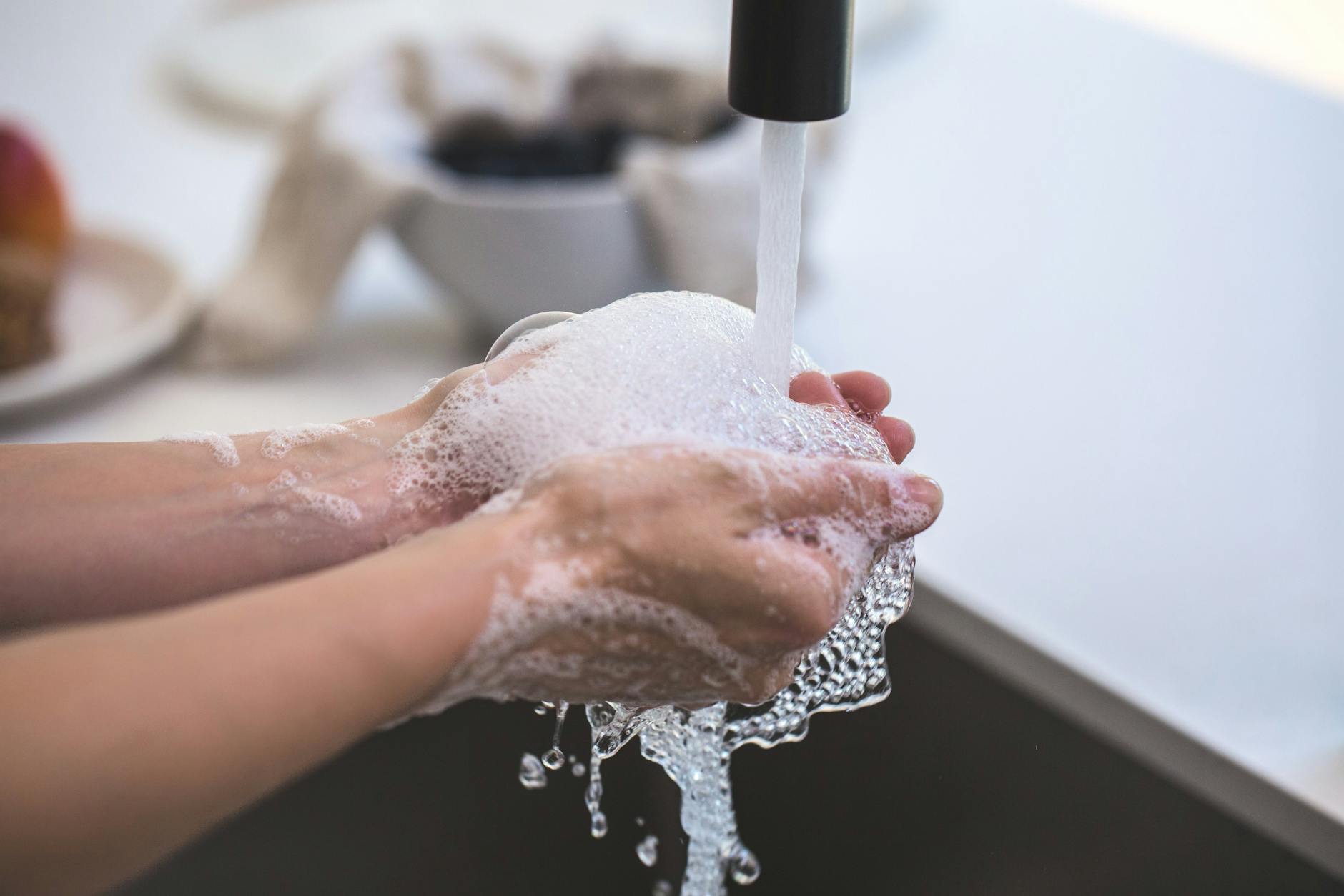
Eye makeup is the last thing most people remove completely because the eye area is sensitive and because waterproof formulas cling stubbornly. However, leaving mascara and eyeliner on overnight is particularly dangerous for breakouts around the eyes and along the lash line—this area is densely follicled and prone to blocked pores. During double cleansing, spend extra time gently massaging your oil cleanser around the eye area, letting it sit for a few seconds to break down waterproof mascara, then gently wipe away with a soft cloth.
If you’re exhausted and tempted to skip face cleansing entirely, at minimum remove your eye makeup. Keep a small container of non-comedogenic makeup remover towelettes by your bedside as an emergency backup. These aren’t ideal for long-term daily use—the formula can be harsh if used repeatedly—but they’re infinitely better than sleeping in eye makeup. This emergency approach prevents the worst-case scenario while acknowledging real-world fatigue.
Clean Your Makeup Brushes Weekly to Stop Re-Contaminating Your Skin
Most people focus on removing makeup from their face but neglect the tools applying that makeup. Dirty makeup brushes harbor bacteria, dead skin cells, and old makeup residue that get transferred back onto your skin every time you apply products. Using an unwashed brush is like reapplying yesterday’s bacteria and oils to your face—essentially guaranteeing breakouts.
Wash brushes weekly in lukewarm water with a gentle cleanser or dedicated brush cleaner, working the lather through the bristles until the water runs clear. This is especially critical if you use foundation or concealer brushes, which pick up bacteria from your skin each time they touch your face. If you wait more than a week, the buildup becomes significant. Allow brushes to air dry completely before using them again—wet brushes can trap moisture and encourage bacterial growth inside the bristles.
Makeup Product Selection Prevents Problems Before They Start
The type of makeup you wear influences breakout risk. Powder foundations and setting sprays are less occlusive than liquid or cream foundations, making them better for acne-prone skin because they don’t create as complete a seal over pores. Silicone-based makeup is generally considered safer than talc-based formulas because silicones create a smoother film that’s easier to remove completely. Always verify that your foundation, concealer, and any long-wear products are labeled non-comedogenic.
Some people find that certain makeup brands trigger breakouts regardless of cleansing technique. If you break out consistently with one brand but not others, the issue may be the formula itself rather than your removal routine. Switching to a different brand’s foundation can solve the problem entirely. This is why consistent cleansing technique is important—it helps you isolate whether breakouts come from how you’re removing makeup or from the makeup formula itself.
Building a Sustainable Evening Routine That Actually Prevents Breakouts
The most effective makeup removal routine is the one you’ll actually do every night. If double cleansing feels like too many steps, you’ll skip it when tired, which defeats the purpose. Consider your lifestyle: if you’re traveling, a micellar water and cotton pads might be more realistic than carrying multiple cleansing products.
If you have 10 minutes for your evening routine, double cleansing is feasible and takes about 3-4 minutes total. The key is consistency—removing makeup incompletely four nights a week and thoroughly one night is worse than removing it properly every single night. As skincare science evolves, the fundamentals remain unchanged: remove all makeup, avoid harsh techniques that damage your barrier, and use products matched to your skin type. The habits you build now—cleaning your brushes, choosing non-comedogenic formulas, committing to nightly cleansing—prevent breakouts far more effectively than treating them after they appear.
Conclusion
Removing makeup without triggering breakouts requires two things: the right technique and the right products. Double cleansing with an oil-based cleanser followed by a gentle cream or foam cleanser is dermatologist-recommended and removes makeup completely without the harsh scrubbing that damages your skin barrier. Choosing non-comedogenic makeup and cleansers, cleaning your brushes weekly, and never sleeping in makeup form the foundation of a breakout-free routine.
Start by switching from makeup wipes to double cleansing this week, even if you only commit to the oil cleanser step. You’ll likely notice fewer breakouts within 2-3 weeks as residual bacteria clears from your pores. If double cleansing isn’t sustainable for your routine, micellar water or cleansing balms are legitimate alternatives—they’re not as thorough as oil cleansing, but they’re far better than wipes and consistent use will still prevent makeup-induced breakouts. The specific products matter less than the commitment to remove all makeup every night.