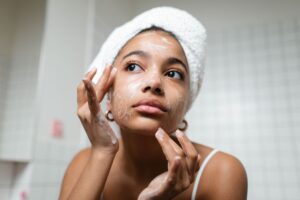
The right cleanser for your skin type depends on whether your skin is oily, dry, combination, or sensitive, combined with your specific acne condition. Someone with oily, acne-prone skin should choose a foaming or gel cleanser with salicylic acid or benzoyl peroxide, while someone with dry, acne-prone skin needs a gentler, hydrating cleanser like a cream or milk formula without harsh actives. The common mistake is treating all acne the same way—using the most aggressive cleanser available can actually worsen acne by stripping the skin barrier, increasing inflammation and triggering more breakouts. This article covers how to assess your skin type, match it to the right cleanser formula, identify which active ingredients work for your acne condition, and avoid the combination mistakes that derail skin routines.
Table of Contents
- What Are the Core Differences Between Cleansers for Oily Versus Dry Skin?
- How Do Combination Skin Types Complicate Cleanser Selection?
- Why Does Acne Type Matter More Than You’d Expect?
- Choosing Between Benzoyl Peroxide and Salicylic Acid in Your Cleanser
- The Barrier Damage Problem and Why pH Balance Matters
- Fragrance, Essential Oils, and Other Irritants in Acne Cleansers
- When to Upgrade from a Cleanser-Based Routine to Layered Treatments
- Conclusion
What Are the Core Differences Between Cleansers for Oily Versus Dry Skin?
Oily skin has overactive sebaceous glands that produce excess lipids, making it prone to clogged pores and bacterial growth—the conditions that trigger acne. A cleanser for oily skin should contain surfactants (cleaning agents) that remove oil without leaving a residue, which is why gel and foaming cleansers are standard recommendations. Salicylic acid, a beta hydroxy acid (BHA), is particularly effective for oily skin because it’s lipophilic—it dissolves in oil and can penetrate pores to clear sebum and dead skin cells.
Dry skin, by contrast, has a compromised barrier and cannot afford aggressive cleansing. A foaming or gel cleanser will strip away the limited natural oils holding the barrier together, leading to increased sensitivity, redness, and paradoxically, more acne (your skin overproduces sebum in response to over-drying). Dry, acne-prone skin needs creamy, milk, or oil-based cleansers that use milder surfactants and include hydrating ingredients like glycerin, hyaluronic acid, or ceramides.

How Do Combination Skin Types Complicate Cleanser Selection?
Combination skin—typically oily in the T-zone and dry or normal on the cheeks—is the most common skin type and creates a genuine problem: no single cleanser will be perfect for all areas. Many dermatologists recommend a pH-balanced, milky gel cleanser as a compromise for combination skin, as it’s gentler than a true foaming formula but still removes enough oil from the T-zone.
However, if your combination skin is acne-prone primarily in the oily T-zone, this compromise may leave breakouts unaddressed. In this case, you may need to apply a targeted treatment—such as salicylic acid on the T-zone only—after cleansing, rather than choosing an all-in-one cleanser with actives. Combination skin types should avoid cleansers with high concentrations of essential oils, alcohol, or fragrance, as these can over-dry the cheek area while still not being strong enough to prevent breakouts in the T-zone.
Why Does Acne Type Matter More Than You’d Expect?
Not all acne responds the same way to cleansing. Comedonal acne—blackheads and whiteheads caused by clogged pores with no inflammation—benefits from BHA cleansers like salicylic acid, which physically exfoliates inside the pore. Inflammatory acne—red, tender papules and pustules—is driven by bacterial overgrowth and immune response, so it benefits more from antibacterial ingredients like benzoyl peroxide, which actually kills the acne-causing bacteria *Cutibacterium acnes*.
Cystic acne, the severe deep kind, is often hormonal and benefits least from topical cleansing alone—though a gentle, non-irritating cleanser is still important to prevent secondary infection. For someone with cystic acne using a harsh cleanser with actives, the constant irritation can trigger more inflammation and spread bacteria deeper into the skin, making the condition worse. The practical takeaway: if your acne is comedonal and on oily skin, look for salicylic acid; if it’s inflammatory and oily, look for benzoyl peroxide; if it’s on dry or sensitive skin, use a gentle cleanser first and apply actives as a targeted treatment after cleansing.

Choosing Between Benzoyl Peroxide and Salicylic Acid in Your Cleanser
Benzoyl peroxide and salicylic acid are the two most common acne-fighting ingredients in cleansers, but they work differently and suit different situations. Benzoyl peroxide is antimicrobial—it reduces the bacteria that cause acne and is particularly effective for inflammatory breakouts like pustules. The downside is that benzoyl peroxide can be irritating and drying, especially at concentrations above 5%, and it can bleach fabrics and hair.
Salicylic acid is exfoliating—it helps unclog pores and is better for preventing future comedones. The tradeoff is that salicylic acid doesn’t kill bacteria, so it’s less helpful if your acne is already inflamed. For most acne-prone people, a cleanser with salicylic acid at 0.5% to 2% is gentler and better for daily use, with the option to add a benzoyl peroxide spot treatment for active inflammatory lesions. If you have sensitive skin, however, avoid both in your cleanser and use a gentle formula with neither active, applying treatments separately at night when irritation is less likely to disrupt your barrier.
The Barrier Damage Problem and Why pH Balance Matters
One of the most overlooked mistakes in choosing a cleanser is selecting one with the wrong pH. Your skin’s natural pH is around 4.7 (acidic), which helps maintain the lipid barrier that protects against bacteria and moisture loss. Alkaline cleansers—especially many bar soaps and some traditional foaming formulas—strip this protective acid mantle and damage the barrier within minutes of washing.
This is why people using harsh, high-pH cleansers often experience the frustrating cycle of tight, dry skin in the morning, followed by oily skin by afternoon (the skin overproduces sebum to compensate). When choosing a cleanser, look for the phrase “pH-balanced” or “pH 5.5” on the label. Cleansers with active ingredients like salicylic acid are naturally acidic, but they can still damage the barrier if used twice daily on already-sensitive skin. The warning here is critical: if you have combination or sensitive skin with acne, using a harsh pH-unbalanced cleanser twice daily with an active ingredient will eventually destroy your barrier, worsen acne, and leave your skin unable to tolerate even gentle treatments.

Fragrance, Essential Oils, and Other Irritants in Acne Cleansers
Many cleansers marketed for acne contain “natural” ingredients like tea tree oil, eucalyptus, or peppermint that feel refreshing but are actually irritating and can worsen acne by triggering inflammation. Fragrance—whether listed as “fragrance,” “essential oil,” or a specific scent like “lavender”—is a common allergen and irritant that compromises the skin barrier.
For acne-prone skin, an unscented or fragrance-free cleanser is significantly better than a “natural” or “fresh-smelling” one. Some brands add alcohol as a preservative or to create a “clean” feeling, but alcohol is drying and irritating for acne-prone skin. When comparing two cleansers with similar active ingredients, choose the one with the shortest ingredient list and no fragrance or alcohol.
When to Upgrade from a Cleanser-Based Routine to Layered Treatments
As your acne improves or changes, your cleanser choice may need to evolve. Early-stage acne in oily skin can often be managed with a good cleanser alone, but moderate acne usually requires both a cleanser and targeted treatments (serums, spot treatments, or creams with actives).
This is actually liberating: it means you can choose a gentler cleanser and move the heavier actives into treatments that stay on your skin longer and work more effectively. Many dermatologists now recommend a gentle cleanser paired with a 10% benzoyl peroxide wash (which you leave on for 1-2 minutes before rinsing) or a salicylic acid toner, rather than relying on the cleanser to do all the work. As your skin adapts over months, you may also find that a richer, more hydrating cleanser becomes necessary—skin that was oily when inflamed often becomes less oily once acne is under control, revealing that a harsh cleanser was part of the problem all along.
Conclusion
Choosing the right cleanser for acne starts with identifying your skin type (oily, dry, combination, or sensitive) and your acne type (comedonal, inflammatory, or cystic), then matching the cleanser formula and active ingredients accordingly.
The most important principle is that a gentler cleanser paired with targeted treatments will almost always outperform a harsh all-in-one cleanser, because barrier health is foundational—damaged skin cannot heal, and irritation worsens acne. Next step: identify whether your skin is oily, dry, or combination, then test a cleanser matched to that type for two weeks before adding or changing other products, allowing you to isolate which cleanser actually works for your skin.