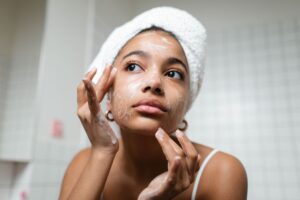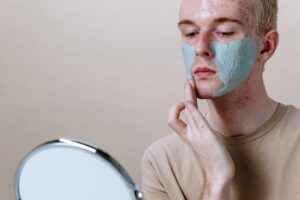
When you switch to a new diet or lifestyle—whether it’s cutting out sugar, going vegan, starting an intense workout routine, or intermittent fasting—acne often gets worse before it gets better. This happens because dietary and lifestyle changes trigger multiple biological responses in your body that directly affect oil production, inflammation, and hormone levels. A person eliminating dairy and refined carbs might experience a dramatic breakout within days, not because the diet is “wrong,” but because their body is adapting to less insulin stimulation and hormonal shifts. Similarly, someone who starts daily exercise often sees more acne within weeks due to increased sweating and oil production, even though exercise is generally beneficial for skin health. This article explores why these paradoxical breakouts occur, what the different mechanisms are behind them, and how to manage them while making positive dietary and lifestyle changes.
The underlying reason acne worsens is that your skin’s oil production, pore size, and inflammation are controlled by hormones, especially insulin and cortisol, as well as by daily physical stressors like sweat and friction. When you change your diet dramatically, your insulin levels shift, which changes how much sebum (oil) your sebaceous glands produce. When you start exercising more, sweat clogs pores and increases oil output. When you alter your sleep schedule or stress levels, cortisol fluctuates, which activates sebaceous glands even more. Understanding these mechanisms can help you distinguish between temporary breakouts that signal your skin is healing and persistent acne that means your new routine isn’t working for you.
Table of Contents
- How Dietary Changes Affect Acne Through Insulin and Growth Factors
- The “Detox Breakout” Phenomenon and Hormonal Disruption
- Exercise-Induced Acne: The Sweat and Friction Problem
- Sleep Disruption and Its Impact on Acne Severity
- The Delayed Stress Acne Response and Cortisol Cycles
- When Multiple Changes Create Compounding Effects
- Creating a Sustainable Path Forward Without Major Acne Flare-ups
- Conclusion
How Dietary Changes Affect Acne Through Insulin and Growth Factors
The most direct way a new diet triggers acne is through changes in blood sugar and insulin levels. Foods with a high glycemic index—such as white bread, pasta, pastries, white rice, and soda—cause rapid spikes in blood sugar that trigger increased insulin production. Insulin, in turn, stimulates your sebaceous glands to produce more oil while also promoting inflammation in the skin. Research shows that 70% of people eating high-glycemic diets experienced worse acne compared to those following low-glycemic diets. When you suddenly cut out these foods or reduce them significantly, your body experiences a shift in hormonal signaling. If you’re switching from a diet high in refined carbs to one with whole grains and vegetables, you’re essentially lowering your insulin baseline, which reduces the hormonal trigger for excess oil production.
However, this transition can sometimes cause a temporary spike in sebum as your skin adjusts, leading to initial breakouts. Dairy products present another major acne trigger through a different mechanism. Milk, yogurt, cheese, and other dairy contain whey proteins and casein that activate insulinotropic pathways—meaning they stimulate insulin release similar to how high-glycemic foods do. Additionally, milk contains insulin-like growth factor (IGF-1), which directly signals your sebaceous glands to produce more oil and promotes inflammation. If you’ve switched to a diet that includes more dairy (perhaps because you’re trying to eat more protein for fitness goals), flare-ups typically occur 2-3 days after consumption. Conversely, if you’re eliminating dairy as part of a new diet, you might initially experience a detox breakout as your body adjusts, but this should resolve within a month. The limitation here is that dairy sensitivity varies significantly between individuals—some people can consume unlimited dairy without acne issues, while others see immediate flare-ups from a single serving of milk.

The “Detox Breakout” Phenomenon and Hormonal Disruption
When you make drastic dietary changes—especially fasting, going on a very low-calorie diet, or eliminating multiple food groups—many people experience what’s commonly called a “detox breakout.” This occurs because your body is mobilizing and processing accumulated toxins and metabolic byproducts, which can push through the skin and clog pores as your body attempts to eliminate them. The important thing to know is that this is temporary and typically lasts no longer than one month. During this period, your skin may appear significantly worse, with more frequent breakouts and larger cystic acne, but this is a sign your system is adjusting rather than a sign the diet is harmful. After this adjustment period, many people find that their skin clears more than it did before the diet change. However, severe hormonal disruption from drastic dietary changes can extend acne problems beyond the one-month detox window.
If you’re implementing extreme fasting (such as 24-hour fasts or very restrictive calorie limits), your body perceives stress and releases cortisol while also reducing estrogen and other protective hormones. This hormonal imbalance increases oil production and inflammation independently of the detox process. A person who has been eating a normal diet and suddenly switches to a 16-hour daily fasting schedule might experience not just an initial breakout, but ongoing acne persistence if the hormonal disruption continues. The key distinction is timing: temporary detox breakouts resolve within a month, while hormone-driven acne from unsustainable diet practices continues as long as the practice continues. If you’re considering a drastic dietary change, gradually reducing foods rather than eliminating them completely can help minimize both the detox breakout and the hormonal shock.
Exercise-Induced Acne: The Sweat and Friction Problem
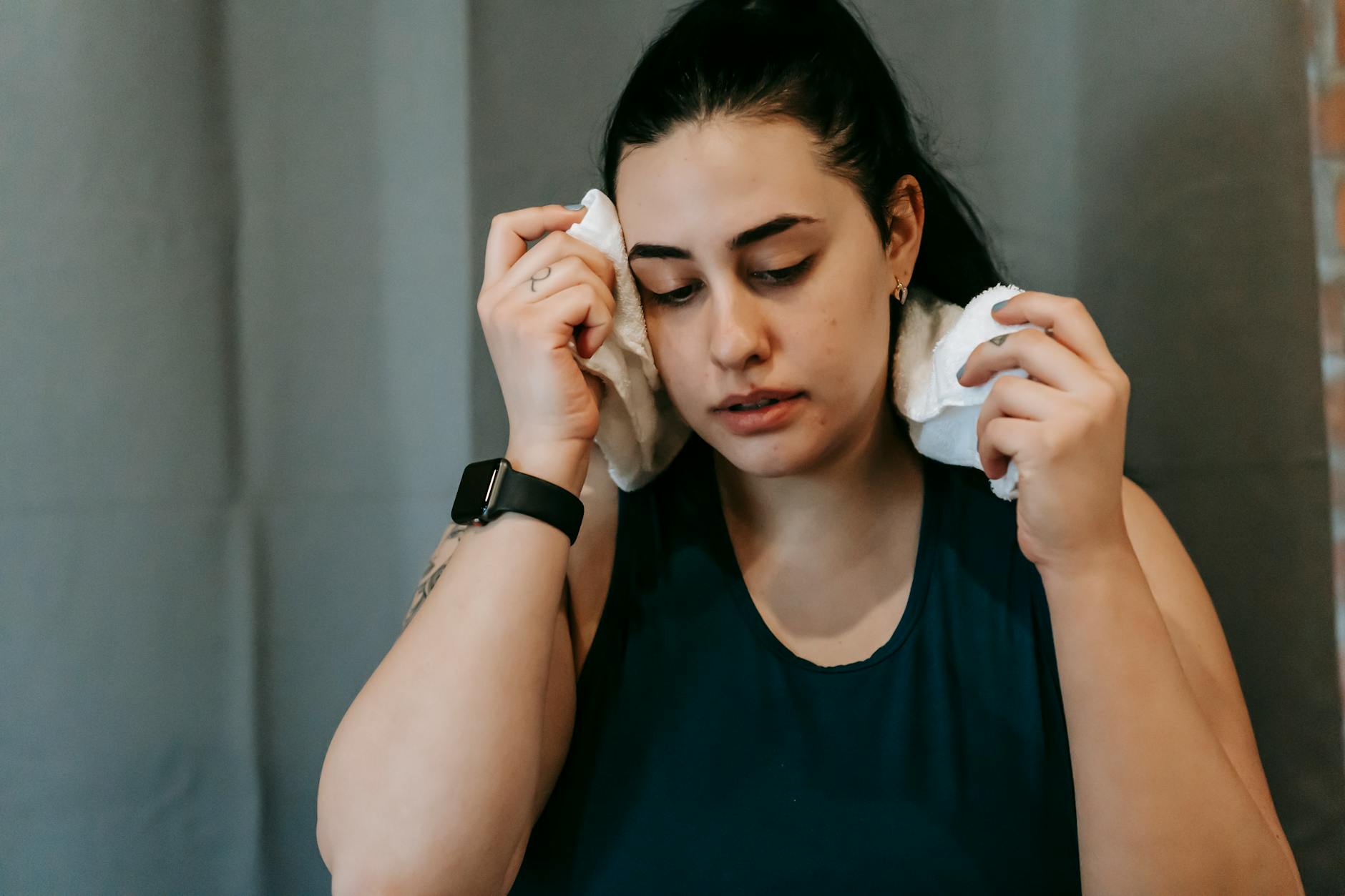
Starting a new exercise routine is one of the most common triggers for worsening acne, even though physical activity is essential for overall health and can improve skin in the long term. The immediate problem is sweat and friction. When you exercise, especially in hot or humid environments, you sweat profusely, and sweat mixed with bacteria, dead skin cells, and bacteria creates a breeding ground for acne. Additionally, exercise increases pore size and oil production—your skin literally expands slightly when blood flow increases during exercise, which can open pores and trigger more sebum secretion. Wearing tight clothing while exercising, using non-breathable fabrics, or not rinsing off sweat immediately after a workout all worsen this effect. A person starting CrossFit or running daily, especially in warm weather, will almost certainly experience more acne in the first few weeks as their skin adjusts to the increased heat and sweat production.
The solution to exercise-induced acne is not to stop exercising, but to implement proper post-workout hygiene. Showering or at minimum rinsing your face and body within 30 minutes of exercise significantly reduces breakouts. Wearing moisture-wicking fabrics rather than cotton, keeping your workout area clean, and washing any equipment that touches your face (like headphone sweatbands or yoga mats) also helps. It’s also worth noting that some types of exercise trigger worse breakouts than others: high-intensity interval training (HIIT), running in heat, and group fitness classes like spin or hot yoga tend to cause more acne than swimming or cooler-weather exercise. If you’re adding a new workout routine to your lifestyle change, expect 2-3 weeks of increased acne even with perfect hygiene. After that period, as your body acclimates to the exercise and you establish a post-workout routine, acne should improve. However, if breakouts persist beyond three weeks despite proper hygiene, the problem may be related to your diet or other lifestyle factors rather than just the exercise itself.
Sleep Disruption and Its Impact on Acne Severity
Many lifestyle changes involve altered sleep schedules—whether because you’re busier with a new workout routine, you’re stressed about diet changes, or you’ve shifted your wake times. Sleep deprivation has a profound effect on acne severity because it disrupts the hormones that regulate oil production and inflammation. When you don’t get adequate sleep, your cortisol levels remain elevated, your immune system becomes dysregulated, and inflammatory markers increase throughout your body, including in your skin. Additionally, sleep is when your skin repairs itself and regulates sebum production; if this process is interrupted, acne worsens. Research on the relationship between sleep and acne shows that people with poor sleep quality experience significantly more acne and more severe acne than those sleeping 7-9 hours per night.
If you’re changing your lifestyle in ways that reduce sleep—say, waking up at 5 AM to exercise, or staying stressed about dietary adjustments late into the evening—this alone can cause acne to worsen independently of diet or exercise effects. A practical consideration is that many people are most willing to make positive lifestyle changes when they’re motivated and energetic, but this is often the time they also sacrifice sleep to “optimize” further. This creates a paradox where the very practices meant to improve skin health are undermining it through sleep loss. The comparison that matters here: someone who adds morning exercise and maintains 7+ hours of sleep will see better results than someone who adds exercise but cuts sleep to 5-6 hours. If you’re experiencing unexpected acne worsening from lifestyle changes, before assuming the diet or exercise is the problem, audit your sleep. Even small improvements—going to bed 30 minutes earlier or managing stress so evening cortisol drops—can significantly improve breakout frequency.
The Delayed Stress Acne Response and Cortisol Cycles
One of the least understood acne triggers from lifestyle changes is stress, partly because stress-induced acne doesn’t appear immediately. If you’re stressed about starting a new diet, worried about whether a new exercise routine is “right,” or anxious about making big health changes, you won’t see acne on the day you’re stressed. Instead, stress-triggered acne surfaces 2-3 weeks later. This delay happens because stress elevates cortisol in the short term, but the sustained elevation of cortisol is what activates sebaceous glands and triggers acne. Your skin doesn’t react to the spike itself but to the chronic elevation. Furthermore, once stress-induced acne appears, it creates a feedback loop: the acne itself becomes a new source of stress, which raises cortisol further, which worsens the acne.
This cyclical pattern can persist for weeks if the underlying stress isn’t addressed. For someone making multiple lifestyle changes simultaneously—new diet, new exercise, new sleep schedule, new stress about whether it’s all “working”—the stress component can become the dominant acne trigger even if the diet and exercise are reasonable. A warning about this: if you notice acne appearing 2-3 weeks into a new lifestyle routine, it may not be the routine itself causing it but your anxiety about the routine. Trying to “optimize harder” or become more strict typically increases rather than decreases stress, making acne worse. The more productive response is to step back, assess whether your stress levels have actually increased, and address that directly through relaxation, meditation, or acceptance that lifestyle changes take time. Additionally, the cortisol-acne connection means that evening stress management—avoiding stimulating activities before bed, managing work emails, limiting social media—is just as important as the daytime habits you’re changing. Some people find that adding a calm morning routine or evening wind-down ritual to their lifestyle changes helps prevent stress-induced acne more than the diet or exercise itself.

When Multiple Changes Create Compounding Effects
The reason acne often worsens so dramatically after lifestyle changes is that most people don’t change one thing in isolation. You might start a new diet (high-glycemic shift or dairy addition), add exercise (increased sweat), alter sleep (wake up earlier for workouts), and experience stress about whether it’s working (cortisol elevation). Each of these factors independently increases oil production and inflammation, but together they create a compounding effect that can trigger severe acne. A person who adds dairy-heavy protein shakes to their diet while starting intense daily workouts, sleeping 6 hours instead of 8, and monitoring their skin obsessively for results can simultaneously trigger acne through insulin elevation, exercise-induced sweat, sleep deprivation, and stress. In such cases, the acne isn’t because any single change is “wrong” but because the total load on the system exceeded the skin’s capacity to adapt. This compounding effect creates a practical challenge: you can’t easily isolate which factor is responsible for worsening acne.
The solution is to make incremental changes rather than overhaul everything at once. If you want to change your diet, do that first and give it 4 weeks before adding a new exercise routine. If you’re starting exercise, protect your sleep rigorously before making other changes. By spacing changes out, you can see which specific factors trigger acne for your individual skin, and you can address them targeted rather than blindly. Additionally, understanding that some acne worsening is inevitable and temporary (the 2-4 week adjustment period) helps you avoid the anxiety spiral that makes stress-related acne worse. Most people who push through the initial breakout period find that their skin actually improves significantly after the adjustment phase.
Creating a Sustainable Path Forward Without Major Acne Flare-ups
The key to managing acne while making dietary and lifestyle changes is acceptance that improvement isn’t linear. Your skin may worsen initially, reach a breaking point around weeks 2-3 (when hormonal adjustments peak and stress-induced acne appears), and then gradually improve over weeks 4-8 as your body acclimates. However, this timeline assumes you’ve made changes that are actually sustainable for you. Some people try a diet that causes acne through constant hormonal disruption (because it’s too restrictive), or an exercise routine that they can’t maintain without sacrificing sleep. In these cases, acne never improves because the underlying practice itself is unsustainable.
The forward-looking insight is that the best diet or exercise routine for acne management is the one you can stick with consistently while maintaining sleep, managing stress, and eating enough calories to keep hormones stable. Additionally, the future of acne management increasingly recognizes that while diet, exercise, and sleep absolutely matter, some people have acne that’s deeply rooted in oil gland structure and genetic factors. This means that even someone who optimizes diet perfectly, exercises regularly, sleeps 8 hours, and manages stress may still experience acne that requires topical or medical treatment. This isn’t a failure of the lifestyle changes—those changes still provide substantial benefits for general health—but rather an acknowledgment that skin biology is complex. The most successful approach is treating lifestyle changes as a foundation for skin health while also remaining open to dermatological treatment if acne persists. As personalized nutrition and medicine advance, we’ll likely see more targeted approaches to diet-acne relationships, but for now, tracking your own triggers (which foods worsen your acne 2-3 days later, which types of exercise cause the most breakouts) and making gradual rather than drastic changes remains the most practical strategy.
Conclusion
Acne worsening after starting a new diet or lifestyle is a common and often temporary phenomenon caused by hormonal shifts, increased oil production, inflammation, stress responses, and physical stressors like sweat and friction. The specific triggers vary depending on what changes you’ve made—dairy and high-glycemic foods drive insulin-related acne, intense exercise causes sweat-related breakouts, sleep loss elevates cortisol, and stress creates delayed (but persistent) acne that appears 2-3 weeks after the stressful event. Understanding these mechanisms helps you distinguish between temporary detox breakouts (which resolve within a month) and persistent acne driven by unsustainable changes or unaddressed stress.
Most importantly, acne worsening during lifestyle changes is usually temporary; if you push through the 4-week adjustment period, most people find their skin improves significantly. To minimize acne breakouts while making dietary and lifestyle changes, make adjustments gradually rather than drastically, prioritize sleep and stress management alongside diet and exercise, implement proper post-workout hygiene, and track which specific factors trigger your individual skin. Remember that some acne persistence despite perfect lifestyle habits may require dermatological treatment, and that’s not a failure—it’s simply the reality of complex skin biology. If acne continues worsening after 4 weeks of consistent new habits, or if it’s severe enough to affect your willingness to continue positive changes, consult a dermatologist to identify other contributing factors and explore treatment options that might accelerate your progress.