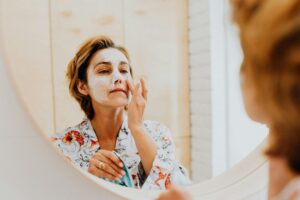
Understanding 10 percent retinol for acne beginners is essential for anyone interested in skincare and acne treatment. This comprehensive guide covers everything you need to know, from basic concepts to advanced strategies. By the end of this article, you’ll have the knowledge to make informed decisions and take effective action.
Table of Contents
- Does 10 Percent Retinol Exist for Acne Treatment?
- What Retinol Concentration Should Acne Beginners Actually Use?
- How Retinol Actually Treats Acne at the Cellular Level
- When Prescription Retinoids Make More Sense Than OTC Retinol
- Building Retinol Tolerance Without Destroying Your Skin Barrier
- The Retinol Purge: When Breakouts Mean Progress
- Realistic Timelines for Acne Improvement with Retinol
- Conclusion
Does 10 Percent Retinol Exist for Acne Treatment?
No, and the absence of this concentration isn’t a gap in the market””it’s a safety boundary. The highest typical over-the-counter retinol available is 1%, found in products like The Ordinary Retinol 1% in Squalane and SkinCeuticals Retinol 1.0. Even these are considered strong formulations that most dermatologists reserve for patients who have already built up tolerance over several months. New EU legislation has actually restricted maximum retinol concentrations to 0.3% for face products and 0.05% for body products, reflecting growing regulatory concern about overuse. The reason 10% retinol would be dangerous relates to how the ingredient works. Retinol must convert to retinoic acid within your skin to become active, and this conversion process creates cellular stress.
At very high concentrations, this stress overwhelms the skin’s capacity to heal, leading to chemical burns, persistent redness, and compromised barrier function that can take months to repair. Even prescription tretinoin””which is pure retinoic acid and significantly stronger than retinol””tops out at 0.1%. If you’ve encountered a product claiming 10% retinol, examine the label carefully. You may find it lists “retinol complex,” “retinoid blend,” or “vitamin A derivative” rather than pure retinol. Some products use retinyl palmitate or retinyl acetate at higher percentages because these forms are far weaker and require multiple conversion steps to become active. The actual efficacy of these products is nowhere near what their percentage suggests.
What Retinol Concentration Should Acne Beginners Actually Use?
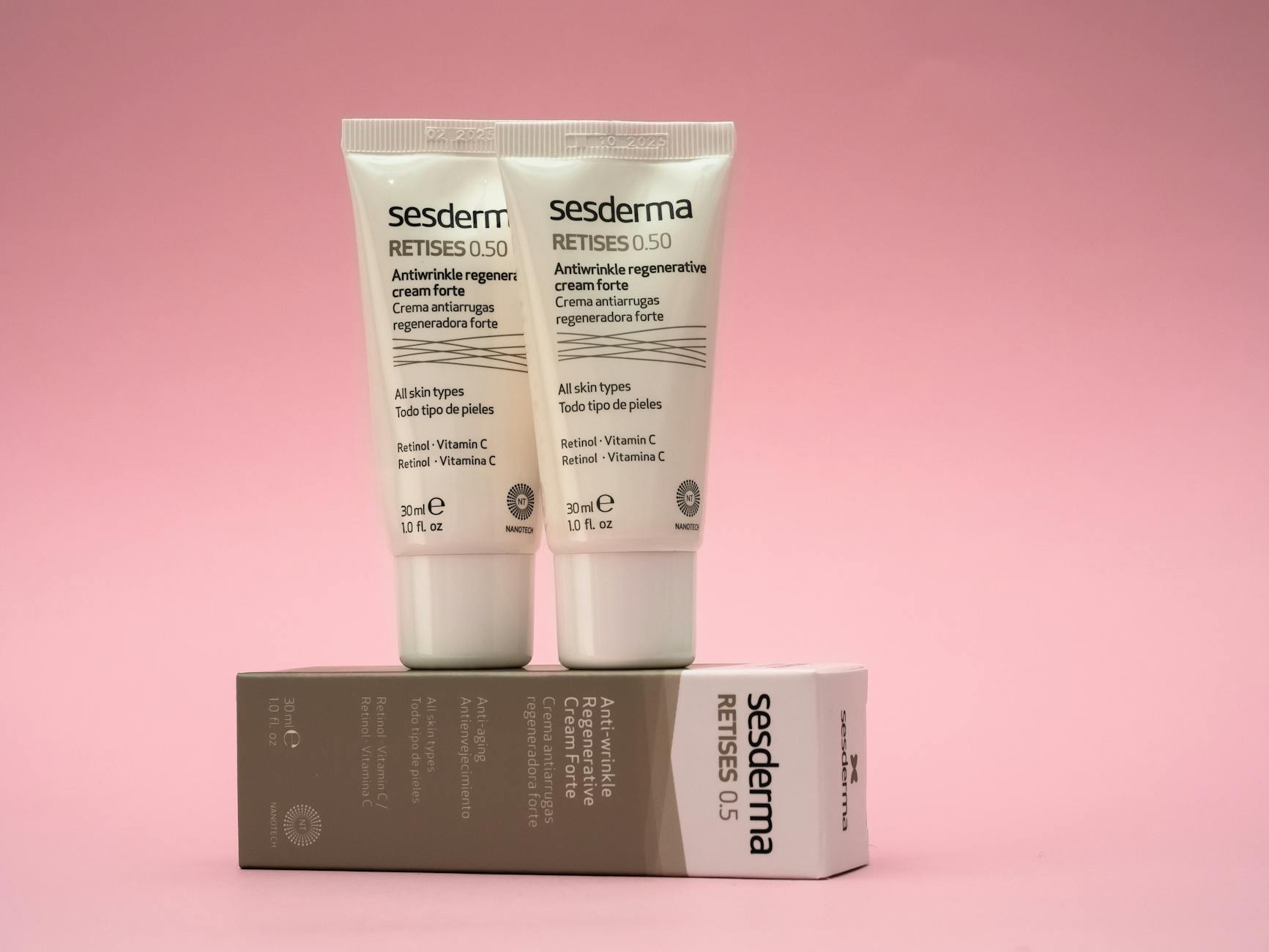
For someone new to retinol with acne-prone skin, the recommended starting range is 0.25% to 0.5%, applied every other night rather than daily. This conservative approach allows your skin to adjust to increased cell turnover without triggering excessive irritation or a severe purging phase. Dr. Ranella Hirsch, a board-certified dermatologist, emphasizes using only a pea-sized amount on clean, dry skin””more product does not mean faster results, but it does mean more irritation. However, if you have particularly sensitive skin or conditions like rosacea alongside your acne, even 0.25% may prove too aggressive initially.
In these cases, starting at 0.03% to 0.05% and applying only twice weekly provides a gentler introduction. The tradeoff is slower results; while someone using 0.5% retinol might see improvement in 8-10 weeks, ultra-low concentrations may require 16 weeks or longer before visible changes appear. The key metric for knowing when to increase concentration is your skin’s tolerance, not the calendar. Wait 2-4 months before moving to a higher percentage, and only do so if you’re no longer experiencing redness, flaking, or increased sensitivity. Someone who rushes from 0.25% to 1% after just three weeks because they’re impatient for results will likely set themselves back by damaging their moisture barrier“”and a compromised barrier makes acne worse, not better.
How Retinol Actually Treats Acne at the Cellular Level
Retinol addresses acne through two distinct mechanisms operating in different layers of your skin. On the surface epidermis, it accelerates cell turnover, which helps remove the dead skin cells, excess sebum, and debris that clog pores and create the environment where acne bacteria thrive. This is why many people experience an initial “purge” of breakouts””the retinol is essentially pushing existing clogs to the surface faster than they would emerge naturally. Deeper in the dermis, retinol stimulates production of collagen and elastin, the structural proteins that give skin its firmness and resilience.
This addresses the aftermath of acne rather than active breakouts: enlarged pores gradually appear smaller as surrounding skin becomes firmer, and the depressed scars left by past cystic acne can fill in over time. Results from this deeper remodeling take up to 12 weeks to become visible, which is why dermatologists emphasize patience during the first few months. One important limitation: retinol works best on comedonal acne (blackheads and whiteheads) and mild inflammatory acne. Severe cystic acne, characterized by deep, painful nodules beneath the skin, often doesn’t respond adequately to over-the-counter retinol regardless of concentration. These cases typically require prescription intervention, which brings us to understanding when OTC products aren’t enough.
When Prescription Retinoids Make More Sense Than OTC Retinol
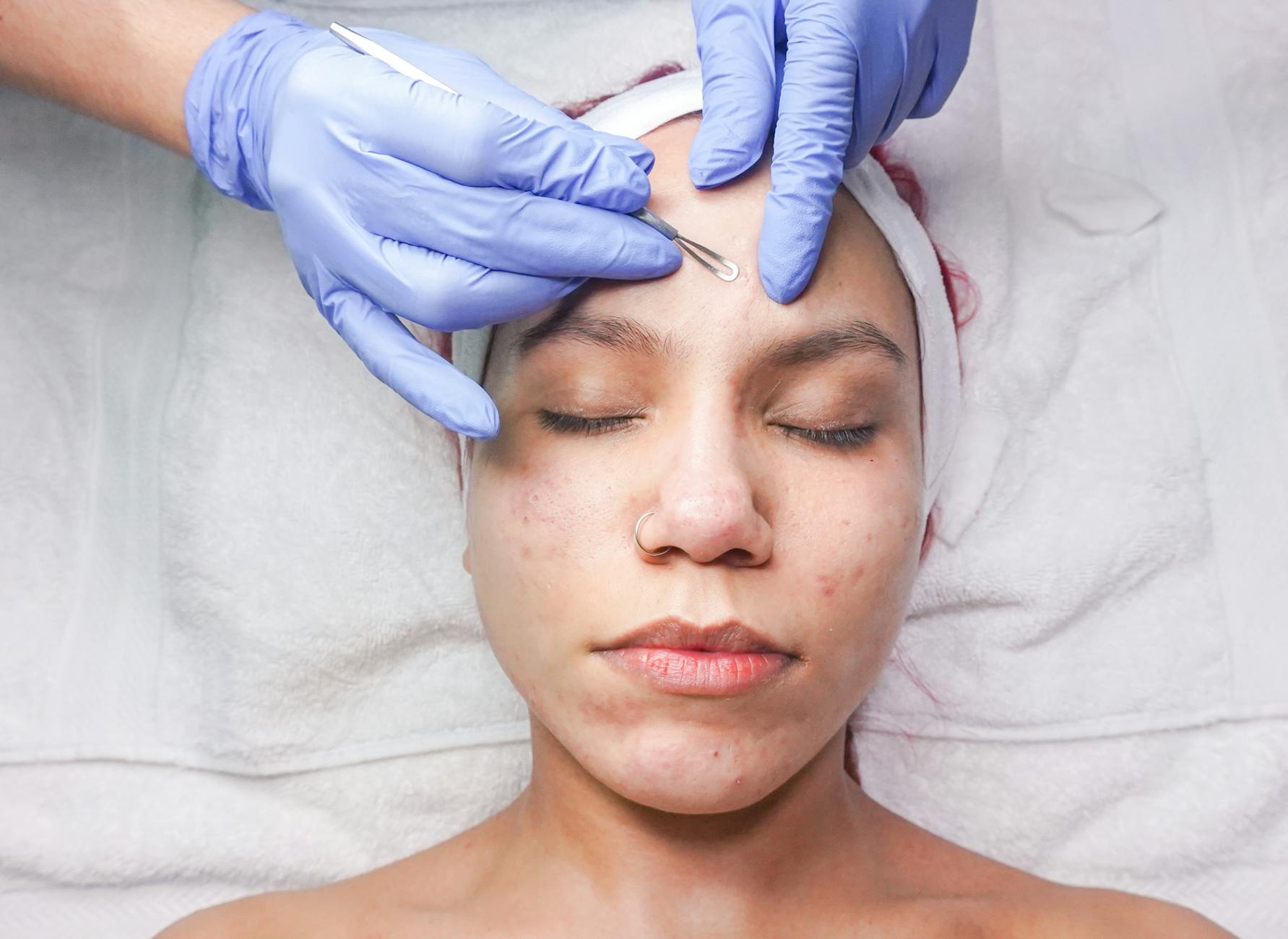
Prescription tretinoin remains the gold standard for moderate to severe acne, available in concentrations from 0.025% to 0.1%. What makes these numbers deceptive is the potency difference between tretinoin and retinol. Even 0.01% tretinoin is significantly stronger than 0.1% over-the-counter retinol because tretinoin is already pure retinoic acid””the active form that retinol must convert into through multiple enzymatic steps in your skin. Much of the retinol you apply never successfully converts, while tretinoin gets to work immediately. For acne beginners who want prescription-strength treatment without a doctor’s visit, adapalene 0.1% (sold as Differin) is the only over-the-counter retinoid available””not to be confused with retinol.
Adapalene is a synthetic retinoid designed specifically for acne treatment, more stable than tretinoin and generally better tolerated while offering comparable efficacy for mild to moderate breakouts. It represents a middle ground between gentle OTC retinol and aggressive prescription tretinoin. The tradeoff with prescription retinoids involves both access and adjustment periods. Tretinoin typically causes more intense initial irritation than retinol, and the purging phase can last 6-8 weeks rather than the 2-4 weeks common with lower-strength products. If you have a major event or need to look presentable for work, starting prescription tretinoin isn’t ideal timing. Adapalene offers a gentler transition, though it still causes more initial disruption than starting with 0.25% retinol.
Building Retinol Tolerance Without Destroying Your Skin Barrier
The single biggest mistake acne beginners make with retinol is treating irritation as something to push through rather than a signal to pull back. Your skin barrier””the outermost layer of lipids and cells that keeps moisture in and irritants out””can be damaged by overly aggressive retinol use, creating a cycle where compromised skin becomes more acne-prone, prompting users to apply even more retinol. Breaking this cycle requires patience and strategic product pairing. Always use SPF 30 or higher daily when incorporating retinol into your routine, as the ingredient increases photosensitivity and makes skin more vulnerable to UV damage. This isn’t optional or weather-dependent; even on overcast days, UV exposure on retinol-sensitized skin can cause hyperpigmentation that takes months to fade.
Apply sunscreen as the final step of your morning routine, and reapply if you’ll be outdoors for extended periods. Supporting products matter as much as the retinol itself. Ceramide-rich moisturizers help maintain barrier integrity, while niacinamide and hyaluronic acid can minimize irritation without interfering with retinol’s efficacy. Some dermatologists recommend the “sandwich method” for sensitive skin: apply moisturizer, wait for it to absorb, apply retinol, then apply another layer of moisturizer. This buffers the retinol’s intensity while still allowing it to work.
The Retinol Purge: When Breakouts Mean Progress
During the first 2-6 weeks of retinol use, many people experience what’s called a “purge”””an increase in breakouts that can feel like the product is making things worse. This happens because accelerated cell turnover brings existing microcomedones (clogs that hadn’t yet surfaced as visible pimples) to the surface faster than they would have emerged naturally. The purge can be discouraging, but it’s actually evidence that the retinol is working.
Distinguishing a purge from a genuine adverse reaction requires attention to location and type. A purge typically appears in areas where you normally break out and consists of your usual acne types. If you’re developing irritation, redness, or breakouts in entirely new areas””or experiencing unusual symptoms like burning, persistent peeling, or tiny bumps that look different from your normal acne””you may be reacting to the product itself or using too high a concentration. In those cases, reduce frequency or switch to a lower percentage.
Realistic Timelines for Acne Improvement with Retinol
Expecting overnight results from retinol leads to abandonment of products that would have worked given adequate time. Visible improvement in active acne typically requires 8-12 weeks of consistent use, while improvement in post-acne scarring and hyperpigmentation often takes 4-6 months. These timelines assume you’re using the product correctly, not overusing it to the point of barrier damage, and not sabotaging results with other irritating products.
Looking forward, the skincare industry continues developing more stable and tolerable retinoid formulations. Encapsulated retinol technologies aim to reduce irritation while maintaining efficacy, and research into alternative vitamin A derivatives may eventually offer the benefits of retinoids with fewer drawbacks. For now, however, the fundamentals remain unchanged: start low, go slow, protect your barrier, and give the ingredient time to work.
Conclusion
The search for “10 percent retinol” reflects a common misconception that stronger always means more effective in skincare. In reality, appropriate retinol use for acne beginners means starting at 0.25% to 0.5%, applying every other night, and waiting months before considering any increase in concentration. The journey to clearer skin is measured in months, not days, and rushing the process typically extends it.
Your next steps should involve honestly assessing your skin’s current condition and sensitivity, selecting an appropriate starting concentration, and committing to consistent use alongside proper sun protection and barrier support. If over-the-counter retinol doesn’t provide adequate improvement after 12 weeks of proper use, consider adapalene or consult a dermatologist about prescription tretinoin. The right retinoid exists for your skin””it just isn’t 10%.