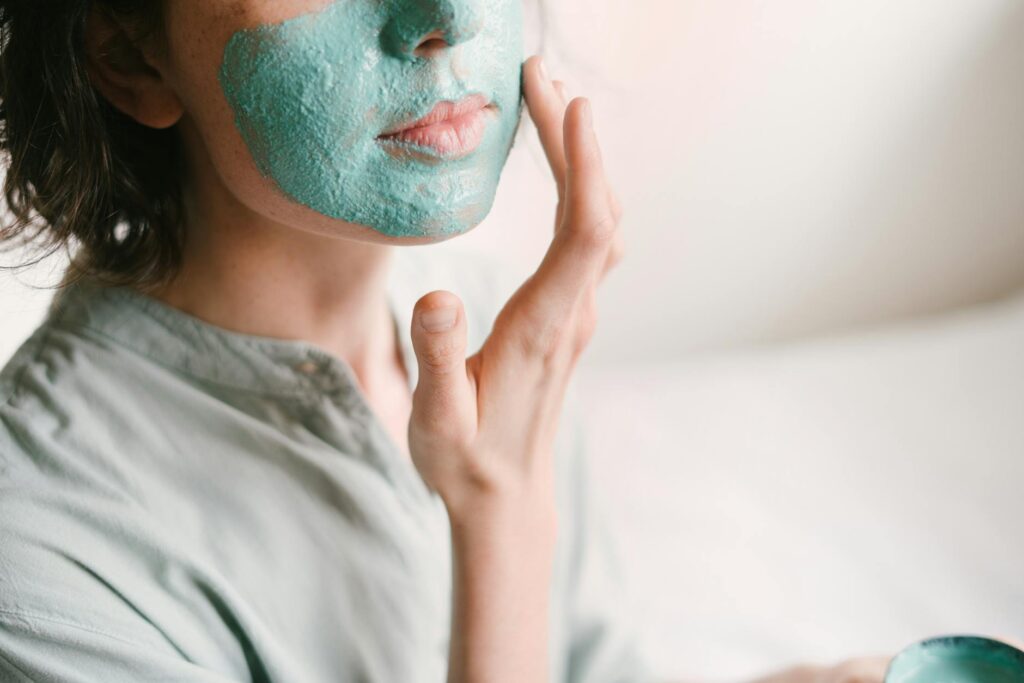
Your skin breaks out more when you rush to fix acne because aggressive treatment disrupts your skin’s natural barrier, triggers excessive inflammation, and causes irritation that worsens existing breakouts. When you’re desperate to clear acne fast, the instinct is often to do more—more products, more washing, more scrubbing, more touching—but dermatological evidence consistently shows the opposite works better.
A 29-year-old marketing manager with moderate acne decided to accelerate her results by adding a physical exfoliating brush, switching to a stronger retinoid, increasing her cleansing routine to four times daily, and regularly checking her skin by picking at emerging blemishes. Within two weeks, she had significantly more inflamed lesions, cystic acne where she’d never had it before, and a compromised skin barrier that stung when she applied any product. This article explains why this pattern happens, what dermatologists now recommend instead, and how to actually get faster results by doing less.
Table of Contents
- Why Does the Urge to Fix Acne Fast Make It Worse?
- Over-Washing and Over-Exfoliation Destroy Your Protective Barrier
- Picking, Popping, and Touching Amplify Breakouts
- Patience Actually Produces Faster Results Than Aggression
- The Myth of Skin Purging vs. The Reality of Retinoids
- The 2026 Dermatology Reset—Less Is More
- Building a Routine That Actually Lasts
- Conclusion
Why Does the Urge to Fix Acne Fast Make It Worse?
The core problem is a mismatch between expectation and biology. acne treatments require 4 to 6 weeks to show improvement, and 2 to 3 months or longer for full clearing. When people don’t see results in the first week or two, they assume the treatment isn’t working and make changes—adding new products, increasing frequency, or trying something stronger. Switching products before the 4-to-6 week window causes irritation and actually creates new breakouts, according to Johns Hopkins Medicine. your skin needs time to adjust to new actives and to actually clear out existing clogged pores; interrupting that process resets the clock and introduces fresh inflammation every time you switch.
The second layer is emotional. Acne is visible and often deeply distressing, especially for adults who thought they’d outgrown it. That emotional weight makes waiting feel impossible, which drives the urge to do something—anything—immediately. But “doing something” without waiting to see if the first treatment works is precisely what extends the timeline. Dermatologists across the board now emphasize that consistency and patience, even when they feel passive, actually produce faster clearing than aggressive experimentation.
Over-Washing and Over-Exfoliation Destroy Your Protective Barrier
Washing your face more than twice daily irritates skin and actively worsens acne. Beyond that, facial brushes and excessive exfoliation damage your skin barrier and increase inflammation. The misconception is that acne requires aggressive cleansing—that if you just remove enough oil and dead skin, the breakouts will stop. In reality, your skin barrier (the outer layer of lipids and proteins) is what keeps bacteria out, maintains hydration, and prevents inflammation. Over-exfoliate, and you strip away the protective oils your skin produces naturally, leaving it dry, irritated, and more prone to infection and breakout cycles.
A common scenario: someone with acne buys a sonic brush because it promises deeper cleansing, uses it twice daily, and also adds a chemical exfoliant (like glycolic acid) and a physical scrub. Their skin becomes raw, red, and dehydrated within days. The body responds by producing excess oil to compensate, which leads to more clogging and more breakouts. The person then interprets this as needing even more aggressive cleaning, creating a downward spiral. The solution is counterintuitive: a gentle cleanser twice daily (morning and night), or once daily if your skin is very sensitive, is typically sufficient. Altitude Dermatology notes that this disruption of the barrier is one of the primary ways people accidentally worsen their acne, and it’s entirely avoidable.
Picking, Popping, and Touching Amplify Breakouts
Every instance of touching, picking, or popping a pimple makes acne worse by increasing inflammation and the risk of infection. This is straightforward biology: when you rupture a follicle, you release bacteria and inflammatory fluid directly into surrounding skin, spreading the infection. You also introduce new bacteria from your fingers, multiply the number of inflamed lesions, and often create scarring or post-inflammatory marks that last far longer than the original pimple would have.
The picking impulse is often strongest when someone is stressed or bored, and it’s reinforced by a false sense of progress—you’ve “done something” and you can see the immediate result (even though it’s usually worse). Unlike exfoliants or new products, which take weeks to show effect, picking gives instant feedback, which makes it psychologically addictive. What makes this worse in the context of rushing to clear acne: someone using a new treatment sees the treatment causing some inflammation and mistakenly interprets that as the treatment “not working,” so they pick at the irritated skin to try to clean it out, further damaging the area and ensuring worse results. Keeping your hands off your face—using only products applied with clean hands or a clean spatula—is non-negotiable if you want faster clearing.

Patience Actually Produces Faster Results Than Aggression
This is the counterintuitive core of modern acne treatment: a simple, consistent routine applied for 6 to 12 weeks clears acne faster than an aggressive, frequently-changing routine. The American Academy of Dermatology now recommends simpler regimens with fewer products addressing multiple factors, with focus on early intervention to prevent scarring. The shift in recent dermatology guidance reflects years of data showing that when patients stick with one treatment plan for the full timeline, they see better results and fewer side effects than when they rotate through multiple treatments. Consider two approaches: Approach A uses a single gentle cleanser, a targeted acne treatment (like benzoyl peroxide or salicylic acid), a lightweight moisturizer, and sunscreen every day for 12 weeks, with no changes.
Approach B starts with the same routine, but after 2 weeks switches to a different acne product, adds an exfoliant after 4 weeks, introduces a new cleanser after 6 weeks, and uses different products on different days to “test” what works. Most people following Approach B report worse skin at week 12 and no clear improvement because their skin is perpetually irritated and never given a chance to stabilize. Approach A usually shows significant improvement by week 8 and clear skin by week 12. The psychological discomfort of Approach A—having to wait and do less—makes it feel wrong, but it’s the faster path.
The Myth of Skin Purging vs. The Reality of Retinoids
Many people believe that when you start a retinoid (like retinol, adapalene, or tretinoin), your skin will “purge”—temporarily worsen dramatically—before clearing. This belief is widely cited in skincare communities and used to justify continuing a treatment that’s causing severe breakouts. However, clinical trials show no primary data supporting that acne worsens when starting topical retinoids. Instead, data indicate retinoids improve acne even in the early weeks of treatment, according to research published through PMC/NIH. What actually happens is some mild redness and dryness, which is irritation, not purging.
The distinction matters: if your skin is severely breaking out or becoming inflamed after starting a retinoid, the treatment is too strong for your skin, applied too frequently, or used without adequate moisturizer. The response is to lower the concentration, reduce application frequency, or layer it with moisturizer—not to assume it’s a sign you should keep going. A person starting adapalene 0.1% once weekly with a good moisturizer typically sees no worsening and gradual improvement. A person starting tretinoin 0.1% five nights per week without guidance often experiences genuine irritation and breakouts, and the answer is to reduce frequency, not to tolerate it. Be skeptical of any narrative that tells you worsening means the product is “working.”.
The 2026 Dermatology Reset—Less Is More
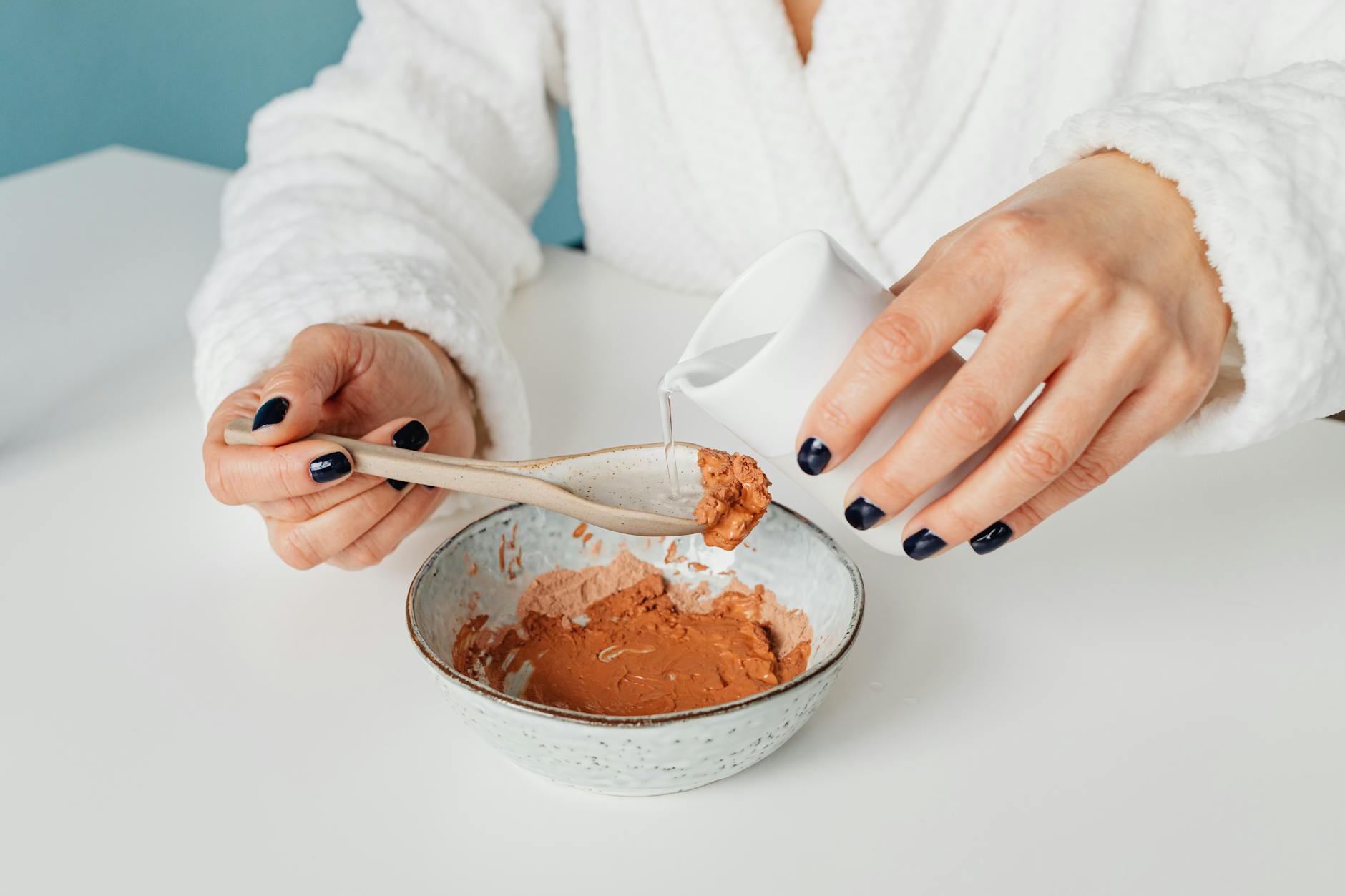
The biggest skincare mistake in 2026, according to recent dermatology consensus, is attempting too much. Dermatologists now emphasize simplicity, balance, and consistency over aggressive protocols. This represents a significant shift from the “kitchen sink” approach where people layered 8-10 products, each targeting a different concern, which often left skin barrier-compromised and irritated. A minimal effective routine for acne-prone skin now looks like: cleanser, one targeted acne treatment, moisturizer, sunscreen.
That’s it. If you have other concerns (like aging or hyperpigmentation), those are secondary and added only after acne is controlled. This isn’t laziness—it’s high-level dermatological strategy. Fewer products means fewer potential irritants, a more stable skin barrier, clearer cause-and-effect when something does or doesn’t work, and better compliance because the routine is sustainable long-term.
Building a Routine That Actually Lasts
The final piece is understanding that the fastest path to clear skin is the routine you’ll actually stick with for 12 weeks. An aggressive routine with 6 products that you follow perfectly for 2 weeks before burning out is slower than a 3-product routine you follow for 3 months. Similarly, a routine that leaves your skin so irritated or dry that you stop it halfway through has failed, regardless of whether it’s “the right treatment” in theory.
This is why dermatologists increasingly recommend starting with the simplest effective version of a treatment, giving it time to work, and only adding complexity if needed. If benzoyl peroxide 2.5% once daily works, there’s no reason to escalate to 10%. If a retinoid twice weekly produces results, going to nightly application isn’t necessarily better and increases the likelihood of irritation and abandonment. The sustainable winning strategy is the one that works at minimum effective dose, applied consistently, for as long as needed.
Conclusion
When you feel the urgency to fix acne quickly, the most effective action is often the opposite: slowing down, simplifying, and committing to one clear plan for 6 to 12 weeks. Aggressive treatment—frequent cleansing, exfoliation, product switching, and touching—creates new irritation and delays actual clearing. Acne treatments need 4 to 6 weeks to show improvement, and dermatologists now recognize that patience and consistency outperform aggression in both speed and outcomes. Your next step is to audit your current routine: count how many times you’re washing, how many products you’re using, and how often you’re making changes.
Remove anything beyond a gentle cleanser, one targeted treatment, and a moisturizer. Commit to this simplified routine for 12 weeks without changes. If you have the urge to pick, make it difficult by wearing gloves or keeping your hands busy. If you want to do more, channel that energy into sunscreen compliance and sleep instead of additional skincare. The counterintuitive truth is that doing less, more consistently, is the fastest way out of the acne cycle.