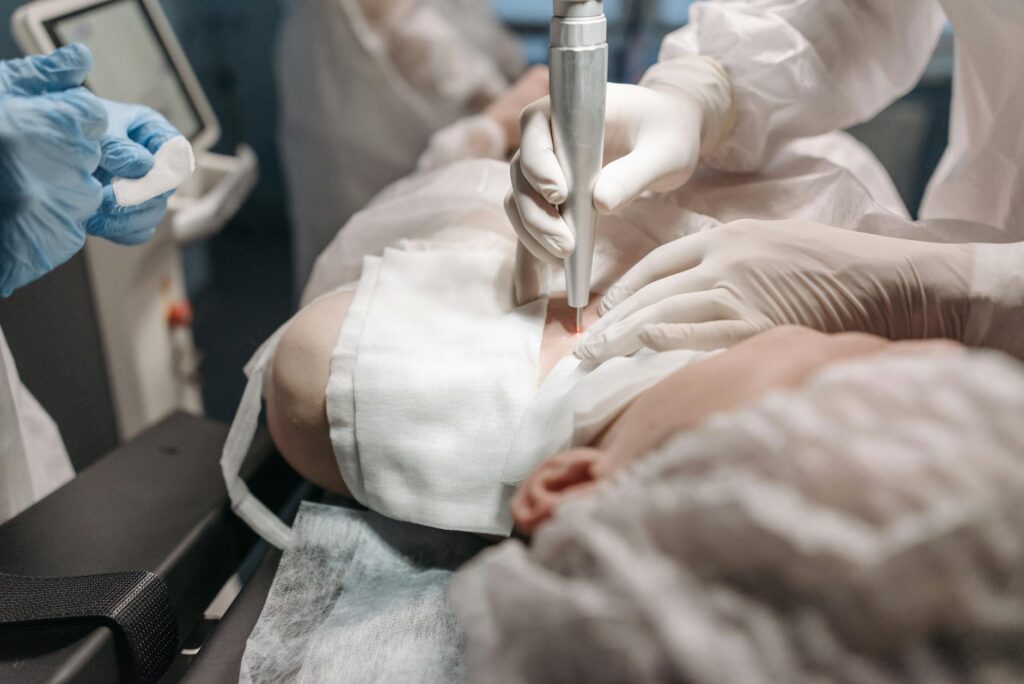
Yes, you should avoid retinoids immediately before acne laser treatment—but the reasoning is more nuanced than older dermatological guidance suggested. For the 1-2 weeks directly before your procedure, stopping topical retinoids is essential because they increase skin cell turnover and photosensitivity, making your skin more reactive to laser energy and significantly increasing the risk of burns, irritation, and hyperpigmentation. However, recent 2025 dermatological evidence has complicated the picture: current guidance now supports using topical tretinoin as a pretreatment to precondition skin and actually enhance laser results, which contradicts the blanket avoidance recommendations that dominated earlier advice.
This article covers how retinoids interact with laser energy, why the timing matters, what recent research shows, and how to work with your dermatologist to optimize your treatment plan. The key takeaway is that retinoids aren’t inherently bad for acne laser treatment—they’re just poorly timed if you use them in the immediate pre-treatment window. Understanding the difference between stopping for safety and strategically using retinoids beforehand can help you get better results from your laser procedure.
Table of Contents
- How Do Retinoids Increase Your Skin’s Risk During Laser Treatment?
- Topical Retinoids Versus Oral Isotretinoin (Accutane)—Are the Timing Rules Different?
- Recent Evidence Shows Strategic Retinoid Use Before Laser Can Actually Improve Results
- Creating the Right Timeline for Laser Treatment Preparation
- Post-Laser Retinoid Reintroduction—Another Critical Timing Decision
- Special Considerations for Different Acne Severity and Skin Types
- Working With Your Dermatologist to Optimize Retinoid and Laser Timing
- Conclusion
How Do Retinoids Increase Your Skin’s Risk During Laser Treatment?
Retinoids work by accelerating skin cell turnover, which is why they’re so effective for treating acne, reducing fine lines, and improving skin texture. But this same mechanism that makes them beneficial becomes problematic right before laser treatment. When you undergo acne laser therapy, the laser delivers concentrated energy to target sebaceous glands and bacteria that cause acne. If your skin is already in a heightened state of cellular turnover and photosensitivity from retinoid use, the laser energy can overstimulate the skin, leading to excessive heat, burns, and post-inflammatory hyperpigmentation—especially in darker skin tones where pigmentation changes are more visible and harder to reverse. Consider this scenario: you’ve been using tretinoin consistently for three months and see excellent results. You schedule your acne laser appointment without pausing the tretinoin, thinking the healthier skin is better prepared.
Instead, your skin overreacts to the laser. You experience significant redness, possible blistering, and darkening of hyperpigmentation spots that take months to fade. This is a common mistake that delays the overall benefits of your acne treatment because you’re now managing laser-induced irritation instead of focused acne improvement. The increased sensitivity isn’t just theoretical—it’s measurable. Retinoids thin the outer stratum corneum layer while stimulating deeper cell turnover, which temporarily compromises your skin barrier. When laser energy hits this already-sensitized skin, the barrier can’t adequately protect the deeper layers, leading to inflammation and damage that extends beyond the laser’s intended target zone.

Topical Retinoids Versus Oral Isotretinoin (Accutane)—Are the Timing Rules Different?
This distinction matters enormously because topical retinoids (tretinoin, adapalene, retinol) and oral isotretinoin (Accutane) work through very different mechanisms and have very different timing considerations before laser treatment. With topical retinoids, the standard guidance is to stop using them 1-2 weeks before laser treatment to allow your skin to stabilize and recover from the photosensitivity. This is a relatively short window, which makes sense because topical retinoids only affect the surface layers of skin where laser light primarily acts. Isotretinoin is a different animal altogether. Traditionally, dermatologists recommended waiting a full six months after completing Accutane therapy before undergoing laser treatment. This recommendation was based on caution around the medication’s systemic effects and concerns about rare side effects like photosensitivity.
However, recent evidence has substantially softened this guideline. A pilot study published in dermatological literature found that nonablative fractional laser treatment for acne scars is safe when performed within just one month after completing isotretinoin therapy—a dramatic shift from the six-month rule. This means if you’ve completed Accutane and want to treat acne scars or remaining acne with laser, you don’t necessarily need to wait half a year. The practical difference is this: if you’re using topical tretinoin and considering laser, you’re managing a two-week pause. If you’ve just finished Accutane, you might be able to proceed within a month rather than waiting six. This is a significant quality-of-life difference for patients eager to combine treatments for faster acne clearance.
Recent Evidence Shows Strategic Retinoid Use Before Laser Can Actually Improve Results
Here’s where the guidance has shifted most dramatically: current 2025 dermatologist recommendations now support tretinoin use as pretreatment to precondition skin and enhance laser results. This seems contradictory to the advice about avoiding retinoids before laser, but the key is the timing and strategy. The older blanket avoidance recommendations treated all retinoid use as equally problematic, but refined dermatological thinking recognizes that retinoids can prepare skin for laser treatment if you stop them at the right moment. A 2025 meta-analysis examining combined laser and light-based treatments with isotretinoin showed enhanced outcomes for acne vulgaris treatment compared to isotretinoin alone. This suggests that when isotretinoin and laser are properly sequenced—with appropriate timing gaps—the combination produces superior acne clearance.
The mechanism appears to be that isotretinoin’s systemic effects on sebaceous gland reduction combine with laser’s direct destruction of acne-causing bacteria and inflammatory tissue. However, there’s a crucial limitation: this doesn’t mean you should ignore the 1-2 week pre-laser pause. The newer evidence suggests you can and should use retinoids as a pretreatment strategy in the weeks leading up to your laser appointment, but you must discontinue them 1-2 weeks before the actual procedure. Think of it as a loading phase: use retinoids aggressively to prep your skin, improve barrier function and cell turnover, then pause briefly to let the skin calm down before laser energy is applied. This gives you the preparation benefits without the photosensitivity risk.

Creating the Right Timeline for Laser Treatment Preparation
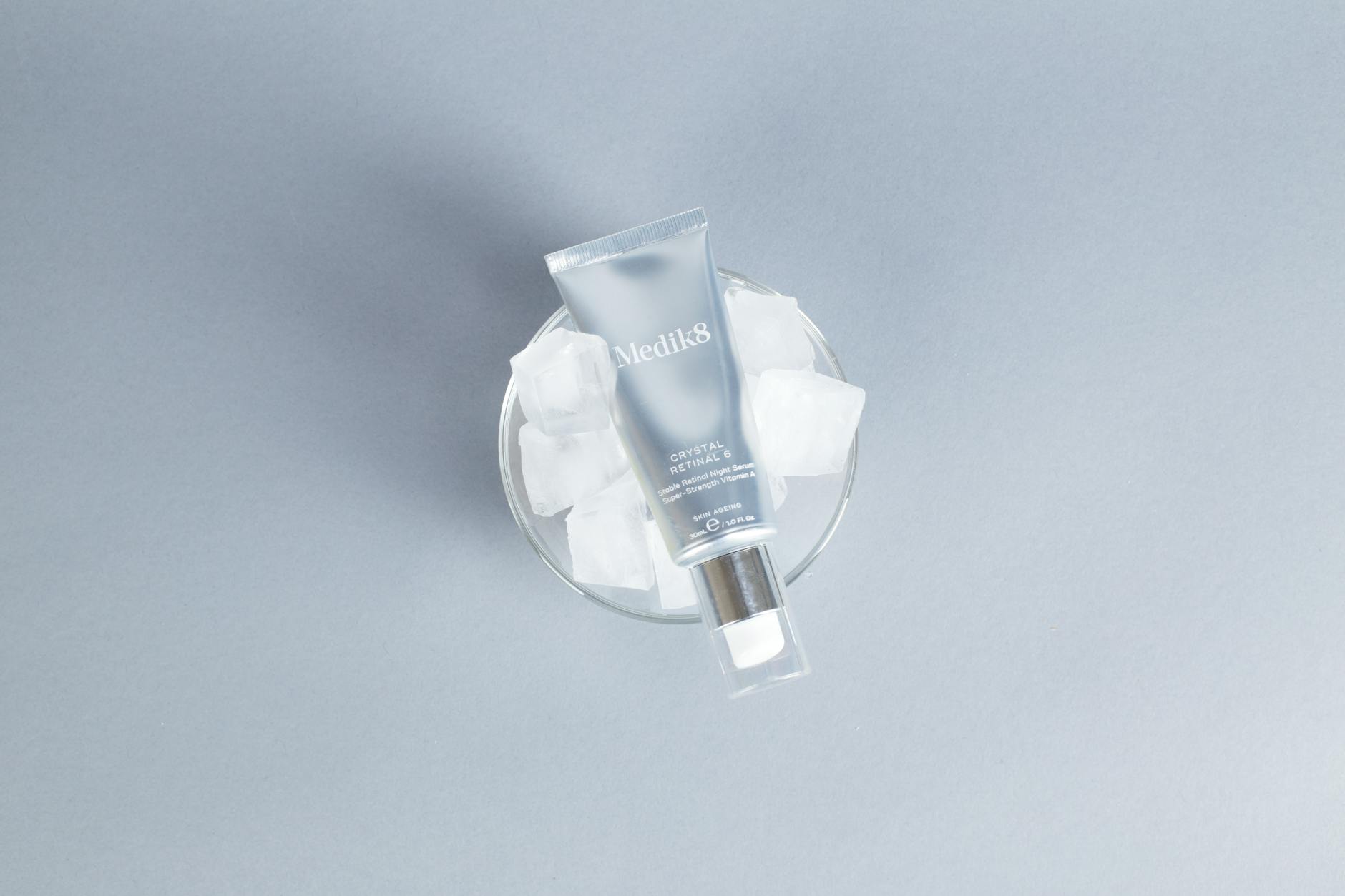
Understanding the timeline is critical for getting the benefits of both retinoids and laser without compromising either. A realistic preparation schedule might look like this: four to six weeks before your scheduled laser appointment, you begin or intensify tretinoin use (if you’re not already using it) at a concentration your dermatologist recommends—typically starting at 0.025% and potentially moving to 0.05% or 0.1% depending on skin tolerance. During these four to six weeks, retinoids are working to accelerate cell turnover, improve skin texture, and reduce excess sebum production. Then, at the two-week mark before your laser appointment, you stop the tretinoin entirely.
This two-week window allows your skin barrier to recover, reduces photosensitivity, and brings your skin to a more stable state where it can handle laser energy without excessive reactivity. You should also discontinue other potentially sensitizing products like vitamin C serums, niacinamide at high concentrations, or exfoliating acids during this final two-week period. The comparison between rushing into laser without retinoid prep versus following this timeline shows measurable differences in results. Skin that’s been properly conditioned with retinoids before the pause shows more even texture, better collagen response to laser stimulation, and often clearer acne at baseline, meaning the laser can focus on remaining blemishes rather than widespread active acne. Patients who skip the retinoid prep phase often need multiple laser sessions to achieve the same results as those who use strategic retinoid pretreatment.
Post-Laser Retinoid Reintroduction—Another Critical Timing Decision
Many people focus only on avoiding retinoids before laser, but post-treatment timing is equally important and often overlooked. After your laser appointment, your skin will be temporarily compromised: the laser creates controlled micro-injuries to stimulate collagen and destroy acne-causing bacteria, leaving your skin inflamed, potentially red, and with a temporarily weakened barrier. Reintroducing retinoids too quickly during this healing phase can cause delayed healing, increased sensitivity, and prolonged redness. The recommended timeline is to avoid reintroducing retinol for 5-10 days after laser treatment, depending on the intensity of the procedure. A deeper, more aggressive laser treatment might warrant the full 10-day wait, while lighter treatments might tolerate retinol reintroduction after five days.
During this window, focus on barrier repair: gentle cleansing, medical-grade moisturizers, and broad-spectrum SPF 50+ sunscreen are far more important than retinoids. Your skin is essentially “recovering,” and retinoids during recovery are counterproductive—they’ll increase irritation and redness just when you want the inflammation to settle. A common mistake is resuming tretinoin immediately after laser because you’re eager to continue your skincare routine. This typically results in prolonged post-laser redness, increased sensitivity, and potentially post-inflammatory hyperpigmentation—the opposite of what you want. The 5-10 day pause is a small price for significantly smoother, faster healing.
Special Considerations for Different Acne Severity and Skin Types
The interaction between retinoids, laser, and skin varies depending on your starting point and skin characteristics. If you have moderate to severe acne with significant inflammation, the retinoid pretreatment phase becomes even more valuable—it reduces active acne count before laser, allowing the procedure to focus on scars and deeper sebaceous gland destruction rather than surface-level blemishes. In contrast, if you have mild acne or primarily acne scars, the retinoid pretreatment might be less critical, though still beneficial for skin conditioning. Skin type and tone introduce another layer of consideration.
Darker skin tones (Fitzpatrick types IV-VI) carry higher risk of post-inflammatory hyperpigmentation after both retinoid use and laser treatment. For these skin types, the case for stopping retinoids 1-2 weeks before laser becomes even stronger—the combination of retinoid-induced photosensitivity and laser energy can trigger hyperpigmentation that persists for months. If you have darker skin, discuss with your dermatologist whether a longer pre-laser pause (perhaps three weeks instead of two) makes sense for your specific situation. Similarly, those with sensitive or reactive skin conditions like rosacea should approach retinoid pretreatment more cautiously and may benefit from starting tretinoin at the lowest available concentration earlier in the prep timeline to allow gradual tolerance building.
Working With Your Dermatologist to Optimize Retinoid and Laser Timing
The evolution from “never use retinoids before laser” to “strategically use retinoids and pause at the right moment” means that your dermatologist’s individual expertise matters more than ever. Generic online guidelines can’t account for your specific acne severity, skin type, medication history, or skin sensitivity. When scheduling acne laser treatment, explicitly tell your dermatologist about any retinoid use and ask for a customized timeline rather than assuming a one-size-fits-all approach.
A collaborative approach might sound like this: “I’ve been using tretinoin 0.05% nightly. What’s your recommendation for timing—should I continue until two weeks before the procedure, or do you want me to stop earlier?” This opens a conversation where your dermatologist might suggest continuing tretinoin, switching to a lower concentration as the laser date approaches, or other modifications based on your skin’s response. Some dermatologists now proactively recommend specific retinoid protocols before laser because recent evidence supports this approach, while others may stick with older avoidance guidance. Getting clarity upfront prevents treatment complications and ensures you’re making informed decisions rather than guessing about timing.
Conclusion
The answer to whether you should avoid retinoids before acne laser treatment is nuanced: avoid them in the 1-2 weeks immediately before your procedure, but strategic retinoid use in the weeks leading up to laser can actually enhance your results. The evolution in dermatological guidance—from blanket avoidance to evidence-based timing—reflects a more sophisticated understanding of how retinoids prepare skin and how laser energy interacts with retinoid-treated skin.
By using retinoids as a pretreatment tool, pausing at the appropriate time, and avoiding reintroduction during the early post-laser healing phase, you maximize the benefits of both approaches. When you’re ready to pursue acne laser treatment, schedule a consultation with a dermatologist to discuss your current retinoid use, your acne history, and the specific timeline that makes sense for your skin. This conversation will likely result in better outcomes than following generic pre-treatment instructions found online, because your dermatologist can account for your individual skin characteristics, acne severity, and treatment goals.