
Sunscreen is essential for acne-prone skin because UV exposure can darken acne scars, trigger inflammation, and intensify existing breakouts. If you’ve ever noticed that your acne marks look darker after a day in the sun, that’s post-inflammatory hyperpigmentation—a direct result of unprotected sun exposure. Additionally, many acne treatments like retinoids, benzoyl peroxide, and certain antibiotics increase your skin’s photosensitivity, making sun protection not just beneficial but necessary to avoid damage and treatment failure. This article covers why acne-prone skin needs different sun protection than other skin types, which sunscreen ingredients work best, how to incorporate SPF into your routine without triggering new breakouts, and how to use sunscreen alongside your existing acne treatments.
Table of Contents
- Does Sunscreen Protect Acne-Prone Skin From UV Damage and Scarring?
- Which Sunscreen Ingredients Are Safe for Acne-Prone Skin?
- Mineral Versus Chemical Sunscreen: Which Works Better for Acne?
- How to Apply Sunscreen Effectively Without Worsening Acne
- Will Sunscreen Make My Acne Worse or Cause Breakouts?
- Sunscreen and Acne Medication Interactions
- The Long-Term Prevention Perspective
- Conclusion
- Frequently Asked Questions
Does Sunscreen Protect Acne-Prone Skin From UV Damage and Scarring?
Yes, sunscreen directly prevents the darkening and worsening of acne scars. When acne heals, the skin goes through post-inflammatory hyperpigmentation or hypopigmentation—a natural darkening or lightening of the affected area. Unprotected sun exposure accelerates this darkening process because UV rays trigger melanin production in already-damaged skin, making scars more noticeable and permanent. A person who treats acne with benzoyl peroxide for three months but skips sunscreen will likely see their treatment progress undercut by new pigmentation marks.
Sunscreen prevents this by blocking UVA and UVB rays before they can trigger excess melanin, keeping existing acne marks from darkening and giving your skin a better chance to fade naturally over time. Beyond scarring, UV exposure also inflames active acne. The sun’s heat and UV rays can irritate inflamed breakouts, increase sebum production, and suppress your skin’s immune function, making it harder to fight acne bacteria. For someone with cystic acne or persistent inflammatory breakouts, unprotected sun time can turn a manageable situation into a significantly worse one within days.
Which Sunscreen Ingredients Are Safe for Acne-Prone Skin?
Mineral (physical) sunscreens containing zinc oxide or titanium dioxide are generally the safest choice for acne-prone skin because they sit on top of the skin and reflect UV rays without being absorbed. However, mineral sunscreens can leave a white cast and feel heavy, which some acne-prone skin finds occlusive and pore-clogging. For this reason, many people with acne tolerate them better in lighter formulations or as hybrid mineral-chemical blends. Chemical sunscreens (containing oxybenzone, avobenzone, homosalate, or octocrylene) absorb into the skin and convert UV rays into heat.
While some dermatologists recommend avoiding them for very sensitive or reactive acne-prone skin, many people tolerate them well when the formula is oil-free and non-comedogenic. The key is testing any sunscreen on a small area first, since acne-prone skin varies widely—what breaks out one person’s skin may be fine for another. A common mistake is assuming all mineral sunscreens are automatically safe; some formulations clog pores depending on the other ingredients used. Always look for “non-comedogenic” or “for acne-prone skin” labeling, and avoid sunscreens with high concentrations of waxes, oils, or silicones if your skin is easily congested.
Mineral Versus Chemical Sunscreen: Which Works Better for Acne?
Mineral sunscreen is often recommended first for acne-prone skin because it’s less likely to irritate active breakouts or trigger photosensitivity reactions with acne medications. The physical barrier approach—blocking UV rays rather than absorbing them—is gentler on compromised skin. However, mineral sunscreens often require higher concentrations of active ingredients (15-25% zinc oxide), which makes them thicker and more likely to feel occlusive, potentially trapping bacteria and moisture and worsening breakouts in some people.
Chemical sunscreen offers a lighter texture and easier blending, which many acne-prone skin types prefer for daily wear. The downside is that some chemical filters can irritate sensitive, inflamed skin or interact with certain acne medications. Additionally, if your skin barrier is compromised from aggressive acne treatment, chemical sunscreen may cause stinging or burning. The practical solution is hybrid sunscreens that combine mineral and chemical filters in lighter concentrations—these offer the gentleness of mineral sun protection with the ease of application of chemical sunscreens, though they tend to be more expensive.

How to Apply Sunscreen Effectively Without Worsening Acne
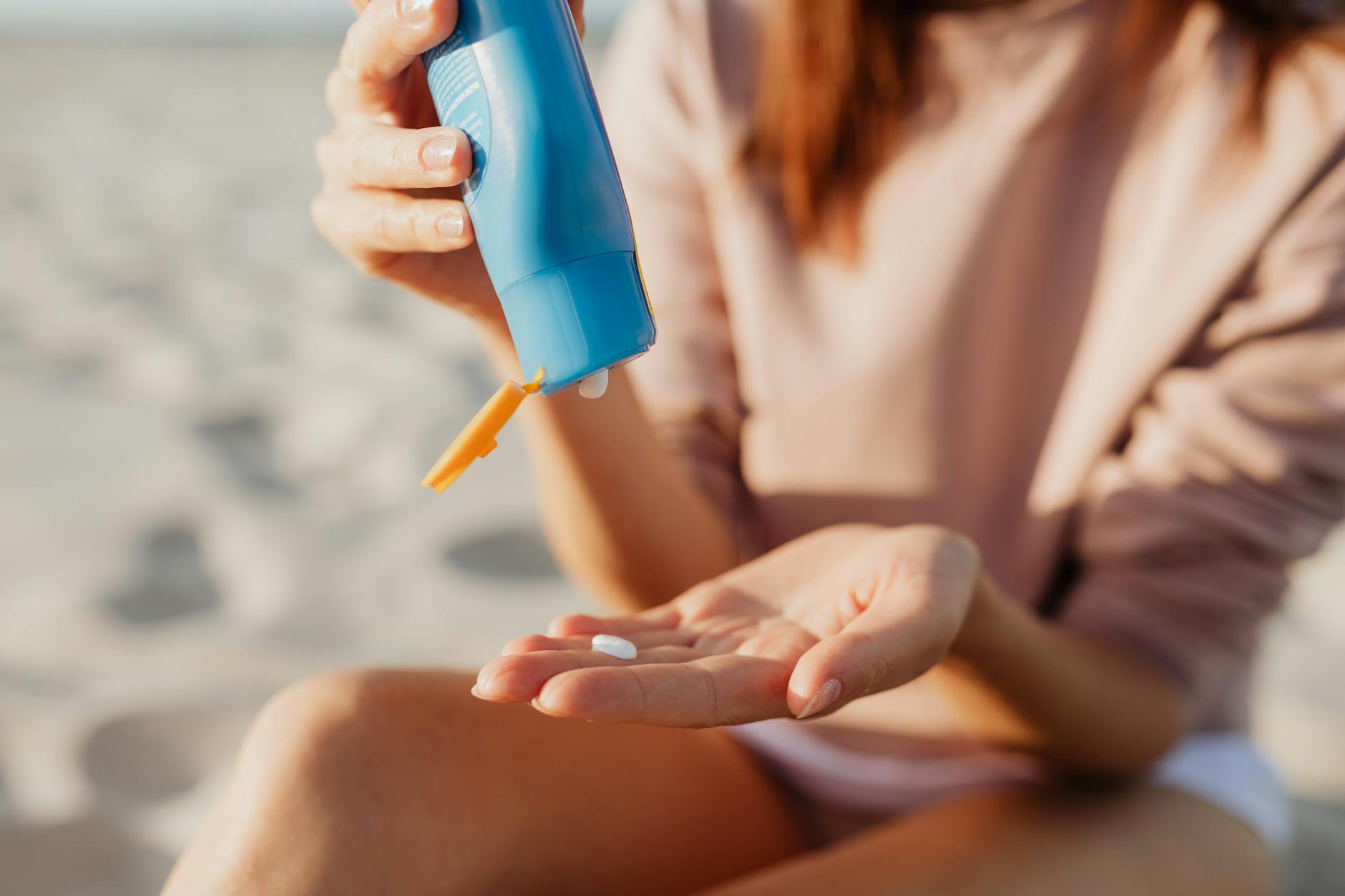
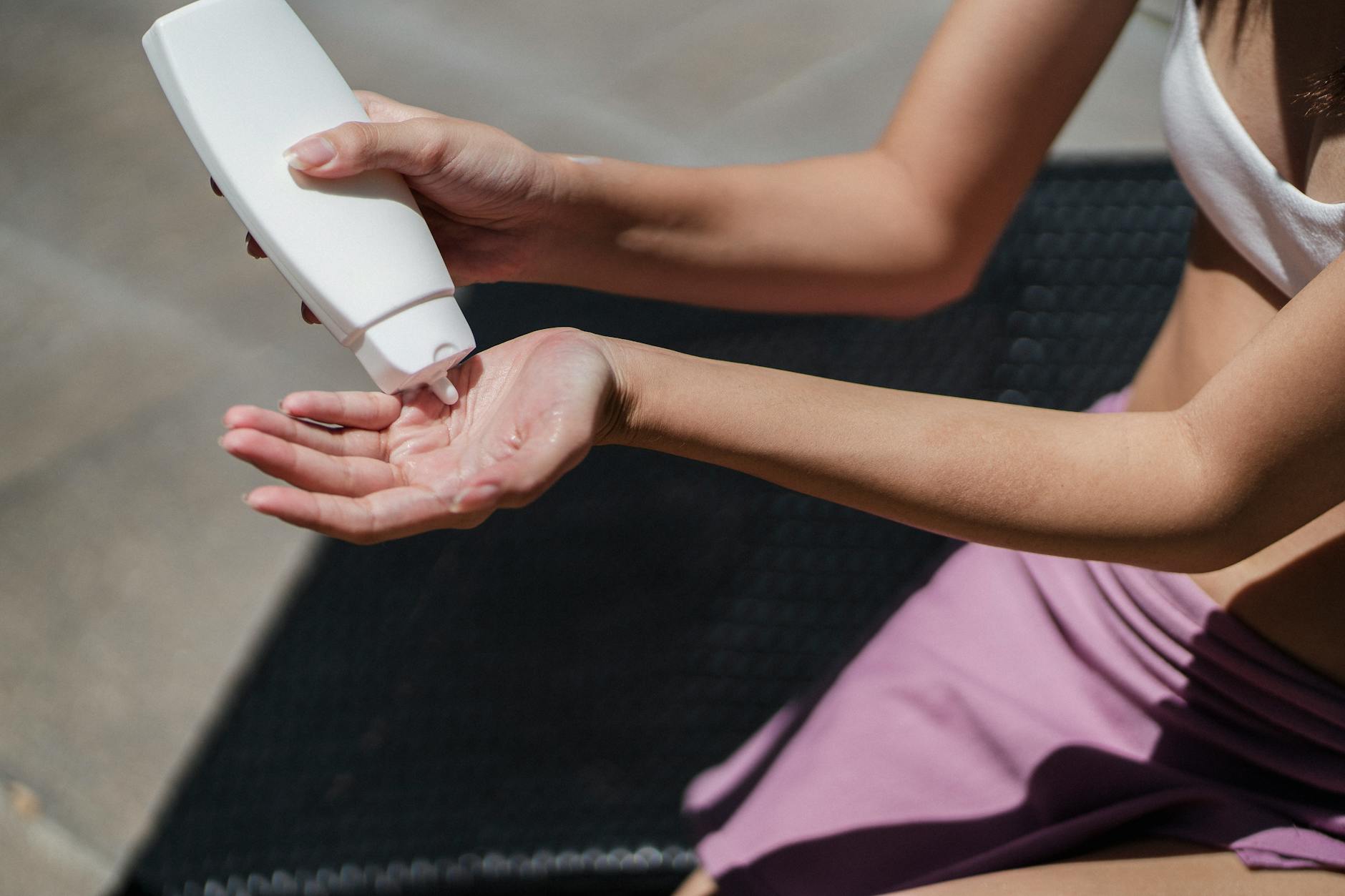
Sunscreen application technique matters for acne-prone skin. Using too little provides inadequate protection; using too much can feel heavy and occlusive. The recommended amount is one-quarter teaspoon for the face (about the size of a pea or a dime), applied to clean, moisturized skin before any makeup. Apply it as the last step in your skincare routine, after acne treatments and moisturizer have fully absorbed.
A common mistake is applying sunscreen to bare skin or over wet skin, which can leave it streaky and less effective. The best approach for acne-prone skin is to apply moisturizer first (this creates a slight barrier that helps sunscreen spread evenly), then apply sunscreen once the moisturizer has set. If your skin is very oily, use a lightweight, mattifying moisturizer or a hydrating primer before sunscreen to reduce shine and prevent the sunscreen from feeling like a heavy layer. Reapply every two hours if you’re outdoors, but use powder sunscreen or a spray between applications to avoid layering creamy sunscreen multiple times, which can clog pores. For acne-prone skin, reapplication with powder is often more practical than reapplying liquid sunscreen over active breakouts.
Will Sunscreen Make My Acne Worse or Cause Breakouts?
Sunscreen can trigger breakouts if the formula contains pore-clogging ingredients, isn’t properly suited to your skin type, or is applied too heavily. However, acne resulting from unprotected sun exposure will always be worse than acne potentially triggered by incorrect sunscreen use, because UV damage is cumulative and creates lasting damage in the form of scars and pigmentation marks. The key is finding the right formulation and application method, not avoiding sunscreen altogether.
If you’ve tried multiple sunscreens and kept breaking out, you may have genuinely occlusive skin that needs very lightweight, oil-free formulations specifically labeled for acne-prone skin. Some dermatologists recommend looking for sunscreens with a gel or fluid texture rather than cream-based, or switching to facial sunscreen rather than body sunscreen (which tends to be heavier). Another limitation to be aware of: sunscreen alone won’t prevent acne, so if you’re breaking out with sunscreen, the issue may not be the sunscreen itself but your overall routine—ensure you’re cleansing properly, not over-treating your skin, and using non-comedogenic products across the board.
Sunscreen and Acne Medication Interactions
Many acne medications increase photosensitivity, meaning your skin burns more easily and is more prone to pigmentation changes in the sun. Retinoids (tretinoin, adapalene, retinol), benzoyl peroxide, and certain oral antibiotics like doxycycline all make sunscreen non-negotiable. Without it, you’re not just risking worse acne scars—you’re risking damaged skin and medication failure.
For example, someone using tretinoin without sunscreen may experience increased irritation, redness, and a higher risk of sun damage, undoing the benefits of the treatment itself. Chemical exfoliants like AHAs and BHAs also increase sun sensitivity, so if you’re using any treatment that exfoliates or increases cell turnover, daily SPF 30 or higher is essential. Some dermatologists recommend SPF 50 for anyone on acne medications, though SPF 30 is adequate if applied correctly and reapplied regularly.
The Long-Term Prevention Perspective
Using sunscreen consistently from the start of acne treatment prevents the cumulative darkening of scars that makes acne marks appear permanent. Someone who uses sunscreen daily during their acne treatment phase will have significantly lighter, less visible scars five years later compared to someone who neglected sun protection.
This is one of the most underrated aspects of acne prevention: sunscreen today directly impacts your skin’s appearance in the future. Newer sunscreen formulations are also becoming more compatible with acne-prone skin, with more brands developing lightweight, hydrating SPFs specifically designed for active treatment. The barrier to consistent sun protection is shrinking, making it increasingly practical to maintain daily SPF without sacrificing treatment efficacy.
Conclusion
Sunscreen is essential for acne-prone skin because it prevents the darkening of scars, reduces inflammation in active breakouts, and protects skin from the damage caused by acne medications that increase photosensitivity. Using the right sunscreen formulation—generally starting with non-comedogenic mineral or hybrid sunscreen, applied in the correct amount—prevents the compounds that undo your acne treatment progress. The most important step is consistency: skipping sunscreen on cloudy days or while indoors still exposes your skin to UV damage and accelerates scarring.
Start by testing a lightweight, non-comedogenic sunscreen designed for acne-prone skin, apply it daily as the final step in your morning routine, and reapply when you’re outdoors. If a particular sunscreen breaks you out, try a different formula rather than abandoning sun protection altogether. The investment in finding the right sunscreen now will pay dividends in fewer visible scars and faster acne healing over the coming months and years.
Frequently Asked Questions
Can I skip sunscreen on cloudy days if I have acne?
No. UV rays penetrate clouds, and about 80% of the sun’s UV radiation reaches the earth on cloudy days. Skipping sunscreen allows the same damage to occur, just at a slightly slower pace. Consistent daily use is what matters.
How long after applying acne treatment should I wait before applying sunscreen?
Wait 10-15 minutes after applying acne treatments like benzoyl peroxide or retinoids so they fully absorb. Applying sunscreen too soon can interfere with treatment efficacy and increase irritation. Once both products have set, they work together without conflict.
Is mineral sunscreen really better for acne than chemical sunscreen?
Mineral sunscreen is generally safer for sensitive or very reactive acne-prone skin, but many people tolerate chemical or hybrid sunscreens well. The “better” choice depends on your individual skin—test both categories and choose the formula that protects your skin without causing breakouts.
Can I use body sunscreen on my face?
Body sunscreen is typically heavier and more occlusive than facial sunscreen. For acne-prone skin, use a facial sunscreen specifically. Body sunscreen applied to the face increases the risk of breakouts and may not be formulated for the delicate facial area.
What SPF should I use if I’m on acne medication?
SPF 30 is the minimum recommended by dermatologists, though SPF 50 is ideal for anyone on photosensitizing medications like retinoids or doxycycline. SPF 30 blocks about 97% of UVB rays; SPF 50 blocks about 98%. The difference is small, so consistency and reapplication matter more than chasing higher numbers.