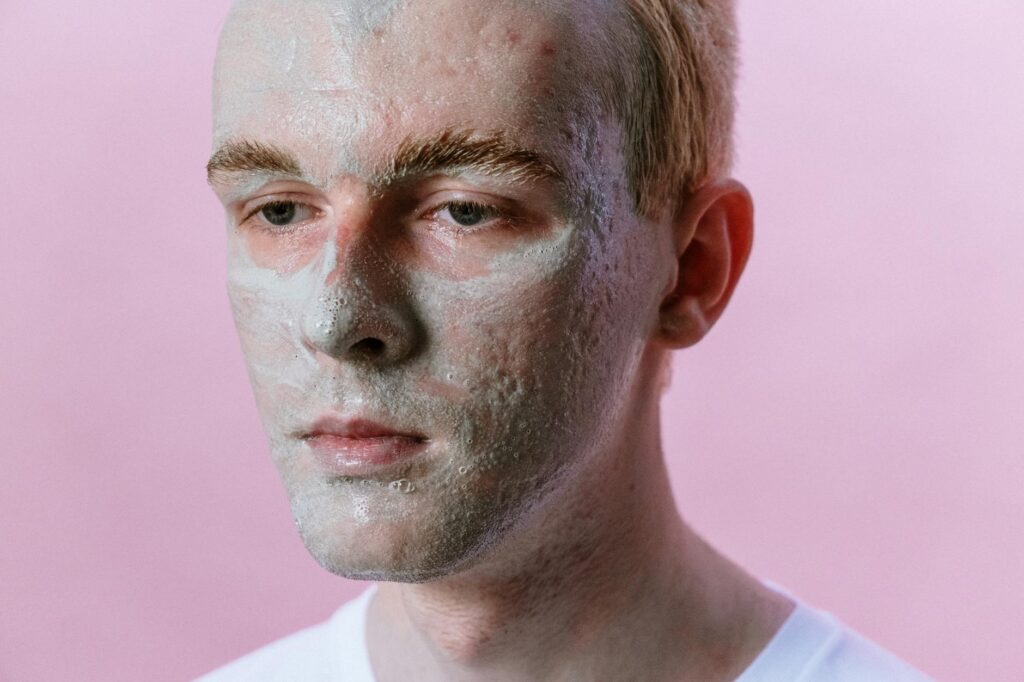
Stress is one of the most underrated acne triggers because it sets off a cascade of hormonal, inflammatory, and immune responses that directly increase oil production, impair skin healing, and disrupt the bacterial balance on your face — yet most people treat breakouts as a purely surface-level problem. When your body perceives stress, the hypothalamic-pituitary-adrenal axis floods your system with cortisol and corticotropin-releasing hormone, and your sebaceous glands — which have their own CRH receptors — respond by pumping out more sebum than your pores can handle. A college student who breaks out every finals week is not imagining things. Research on examination stress found acne severity was significantly associated with increased stress levels, with a correlation coefficient of r=0.61 (P<0.01). That is a strong, measurable relationship, and it is just one of several studies confirming what many dermatologists have observed for decades.
The problem runs deeper than an occasional pimple before a job interview. Global incidence of adult acne cases increased by 66.6% from 1990 to 2021, and roughly 50% of women in their 20s, 33% in their 30s, and 25% in their 40s continue to experience breakouts well past adolescence. Acne affects approximately 9.4% of the global population, making it the eighth most prevalent disease worldwide, with more recent estimates putting that figure at 20.5% of the global population over age 16. The fact that adult acne is rising in tandem with documented increases in chronic stress, anxiety disorders, and burnout culture is not a coincidence. This article explains the specific biological mechanisms that connect stress to acne, walks through the clinical evidence, and covers what you can realistically do about it — including where common advice falls short.
Table of Contents
- How Does Stress Trigger Acne Breakouts at the Biological Level?
- What the Clinical Evidence Actually Shows About Stress and Acne Severity
- Why Stress Slows Skin Healing and Makes Breakouts Accumulate
- How Stress Disrupts Your Skin Microbiome and Why That Matters for Acne
- Why Most Stress-Acne Advice Falls Short
- The Stress-Acne Feedback Loop and Mental Health
- Where Stress-Acne Research Is Heading
- Conclusion
- Frequently Asked Questions
How Does Stress Trigger Acne Breakouts at the Biological Level?
The short answer is that stress does not just make your skin oilier — it rewires how your skin functions from the inside out. When stress activates the HPA axis, your adrenal glands increase cortisol production, but that is only part of the story. The sebaceous glands in your skin have their own corticotropin-releasing hormone receptors, which means they respond directly to stress signals without waiting for cortisol to circulate through the rest of your body. Studies have found increased CRH expression in sebaceous glands of acne-involved skin compared to low expression in normal skin, according to reporting in Dermatology Times. This localized hormonal response means your face can react to stress faster than the rest of your body shows symptoms. In adult women with acne, the picture gets more specific. Chronic stress increases secretion of adrenal androgens, resulting in sebaceous hyperplasia — a clinical term for enlarged oil glands that produce more sebum than normal.
Compare this to the teenage acne most people are familiar with, which is primarily driven by puberty-related hormonal surges. Adult stress acne tends to show up along the jawline, chin, and lower cheeks rather than the T-zone, and it often appears as deep, inflamed cysts rather than surface-level whiteheads. If your breakout pattern shifted in your late 20s or 30s and you are dealing with more painful, under-the-skin bumps, stress-driven hormonal changes are a likely contributor. There is also a neuropeptide layer that most skincare advice never mentions. Substance P, a neuropeptide released during stress, stimulates proliferation of sebaceous precursor cells, increases sebocyte size, and triggers proinflammatory cytokines including IL-1, IL-6, and TNF-alpha. Meanwhile, Neuropeptide Y released during stress induces additional sebaceous gland activity and modulates immune response, contributing to both excess sebum and inflammation. Facial skin from acne patients shows increased numbers of Substance P-containing nerves and mast cells compared to normal skin. In other words, stress does not just open the oil spigot — it actively recruits your immune system to create the kind of inflammatory environment where acne thrives.
What the Clinical Evidence Actually Shows About Stress and Acne Severity
The connection between stress and acne is not a vague wellness talking point. Multiple controlled studies have measured it directly, though the evidence comes with important context. A study of 94 Singapore adolescents found a statistically significant positive correlation between stress levels and acne severity (r=0.23, p=0.029). Students reporting high stress were 23% more likely to have increased severity of acne papulopustulosa. Among medical students in Saudi Arabia, acne prevalence was 52% and stress prevalence was 40%, with 72% of students who had acne also reporting stress. The stress-acne correlation was statistically significant at p<0.01. However, correlation studies have a well-known limitation: they cannot prove causation by themselves.
A person experiencing severe acne may report higher stress partly because the acne itself is a source of distress, creating a feedback loop that inflates the measured correlation. The American Academy of Dermatology takes a careful position here, stating that while stress cannot cause acne on its own, it can significantly worsen existing acne. This distinction matters. If you have no genetic predisposition to acne and no comedogenic triggers in your routine, stress alone probably will not give you breakouts. But if you are already acne-prone — and given the prevalence numbers, there is a good chance you are — stress functions as an accelerant, not just a minor aggravating factor. The exam stress study with its r=0.61 correlation stands out because it tracked the same individuals across high-stress and low-stress periods, making it harder to dismiss the relationship as purely psychological. When the same person’s skin measurably worsens during exams and improves afterward, the temporal pattern strongly suggests a causal mechanism at work, even if the study design cannot technically prove it.
Why Stress Slows Skin Healing and Makes Breakouts Accumulate
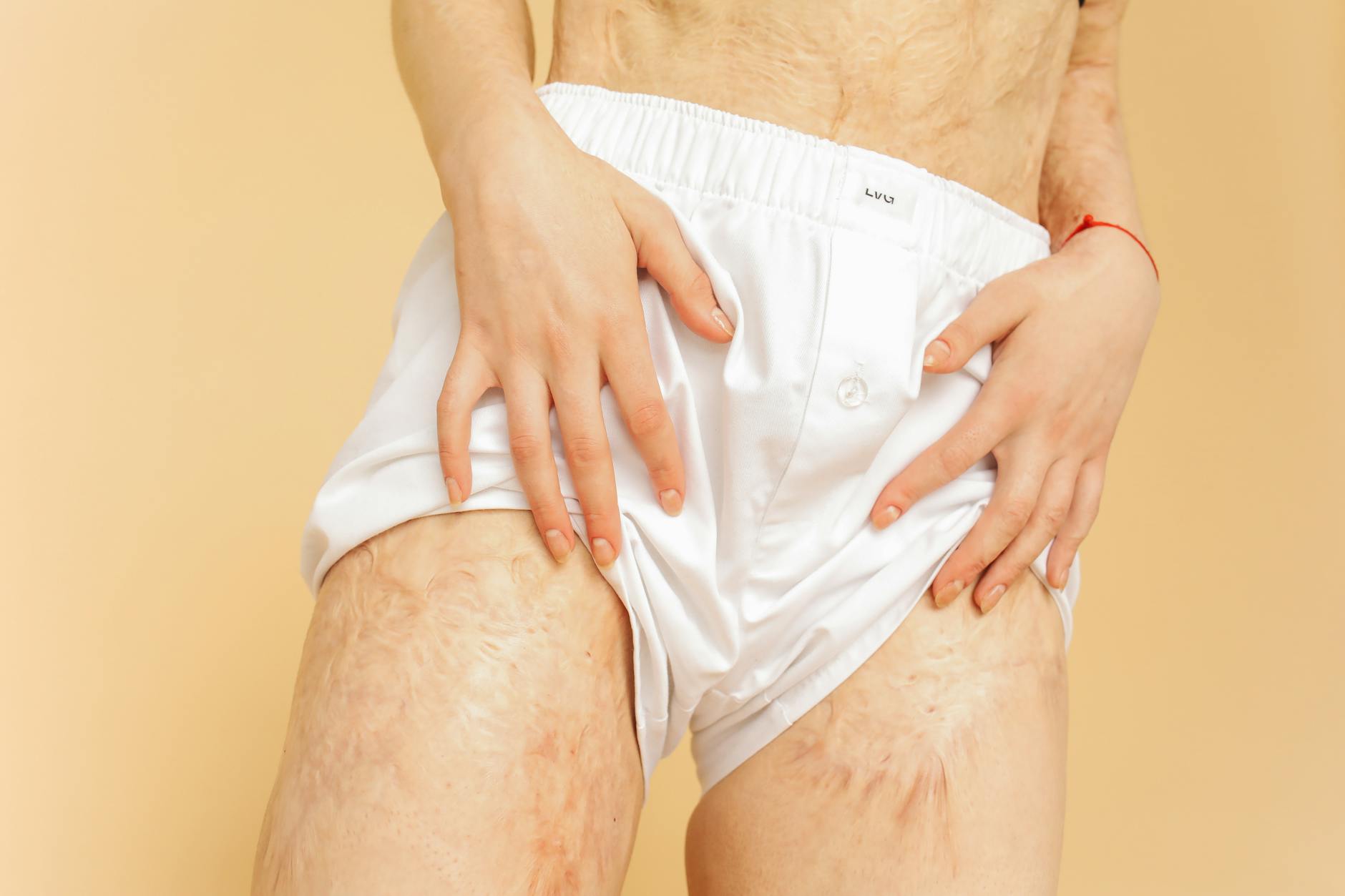
One of the most overlooked aspects of stress-related acne is not the formation of new breakouts but the failure of existing ones to heal. Stress impedes the body’s wound healing by up to 40%, which means acne lesions linger longer while new ones continue to form. The result is a pileup effect — at any given moment, your skin is carrying more active lesions than it would if each one resolved on a normal timeline. The most striking clinical evidence for this comes from an unexpected source: dementia caregiver research. Caregivers of dementia patients, used as a chronic stress model, needed 20% more time for complete wound healing compared to non-stressed controls.
This was one of the first clinical observations of stress-impaired skin repair, and it has direct implications for acne. A cystic breakout that might normally resolve in seven to ten days can stretch to two weeks or more under chronic stress, leaving behind more post-inflammatory hyperpigmentation and increasing the likelihood of scarring. A 2025 peer-reviewed study added another dimension, finding that moderately stressed subjects had significantly decreased antioxidant potential and impaired skin barrier integrity, with microrelief alterations reaching approximately 32.9% increased severity. UPMC dermatologists have emphasized that cortisol decreases lipids and structural proteins in the epidermal layers, disrupting the skin’s protective barrier function. When your barrier is compromised, transepidermal water loss increases, your skin overcompensates by producing even more oil, and topical treatments like retinoids or benzoyl peroxide become more irritating — which often leads people to abandon their routines right when they need them most.
How Stress Disrupts Your Skin Microbiome and Why That Matters for Acne
Your skin hosts a complex ecosystem of bacteria, fungi, and other microorganisms that, when balanced, actually protect against acne. Stress hormones — cortisol, adrenaline, and noradrenaline — can alter the composition of the skin microbiome, contributing to dysbiosis that favors acne-causing bacteria. This is a relatively new area of research compared to the well-established cortisol-sebum connection, but it adds an important piece to the puzzle. The tradeoff here is worth understanding if you are considering how to address stress-related breakouts.
Aggressive topical treatments — high-concentration benzoyl peroxide, alcohol-based toners, frequent chemical peels — may kill acne-causing bacteria in the short term, but they also strip beneficial microbes and further compromise the skin barrier that stress has already weakened. A gentler approach using lower concentrations of active ingredients paired with barrier-supporting ingredients like ceramides and niacinamide may produce slower initial results but avoids the boom-and-bust cycle of aggressive treatment followed by rebound breakouts. Dermatologists at Advanced Dermatology, P.C. note that many patients notice flare-ups during exams, job changes, or emotional upheaval — and the worst thing those patients can do is panic-treat with harsh products that destabilize an already stressed skin environment.
Why Most Stress-Acne Advice Falls Short
The standard advice for stress-related acne tends to fall into two categories, both of which have significant limitations. The first is skincare-focused: use non-comedogenic products, add salicylic acid, see a dermatologist. This is not wrong, but it treats only the downstream symptoms while ignoring the upstream cause. The second is lifestyle-focused: meditate, exercise, sleep more. This is also not wrong, but it can feel dismissive to someone dealing with real stressors like financial instability, caregiving responsibilities, or a demanding job they cannot simply quit. The honest truth is that stress reduction is genuinely important for managing acne — the biological mechanisms outlined above are clear enough — but the type of stress matters. Acute, short-term stress, like a single bad day, is unlikely to cause lasting acne changes. Chronic, sustained stress is where the HPA axis stays activated long enough to produce the hormonal, inflammatory, and microbiome disruptions that show up on your skin.
If your stress is chronic and structural, no amount of face masks or meditation apps will fully compensate. That does not mean topical treatment is pointless — retinoids, azelaic acid, and properly dosed benzoyl peroxide still work on the follicular level — but it means expecting skincare alone to solve stress-driven acne is like expecting an umbrella to stop a flood. You have to address both sides. A related warning: some stress-management strategies can backfire for acne. Intense exercise, while excellent for mental health, increases sweat and friction that can worsen acne mechanica if you do not shower and change clothes promptly. Comfort eating under stress often tilts toward high-glycemic foods and dairy, both of which have documented associations with acne. Even sleep aids like melatonin have anecdotal links to breakouts in some users, though clinical evidence is thin. The point is that stress management must be paired with awareness of secondary triggers, not treated as a silver bullet.
The Stress-Acne Feedback Loop and Mental Health
One of the cruelest aspects of stress-related acne is that acne itself is a significant source of psychological stress, creating a self-reinforcing cycle. A student who breaks out during finals feels more self-conscious, which increases anxiety, which worsens the breakout further. Studies on acne and mental health consistently find elevated rates of depression, anxiety, and social withdrawal among acne sufferers, and these psychological effects feed right back into the HPA axis activation that triggered the breakout in the first place.
Breaking this cycle often requires addressing the psychological component directly, not just the dermatological one. Cognitive behavioral therapy has shown promise in managing stress-related skin conditions, and some dermatology practices have begun integrating psychodermatology — a subspecialty that treats the mind-skin connection — into their approach. If you find that your breakouts are tightly correlated with your mental state and that no topical regimen seems to hold, asking your dermatologist about this connection is a reasonable next step.
Where Stress-Acne Research Is Heading
The recognition that skin is a neuroendocrine organ — one that produces its own hormones and responds directly to nervous system signals — has reshaped how researchers think about acne. The discovery that sebaceous glands have CRH receptors and that neuropeptides like Substance P and Neuropeptide Y actively drive sebum production and inflammation opens the door to treatments that target these pathways specifically, rather than relying solely on traditional approaches like antibiotics or isotretinoin.
Research into the skin microbiome is also accelerating. As the relationship between stress hormones and microbial dysbiosis becomes better characterized, probiotic and prebiotic skincare formulations may move from marketing gimmicks to clinically validated treatments. The 66.6% increase in adult acne cases from 1990 to 2021 makes this a pressing area of study, and the overlap with rising rates of chronic stress in modern populations suggests that effective acne treatment will increasingly need to account for what is happening above the neck — not just on it.
Conclusion
Stress drives acne through specific, well-documented biological pathways: HPA axis activation increases cortisol and CRH, which directly stimulate sebaceous glands to produce excess oil. Neuropeptides like Substance P and Neuropeptide Y amplify inflammation and recruit immune cells. Cortisol impairs the skin barrier, slows wound healing by up to 40%, and disrupts the microbiome. These are not speculative connections — they are backed by clinical studies showing significant correlations between stress levels and acne severity, including data from exam periods, medical student populations, and chronic caregiver stress models.
The practical takeaway is that managing acne effectively requires addressing both the skin and the stress. Topical treatments handle the downstream effects, but if chronic stress remains unchecked, you are fighting a biological system that is actively working against your skincare routine. Start by identifying whether your stress is acute or chronic, pair appropriate stress-management strategies with a gentle but effective topical regimen, and do not ignore the feedback loop between breakouts and psychological distress. If your acne worsens predictably during stressful periods and resists standard treatments, bring up the stress connection with your dermatologist — the science supports you.
Frequently Asked Questions
Can stress alone cause acne if I have never had it before?
The American Academy of Dermatology states that stress cannot cause acne on its own but can significantly worsen existing acne. If you have never had acne and suddenly develop it during a stressful period, stress is likely exacerbating a genetic predisposition or interacting with other triggers like dietary changes or new products rather than acting as the sole cause.
How quickly can stress trigger a breakout?
Stress-related breakouts typically appear within a few days to two weeks after a stressful event, because the hormonal and inflammatory cascades need time to translate into clogged pores and visible lesions. The sebaceous glands respond to CRH relatively quickly, but the acne lesion itself takes days to form. Exam stress studies tracked acne worsening over the multi-week exam period rather than overnight.
Does stress acne look different from hormonal or regular acne?
Stress acne in adults often presents as deep, inflammatory cysts along the jawline, chin, and lower cheeks, which overlaps significantly with hormonal acne patterns. This is because stress-driven adrenal androgens affect similar pathways. The distinguishing factor is usually timing — if breakouts correlate reliably with stressful events and improve during calm periods, stress is likely a major contributor.
Will reducing stress clear my acne completely?
For most people, stress reduction alone will not fully clear acne because other factors like genetics, diet, skincare habits, and hormonal fluctuations also play roles. However, if stress is a primary driver, reducing it can meaningfully decrease the frequency and severity of breakouts. The clinical studies suggest stress worsens existing acne rather than being the sole cause, so a combined approach works best.
Is there a specific cortisol level that triggers acne?
There is no established cortisol threshold above which acne appears. The relationship is more about sustained elevation than a single number. Chronic stress keeps cortisol and CRH levels elevated over time, which gradually shifts sebum production, inflammation, and skin barrier function. A single high-cortisol day is unlikely to cause lasting changes, but weeks or months of elevated stress hormones will.