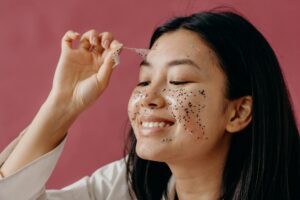
Some people clear acne without any products because of two fundamental biological realities: the body has an inherent ability to heal acne lesions on its own, and certain genetic and environmental factors make some individuals naturally less susceptible to severe breakouts. Your skin’s immune system is actively working to combat acne-causing bacteria, reduce inflammation, and regenerate skin cells—this process happens independently of whether you use treatments or not. A person with strong natural immune responses, favorable genetics, and stable hormones might experience mild breakouts that resolve on their own in 1-2 weeks, while someone else with similar breakouts might develop persistent, severe acne that requires intervention. This doesn’t mean everyone should skip treatment—far from it.
The reality is more nuanced. About 85% of people between ages 12-24 experience at least minor acne, and nearly 85% of Americans experience acne at some point in their lives. However, what many people don’t realize is that the severity and duration of acne varies dramatically from person to person, based on factors largely outside conscious control. Understanding why some people naturally clear acne helps explain why the same advice or product works beautifully for one person and fails completely for another. This article explores the biological mechanisms behind natural acne clearance, the genetic and lifestyle factors that make it possible, and why recognizing these differences matters for managing realistic expectations about your own skin.
Table of Contents
- How Long Does Acne Take to Clear Naturally?
- The Role of Genetics in Natural Acne Clearance
- How Your Immune System and Hormones Control Acne Naturally
- Nutritional and Lifestyle Support for Natural Acne Clearing
- Understanding the Timeline and Limitations of Natural Healing
- When Natural Acne Clearing Stalls
- Prevention and Maintaining Clear Skin Without Products
- Conclusion
How Long Does Acne Take to Clear Naturally?
Individual acne pimples typically clear on their own within 1-2 weeks as your body’s natural healing processes kick in. This timeline reveals something important: acne isn’t a permanent condition that requires external intervention to resolve. The inflammatory response your immune system generates is actually beneficial—it’s designed to eliminate the bacteria responsible for the breakout and begin the repair process. During this window, the skin is actively producing new cells, reducing inflammation, and restoring barrier function. However, the timeline for *complete* skin clearance is different from individual lesion healing.
If you’re experiencing ongoing breakouts—new pimples appearing as old ones fade—you’re caught in a cycle that won’t resolve in 1-2 weeks without addressing the underlying triggers. Someone whose hormones are stable, whose skin microbiome is balanced, and who isn’t exposed to persistent acne triggers might experience a breakout that clears naturally in a few weeks. Someone else might experience continuous new lesion formation for months or years. The difference often comes down to whether the root cause is temporary (environmental stress, a single hormonal spike) or ongoing (chronic hormonal imbalance, genetic oil production, persistent bacterial colonization). When people do use medicated treatment and proper skincare, healing time accelerates further, moving from 1-2 weeks toward noticeable improvement in days. This difference is meaningful but not transformative—it’s acceleration of a process already underway, not creation of healing where none would occur.
The Role of Genetics in Natural Acne Clearance
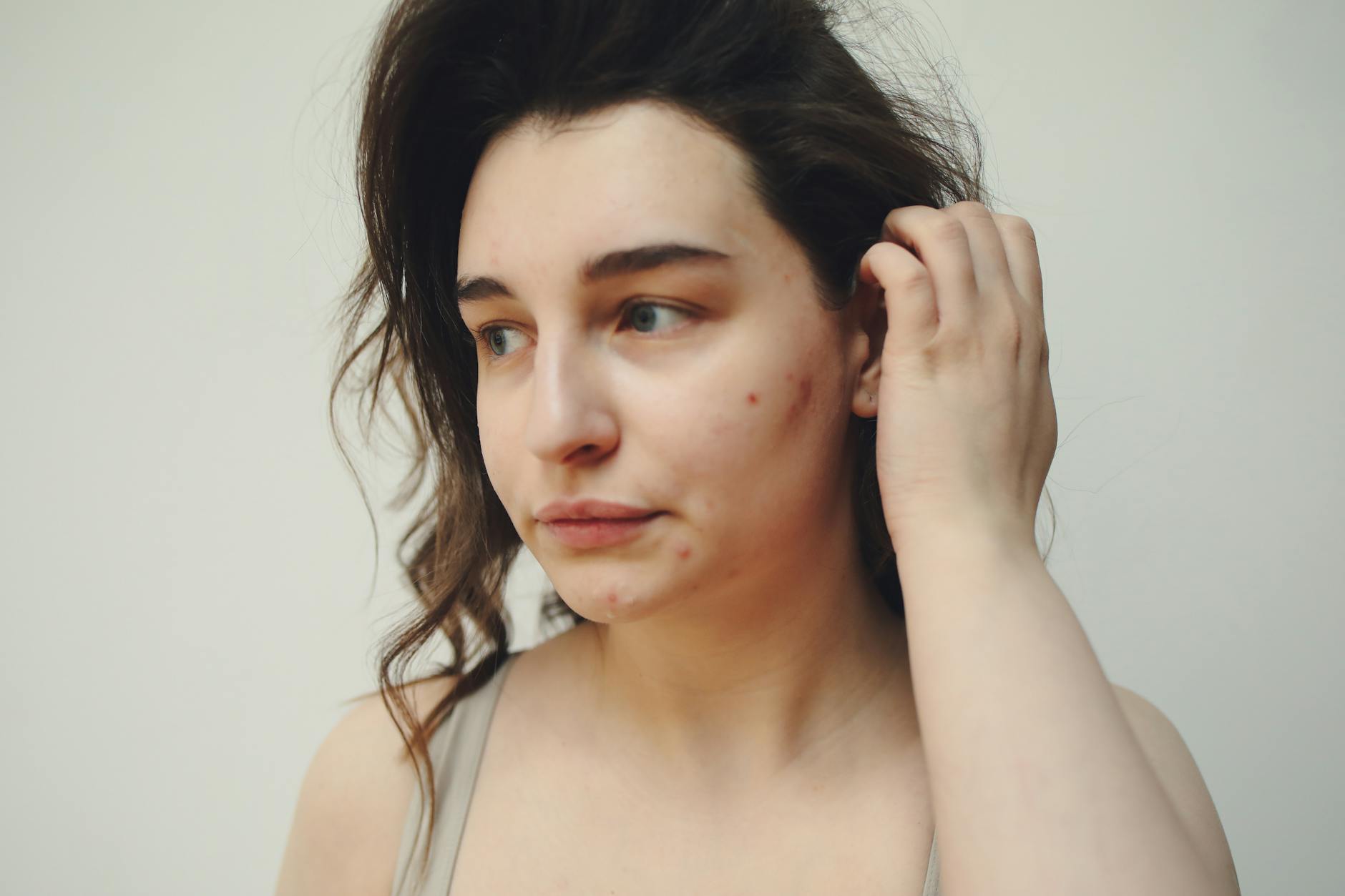
Genetics determine a remarkable amount about your acne susceptibility and severity. Your genes influence how your skin’s oil glands respond to hormones, how effectively your immune system fights acne bacteria, and how quickly your skin naturally turns over and sheds dead cells. Some people inherit genes that code for smaller, less active oil glands and a robust immune response to *Cutibacterium acnes*—the bacteria central to acne formation. These individuals might experience occasional breakouts that their bodies clear quickly, while others genetically predisposed to larger oil glands, stronger hormone sensitivity in their skin, and a milder immune response might struggle with persistent acne. Environmental influences layer on top of genetics, but genetics sets the baseline. Two siblings exposed to identical environments—same diet, stress levels, skincare routines—can have completely different acne experiences because they inherited different biological predispositions.
This explains why acne can run in families, but not predictably. You might clear acne naturally while your sibling struggles, not because you’re doing something better, but because your genetic cards were dealt differently. One important caveat: having favorable genetics doesn’t mean you’re exempt from acne triggers. Even genetically resilient skin can develop breakouts when exposed to specific irritants, hormonal shifts, or other stressors. A person who naturally clears acne might still experience flare-ups during high-stress periods or with dietary changes. Genetics provide a foundation of resilience, not invulnerability.
How Your Immune System and Hormones Control Acne Naturally
Acne formation involves complex interactions between hormonal, microbiological, and immunological factors working within your skin. When you have a pimple, your skin’s immune system is actively generating inflammation in the pilosebaceous unit (the pore and hair follicle structure) in response to *Cutibacterium acnes*. This inflammation isn’t a malfunction—it’s a targeted immune attack. The redness, swelling, and eventual drainage you see are signs your immune system is doing exactly what it’s supposed to do. Local hormone metabolism within your skin influences how your oil glands respond and how much sebum they produce, creating an environment more or less favorable to bacterial growth. Your genetic sensitivity to these hormones in your skin tissue determines whether the normal hormonal signals that pass through everyone’s body produce massive oil production or only modest amounts.
Someone whose skin is less sensitive to androgens (the hormones that trigger oil production) will produce less sebum regardless of their overall hormone levels, making the skin less hospitable to acne bacteria. This genetic variation in local hormone sensitivity explains why two people with identical blood hormone levels can have vastly different acne severity. Your immune system’s baseline responsiveness also varies. A more reactive immune system might mount a quicker, stronger response to acne bacteria, clearing lesions faster but potentially causing more inflammation in the process. A less reactive immune system might allow bacteria to proliferate longer but with less initial inflammation. Neither is universally better—it depends on the individual balance of factors present.
Nutritional and Lifestyle Support for Natural Acne Clearing
While some people clear acne naturally despite poor nutrition and high stress, supporting your body’s natural healing capacity with proper nutrition and lifestyle choices can meaningfully improve outcomes. Zinc deficiency exacerbates acne, as this mineral is essential for immune function and skin repair. Low vitamin D levels increase comedone formation and disrupt normal skin cell turnover, both of which prolong breakouts. This is where natural clearing meets supportive action—your body might clear acne eventually, but nutritional support accelerates the process.
Practical factors that support natural acne clearance include staying hydrated (8+ glasses of water daily), which helps maintain skin barrier function and supports immune cells; managing stress through exercise, sleep, or meditation, since chronic stress dysregulates hormones that influence acne; and for many people, reducing or eliminating dairy consumption, which can increase hormone levels that trigger oil production. These aren’t dramatic interventions—they’re removing obstacles to your body’s own healing process. However, it’s important to recognize that lifestyle changes rarely clear acne entirely on their own if the underlying problem is strong genetic predisposition or severe hormonal imbalance. Someone with polycystic ovary syndrome (PCOS) or severe hormonal acne won’t clear lesions by drinking more water, even though hydration supports healing. Lifestyle factors work best as supporting measures, not primary treatments, unless your acne is mild and driven primarily by modifiable factors.
Understanding the Timeline and Limitations of Natural Healing
Most acne therapies are suppressive rather than curative, meaning they manage symptoms and prevent new lesions from forming while your body’s natural healing processes resolve existing ones. Understanding this distinction is crucial for managing expectations about natural acne clearing. Your body will clear individual pimples; it might not clear persistent acne caused by ongoing hormonal signals, bacterial colonization, or genetic oil production without some intervention to address the root cause. A minimum of 2-3 months of treatment compliance is needed to assess treatment efficacy—this timeline applies equally to natural clearing and medicated approaches. If you’re relying on your body to clear acne naturally, expect the process to take at least this long before you can accurately evaluate whether it’s working.
In that same timeframe, you’ll accumulate new breakouts if the underlying cause persists, making it difficult to see progress. This is the practical limitation many people face: they do naturally clear individual lesions, but new ones form faster than old ones heal. The important warning here is that waiting for natural clearing while severe acne persists risks permanent scarring. About 15% of people experience severe acne that leads to scarring—this outcome isn’t predetermined by genetics alone, but rather by the combination of acne severity and how long lesions persist before healing. Waiting months for natural clearing when early intervention could prevent scarring is a calculated risk that doesn’t always pay off.
When Natural Acne Clearing Stalls
Some people discover that their acne, which seemed to clear naturally in their teens, persists into adulthood. This shift typically reflects changing hormonal environments, altered stress levels, or shifts in environmental triggers—not a sudden loss of the body’s natural healing capacity. Adult acne, particularly in women, often has strong hormonal drivers that the immune system alone cannot overcome.
Hormonal acne related to the menstrual cycle, pregnancy, or perimenopause requires either hormonal intervention or treatment to manage the root cause; the body’s natural healing won’t prevent new lesions from forming if the hormonal signal continues. Certain medications, dietary changes, or environmental exposures can also overwhelm the body’s natural acne-clearing ability. Someone who switched to high-iodine salt, started a new medication that affects skin barrier function, or moved to a humid climate might find their previously clear skin suddenly broken out. In these cases, identifying and removing the trigger is the next step—trying to rely on natural clearing while the trigger persists is ineffective.
Prevention and Maintaining Clear Skin Without Products
If you’ve been fortunate enough to naturally clear acne, the next goal is prevention of future breakouts. This requires understanding what triggered your breakouts in the first place. Was it stress-related and temporary? Dietary? Environmental? Hormonal and cyclical? Identifying your personal trigger pattern gives you the ability to avoid it, which is far more effective than waiting for natural clearing to handle new breakouts.
Many people who naturally clear acne discover they can maintain clear skin long-term through targeted lifestyle adjustments—stress management, consistent sleep, dietary awareness, and avoiding known irritants—without relying on active treatments. This is sustainable and works when your underlying biology cooperates. However, it’s worth monitoring your skin over time, because hormonal shifts, aging, and life changes can alter your baseline acne tendency. What works now might need adjustment later, and maintaining this flexibility prevents the frustration of suddenly developing acne you can’t explain.
Conclusion
Some people clear acne without products because their bodies have the inherent biological capacity to do so, supported by favorable genetics, effective immune responses, and balanced hormonal environments. Acne pimples naturally clear within 1-2 weeks as your skin’s immune system fights bacteria and your body initiates healing. However, this natural clearing only becomes noticeable and effective when the factors driving acne—whether genetic, hormonal, nutritional, or environmental—aren’t continuously producing new lesions faster than the body can heal old ones.
The practical takeaway is recognizing where you fall on the acne spectrum. If you experience mild, occasional breakouts that clear quickly, supporting your body’s natural process through nutrition, hydration, stress management, and avoiding irritants is often sufficient. If you experience persistent or severe acne, waiting for natural clearing risks scarring and prolongs unnecessary suffering—this is where medical intervention becomes a rational choice, not a failure to manage your skin naturally. Understanding the biological reasons why some people clear acne without products helps you accept your own skin’s capabilities and limitations, rather than blaming yourself for not being “one of those people.”.