Why Some Breakouts Itch Instead of Hurt
When you get a breakout on your skin, it can feel painful and tender, like a regular pimple. But sometimes those same-looking bumps itch a lot instead. This happens because not all breakouts come from the same cause. The painful ones are usually bacterial acne, while the itchy ones are often fungal acne.
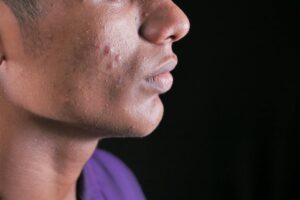
Bacterial acne starts when too much oil and dead skin clog your pores. This lets bacteria called C. acnes grow inside and cause swelling and redness. The result is red pimples, whiteheads, or deep cysts that hurt when you touch them. These breakouts show up in oily spots like your forehead, nose, chin, or jawline. They feel tender because of the inflammation deep in the skin.[1][2][3]
Fungal acne works differently. It comes from an overgrowth of yeast called Malassezia, which lives on your skin but can multiply in warm, moist places. This yeast feeds on oils and creates small, uniform bumps that cluster together, often on your chest, back, shoulders, or forehead. Unlike bacterial acne, these do not hurt much. Instead, they itch intensely because the yeast irritates the skin surface and triggers a reaction that makes you want to scratch.[2][3][4]
The itching sets fungal acne apart. Bacterial breakouts focus on pain from pus and pressure under the skin. Fungal ones feel more like a rash with tiny red or skin-colored bumps that itch right away. Scratching can make it worse by spreading the yeast or causing scars and dark spots.[2][4]
Hormonal acne, another common type, also tends to hurt more than itch. It flares up from hormone changes, like during periods or stress, and hits the jawline or cheeks with sore, deep lumps.[3][5]
Not every itchy pimple is fungal acne. Sometimes stress or irritation makes regular pimples itch as your skin heals. But if the bumps are the same size, in tight groups, and do not get better with usual acne creams, it points to yeast.[1][6]
Knowing the difference matters because treatments vary. Bacterial acne needs antibacterial products, while fungal acne calls for antifungal ones.
Sources
https://naturalimageskincenter.com/common-misconceptions-about-bacterial-acne-how-to-identify-it-correctly/
https://syraaesthetics.com/blog/fungal-acne-treatment/
https://amourvert.com/articles/fungal-acne-vs-hormonal-acne-lets-clear-the-confusion-once-and-for-all
https://www.drbatras.com/skin-diseases/acne/types
https://www.tuftsmedicine.org/about-us/news/acne-over-30
https://amiynaturals.com/blogs/news/how-to-reduce-itchy-pimples-naturally-and-calm-irritated-skin
https://www.medanta.org/patient-education-blog/back-acne-bacne-causes-prevention-and-best-treatment-options