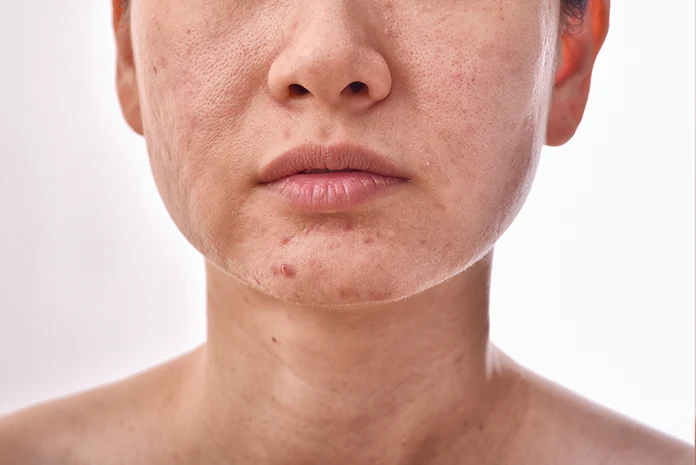
Why Sleep Impacts Acne Severity
Your skin has its own internal clock. Just like your body follows a daily rhythm that tells you when to sleep and wake, your skin cells and oil glands operate on a similar schedule. When you disrupt this natural rhythm through poor sleep or irregular sleep patterns, your skin pays the price, and acne often gets worse.
The connection between sleep and acne is not just in your head. Research shows that people with poor sleep quality report more frequent breakouts, and this relationship holds true even when researchers account for other factors like depression or stress.[1][2] The science behind this is straightforward: sleep deprivation triggers a cascade of changes in your body that create the perfect environment for acne to develop.
One of the main ways sleep affects acne is through hormonal changes. When you do not get enough sleep, your body produces more androgens, which are hormones that stimulate oil production in your sebaceous glands.[1] At the same time, sleep deprivation reduces the levels of beneficial hormones like insulin-like growth factor-1 and dehydroepiandrosterone sulfate, which normally help keep your skin healthy and balance sebum production.[2] This hormonal imbalance shifts your body into a state that strongly favors acne development.
Sleep deprivation also weakens your skin’s natural defenses. When you sleep, your body produces melatonin, a hormone that acts as a powerful antioxidant. This antioxidant protection is crucial because it prevents oxidative stress, a process that damages the oils in your sebaceous glands and makes them more likely to clog and become inflamed.[1] Without adequate sleep, your melatonin levels drop, leaving your skin vulnerable to this damage.
Your immune system also suffers when you do not sleep enough. Poor sleep impairs your skin barrier function and immune regulation, which means your skin cannot fight off acne-causing bacteria as effectively.[2] Additionally, sleep deprivation triggers inflammatory pathways in your body, leading to increased release of pro-inflammatory substances like IL-1 beta, IL-6, and TNF-alpha.[1] These inflammatory molecules make acne worse by promoting follicular hyperkeratinization, which is the buildup of dead skin cells that clogs pores.
The timing of your sleep matters just as much as the amount. Your circadian rhythm, which is your body’s internal 24-hour clock, controls when your skin cells regenerate and when hormones are released.[2] When your sleep schedule is irregular or disrupted, your circadian rhythm becomes desynchronized. This affects the timing of skin cell renewal and hormonal regulation, leading to accelerated skin aging, impaired barrier function, and heightened inflammation.[2] Shift workers and people with chronic insomnia frequently report increased acne directly because of this circadian disruption.
The evidence shows that acne severity correlates with objective measures of sleep quality, not just how you feel about your sleep.[2] This means the physiological effects of poor sleep, rather than psychological stress alone, are driving the acne problem. Your skin is literally responding to the biological changes that occur when you do not sleep well.
Interestingly, the relationship between sleep and acne works both ways. Poor sleep makes acne worse, but acne can also disrupt your sleep, creating a cycle that is difficult to break.[2] This bidirectional relationship means that improving your sleep quality can have a meaningful impact on your skin.
The good news is that targeted interventions can help. Sleep hygiene optimization, which means establishing consistent sleep schedules and creating a good sleep environment, can help regulate your sebaceous gland function and reduce acne severity.[1] Even small improvements in sleep quality may translate to noticeable improvements in your skin.
Sources