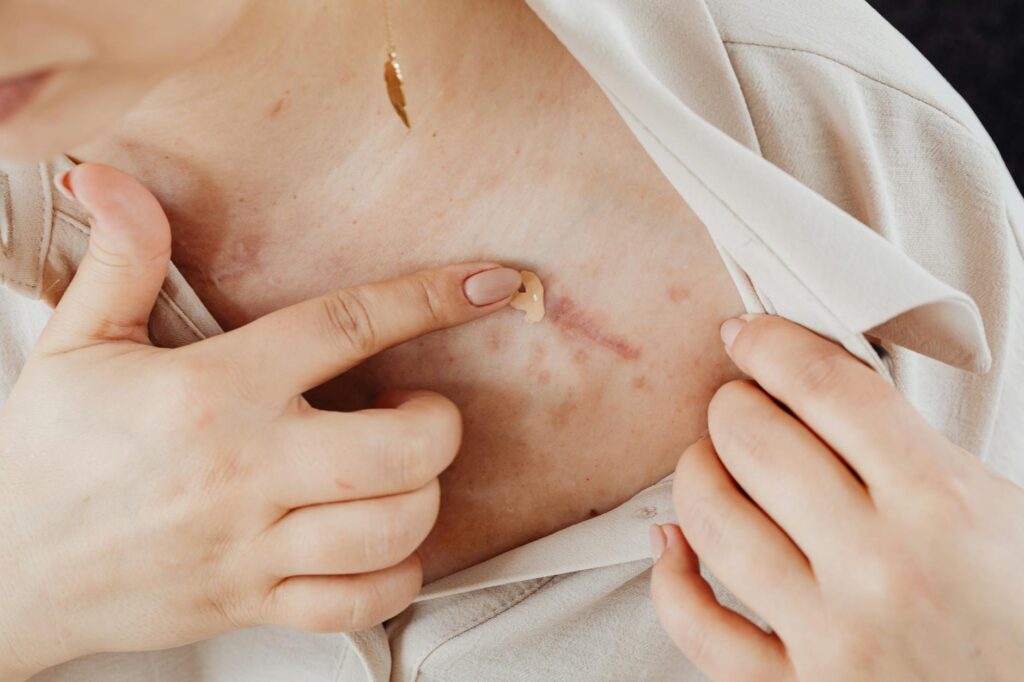
SkinMedica Lytera 2.0 is used for post-acne marks primarily because it targets post-inflammatory hyperpigmentation (PIH)—the dark spots and discoloration that linger after acne heals—through a combination of brightening ingredients and skin cell turnover. The formula contains niacinamide, kojic acid, magnesium ascorbyl phosphate (a stable vitamin C), and arbutin, which work to both inhibit melanin production and accelerate the fading of existing pigmented lesions. Unlike treatments focused on active acne inflammation, Lytera 2.0 specifically addresses the aftermath: those stubborn brown and red marks that can persist for months or even years after breakouts resolve. This article explores how the product works, who benefits most, what results to realistically expect, and how it compares to other post-acne treatment options.
Table of Contents
- How Does SkinMedica Lytera 2.0 Target Post-Acne Hyperpigmentation?
- Understanding the Difference Between Post-Inflammatory Hyperpigmentation and Other Acne Scarring
- Ingredients in Lytera 2.0 and Why They Matter for Post-Acne Recovery
- How Long Does It Take to See Results with Lytera 2.0 on Post-Acne Marks?
- Common Challenges and Limitations of Using Lytera 2.0 for Post-Acne Marks
- Comparing Lytera 2.0 to Other Post-Acne Brightening Products
- Building a Comprehensive Post-Acne Recovery Routine Around Lytera 2.0
- Conclusion
How Does SkinMedica Lytera 2.0 Target Post-Acne Hyperpigmentation?
SkinMedica Lytera 2.0 works on post-acne marks through multiple mechanisms. The product’s niacinamide content reduces melanin transfer to skin cells and strengthens the skin barrier, which helps prevent further pigmentation issues. Kojic acid and arbutin inhibit tyrosinase, the enzyme responsible for melanin production, essentially slowing down the darkening process at the source. Vitamin C (as magnesium ascorbyl phosphate) provides antioxidant protection and supports collagen remodeling, which can help fade marks by promoting healthier skin cell formation underneath.
Together, these ingredients address both active discoloration and the structural changes that acne leaves behind. The product is particularly effective for post-inflammatory hyperpigmentation in darker skin tones, where pih tends to be more pronounced and longer-lasting than post-inflammatory erythema (the red marks that appear on lighter skin). For example, someone with deeper skin who experiences severe acne might see dark purple or brown spots persist for a year without treatment, while Lytera 2.0 can help fade those marks over 8-12 weeks of consistent use. However, if someone’s post-acne marks are primarily red or pink (erythema rather than hyperpigmentation), this product will not be as effective—they would benefit more from ingredients like azelaic acid or treatments like LED light therapy.

Understanding the Difference Between Post-Inflammatory Hyperpigmentation and Other Acne Scarring
It’s critical to distinguish between post-acne marks and true acne scars when considering whether Lytera 2.0 is the right choice. Post-inflammatory hyperpigmentation is purely pigmentary—the skin is discolored but structurally intact and smooth to the touch. True acne scars, by contrast, involve textural changes: ice-pick scars (deep pits), boxcar scars (wider depressed areas), or rolling scars (wavelike depressions). Lytera 2.0 addresses the former but cannot address the latter.
Someone with severe atrophic scarring needs treatments like microneedling, laser resurfacing, or dermal fillers rather than topical brightening products. Additionally, post-inflammatory erythema (red marks) and post-inflammatory hyperpigmentation are different conditions that require different approaches. A person whose acne heals but leaves pink or red spots has erythema, which typically fades on its own over months but can be accelerated with azelaic acid, niacinamide, or vascular laser treatments. If someone applies Lytera 2.0 to purely red acne marks without understanding this distinction, they’ll likely see minimal improvement and waste time and money. It’s worth assessing your specific marks under natural light—if they’re flat, smooth, and darker than surrounding skin, Lytera 2.0 is appropriate; if they’re raised, textured, or red, different treatments are needed.
Ingredients in Lytera 2.0 and Why They Matter for Post-Acne Recovery
The formulation of Lytera 2.0 includes several evidence-backed brightening agents that synergize to address post-acne discoloration more effectively than single-ingredient products. Niacinamide (vitamin B3) is the workhorse here: it strengthens the skin barrier, reduces sebum production, has mild anti-inflammatory properties, and helps regulate melanin distribution. Kojic acid has been used in skincare for decades to lighten hyperpigmentation and is particularly effective for melasma and post-inflammatory marks. Arbutin acts as a tyrosinase inhibitor, reducing melanin formation at the cellular level.
Magnesium ascorbyl phosphate is a stabilized form of vitamin C that provides antioxidant benefits and supports the skin’s natural repair processes. What sets Lytera 2.0 apart from older brightening products is the concentration and combination of these ingredients. A person using a basic niacinamide serum alone might see slower results than someone using Lytera 2.0, which layers multiple mechanisms of action. For example, someone with moderate PIH might see 30-40% improvement with niacinamide alone over four months, but with Lytera 2.0 could see 50-70% improvement in the same timeframe. The product also includes additional supporting ingredients like glycerin for hydration, which keeps the skin barrier healthy during the brightening process—important because irritated skin can trigger more pigmentation issues.
How Long Does It Take to See Results with Lytera 2.0 on Post-Acne Marks?
Realistic timelines are crucial when using Lytera 2.0, as many people expect immediate results and become discouraged. Post-acne hyperpigmentation is notoriously stubborn, and even with topical brightening products, visible fading typically takes 8-12 weeks of consistent twice-daily use. Some people see modest improvement (10-20% fading) around the 4-6 week mark, which is encouraging but shouldn’t be mistaken for complete resolution. Deeper, more established marks can take 16+ weeks to show significant improvement. The timeline also depends on the individual’s skin tone, the depth and age of the marks, and how diligent they are with sun protection.
Sun exposure is a critical variable that most people overlook. Unprotected UV exposure significantly slows down post-acne mark fading and can even darken existing hyperpigmentation. Someone using Lytera 2.0 consistently but skipping sunscreen or not wearing protective clothing is working against themselves. By contrast, someone using the product twice daily, applying SPF 30+ every morning, and wearing hats or avoiding direct sun sees noticeably faster results. In one realistic scenario, a person with moderate PIH using Lytera 2.0 with strict sun protection might see 60-70% improvement in 12 weeks, while someone with the same marks using the product but with inconsistent sun protection might only achieve 25-30% improvement in that same timeframe. This single factor often makes the difference between success and disappointment.
Common Challenges and Limitations of Using Lytera 2.0 for Post-Acne Marks
While Lytera 2.0 is effective for many people, certain skin types or conditions may not respond as well. Those with very deep, long-standing hyperpigmentation (marks that have persisted for 2+ years) often find that topical treatments alone reach a plateau around 50-60% improvement, with the remaining marks requiring professional treatments like laser therapy or chemical peels for further fading. Additionally, Lytera 2.0 is not ideal for pregnant or breastfeeding individuals due to the lack of robust safety data on some of its ingredients, particularly vitamin C derivatives. Those with extremely sensitive skin may experience mild irritation from the brightening actives, especially if they’re already using retinoids or other exfoliating products.
Another limitation is that Lytera 2.0 is preventative as well as corrective—it works best when started early in the post-acne healing process. If someone waits 6-12 months after their acne clears before starting treatment, the marks become more embedded in the skin’s pigmentation pattern and respond more slowly. Additionally, certain skin conditions complicate its use. Someone with active melasma (diffuse facial hyperpigmentation often triggered by hormones or sun exposure) should use Lytera 2.0 under dermatological guidance, as the brightening effect may be less pronounced and other treatments might be preferable. Finally, people with a history of keloids or hypertrophic scarring should confirm with a dermatologist that their post-acne marks are purely pigmentary rather than textural, as brightening a scar won’t address the underlying structural issue.
Comparing Lytera 2.0 to Other Post-Acne Brightening Products
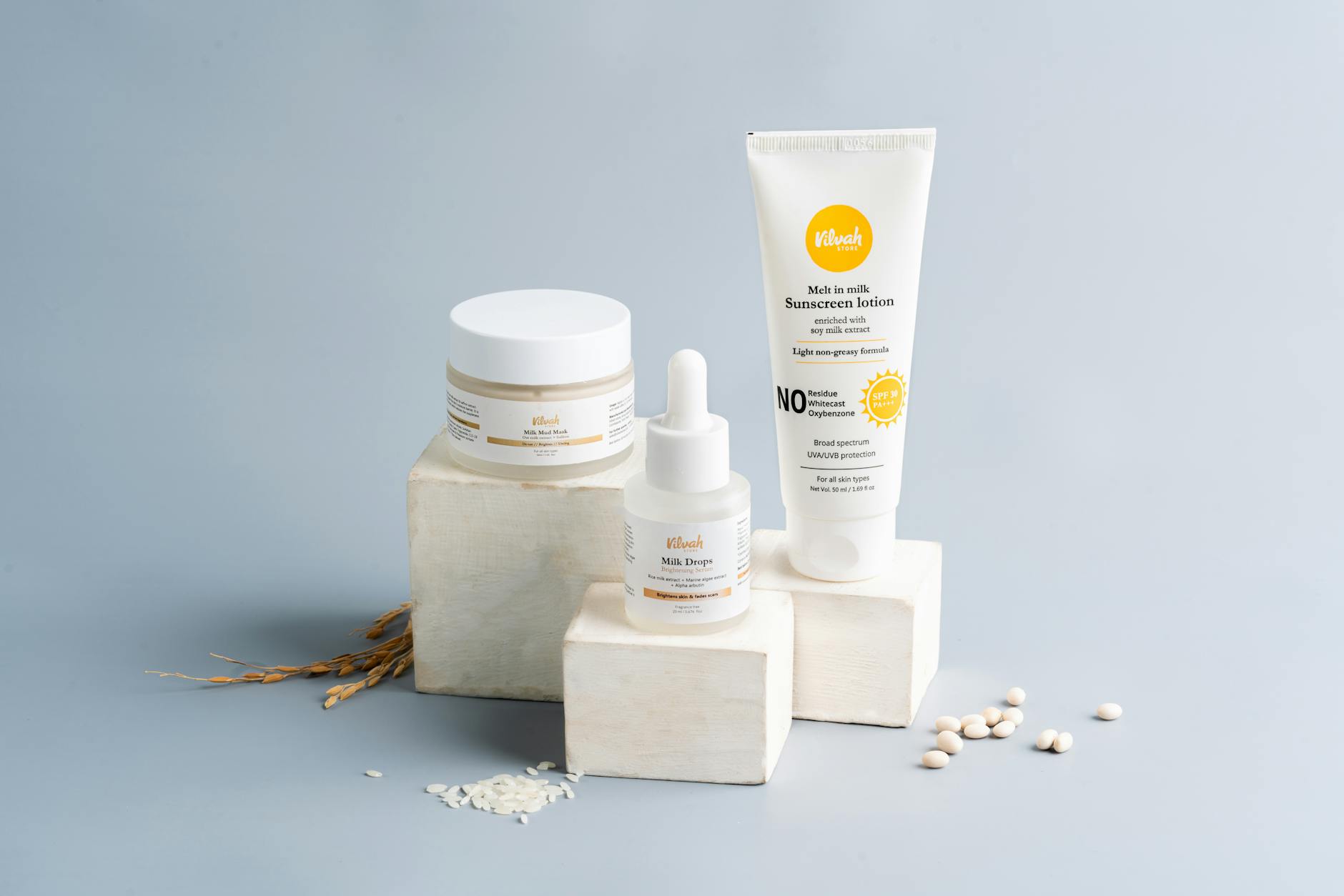
Several alternatives exist for treating post-acne hyperpigmentation, each with distinct pros and cons. Hydroquinone, a gold-standard depigmenting agent, works more aggressively than Lytera 2.0 and produces faster results, but it’s a prescription product, can cause irritation, and carries a small risk of paradoxical darkening (ochronosis) with prolonged use. Azelaic acid is gentler, has anti-inflammatory properties helpful for active acne and rosacea, and works well for post-inflammatory marks, but some people find it less potent than Lytera 2.0 for pure hyperpigmentation. Retinoids accelerate cell turnover and improve post-acne marks but work differently than Lytera 2.0’s melanin-inhibiting approach and can increase sun sensitivity.
For someone deciding between options, the choice depends on skin sensitivity and timeline. A person with sensitive skin and mild to moderate PIH might prefer azelaic acid’s gentleness, even if it works slightly slower. Someone with deeper skin tones and moderate to severe hyperpigmentation might get better results combining Lytera 2.0 with a professional brightening laser treatment rather than relying on topical treatment alone. Hydroquinone offers faster results but requires careful monitoring and isn’t appropriate for long-term maintenance use. Most dermatologists recommend Lytera 2.0 or similar multi-ingredient brightening serums as first-line topical treatments because they’re effective, relatively well-tolerated, and support overall skin health beyond just pigment correction.
Building a Comprehensive Post-Acne Recovery Routine Around Lytera 2.0
Using Lytera 2.0 effectively requires more than just applying the serum—it’s one component of a broader strategy to fade post-acne marks and prevent new ones. The regimen should include a gentle cleanser that doesn’t strip the skin, Lytera 2.0 applied to clean skin twice daily, a lightweight hydrating moisturizer to support barrier health, and crucially, SPF 30+ daily sunscreen. Some people add a retinoid (like retinol or tretinoin) to their evening routine 3-4 nights per week, which accelerates cell turnover and compounds the brightening effect, though retinoids should be introduced slowly and not immediately combined with Lytera 2.0 if the skin is sensitive. Others layer a hydrating serum beneath Lytera 2.0 if their skin is dry, since concentrated brightening serums can feel somewhat drying with extended use.
The outlook for post-acne hyperpigmentation continues to improve as more research supports combination approaches and professional-grade treatments become more accessible. At-home brightening devices, like certain LED light therapies, show promise as adjuncts to Lytera 2.0 for accelerating mark fading. For people who remain dissatisfied with results after 12-16 weeks of consistent use, professional treatments like laser therapy, microdermabrasion, or chemical peels remain highly effective and can be combined with ongoing topical treatment. The key insight is that post-acne marks are treatable, but patience and consistency are non-negotiable—expecting results in 2-3 weeks or skipping sun protection will derail progress and lead to frustration.
Conclusion
SkinMedica Lytera 2.0 is used for post-acne marks because it combines multiple scientifically-supported brightening ingredients—niacinamide, kojic acid, arbutin, and vitamin C—that work synergistically to inhibit melanin production and accelerate the fading of post-inflammatory hyperpigmentation. The product is most effective for flat, darkened marks that remain after acne resolves, particularly in darker skin tones where hyperpigmentation is more pronounced. Results typically appear within 8-12 weeks of consistent use, with full improvement taking 12-16 weeks when paired with strict sun protection.
Success with Lytera 2.0 depends on realistic expectations, consistent application, and understanding what the product can and cannot do. It addresses pigmentary changes but not textural scars; it works best on relatively fresh marks rather than long-established ones; and it requires sun protection to deliver meaningful results. For moderate to severe post-acne hyperpigmentation that doesn’t respond adequately to topical treatment alone, combining Lytera 2.0 with professional treatments like laser therapy provides a more comprehensive solution. Starting this treatment early in the post-acne healing journey and maintaining a supportive skincare routine maximizes the chances of significant improvement and clearer, more even-toned skin.