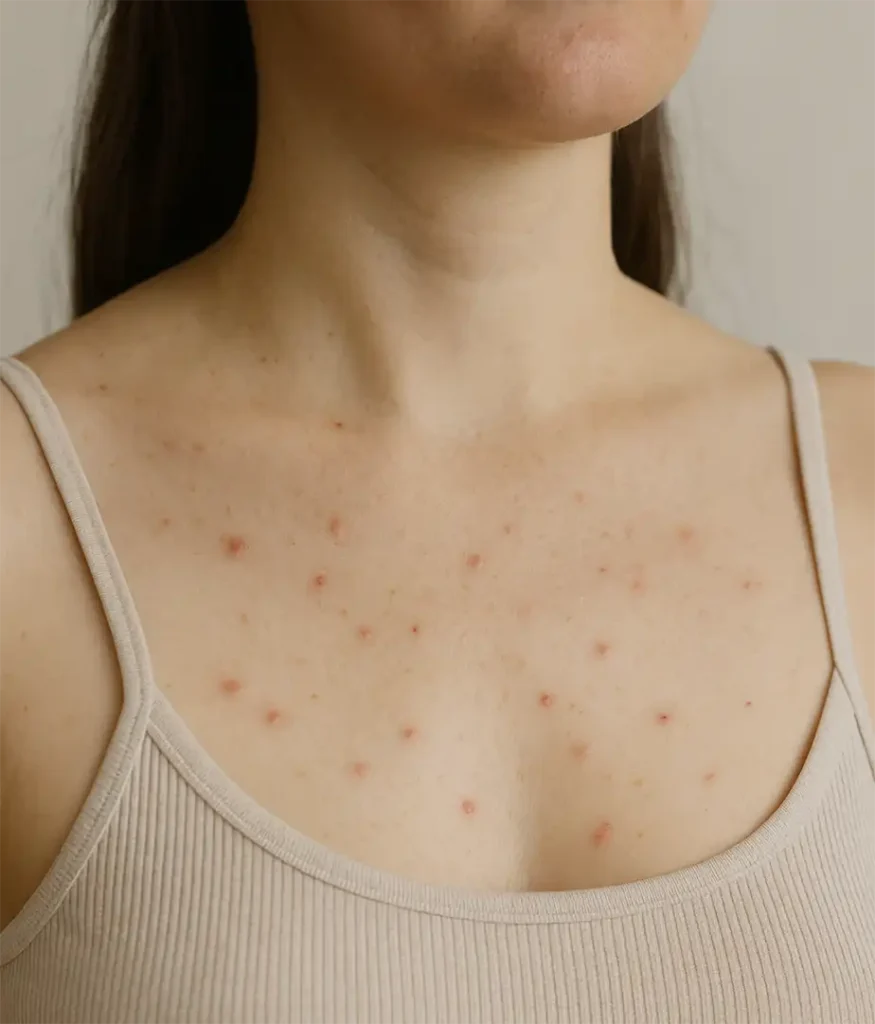
Why Skin Breaks Out Even Without Makeup
You might think skipping makeup keeps your skin clear, but breakouts can still happen from everyday factors inside your home and body. Acne forms when pores get clogged by excess oil, dead skin cells, and bacteria, leading to inflammation that creates pimples.[2][5]
Hormones play a big role, even without any cosmetics. Androgens, a type of hormone, make sebaceous glands produce more oil, which clogs pores especially along the jawline, chin, and cheeks. This happens during menstrual cycles, pregnancy, menopause, stress, or conditions like PCOS.[3]
Stress adds to it by raising cortisol levels, which boosts oil production and worsens inflammation.[3][2] Diet matters too. Foods high in sugar or dairy can spike insulin and androgens, indirectly causing more sebum and flare-ups.[3][2]
Home habits sneak in bacteria and irritants without you noticing. Dirty pillowcases trap oils and germs from your face and hair, blocking pores overnight.[1][2] Sharing towels spreads bacteria from others.[1]
Sleeping with wet hair lets moisture and products rub against your skin, creating a damp spot perfect for clogged pores near the temples.[1] Phone screens pick up dirt, oils, and germs, then press it into your cheeks during calls.[1][2]
Touching your face transfers oils and bacteria from your hands, often hitting the jaw and mouth area.[1] Scented laundry detergents leave fragrances on pillowcases and clothes that irritate skin and inflame pores.[1]
Skipping moisturizer when your skin feels oily backfires. Dry skin signals glands to make even more oil, deepening acne.[1][4] Overwashing or scrubbing too hard strips natural oils, causing rebound oiliness and irritation.[4][1]
Scented candles or room sprays release particles that settle on your skin, aggravating sensitive pores.[1] Sweat from workouts, combined with friction from clothes or masks, clogs pores on the back, chest, or face.[2]
Hair products or oils on the forehead can block pores there.[2] Sensitive skin reacts strongly to fragrances, weather shifts, or stress, turning into red inflammation that looks like acne.[6]
These triggers build up quietly, so gentle cleansing twice a day, clean linens, and balanced habits help keep pores clear.[2][4]
Sources
https://timesofindia.indiatimes.com/life-style/beauty/13-things-that-secretly-trigger-acne-at-home-and-cause-breakouts-number-3-is-shocking/articleshow/126224725.cms
https://www.doctorrogers.com/blogs/blog/acne-pimples-101-why-we-break-out-what-s-actually-going-on-and-how-to-handle-it-like-a-dermatologist
https://www.medicaldaily.com/hormonal-acne-adults-acne-causes-skin-hormones-explained-474128
https://www.daniadermatology.com/5-skincare-mistakes-that-can-make-acne-worse-in-dania-fl/
https://artofskincare.com/blogs/learn/acne-lesson-1-what-is-acne-and-why-do-i-have-it
https://worldofasaya.com/blogs/acne/how-to-identify-which-skin-type-causes-pimples