Why Skin Acts Differently in Different Climates
Your skin is your body’s largest organ and its first line of defense against the outside world. It keeps moisture in, germs out, and helps regulate your body temperature. But when you move to a new place with a different climate, your skin often reacts in surprising ways. Hot deserts, freezing winters, humid tropics, or high mountains each challenge your skin uniquely, triggering changes in how it looks and feels.
Start with cold, dry climates like winter in northern areas or high altitudes. Low humidity pulls water from your skin faster than normal, a process called transepidermal water loss. This makes the outer layer dry out, crack, and flake. The skin’s natural oils, which hold moisture, get stripped away, leaving it tight, itchy, and prone to redness. In extreme cold, blood vessels narrow to save heat, reducing blood flow and making skin pale or even bluish[4].
Switch to hot, sunny places like beaches or deserts. Intense ultraviolet radiation from the sun ramps up here. Your skin responds by producing more melanin, the pigment that darkens it to block harmful rays. People in high-altitude spots, such as Tibetans on the Qinghai-Tibetan Plateau, have evolved darker baseline skin and better tanning ability as an adaptation. A gene variant in their DNA boosts melanin under UV exposure, protecting against burns and damage[2]. But too much sun still causes oxidative stress, where reactive oxygen species harm cells, speed up aging, and weaken the skin barrier[1].
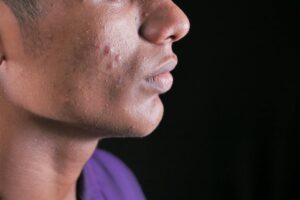
Humid tropical areas bring their own issues. High moisture can trap sweat and oils, leading to clogged pores, acne breakouts, and fungal infections. Heatwaves make skin sweat more, disrupting its balance and inviting bacteria. Rising humidity swings from climate shifts also mess with the skin’s microbiome, the helpful germs that keep it healthy, causing irritation or eczema flares[3].
Pollution often pairs with climate changes, worsening everything. Airborne particles and ozone create inflammation, break down the skin’s protective barrier, and increase sensitivity to allergens. In warmer, polluted cities, this leads to more dryness, rashes, and even infections as the skin lets in irritants more easily[1][3].
Heat and UV deplete antioxidants like vitamin E, leaving skin vulnerable to damage. Over time, this causes wrinkles, spots, and thinner skin from DNA harm and poor cell repair[1]. Your skin tries to adapt by thickening or shedding cells faster, but sudden shifts overwhelm it.
Genetics play a role too. Populations long exposed to certain climates develop traits like thicker skin in dry areas or oilier types in tropics. But for most of us traveling or relocating, these changes feel new and uncomfortable until the skin adjusts or you help it with lotions, sun protection, or hydration.
Sources
https://pmc.ncbi.nlm.nih.gov/articles/PMC12732634/
https://www.pnas.org/doi/abs/10.1073/pnas.2200421119
https://www.hilarispublisher.com/proceedings/environmental-dermatology-skin-health-impacts-of-climate-change-and-pollution-37568.html
https://ultimatebeautyhealth.com/blogs/news/how-climate-changes-after-a-move-can-affect-your-skin
https://www.lilixir.com/pages/climate-adaptive-botanical-skincare
https://pubmed.ncbi.nlm.nih.gov/41464454/?fc=None&ff=20251230083613&v=2.18.0.post22+67771e2