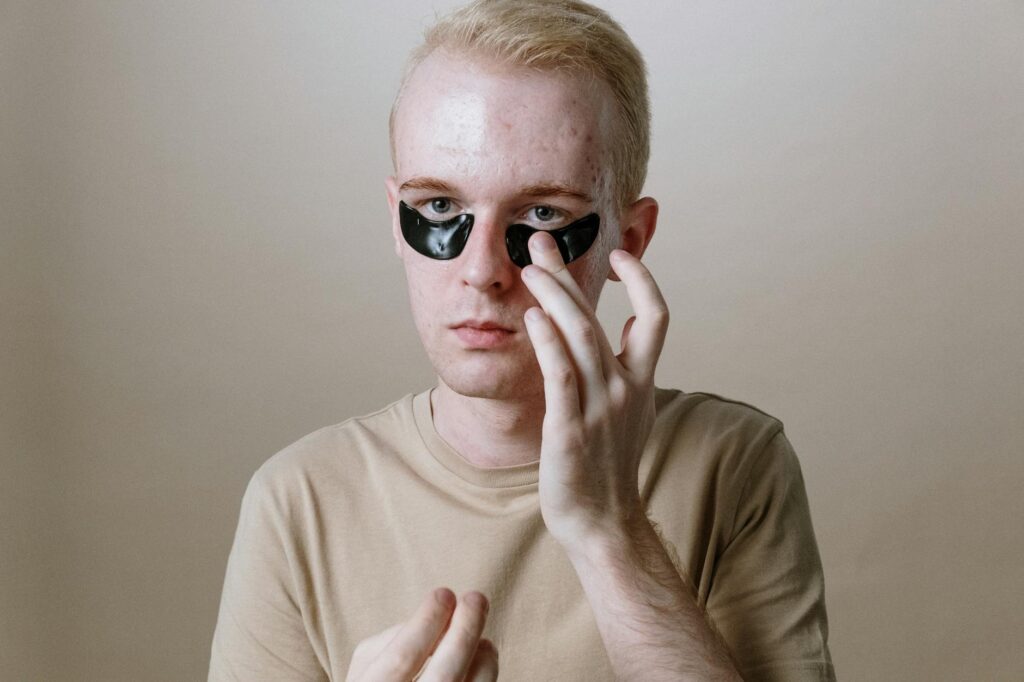
Red acne marks persist longer than other types of blemishes because they’re not actually scars in the traditional sense—they’re inflammatory responses that can linger for months or even years. When acne bacteria ruptures the follicle wall, your immune system floods the area with blood vessels and inflammatory cells to fight infection. These dilated blood vessels are what create that persistent red or purple discoloration. Unlike the actual scar tissue that forms after severe cystic acne, these vascular marks will gradually fade on their own as blood flow normalizes, but this process can take anywhere from 3 to 12 months depending on how deep the inflammation went and how aggressively you treat it.
This article covers why your body creates these marks, why they’re so stubborn, and the most effective evidence-based methods to accelerate their fade. Red marks (also called post-inflammatory erythema or PIE) are different from post-inflammatory hyperpigmentation, the dark spots that appear on deeper skin tones. While hyperpigmentation fades relatively quickly with sun protection and exfoliation, red marks require strategies that specifically target vascular inflammation and collagen remodeling. Understanding this distinction is crucial because treating them the wrong way—like over-exfoliating or using harsh products—can actually extend the redness by perpetuating the inflammatory cycle.
Table of Contents
- What Causes Red Acne Marks to Stick Around So Long?
- How Skin Tone and Skin Type Affect Mark Visibility and Duration
- The Role of Collagen Remodeling in Mark Fading
- Evidence-Based Treatments That Actually Accelerate Fading
- Why Certain Popular Treatments Don’t Work for Red Acne Marks
- Laser and Professional Treatments for Stubborn Red Marks
- Why Prevention During Active Acne Is Your Best Long-Term Strategy
- Conclusion
- Frequently Asked Questions
What Causes Red Acne Marks to Stick Around So Long?
Red acne marks are fundamentally a vascular issue. When you develop acne, bacteria and dead skin cells trigger an immune response that dilates nearby blood vessels to deliver healing white blood cells. These vessels don’t immediately contract after the acne heals—they can remain enlarged for months, creating that frustrating red or purple tone. The reason they persist so long is that your body has no biological incentive to shrink them faster. Unlike an open wound where there’s a clear “healing complete” signal, these dilated capillaries just gradually normalize over time as inflammation subsides and collagen remodeling occurs beneath the skin.
The timeline depends significantly on how deep the original acne went. Superficial whiteheads that stayed in the epidermis create marks that typically fade within 3 to 6 months. However, deeper inflamed papules or nodules that extended into the dermis trigger more extensive vascular dilation and can remain red for 6 to 12 months or longer. This is why severe acne sufferers often report that their skin still looks red months after their breakout is technically cleared—their body is still processing the deeper inflammation. Additionally, continued picking or re-irritation of the area restarts the inflammatory clock, which is why dermatologists consistently warn against touching healing acne.
How Skin Tone and Skin Type Affect Mark Visibility and Duration
Interestingly, red marks appear far more noticeable on fair and light olive skin tones because the contrast between normal skin and red vessels is stark. On deeper skin tones, the same vascular dilation might appear brownish or purple rather than bright red, which sometimes makes people assume it’s hyperpigmentation when it’s actually the same type of vascular inflammation. However, if this assumption leads to using only brightening treatments without addressing the underlying vascular component, the mark will take longer to fade. This mismatch between appearance and actual pathology is a common reason why people don’t see results with their acne mark treatments.
Skin type also plays a role in mark longevity. People with oily skin often have more active sebaceous glands and potentially more aggressive inflammatory responses to acne bacteria, which can create more pronounced vascular dilation. Conversely, people with dry or sensitive skin may have compromised barrier function that allows irritation to spread more easily, potentially creating larger areas of redness from a single blemish. However, if X then Y: if you have sensitive skin, overly aggressive treatments for red marks (like intense laser therapy or strong retinoids) can actually worsen inflammation in the short term, potentially extending the mark’s lifespan rather than reducing it.
The Role of Collagen Remodeling in Mark Fading
Beneath the red discoloration, your skin is actively remodeling collagen and elastin fibers. When acne damages the dermis, fibroblasts are activated to rebuild the structural proteins that were destroyed. This remodeling process typically takes 6 to 12 months to complete, and during this time, the area remains vascular as fresh blood flow supports the rebuilding. Red marks fade faster when collagen is being laid down efficiently, which is why treatments that support collagen synthesis—like vitamin C, niacinamide, and retinoids—can meaningfully accelerate the process.
A real-world example: two people with identical-looking red acne marks might see very different fade timelines. The person who uses a retinoid and vitamin C serum during the healing window might see their mark fade to barely noticeable within 4 to 5 months, while someone who only uses sunscreen and moisturizer might wait 8 to 10 months for the same improvement. The difference isn’t luck—it’s that the retinoid is actively signaling fibroblasts to accelerate collagen synthesis, while vitamin C provides antioxidant support and stabilizes the new collagen being formed. This doesn’t mean the mark would never fade without these treatments, but the timeline is genuinely shortened.

Evidence-Based Treatments That Actually Accelerate Fading
The most effective approach combines multiple mechanisms: reducing ongoing inflammation, supporting collagen synthesis, and improving vascular tone. Topical retinoids (retinol, retinaldehyde, or prescription retinoids like adapalene) are the gold standard because they hit all three: they reduce sebum production to prevent new acne, they accelerate cell turnover, and they signal fibroblasts to produce new collagen. Start with a lower concentration if your skin is sensitive, as retinoids can initially cause irritation that might make redness temporarily worse before it improves.
Azelaic acid is particularly valuable because it has both anti-inflammatory and antibacterial properties, and it directly reduces redness in a way that other exfoliants don’t. A comparison between options: azelaic acid works on inflammation itself (the cause), while niacinamide works on barrier function and sebum regulation (supporting factors). Using them together can be more effective than using either alone, though if your barrier is compromised from recent acne, starting with niacinamide-focused products first, then adding azelaic acid, is often a better progression than doing both immediately. Niacinamide is also gentler on active acne, so it’s the safer starting point if you still have breakouts occurring alongside the red marks.
Why Certain Popular Treatments Don’t Work for Red Acne Marks
Many people assume that because red marks look like discoloration, heavy-duty exfoliation will help. This is a limitation worth understanding: mechanical exfoliation and chemical exfoliants (AHAs/BHAs) actually target the outermost layers of skin and are most effective for textural changes and surface pigmentation. Red marks are vascular—they exist in the deeper layers where exfoliation has minimal impact. Overexfoliating in an attempt to treat red marks is not only ineffective but actively harmful because it compromises the skin barrier and perpetuates inflammation, potentially keeping marks red longer.
This is a real warning: someone who aggressively exfoliates their acne-prone skin every day might notice their red marks lasting twice as long as someone who uses a gentle routine. Similarly, vitamin C serums alone won’t solve red marks, even though vitamin C is crucial for collagen synthesis. Vitamin C works best as part of a comprehensive routine that includes barrier-supporting ingredients and treatments that directly address vascular inflammation. The limitation here is that many people buy an expensive vitamin C serum, use it for a few months, see minimal change in their red marks, and abandon the approach. However, if they had paired it with a retinoid and niacinamide, they’d likely see much better results because each ingredient addresses a different mechanism of mark persistence.
Laser and Professional Treatments for Stubborn Red Marks
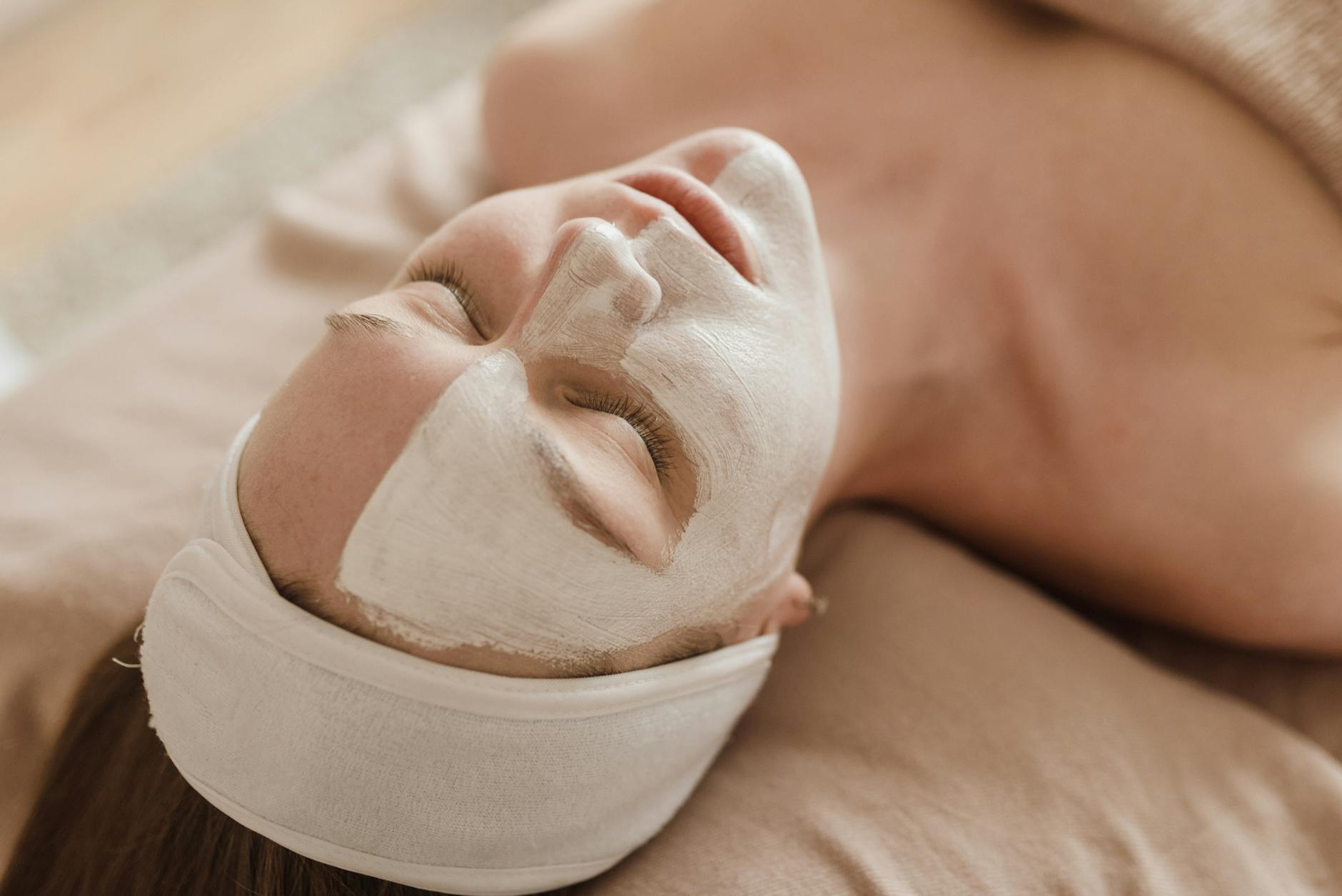
For marks that don’t respond to topicals within 6 to 8 months, professional treatments like IPL (intense pulsed light), laser therapy, or LED light therapy can accelerate fading. These treatments work by targeting the hemoglobin in dilated blood vessels, causing them to collapse and be reabsorbed by the body. IPL is particularly effective because it can treat larger areas and works well on fair to medium skin tones.
An example: someone with significant redness across their cheeks and jawline from past breakouts might see 50 to 70 percent improvement in 3 to 4 laser sessions spaced several weeks apart, whereas topical treatments alone might have taken 6 to 12 months for the same improvement. LED light therapy (particularly red light at 630nm wavelengths) is a lower-intensity option that can be done at home or in a professional setting. It’s less dramatic than laser but also has no downtime and is suitable for all skin tones. The tradeoff is that LED requires consistent weekly use for 8 to 12 weeks to see meaningful results, whereas professional laser treatments show faster results in fewer sessions but cost significantly more and may have temporary redness and swelling afterward.
Why Prevention During Active Acne Is Your Best Long-Term Strategy
The most effective approach to red marks is never getting them in the first place. Since red marks form due to inflammatory acne, treating acne aggressively and preventing picking are the real keys to minimizing mark formation. Using a solid acne regimen—benzoyl peroxide, salicylic acid, niacinamide, and azelaic acid—means fewer lesions reach the inflammatory stage where they create the vascular damage that leads to lingering red marks.
Someone who clears their acne with these treatments will have a much easier time than someone who lets acne progress until it’s severe. Looking forward, the skincare industry is developing topical compounds that specifically inhibit vascular endothelial growth factor (VEGF), which is the signaling molecule that drives blood vessel formation during inflammation. These treatments are still mostly in development or available through dermatologists, but they represent a shift toward addressing the root cause of red marks rather than just waiting for them to fade naturally. In the meantime, understanding that red marks are inflammatory-vascular in nature—not pigmentation issues or scar tissue—guides you toward treatments that actually work rather than approaches that miss the target entirely.
Conclusion
Red acne marks last longer than other blemishes because they represent prolonged vascular inflammation rather than permanent scar tissue or pigmentation changes. The timeline for natural fading is typically 3 to 12 months, but this can be significantly shortened—to 2 to 4 months in many cases—by using retinoids, azelaic acid, niacinamide, and vitamin C to support collagen remodeling and reduce inflammatory signaling.
The key is understanding that these are vascular marks requiring targeted approaches, not pigmentation marks requiring bleaching treatments. Your best strategy is threefold: first, prevent new marks by treating active acne aggressively; second, support the skin’s natural healing processes with evidence-based topicals during the months when marks are fading; and third, consider professional laser or IPL treatments if marks persist beyond 6 to 8 months. Patience combined with smart ingredient choices beats waiting passively, and understanding the actual biology of red marks helps you avoid wasting money on treatments that don’t address the underlying mechanism.
Frequently Asked Questions
Will red acne marks eventually disappear on their own?
Yes, but it can take 6 to 12 months or longer depending on the depth of inflammation. Using targeted treatments like retinoids and azelaic acid can cut this timeline in half, but spontaneous fading does occur as your body gradually shrinks dilated blood vessels and completes collagen remodeling.
Can I use retinoids if I still have active acne alongside red marks?
Yes, retinoids are actually beneficial for active acne. Start with a lower concentration (0.25 to 0.3 percent retinol or adapalene) to minimize irritation, and introduce it gradually. The retinoid will help both clear current breakouts and fade marks from past acne simultaneously.
Are red marks the same as acne scars?
No. Red marks are vascular inflammation and will eventually fade completely. Acne scars are permanent textural changes (indented or raised) in the skin from severe damage to collagen. They require different treatments—red marks fade over time with topicals, while scars typically need professional procedures like microneedling or laser resurfacing.
Why do my red marks get worse when I exfoliate?
Over-exfoliation damages your skin barrier and perpetuates inflammation, which keeps blood vessels dilated longer. Gentle exfoliation is fine, but aggressive scrubbing or daily chemical peels can actually extend how long marks stay red.
How long do professional laser treatments take to work on red acne marks?
Most people see 40 to 60 percent improvement after 2 to 3 sessions spaced 4 to 6 weeks apart. Full fading typically requires 3 to 5 sessions depending on mark severity and skin tone. Results are often visible 2 to 4 weeks after each session as treated blood vessels are reabsorbed.