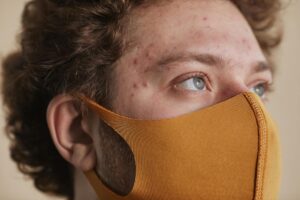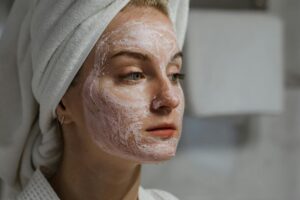
Post-acne red marks are difficult to treat primarily because of a biological mechanism called Post-Inflammatory Erythema (PIE)—the persistent dilation of small blood vessels (capillaries) under the skin that remain widened long after the acne itself has healed. During active breakouts, your body sends extra blood to inflamed areas to fight the infection and repair tissue damage. Once the acne clears, these capillaries often fail to return to their original, narrower diameter, leaving visible red or pink marks that can persist for months or even years without professional intervention.
This article explores why PIE resists quick fixes, how the healing process works against faster recovery, and what realistic treatment options actually exist for fading these stubborn marks. The challenge with treating PIE isn’t that we lack technology—it’s that we’re fighting biology itself. The body’s process of rebuilding damaged blood vessels and normalizing tissue is inherently slow, and it resists pharmaceutical shortcuts. This is why someone who clears their acne in six weeks might still have noticeable red marks eighteen months later, and why many common skincare products marketed for “acne scar removal” simply don’t work on PIE.
Table of Contents
- What Causes Post-Acne Red Marks to Persist
- Why the Healing Timeline Is So Long
- Why Standard Skincare Products Fall Short
- Professional Treatments and Why Multiple Sessions Matter
- The Challenge of Persistent Capillary Dilation
- How Skin Thinning During Healing Complicates the Picture
- Prevention and Managing Future Risk
- Conclusion
What Causes Post-Acne Red Marks to Persist
The root cause of post-acne redness involves inflammation’s lingering effects on your circulatory system. When acne bacteria triggers an immune response, blood vessels in the affected area dilate—expand—to allow more blood flow to the site. This increased circulation is your body’s way of delivering white blood cells and healing nutrients to fight the infection. However, once the acne resolves, these capillaries don’t always “remember” their pre-acne size. They remain dilated, essentially stuck in an expanded state, which makes the underlying blood visible through the skin’s surface and creates that characteristic red or pink appearance.
What makes this particularly stubborn is that the dilation isn’t usually due to permanent structural damage to the vessels themselves—it’s more often a functional problem where the vessels have lost their elasticity or the inflammatory signals that triggered the dilation haven’t fully resolved. This is why PIE is considered reversible in theory, yet the timeline for natural reversal can stretch across months or years. A person with deep cystic acne that caused significant inflammation might experience red marks that last substantially longer than someone whose breakouts were mild and superficial. The appearance of these marks is amplified during and immediately after healing because the skin becomes thinner in these areas. As the epidermis (outer skin layer) repairs itself from acne damage, it temporarily becomes even more transparent than normal, making already-dilated blood vessels appear even more prominent. This creates a paradox: as your skin is actively healing, the red marks often look worse before they look better.
Why the Healing Timeline Is So Long
Post-Inflammatory Erythema can persist for months to years, and this extended timeline frustrates many people because it seems disconnected from how quickly the acne itself disappeared. The disconnect exists because acne healing and capillary normalization are two separate biological processes. Your skin can completely clear of active breakouts while your blood vessels are still in a state of dysfunction. The healing process resists acceleration because it depends on the body’s natural ability to rebuild and remodel tissue.
There’s no pharmaceutical intervention that can force blood vessels to shrink faster—the body simply must regenerate the elastic fibers and smooth muscle that allow capillaries to contract properly. During this time, factors like continued sun exposure, heat, spicy foods, exercise, and even stress can cause temporary dilation of already-inflamed vessels, making the red marks appear worse on certain days. This variability in appearance can be misleading; the marks might look significantly better on a cool morning but noticeably darker after a workout or in warm weather. However, if someone has deep structural damage to the dermis (the layer of skin beneath the epidermis), the timeline extends even further because that layer heals more slowly than the outer epidermis. This is why individuals with severe cystic or nodular acne often report that their red marks take longer to fade than those of people with moderate acne.
Why Standard Skincare Products Fall Short
Over-the-counter skincare products marketed for “acne scars” or “post-acne marks” have limited effectiveness against PIE because they’re designed to address surface-level concerns like discoloration or texture, not the underlying vascular problem. Most topical creams cannot penetrate deeply enough to affect capillary function, and ingredients that might reduce general inflammation (like niacinamide or centella asiatica) don’t specifically target the dilation mechanism that defines PIE. some products may provide modest improvements in skin texture or very minor reduction in redness, but these effects are typically marginal and require months of consistent use to become noticeable. The most honest skincare ingredient data shows that topical treatments can complement professional treatments but rarely eliminate PIE on their own. Someone using a niacinamide serum religiously while their capillaries remain dilated will see minimal improvement; the product is addressing inflammation, but not the vascular component that’s creating the visible redness.
This is why dermatologists distinguish between PIE (redness from vascular dilation) and other post-acne concerns like hyperpigmentation (dark marks) or textural scarring (indented or raised scars). Each requires a different approach. Hyperpigmentation might respond to vitamin C or hydroquinone. Textural scars might improve with retinoids or microneedling. But PIE specifically requires interventions that directly affect blood vessel behavior—and those typically must be delivered by professional equipment.
Professional Treatments and Why Multiple Sessions Matter
Laser therapy and light-based treatments are among the most effective options for PIE because they target hemoglobin—the protein in blood that gives red marks their color. When laser energy hits hemoglobin, it generates heat that can cause capillaries to contract and close, reducing blood flow to the area and decreasing visible redness. However, most individuals don’t see significant results from a single treatment session. The typical treatment protocol involves 4-6 sessions spaced 4-6 weeks apart. Why multiple sessions? Because a single laser treatment closes some of the affected capillaries, but not all of them. The body also begins to regenerate and remodel blood vessels after treatment, and subsequent sessions can target any remaining dilated vessels.
Additionally, each treatment session causes controlled injury to the tissue, triggering the body’s healing response and further promoting natural collagen remodeling. The cumulative effect of multiple treatments, combined with the body’s ongoing natural healing between sessions, produces results that a single session cannot achieve. A person might see 20-30% improvement after session one, then another 30-40% after session two or three, with diminishing returns thereafter. The cost of professional treatment—typically $300-$1,000+ per session, depending on the extent of marks and the specific technology used—makes this a significant financial commitment. Microneedling, another popular option that creates controlled micro-injuries to stimulate collagen production and reduce vascular visibility, follows a similar pattern of requiring multiple sessions with gradual improvement. The limitation is clear: professional treatments work, but they require time, multiple visits, and financial investment.
The Challenge of Persistent Capillary Dilation
Even after professional treatment, the underlying biology creates a persistent challenge: the capillaries don’t always remain in their contracted state indefinitely. Some individuals experience partial re-dilation of treated vessels weeks or months after treatment concludes, requiring touch-up sessions. This happens because the inflammatory signals that originally triggered the dilation may not be entirely resolved, or because the vessels’ tendency toward dilation is simply more pronounced in certain individuals—possibly due to genetics, skin type, or baseline capillary sensitivity. This is a critical limitation that dermatologists emphasize but that many people don’t realize when starting treatment: achieving significant improvement in PIE is possible, but completely eliminating all visible redness may not be.
Some individuals can reduce their red marks by 70-80% with aggressive professional treatment, achieving results that are barely noticeable. Others might reduce them by 40-50%, which is still meaningful but leaves visible pink marks that become apparent in certain lighting. Factors like skin tone, the depth of the original acne inflammation, and individual healing capacity all influence final outcomes. Additionally, during the healing and treatment process, continued exposure to triggers that increase blood flow—intense exercise, heat, spicy foods, alcohol—can slow progress or cause temporary flare-ups of redness. This means managing PIE often requires lifestyle adjustments alongside professional treatment, which is a reality that many people underestimate when beginning their treatment journey.

How Skin Thinning During Healing Complicates the Picture
As mentioned earlier, the paradox of PIE is that skin becomes temporarily thinner during the healing phase, which makes red marks appear worse before they appear better. This thinning occurs because the body is remodeling the epidermis and dermis, breaking down some existing structures to rebuild them in a stronger configuration. During this remodeling window—which can last weeks to months—blood vessels that are just beneath this thinner skin appear more visible, creating the impression that the marks are worsening.
This temporary worsening can discourage people from continuing with treatments or maintaining hope during the healing process. Someone might complete a laser session, see the marks look darker for two weeks, and assume the treatment failed when in reality their skin is simply in an active healing phase where thinning temporarily amplifies vascular visibility. Knowing that this temporary darkening is actually a sign of active healing—rather than treatment failure—helps people persist through the process and wait for the results that typically emerge over the following 4-8 weeks as the skin rebuilds and thickens.
Prevention and Managing Future Risk
While post-acne red marks are primarily a consequence of having had acne—not a reflection of skincare failures—understanding the mechanisms behind PIE can inform prevention strategies for future breakouts. The severity and duration of PIE are partially influenced by how severe the inflammation becomes during the acne phase itself. Using anti-inflammatory skincare (like salicylic acid or azelaic acid) during active breakouts, avoiding picking or squeezing acne (which increases inflammation and tissue damage), and treating acne aggressively to minimize the inflammatory window can all contribute to less severe PIE afterward.
For the future, it’s also worth noting that advances in laser and light-based technologies continue to evolve. Newer devices with better targeting mechanisms and shorter wavelengths are becoming available, potentially offering faster results or improved effectiveness. However, the fundamental biological challenge remains: treating PIE will always require time because the body’s vascular remodeling process cannot be rushed beyond its natural pace.
Conclusion
Post-acne red marks are difficult to treat because they involve a slow biological process of vascular remodeling that resists quick pharmaceutical solutions. Post-Inflammatory Erythema is caused by dilated capillaries that fail to return to their pre-acne diameter, and reversing this condition requires either waiting for natural healing (months to years) or pursuing professional interventions like laser therapy or microneedling (which also take months but accelerate the timeline). The temporary thinning of skin during healing creates a paradox where marks often appear worse before they improve, and the cumulative effect of multiple treatment sessions—rather than a single intervention—is what produces meaningful results.
Understanding why PIE is resistant to treatment can actually help set realistic expectations and reduce frustration. If you’re currently dealing with post-acne redness, know that you’re not failing at skincare—you’re waiting for your body to complete a biological process that simply takes time. Whether you choose to wait for natural healing or pursue professional treatment, the path forward requires patience, and the results, while gradual, are usually achievable with consistent effort.