
Polarized light photography reveals Post-Inflammatory Erythema (PIE)—the persistent redness that lingers after acne heals—far more effectively than standard white-light photos because it eliminates the glare that masks subsurface inflammation. Cross-polarized imaging works by filtering out specular reflections (the surface shine that washes out detail), which allows the camera to capture back-scattered light from deeper skin layers where the erythema actually lives. This fundamental difference in how light interacts with skin means a dermatologist or skincare professional can see the true extent of redness, the underlying blood vessels causing discoloration, and the actual area affected—information that standard photos simply cannot provide. This article explains the technical advantages of polarized light photography, why PIE detection specifically benefits from this imaging method, and how this matters for tracking your skin’s healing progress.
Table of Contents
- How Does Cross-Polarized Light Reveal More Detail Than Standard Photography?
- Why Is PIE Detection Specifically Better with Cross-Polarized Imaging?
- How Are Dermatologists Using Cross-Polarized Photography in Clinical Practice?
- Implementing Cross-Polarized Photography in Your Skincare Routine
- Limitations and Considerations When Using Cross-Polarized Photography
- Cross-Polarized Photography and Skin Tone Considerations
- The Future of Dermatological Photography and PIE Assessment
- Conclusion
How Does Cross-Polarized Light Reveal More Detail Than Standard Photography?
Standard white-light photography captures the light that bounces directly off the skin’s surface, which creates glare and obscures the layers beneath. This surface-level view is fine for documenting texture or obvious discoloration, but it misses the subsurface inflammation that defines PIE. Cross-polarized (XP) light photography uses a different principle: the camera is equipped with a polarizing filter that blocks the light reflecting directly off the skin surface while allowing the light that has penetrated deeper and scattered back to pass through. The result is dramatic—glare disappears, erythema becomes vivid, and the contrast between inflamed and normal skin increases sharply.
The technical advantage is measurable. Cross-polarized imaging significantly reduces specular reflections, resulting in three distinct improvements: decreased glare that no longer washes out detail, enhanced visualization of erythema by capturing light from deeper blood vessels, and increased contrast between lesions and the surrounding skin. For someone with PIE, this means the redness that might look like a faint discoloration in a standard photo appears with clear definition in a cross-polarized image. A patient comparing side-by-side photos often sees the difference immediately—the polarized version reveals the true severity of their erythema, which standard photography downplayed.

Why Is PIE Detection Specifically Better with Cross-Polarized Imaging?
Post-Inflammatory Erythema is fundamentally a subsurface problem. When acne resolves, the inflammation doesn’t disappear instantly—blood vessels dilate and remain visible beneath the skin‘s surface, creating redness that can persist for months or years. Standard photographs, which capture mostly surface reflections, struggle to show this. The glare from the skin surface interferes with the visibility of the redness underneath, making PIE appear lighter or less extensive than it truly is. Cross-polarized photography solves this by cutting through that glare and exposing the chromophores (the blood-containing cells and hemoglobin) responsible for the red color.
The enhanced contrast in cross-polarized images also improves reproducibility, meaning the same area of skin photographed on different days with cross-polarized light will show consistent results, regardless of lighting conditions or camera angle variation. This is crucial for tracking healing. If you’re monitoring whether your PIE is fading over three months, cross-polarized photos provide a reliable baseline. However, cross-polarized photography is less effective for documenting surface texture or shallow scars—those features can appear flattened in cross-polarized images because the technique emphasizes depth over surface detail. For comprehensive documentation, dermatologists often use both standard and cross-polarized photos together.
How Are Dermatologists Using Cross-Polarized Photography in Clinical Practice?
Medical professionals now consider cross-polarized photography an essential component of standardized clinical photography protocols. The recommendations extend across all skin tones, which is particularly important because standard white-light photography historically performed poorly on darker skin, where glare and reflections made erythema harder to visualize. Cross-polarized imaging reduces this disparity—the technology works equally well whether your skin is fair or deeply pigmented. Clinicians use cross-polarized photos for three primary purposes: documenting baseline erythema severity at the start of treatment, tracking disease progression over time, and creating reproducible records for scientific publication or interprofessional communication.
An example illustrates the practical impact: a patient with moderate PIE might attend a follow-up appointment after three months of treatment. The standard photo from the initial visit appears to show intense redness, while the follow-up standard photo looks only slightly lighter. But when a dermatologist compares cross-polarized versions of the same images, the improvement becomes unmistakable—the erythema has genuinely faded, but this improvement was difficult to see in the standard photos because both were affected by varying amounts of surface glare. This clarity matters for patient confidence and for adjusting treatment plans appropriately. High-resolution cross-polarized photography also allows for quantitative assessment, where dermatologists can measure the exact area and intensity of erythema using specialized software, providing objective data rather than subjective impression.
Implementing Cross-Polarized Photography in Your Skincare Routine
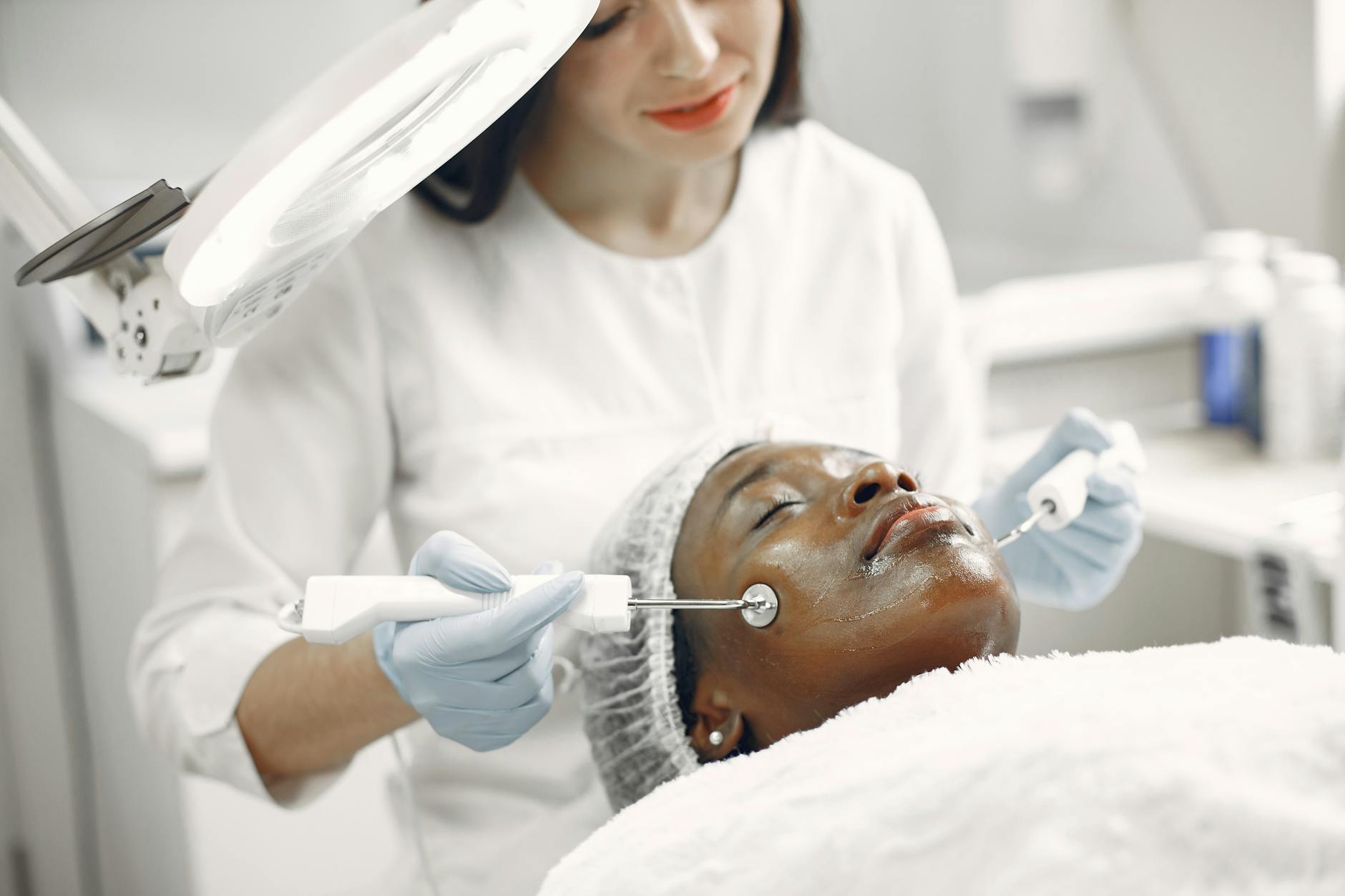
If you’re tracking PIE at home, cross-polarized imaging is unfortunately not accessible with a standard smartphone camera—you need a dedicated camera system with cross-polarized filters, which is why dermatologists use these cameras in clinical settings. However, understanding the principle matters for your own documentation. If your dermatologist offers cross-polarized photos, request them. They’re particularly valuable if you’re considering treatment options like laser therapy, light-based treatments, or topical medications, because cross-polarized baseline photos will show your true erythema severity and allow accurate measurement of improvement.
The tradeoff between cross-polarized and standard photography is simplicity versus detail. Standard photos are easier to capture, require less equipment, and show color the way your eye perceives it in natural light—useful for overall appearance and comparison to how your skin looks in daily life. Cross-polarized photos require specialized equipment but reveal the subsurface inflammation that matters most for clinical decision-making. A best-practice approach is having both: standard photos for personal documentation and perspective, and cross-polarized clinical photos for tracking erythema specifically. Some dermatology offices now offer telehealth consultations where you can send your own standard photos for initial assessment, then receive cross-polarized clinical photos at in-office visits for definitive evaluation.
Limitations and Considerations When Using Cross-Polarized Photography
Cross-polarized imaging is superior for erythema detection, but it has blind spots. The technique emphasizes subsurface vascularization and inflammation, which means shallow surface features—minor textural irregularities, fine surface discoloration that doesn’t involve deep vasculature, or very early-stage inflammatory lesions—may not show clearly. Additionally, cross-polarized photos can make post-acne scars appear less defined than in standard photos, because the filter removes some of the shadow detail that highlights textural depressions. If you have both PIE and scarring, you need both imaging methods to fully assess your situation.
Another consideration is that cross-polarized photography requires consistent technique. The angle of the light source, distance from the skin, and camera settings must be standardized to create truly comparable images over time. A single cross-polarized photo taken casually at home won’t have the same reliability as clinical cross-polarized photos taken by a dermatologist using calibrated equipment. This is why dermatologists store and compare images from the same camera system—it ensures that any changes you see between visits reflect actual skin changes, not variations in photography technique.
Cross-Polarized Photography and Skin Tone Considerations
Standard white-light photography has historically underperformed on darker skin tones. The glare and reflection off darker skin can obscure erythema visibility, and the camera’s white balance may not accurately represent true skin tone. Cross-polarized photography addresses this gap. By eliminating surface glare, the technique reveals erythema with equal clarity regardless of baseline skin pigmentation.
This means cross-polarized imaging is not just better for PIE detection in general—it’s a equity issue for skincare documentation. Patients with darker skin tones who might have been underserved by standard photography protocols now have access to imaging that shows their erythema as clearly and accurately as it appears in patients with fair skin. This improvement in standardization across skin tones has influenced dermatological best practices. Current guidelines recommend cross-polarized light examination specifically to ensure that erythema assessment is reproducible and fair for all patients, regardless of skin color. When you request clinical photos from your dermatologist, mentioning that you want cross-polarized imaging ensures you receive the most accurate documentation possible.
The Future of Dermatological Photography and PIE Assessment
As digital dermatology expands, cross-polarized photography is becoming more integrated into remote consultations and follow-up care. Some advanced systems now include AI-assisted analysis of cross-polarized images to quantify erythema area and intensity automatically, removing subjective interpretation. This is particularly valuable for tracking PIE over long periods, where even trained clinicians can have difficulty comparing photos from several months apart.
The combination of standardized cross-polarized imaging and automated measurement may eventually become the baseline for erythema assessment across the field. The recognition that cross-polarized photography is superior for PIE detection has also driven development of more accessible equipment. While dermatology-grade systems remain expensive, the principle is becoming better understood by skincare practitioners and aesthetic clinics, and more of these facilities now offer cross-polarized documentation. This democratization means you’re more likely to receive cross-polarized photos at your next dermatology or skincare visit, even at clinics that didn’t offer this service five years ago.
Conclusion
Polarized light photography shows PIE more clearly than standard photos because it eliminates surface glare and reveals the subsurface inflammation—the dilated blood vessels and erythema deep in the skin—that standard imaging obscures. The enhanced contrast, reduced reflections, and improved visibility of chromophores make cross-polarized imaging the superior choice for erythema detection across all skin tones and the standard approach recommended in contemporary dermatological photography protocols. If you’re tracking Post-Inflammatory Erythema as it heals, requesting cross-polarized clinical photos from your dermatologist ensures you have accurate, reproducible documentation that truly reflects your erythema severity and healing progress.
Your next step is straightforward: ask your dermatologist or skincare provider whether they offer cross-polarized photography for clinical documentation. If they do, request it for your baseline photos and any follow-up visits, especially if you’re considering treatment or monitoring erythema resolution over time. If they don’t currently offer cross-polarized imaging, understand that standard photos remain useful, but that a provider who can deliver both standard and cross-polarized documentation will give you the clearest picture of your skin’s true condition and healing trajectory.