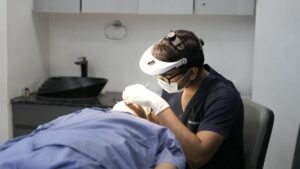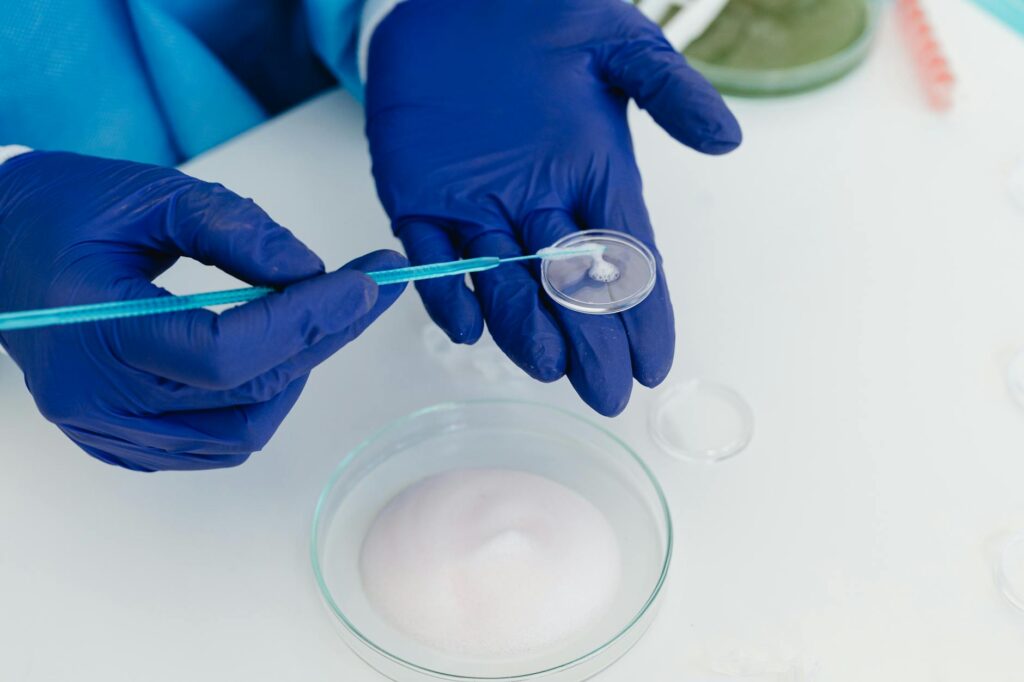
Bellafill’s permanence for scar treatment comes down to one specific material: polymethylmethacrylate (PMMA) microspheres. Unlike hyaluronic acid fillers that your body absorbs within 6-12 months, PMMA microspheres are biologically inert plastic spheres that remain in place indefinitely. Your body cannot break them down because your immune system recognizes them as foreign but harmless—similar to how a splinter sits under your skin without being absorbed. This permanence is what sets Bellafill apart from temporary filler options. The article covers how PMMA works at a cellular level, what happens to it over time, how it performs on different scar types, realistic expectations for longevity, and what limitations you should know before considering the treatment.
The key to understanding Bellafill’s permanence lies in the chemistry of PMMA itself. These microspheres are roughly 20-40 microns in diameter and made from a type of plastic that doesn’t degrade through normal biological processes. When injected into depressed scars, they act as a physical scaffold that lifts the indented area and triggers your body’s natural collagen production around them. Your collagen encapsulates the microspheres over weeks and months, which creates a dual benefit: the permanent microspheres provide ongoing structural support, while the collagen foundation adds biological durability. This is why even if you waited five years, ten years, or longer, you’d still have correction from that original Bellafill injection.
Table of Contents
- How Do PMMA Microspheres Remain Stable in Skin Long-Term?
- Why Is PMMA Fundamentally Different from Temporary Fillers?
- What Happens to PMMA Microspheres as Your Skin Ages?
- How Does Bellafill Compare to Other Permanent or Long-Lasting Scar Treatments?
- What Are the Risks and Complications of Permanent PMMA Implants?
- What Is the Timeline for Full Results from Bellafill?
- The Future of Permanent Fillers and Scar Treatment
- Conclusion
- Frequently Asked Questions
How Do PMMA Microspheres Remain Stable in Skin Long-Term?
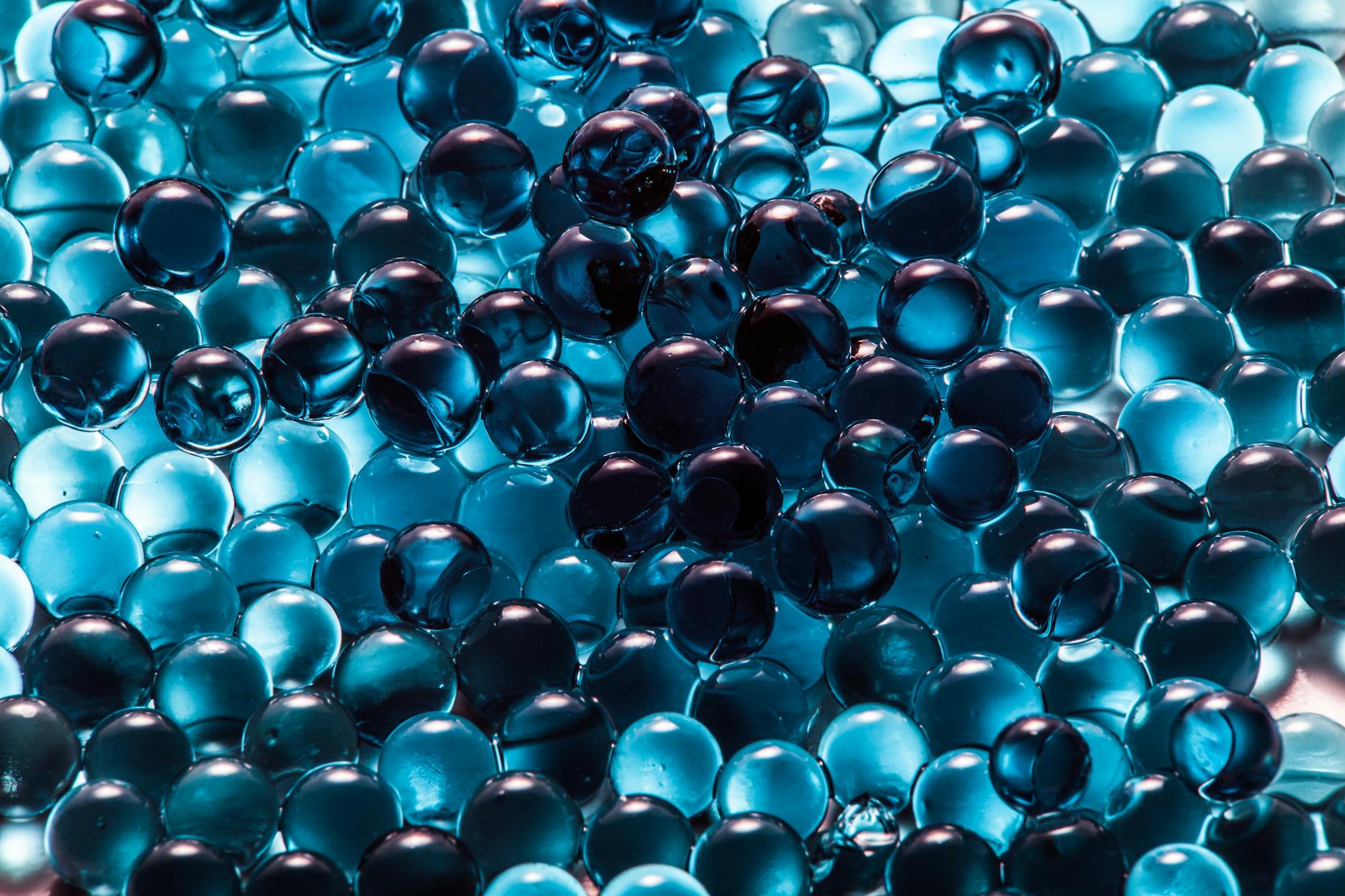
The permanence of PMMA microspheres depends on their resistance to biodegradation. Your body’s immune system contains macrophages—cells designed to break down foreign materials and bacteria. With temporary fillers like hyaluronic acid, these macrophages successfully break the material into smaller and smaller fragments until it’s absorbed into the bloodstream and excreted. PMMA microspheres resist this process because they’re composed of a plastic that your body literally cannot chemically decompose. The spheres are too large and durable for macrophages to break down, so they remain intact within the skin indefinitely. Over time, a fibrous capsule forms around each microsphere—essentially a microscopic collagen wall. This capsule isn’t a sign of rejection; it’s actually the body’s normal response to a foreign, inert material.
The capsule stabilizes the microspheres and integrates them into the surrounding tissue. This is why Bellafill doesn’t migrate or shift the way some other fillers can. A 2015 study in Dermatologic Surgery demonstrated that PMMA microspheres maintain their position and structure even after ten years. The capsule formation is also what allows Bellafill to be described as both a filler (immediate volume) and a biostimulant (it triggers collagen production that adds its own durability). One limitation to understand: while the PMMA microspheres themselves are permanent, they can be removed. An experienced dermatologist can extract them surgically if you’re unhappy with the results—though this is rare and more invasive than initial injection. Additionally, the collagen that forms around them can still thin slightly over the years due to normal aging and sun exposure, which might gradually reduce the effectiveness of the treatment. However, the microspheres themselves will remain.
Why Is PMMA Fundamentally Different from Temporary Fillers?
Temporary fillers like hyaluronic acid (Juvederm, Restylane) or calcium hydroxylapatite (Radiesse) work through a different mechanism. These materials are designed to be metabolized by your body—they’re broken down into component molecules that are either reabsorbed or excreted. Hyaluronic acid, for example, is naturally found in your skin already, so your body treats it like any other hyaluronic acid molecule and recycles it. This makes temporary fillers safer in one respect: if you have an adverse reaction or simply dislike the results, your body will clear the material on its own within months. PMMA fillers trade this short-term reversibility for long-term permanence. The material is non-resorbable, meaning your body will never clear it naturally. This permanence is specifically why Bellafill is FDA-approved for treating acne scars and other deep indentations—the FDA recognized that these scars require lasting correction, not something that disappears after a year.
The trade-off is that you’re committing to a permanent change. If five years down the line you want a different appearance, surgical removal becomes necessary rather than simple metabolism. However, for people seeking a one-time treatment for deep scars rather than a temporary refresh, this permanence is exactly the benefit they want. A critical limitation: not all skin conditions respond equally to PMMA. For thin-skinned individuals or people with certain inflammatory skin conditions, PMMA microspheres can sometimes be palpable (you can feel them under the skin). This is rarer with Bellafill because the microspheres are smaller and typically injected at the right depth, but it’s a real possibility. Additionally, if you later need MRI imaging, PMMA itself isn’t metallic and won’t cause problems, but the initial consultation should mention any permanent filler for medical records.
What Happens to PMMA Microspheres as Your Skin Ages?
While the PMMA microspheres themselves remain constant, the surrounding tissue changes over time. Your skin continues to age—elasticity decreases, collagen breaks down naturally, and the skin can thin with sun exposure or time. The microspheres don’t age, but they exist within aging skin, which can affect how visible and effective they remain. In the first year or two after Bellafill injection, you see maximum correction because both the microspheres and the fresh collagen around them provide support. After three to five years, some patients notice a slight softening of the correction, not because the microspheres disappeared, but because the collagen around them thinned due to normal aging. This is where maintenance becomes relevant.
Many dermatologists recommend touch-up injections of Bellafill every 2-3 years for people concerned about gradual fading of results. These touch-ups don’t replace the original microspheres—they add new ones to areas where the collagen has thinned most noticeably. Studies show that even with touch-ups, many patients maintain excellent results for 10+ years. A clinical study published in Aesthetic Surgery Journal tracked Bellafill results in acne scars over eight years and found that the scars remained significantly improved even as some of the initial dramatic correction softened slightly. One example: a patient treated for severe rolling acne scars at age 28 maintained excellent improvement through age 38, with minimal touch-ups. However, if that same patient had significant sun damage or failed to protect the treated area from UV exposure over those ten years, they might notice more fading. The microspheres don’t degrade from sun exposure, but the collagen around them and the overall skin quality do.
How Does Bellafill Compare to Other Permanent or Long-Lasting Scar Treatments?
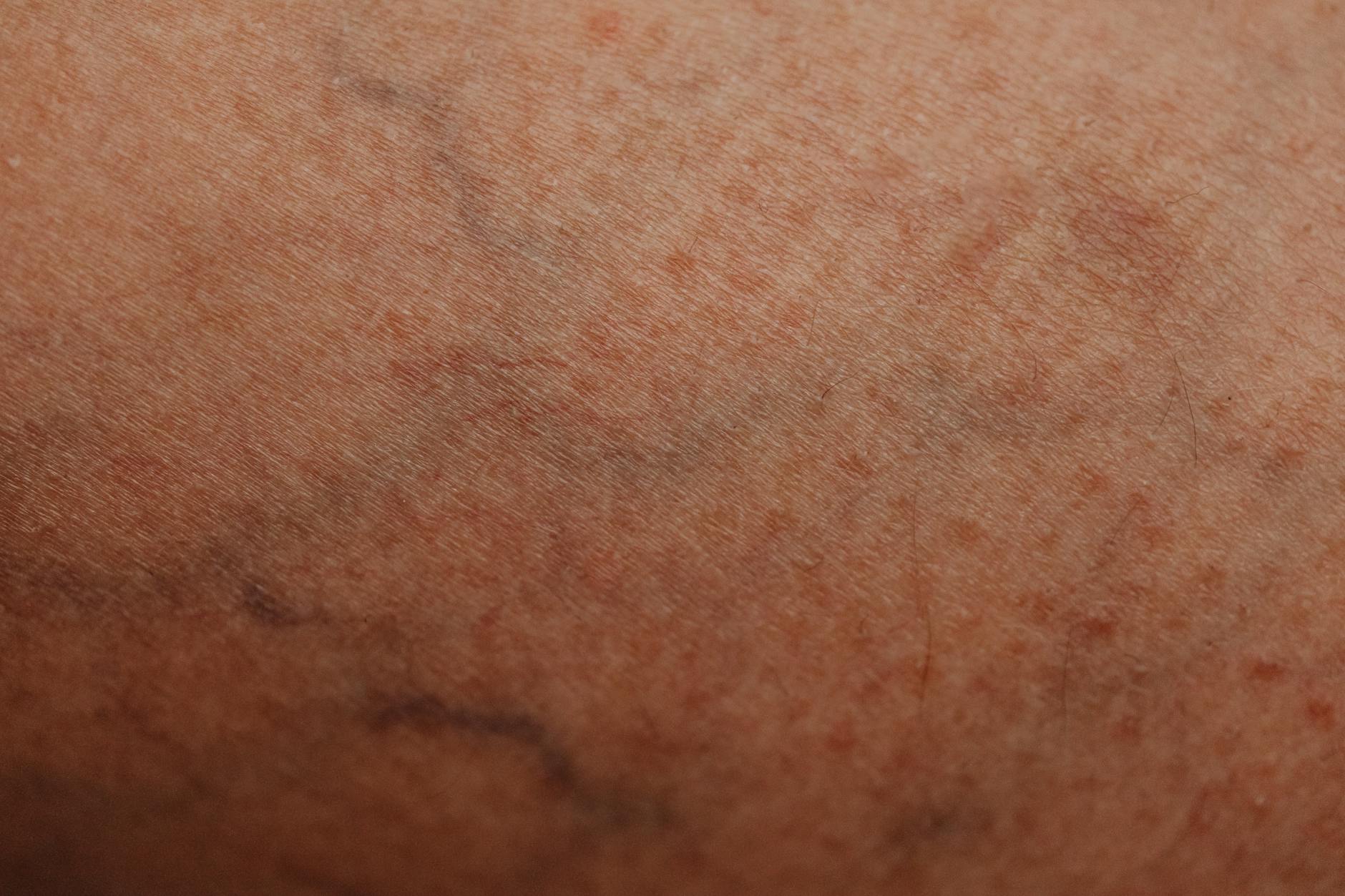
Several scar treatments claim durability, but they work through different mechanisms. Autologous fat transfer (your own fat injected into scars) is technically permanent if the transferred fat cells survive, but survival rates vary—typically 30-70% of injected fat is reabsorbed, and the longevity is unpredictable. Subcision (surgically breaking the fibrous bands under depressed scars) can provide lasting improvement, but it addresses only the mechanical problem of tethering, not volume loss. Laser resurfacing and microneedling improve scar appearance by remodeling collagen, but they require maintenance treatments and don’t provide the sustained volumization that PMMA does. Bellafill occupies a middle ground: more durable than hyaluronic acid fillers (which last 6-12 months) but with the flexibility of being technically removable (unlike a surgical procedure). Compared to permanent surgical options, it’s less invasive.
For someone with moderate to severe depressed acne scars who wants lasting correction without surgery, Bellafill is currently the most established FDA-approved option. However, if scars are severe, rolling, or widespread, combining Bellafill with other treatments (like subcision first, then Bellafill) often produces the best results. A dermatologist might recommend subcision to release the tethered scar tissue first, then Bellafill to fill the remaining depression—this combination addresses both the structural and volumetric issues. The trade-off to consider: Bellafill requires an initial investment (typically $2,000-$5,000 for full scar treatment) with potential touch-ups needed every 2-3 years ($500-$1,500 per touch-up). Laser or microneedling treatments might cost $500-$2,000 per session but require 3-6 sessions and provide less dramatic results in severe cases. If you calculate cost over a decade, Bellafill can be more economical for deep scars despite higher upfront costs.
What Are the Risks and Complications of Permanent PMMA Implants?
Because PMMA is permanent, any complications also tend to be longer-lasting than with temporary fillers. The most common issue is overfilling or uneven placement, which creates visible lumps or an overdone appearance. With temporary fillers, this corrects itself within months; with Bellafill, it requires either dissolving the area with hyaluronidase injections (which can partially break down PMMA) or surgical removal. Serious allergic reactions to PMMA are extremely rare—the material is hypoallergenic—but reactions to the lidocaine in Bellafill or other components are possible. Another consideration is nodule formation. Rarely, the fibrous capsule around PMMA microspheres can become inflamed or form a palpable nodule months after injection. This occurs in less than 1% of Bellafill cases, but when it does happen, it can be difficult to treat.
Anti-inflammatory injections might help, but in some cases, surgical removal of the affected area is necessary. This is why choosing an experienced injector is critical—proper depth, placement, and injection volume reduce nodule risk significantly. Injectors who place Bellafill too superficially or inject excessive volumes are more likely to see complications. Infection is theoretically possible with any injection, though proper sterile technique makes this rare. If infection does occur around permanent PMMA microspheres, it can be more complicated to treat because antibiotics can’t clear the microspheres themselves. Migration is also extremely rare with PMMA due to the capsule formation, but it can occur if too much filler is placed in a mobile area of the face or if the injection is too superficial. A warning: avoid Bellafill in very thin-skinned areas like under the eyes or on the temples unless your injector has specific expertise with those areas. Results vary more dramatically in fragile skin.
What Is the Timeline for Full Results from Bellafill?
Unlike temporary fillers where results appear immediately, Bellafill results develop over time. The PMMA microspheres provide instant volumization—typically 20-30% of the final correction is visible right after injection. Over the next 4-12 weeks, the surrounding collagen forms its capsule and proliferates, adding additional volume and firmness. Most patients see the majority of their final result by 3 months post-injection.
Full maturation of the collagen response can take up to 6 months, which is why dermatologists recommend scheduling any follow-up or touch-up injections at least 3 months after the initial treatment. This extended timeline is actually beneficial because it allows the collagen to do some of the work, rather than relying entirely on permanent plastic microspheres. It also gives you time to assess whether the results are what you wanted before committing to any maintenance or additional treatments. If you’re unhappy with results in the first few weeks—perhaps the filler looks too visible or doesn’t blend well—you do have options: hyaluronidase can partially dissolve some components, or a skilled injector can place additional filler strategically to blend the result. Once you’re past that initial adjustment period, the permanence of PMMA means you’re living with the result long-term.
The Future of Permanent Fillers and Scar Treatment
The landscape of permanent and semi-permanent fillers is evolving. Newer formulations are being researched that aim to combine the permanence of PMMA with the refinement of smaller particles or different materials. Polylactic acid (Sculptra) and polymethylmethacrylate combinations are being explored in clinical research to optimize the balance between immediate and biological volume correction. For acne scar treatment specifically, the trend is moving toward combination therapy: using minimally invasive techniques like subcision, RF microneedling, or laser with permanent or semi-permanent fillers rather than filler alone.
The permanence of PMMA will likely remain a cornerstone of scar treatment because the problem it solves—deep, indented scars—is a problem that requires durable correction. Unlike lines and wrinkles that evolve with time, deep depressed scars are static structural issues. The industry is moving toward personalizing treatment based on scar type and depth rather than assuming one approach fits all. For the foreseeable future, Bellafill will remain the most established permanent filler option for severe acne scars, though continued refinement of technique and combination approaches will improve predictability and safety.
Conclusion
PMMA microspheres in Bellafill are permanent because your body cannot biochemically break down plastic material—the microspheres remain intact indefinitely, encapsulated by collagen that forms naturally around them. This permanence provides lasting scar correction without the need for repeated treatments every year, making it especially valuable for deep, depressed acne scars that don’t respond well to temporary solutions. The results develop gradually over 3-6 months as collagen forms and proliferates, reaching a stable endpoint that persists for years.
If you’re considering Bellafill for acne scars, the key is working with a dermatologist experienced in scar assessment and filler placement. Depth of injection, volume control, and understanding your specific scar architecture (whether rolling, boxcar, or atrophic) all influence outcomes. While the permanence of PMMA is a strength for long-term scar correction, it’s also a commitment—choose a treatment plan and provider carefully, and discuss realistic expectations, potential touch-ups, and rare complications before proceeding.
Frequently Asked Questions
Will PMMA microspheres in Bellafill ever be absorbed by my body?
No. PMMA is a non-bioresorbable material that your body cannot chemically break down. The microspheres will remain in place indefinitely, though they will be surrounded by collagen that your body produces naturally.
Can I remove Bellafill if I don’t like the results?
Surgical removal is possible but invasive. Partial removal using hyaluronidase injections may be attempted, though results vary. This is why initial placement by an experienced injector is critical.
How long do actual results last, even though the material is permanent?
The PMMA itself is permanent, but the collagen around it can thin over 5-10 years due to aging and sun exposure. Many patients maintain excellent results for 10+ years, with some touch-ups every 2-3 years to maintain peak appearance.
Is Bellafill safe for everyone with acne scars?
Bellafill is FDA-approved for acne scars, but it’s not ideal for everyone. Severe inflammatory skin conditions, very thin skin, or certain contraindications mean it’s not suitable. A dermatologist can assess whether you’re a good candidate.
What’s the difference between the immediate “filler” effect and the long-term collagen effect?
Immediate: PMMA microspheres provide instant volume (30% of final result). Long-term: your body produces collagen around the microspheres, creating additional support and refinement over 3-6 months, reaching 100% of final results.
Can I combine Bellafill with other treatments?
Yes. Subcision before Bellafill, or laser/microneedling alongside Bellafill, can improve results for severe scars. Discuss combination approaches with your dermatologist.