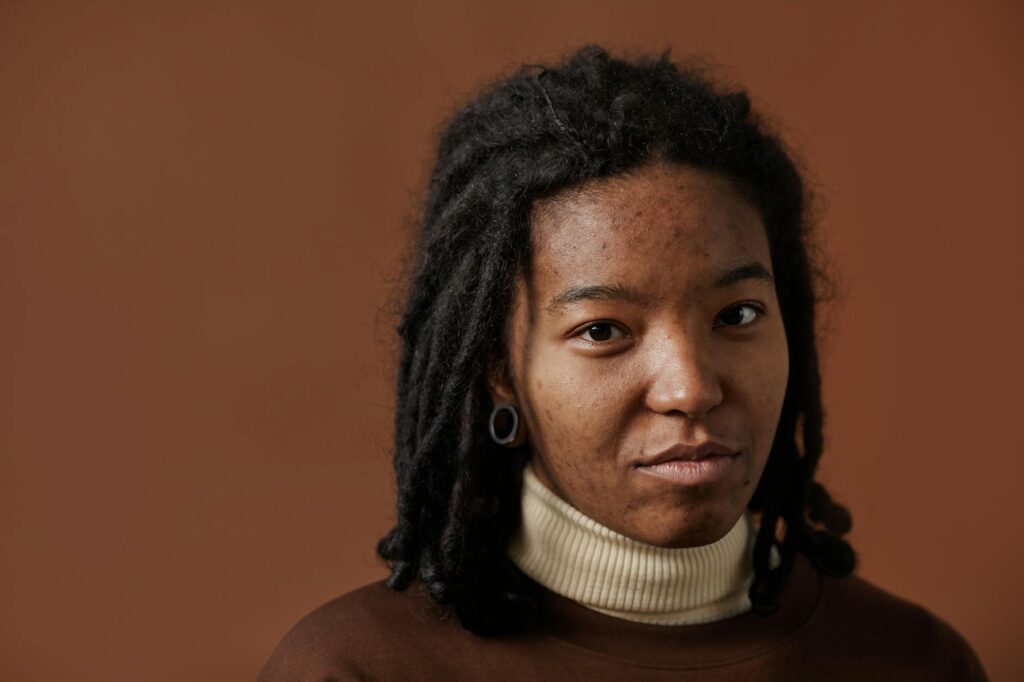
PicoWay Resolve is effective for acne scar treatment because it uses picosecond laser technology to trigger deep collagen regeneration without damaging the skin’s outer layers. The treatment works by delivering rapid laser pulses that create a photoacoustic effect—essentially controlled micro-injuries in the dermis—which stimulates your body’s natural healing response and generates new collagen and elastin to fill depressed scars from the inside out. Clinical studies show a 94% improvement rate for treated areas, making it one of the more successful approaches for atrophic (indented) acne scars. This article covers how the technology actually works, what clinical results show, how it compares to other treatments, the typical number of sessions required, and realistic expectations you should have before starting treatment.
Table of Contents
- How Does Picosecond Laser Technology Stimulate Collagen in Acne Scars?
- Clinical Evidence for PicoWay Resolve: What the Data Actually Shows
- How PicoWay Resolve Differs From Traditional Acne Scar Treatments
- Treatment Protocol: How Many Sessions Do You Actually Need?
- Limitations and Important Caveats About Acne Scar Treatment
- The Collagen Remodeling Timeline and Why Patience Matters
- Integrating PicoWay Resolve Into a Comprehensive Acne Scar Strategy
- Conclusion
- Frequently Asked Questions
How Does Picosecond Laser Technology Stimulate Collagen in Acne Scars?
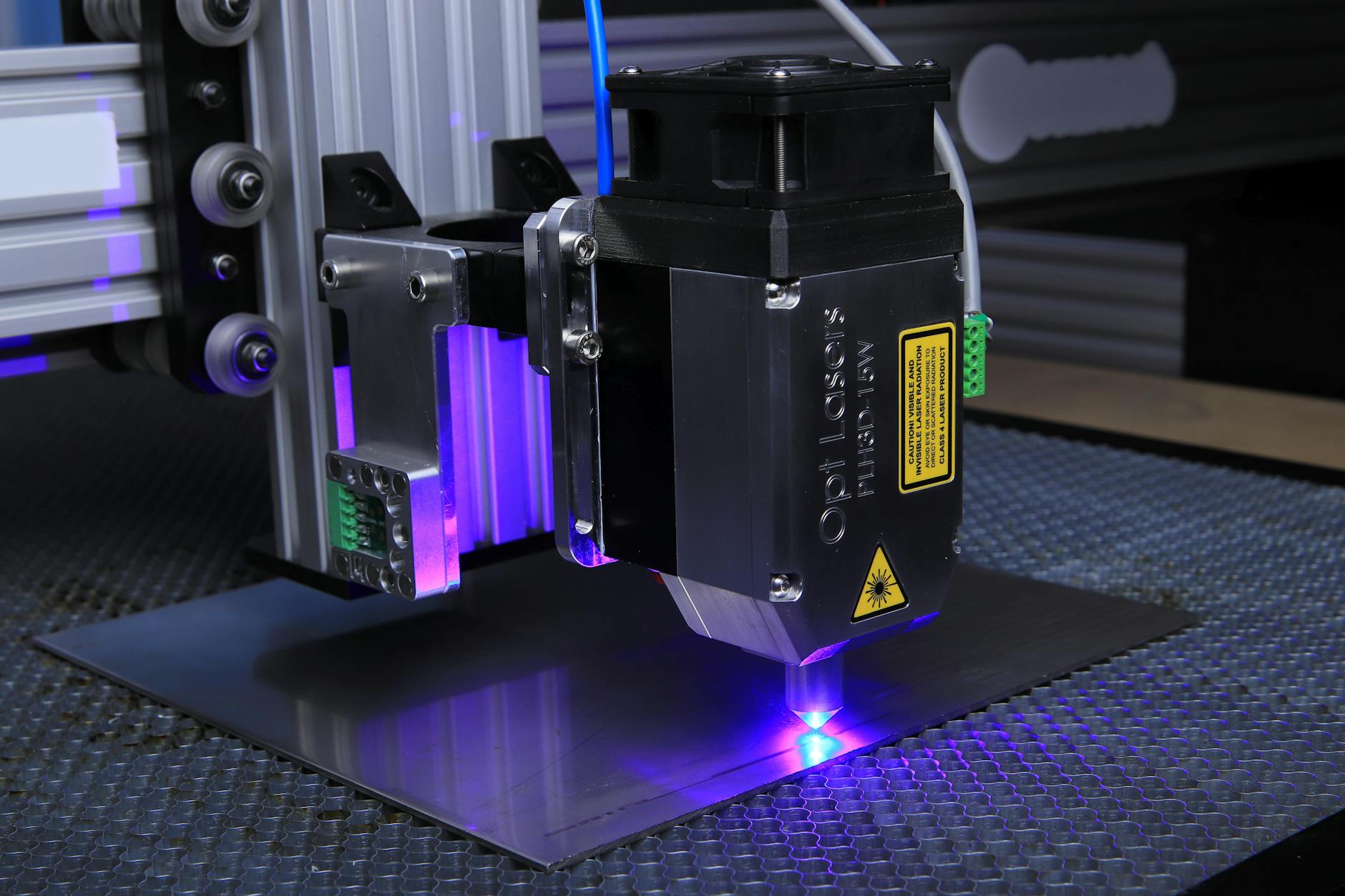
The core mechanism behind PicoWay Resolve is the photoacoustic effect, which differs significantly from traditional laser treatments. Instead of using heat to ablate (burn away) skin tissue, picosecond pulses deliver energy so rapidly—in trillionths of a second—that the laser creates tiny pressure waves that vaporize specific areas deep within the dermis while leaving the epidermis (top skin layer) completely intact. This is why downtime is minimal to nonexistent.
For an acne scar with a depressed center, the treatment creates micro-spaces in the scar tissue that essentially trick your skin into “filling the hole” with newly synthesized collagen and elastin over the following weeks and months. Think of it like controlled scaffolding removal: acne scars form when collagen is destroyed during severe inflammation, leaving a depression. PicoWay stimulates fibroblasts (collagen-producing cells) in the damaged area to rebuild that structural support. Because the laser doesn’t break the skin surface, you can return to normal activities immediately—no peeling, crusting, or extended recovery like with ablative lasers or aggressive chemical peels.
Clinical Evidence for PicoWay Resolve: What the Data Actually Shows
The most commonly cited statistic is the 94% improvement rate from clinical studies, which is genuinely impressive—but there’s important context. A retrospective review of 233 patients revealed a crucial nuance: while virtually all types of skin lesions treated with PicoWay showed improvement, acne scarring actually demonstrated the least improvement compared to other indications like epidermal nevi or other conditions. This doesn’t mean the treatment fails for acne scars; it means acne scars are among the most challenging skin conditions to treat with any laser technology, and even at 94%, results vary based on scar depth and type.
This variation matters because not all acne scars respond equally. Rolling scars (which have sloped, undulating edges) and boxcar scars (with steep, defined edges) may show different response rates. Severe, deeply pitted ice-pick scars often require more sessions and may show less dramatic improvement than moderate rolling scars. The takeaway is realistic optimism: you’re likely to see significant improvement, but the extent depends on your specific scar morphology and skin type.
How PicoWay Resolve Differs From Traditional Acne Scar Treatments
The distinction between PicoWay Resolve and older laser approaches is fundamental. Traditional CO2 or erbium lasers work by ablating the damaged skin layer and the surrounding area, essentially resurfacing the entire treatment zone. This removes scar tissue but also removes healthy skin, requires significant downtime (often 1-2 weeks of visible healing), and carries higher risks of hyperpigmentation or hypopigmentation. Chemical peels work similarly—they chemically burn away layers hoping to improve surface appearance, but don’t effectively rebuild lost collagen in deep depressions.
PicoWay Resolve takes a different approach: instead of removing the scar, it stimulates your own collagen production to fill it. Microneedling works on a similar principle but requires physical perforation of the skin and typically shows slower results. Radiofrequency microneedling combines heat with needling but is less precise than laser energy. The picosecond advantage is precision depth penetration and the photoacoustic effect, which means you get collagen stimulation without the recovery period, making it ideal if you can’t afford downtime or have skin that scars easily from aggressive treatments.

Treatment Protocol: How Many Sessions Do You Actually Need?
Most patients require 3 to 4 treatment sessions spaced 4 to 6 weeks apart to see optimal results. This spacing allows time for collagen remodeling between sessions—rushing treatments doesn’t accelerate results and may increase irritation. Each session takes 15 to 30 minutes depending on treatment area size, and as mentioned, you can return to work or exercise immediately afterward. There’s typically mild redness that subsides within a few hours.
The number of sessions needed depends on scar severity and your skin’s healing response. Someone with mild, shallow rolling scars might see substantial improvement in 2 to 3 sessions, while deeper or more extensive scarring may require the full 4-6 sessions or even additional treatments. Your dermatologist typically assesses improvement at the 3-session mark and determines if additional sessions are warranted. This is a meaningful commitment in terms of time and cost, but it’s substantially less intensive than ablative laser resurfacing, which might require only 1 session but with weeks of downtime.
Limitations and Important Caveats About Acne Scar Treatment
One critical limitation is that PicoWay Resolve works best on atrophic (indented) scars but has less utility for hypertrophic (raised, thickened) scars or severe keloid formation. If you have raised or thick acne scars from overly aggressive healing, this isn’t your primary treatment—you’d need approaches like steroid injections, subcision, or surgical revision. Additionally, while the 94% improvement figure sounds definitive, “improvement” is measured clinically and may not match your personal expectations. A 50% reduction in scar depth is measured as improvement, but if you’re hoping for complete eradication, you might be disappointed even with “successful” treatment.
Skin type also matters significantly. Darker skin tones (Fitzpatrick IV-VI) can experience post-inflammatory hyperpigmentation after laser treatment, though PicoWay’s minimal epidermal damage reduces this risk compared to ablative lasers. Patients with active acne need to resolve inflammation before treatment, as treating while inflammation is present can worsen outcomes. And finally, realistic timeline expectations: significant collagen remodeling takes 3 to 6 months after your final session, so judging results before 4-6 months post-treatment is premature.
The Collagen Remodeling Timeline and Why Patience Matters
Visible improvement typically begins 4 to 8 weeks after the first session, as new collagen starts filling treated areas. However, the most dramatic improvements often appear 3 to 4 months after your final session, as deep dermal collagen continues remodeling and tightening. A patient might see 30% improvement immediately after the final session but 70% improvement six months later. This is why dermatologists recommend against judging results until at least 4-6 months have passed.
This extended timeline reflects the biology of collagen synthesis: fibroblasts don’t produce collagen instantly. They need time to proliferate, synthesize, and reorganize the new collagen matrix into functional scar-filling tissue. This biological reality is why “quick fix” marketing claims about laser treatments are misleading. PicoWay Resolve is faster than some treatments (you avoid weeks of downtime), but it’s not instantly effective in terms of visible results. Patience is required, but the payoff is gradual, natural-looking improvement rather than the potentially obvious visible healing of ablative treatments.
Integrating PicoWay Resolve Into a Comprehensive Acne Scar Strategy
PicoWay Resolve works best as part of a broader approach rather than as a standalone solution. For moderate to severe acne scarring, combination therapy—such as PicoWay followed by subcision for particularly deep scars, or combined with tretinoin use to enhance collagen production—often yields better results than laser alone. Starting tretinoin several weeks before your first PicoWay session and continuing through treatment can amplify collagen stimulation and potentially reduce the number of sessions needed.
Additionally, managing active acne during treatment is essential. If new acne forms during your PicoWay series, those lesions can create new scars, negating your progress. This means concurrent use of acne-prevention strategies—whether oral contraceptives, isotretinoin for severe cases, or topical retinoids and benzoyl peroxide—should be part of your plan. The future of acne scar treatment likely involves multimodal approaches rather than single-technology reliance, and PicoWay Resolve fits effectively into that model.
Conclusion
PicoWay Resolve is an effective, evidence-backed treatment for acne scars primarily because it stimulates deep collagen regeneration through the photoacoustic effect, offering meaningful improvement (94% in clinical studies) with minimal downtime and no skin surface damage. The treatment is particularly suited for people with atrophic scars who need to avoid extended recovery periods, though results vary based on individual scar morphology and the least impressive results appear in the most challenging cases—acne scarring specifically—compared to other skin conditions.
Your next step is a consultation with a board-certified dermatologist who has experience with PicoWay Resolve and can assess your specific scar types, skin tone, and realistic outcome expectations. Come prepared to discuss your timeline (you’ll need 3-4 sessions spaced weeks apart and patience for 4-6 months of ongoing collagen remodeling), your budget, and whether you’re willing to combine treatment with other modalities like subcision or medical-grade skincare to maximize results.
Frequently Asked Questions
Will PicoWay Resolve completely remove my acne scars?
No. While 94% of treated areas show improvement, complete eradication of deep or severe scars isn’t realistic for most people. The goal is substantial reduction in scar visibility and depth, not perfection. Expectations should be 50-80% improvement depending on scar severity.
How much does PicoWay Resolve cost?
Pricing varies significantly by geography and provider (typically $300-$800 per session in the US), and most people need 3-4 sessions. Cost-benefit analysis should include the lack of downtime versus more affordable options like microneedling, which require more sessions but lower per-session cost.
Is PicoWay Resolve safe for all skin types?
It’s generally safe across skin types because it minimally damages the epidermis, reducing hyperpigmentation risk compared to ablative lasers. However, darker skin tones should be treated by providers experienced with ethnic skin, as any laser carries some hyperpigmentation risk.
Can I combine PicoWay Resolve with other acne scar treatments?
Yes. Combining it with subcision for deep scars, tretinoin for collagen support, or microneedling for additional stimulation can improve results. Your dermatologist can recommend the best combination based on your scar pattern.
How long until I see results?
Mild improvement begins 4-8 weeks after the first session, but maximum results appear 4-6 months after your final treatment session. Judging efficacy before this timeline is premature.
What if my acne scars don’t improve after 3-4 sessions?
Some scars simply don’t respond optimally to laser treatment, particularly severe ice-pick or keloid scars. Your dermatologist can assess whether additional sessions are worthwhile or if alternative/complementary treatments (surgery, subcision, filler) would be more effective.