Your phone screen is almost certainly giving you cheek acne, and the mechanism is straightforward: cell phones carry up to 10 times more bacteria than a public toilet seat, and every call presses that bacterial colony directly against the pore-rich skin of your cheek. A 2024 study published in Oxford Academic found that 97% of bacteria on phone screens are Gram-positive, with Staphylococcus — the same genus implicated in inflammatory acne — accounting for 46 to 50% of all organisms identified. When you combine that microbial load with the friction, heat, and pressure of a phone call, you get a textbook case of what dermatologists call acne mechanica: breakouts triggered not by hormones or diet, but by direct physical and bacterial assault on your skin. Consider a pattern many dermatologists noticed during COVID-19 lockdowns.
A 2020 study documented 13 patients who developed new acne eruptions or significant flares tied specifically to increased phone use while working from home. The telling detail: acne severity was consistently worse on the side of the face most frequently pressed against the phone. Researchers coined the term “cell-phone acne” to describe the phenomenon. If you have been wondering why your breakouts cluster on one cheek, or why they worsened around the same time your screen time went up, the answer may be sitting in your pocket. This article breaks down the specific bacteria living on your phone screen, explains the biological mechanisms that turn a phone call into a breakout, examines the clinical evidence linking phones to cheek acne, and lays out practical steps to reduce your risk — including what actually works for cleaning your screen and what does not.
Table of Contents
- What Types of Bacteria on Phone Screens Cause Cheek Acne?
- How Friction, Heat, and Bacteria Combine to Clog Your Pores
- Clinical Evidence — What “Cell-Phone Acne” Looks Like in Practice
- How to Clean Your Phone Screen to Prevent Acne Breakouts
- Why Antibiotic-Resistant Bacteria on Phones Complicate Acne Treatment
- How Phone Bacteria Disrupts Your Skin’s Natural Microbiome
- The Future of Acne Treatment and What Researchers Are Working On
- Conclusion
- Frequently Asked Questions
What Types of Bacteria on Phone Screens Cause Cheek Acne?
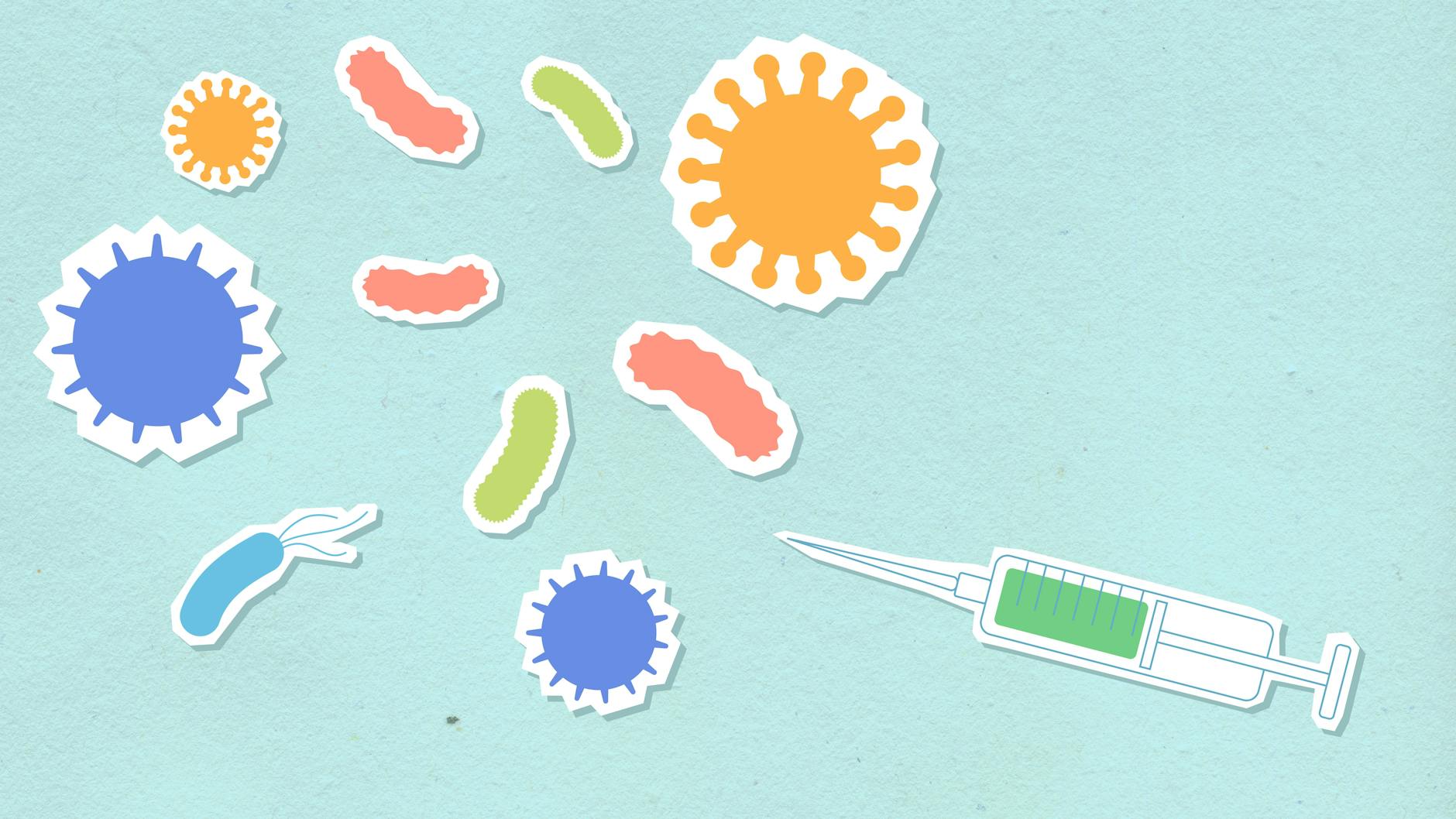
Not all bacteria are created equal when it comes to acne, and the specific organisms colonizing your phone screen matter. The dominant genus is Staphylococcus, which Oxford Academic researchers found on phone screens at rates of 46 to 50%. A separate study examining phones in Saudi Arabia found Staphylococcus aureus on 56.58% of devices and Staphylococcus epidermidis on 13.57%. S. aureus is particularly relevant because a case-control study found it present in 21.7% of acne patients, suggesting a direct role in acne pathogenesis beyond the more commonly discussed Cutibacterium acnes. The bacterial picture gets more concerning when you look at hospital settings. A 2015 study identified MRSA — methicillin-resistant Staphylococcus aureus — along with Klebsiella pneumoniae and E.
coli on phones belonging to hospital staff. You do not need to work in a hospital to encounter resistant bacteria, though. The Oxford Academic study found that 85% of sampled bacteria on smartphones showed antibiotic resistance, and 55% of those were multidrug resistant. That means the organisms on your phone are not just plentiful — they are unusually hard to kill once they colonize your skin. For comparison, think about the surfaces you instinctively avoid touching and then touching your face: subway poles, gas pump handles, public restroom doors. Your phone screen harbors a more diverse and more resistant bacterial population than most of those surfaces, yet you press it against your cheek dozens of times a day without a second thought. The difference is that nobody holds a subway pole against their face for 20 minutes at a time.
How Friction, Heat, and Bacteria Combine to Clog Your Pores
The mechanism behind phone-related cheek acne involves more than just bacteria landing on your skin. Dermatologists classify this as acne mechanica, a specific subtype of acne triggered by the combination of friction, pressure, and occlusion. When you press your phone against your cheek, you create a sealed environment where heat builds, sweat cannot evaporate properly, and bacteria from the phone surface mix with the sebum your skin is already producing. The cheeks, jawline, and chin are sebum-rich areas to begin with, so the additional occlusion tips the balance toward clogged pores and inflammation. Each phone-to-face contact transfers dirt, oil, and microorganisms into this already vulnerable environment. But there is an additional factor most people do not consider: the light itself. A 2017 study published in the Journal of Photochemistry and Photobiology found that visible light emitted from smartphone screens — specifically short-wavelength light — increases the proliferation of Staphylococcus aureus.
So the screen is not just a passive vehicle for bacteria. It actively promotes the growth of one of the most acne-relevant organisms while pressed against your skin. However, if your breakouts are symmetrical — appearing equally on both cheeks — your phone may not be the primary driver. Symmetrical acne patterns more often point to hormonal causes, product reactions, or pillowcase hygiene. Phone-related acne is characteristically asymmetrical, concentrated on whichever side you favor during calls. If you are left-handed and hold your phone to your left ear, expect the left cheek to bear the brunt. This asymmetry is actually one of the easiest diagnostic clues for distinguishing phone acne from other causes.
Clinical Evidence — What “Cell-Phone Acne” Looks Like in Practice
The COVID-19 lockdown study mentioned earlier offers some of the clearest clinical evidence for the phone-acne connection. The 13 documented patients were not teenagers going through puberty or individuals with severe cystic acne histories. They were people whose skin changed in direct response to a behavioral shift — spending more time on phone calls while isolated at home. The predilection for worse acne on the dominant phone-holding side was consistent enough across patients that researchers felt comfortable establishing the pattern as a distinct clinical entity. What makes this evidence compelling is the specificity. These patients did not develop acne everywhere. They developed it in the precise contact zone where their phone touched skin.
Dermatologists have long recognized that acne mechanica follows the footprint of whatever object is causing the friction — helmets cause forehead acne, chin straps cause chin acne, and phones cause cheek and jawline acne. The bacterial component adds a layer of complexity that pure mechanical acne does not have. A football helmet is not typically colonized with Staphylococcus aureus at rates exceeding 50%. It is worth noting a limitation of the existing research: most studies on phone bacteria and acne are observational or cross-sectional. There is no large-scale randomized controlled trial where one group was told to stop holding phones to their faces while another continued. The evidence is strong enough for dermatologists to routinely counsel patients about phone hygiene, but anyone claiming this connection is settled science with the same certainty as, say, the role of C. acnes in acne would be overstating the case.

How to Clean Your Phone Screen to Prevent Acne Breakouts
Dermatologists recommend cleaning phone screens regularly with 70% rubbing alcohol to reduce bacterial transfer and pore-clogging buildup. This concentration is important — it is the same standard used for disinfecting surfaces in clinical settings. Higher concentrations of alcohol actually evaporate too quickly to effectively kill bacteria, while lower concentrations lack sufficient potency. Apply it to a microfiber cloth rather than spraying directly onto the screen, and wipe down the entire surface including the edges and back of the phone where your fingers rest. The tradeoff with alcohol-based cleaning is that frequent use can degrade oleophobic coatings on your screen over time. Most manufacturers, including Apple, now say that 70% isopropyl alcohol wipes are safe for their screens, but doing it multiple times a day may shorten the lifespan of that fingerprint-resistant layer. A reasonable cadence for most people is once in the morning and once in the evening.
If you are on calls throughout the day, consider switching to speakerphone or earbuds as your primary method of reducing contact rather than relying solely on cleaning. Another practical option is a phone-specific UV-C sanitizer. These devices use ultraviolet light to kill bacteria without any chemical contact. Studies show UV-C is effective against Staphylococcus aureus and other organisms found on phones. The downside is cost — a decent UV-C phone sanitizer runs between 30 and 80 dollars — and the fact that your phone gets recontaminated within hours of normal use. Cleaning is not a once-and-done solution. It is an ongoing habit, which is why reducing direct face contact matters more than any single cleaning method.
Why Antibiotic-Resistant Bacteria on Phones Complicate Acne Treatment
The finding that 85% of phone-screen bacteria show antibiotic resistance and 55% are multidrug resistant has real implications for people trying to treat cheek acne with topical or oral antibiotics. If the bacteria being transferred from your phone to your face are already resistant to common acne antibiotics like clindamycin or erythromycin, those treatments will be less effective — not because the prescription is wrong, but because the source of reinfection is continuously introducing resistant organisms. This creates a frustrating cycle. A dermatologist prescribes a topical antibiotic. The patient applies it diligently. The acne clears partially but never resolves on the phone-contact cheek.
The dermatologist escalates to a stronger treatment. Meanwhile, the patient is re-inoculating their skin with resistant bacteria multiple times a day. Without addressing the phone as a bacterial vector, the treatment is working against a constantly replenished supply of organisms that have already survived antibiotic exposure. The warning here is specific: if you are on a prescribed acne antibiotic and seeing improvement everywhere except the cheek you hold your phone against, talk to your dermatologist about phone hygiene before assuming the medication is not working. Switching to a stronger antibiotic may not be necessary. Switching to earbuds during calls and cleaning your screen twice daily might accomplish what a prescription escalation cannot.
How Phone Bacteria Disrupts Your Skin’s Natural Microbiome
Emerging research from 2025 has refined our understanding of how acne actually develops at the microbial level. Cutibacterium acnes, the bacterium most associated with acne, is not universally harmful. Specific phylotypes — particularly IA1 — are more acne-promoting, while other strains are commensal and may even protect skin health. The problem with pressing a phone teeming with Staphylococcus and other foreign bacteria against your cheek is that it disrupts this delicate microbial balance. Think of your cheek skin as a neighborhood with a mix of helpful and neutral residents.
When you press your phone against it, you are dropping a busload of aggressive outsiders into that community several times a day. The resulting microbial imbalance — sometimes called dysbiosis — can shift the ratio of C. acnes phylotypes, favor inflammatory organisms like S. aureus, and undermine the skin’s own defenses. This is why some people with no history of acne develop it after changing jobs to roles with heavy phone use, or why acne flares correspond with periods of increased call volume rather than dietary or hormonal changes.
The Future of Acne Treatment and What Researchers Are Working On
The acne treatment pipeline holds some genuinely novel approaches. DMT 310, a treatment derived from freshwater sponges, met its primary endpoints in Phase 3 clinical trials for moderate-to-severe acne, demonstrating both antimicrobial and anti-inflammatory properties. Unlike traditional antibiotics, its mechanism of action may sidestep some of the resistance problems that make phone-transferred bacteria so difficult to treat.
Perhaps most intriguing, an acne vaccine is currently in development with ongoing trials expected to yield results by 2029. If successful, a vaccine could shift acne treatment from reactive — killing bacteria after breakouts occur — to preventive, by training the immune system to respond to acne-promoting organisms before they cause inflammation. For people whose acne is driven partly by external bacterial sources like phones, a vaccine could theoretically reduce the skin’s vulnerability to those transferred organisms. Until then, the most effective strategy remains a combination of reducing phone-to-face contact, maintaining consistent screen hygiene, and working with a dermatologist on a treatment plan that accounts for the bacterial reality of the devices we cannot seem to put down.
Conclusion
Phone screen bacteria causes cheek acne through a convergence of factors: the sheer bacterial load on your screen, the dominance of acne-relevant Staphylococcus species, the mechanical friction and occlusion of pressing a warm surface against sebum-rich skin, and the continuous reintroduction of antibiotic-resistant organisms that undermine treatment efforts. The clinical evidence — from asymmetrical breakout patterns to the lockdown-era “cell-phone acne” case series — consistently supports what dermatologists have suspected for years: your phone is a significant and underappreciated contributor to facial acne. The practical takeaway is layered. Clean your screen with 70% isopropyl alcohol at least once or twice daily.
Switch to speakerphone or earbuds whenever possible. If you are already on acne medication and one cheek is not responding, consider the phone as a confounding variable before escalating treatment. And pay attention to the pattern of your breakouts — asymmetry is a clue. None of this replaces professional dermatological care, but addressing the phone factor is one of the lowest-cost, lowest-effort interventions available, and ignoring it means fighting your acne with one hand while your phone quietly feeds it with the other.
Frequently Asked Questions
How often should I clean my phone screen to prevent acne?
Dermatologists recommend cleaning with 70% isopropyl alcohol at least once or twice daily. If you are on frequent calls throughout the day, switching to speakerphone or earbuds will have a greater impact than additional cleaning, since the phone becomes recontaminated within hours of normal handling.
Can a phone case cause acne too?
Yes. Phone cases accumulate the same bacteria, oils, and debris as the screen itself, and textured or rubber cases can trap even more. Clean your case at the same time you clean your screen. If your case has a lip or ridge that presses against your jawline during calls, it can contribute to breakouts along that contact line through the same acne mechanica mechanism.
Is phone-related acne different from hormonal acne?
The key difference is the pattern. Phone acne is typically asymmetrical — worse on the side you hold your phone — and concentrated along the cheek and jawline in the phone’s contact zone. Hormonal acne tends to be symmetrical and often clusters along the lower jawline and chin. If your breakouts are on both cheeks equally, hormones or other factors are more likely the primary cause.
Will a screen protector help reduce bacteria on my phone?
A screen protector does not reduce bacterial colonization — bacteria will grow on any surface you touch regularly. However, glass screen protectors are smoother than some phone screens and may be slightly easier to clean effectively. The real benefit of a screen protector in this context is that it is cheap to replace, so you can swap it out periodically for a fresh surface without worrying about damaging your actual screen with repeated cleaning.
Should I stop making phone calls altogether?
You do not need to eliminate phone calls. Switching to speakerphone, earbuds, or a headset removes the direct contact that drives acne mechanica and bacterial transfer. If you must hold the phone to your face, keep calls short and clean the screen before and after. The goal is reducing prolonged contact, not avoiding your phone entirely.