Phloretin CF fights antioxidant damage in acne skin through a carefully formulated combination of phloretin, vitamin C, and ferulic acid that works at the molecular level to neutralize free radicals while simultaneously calming inflammation. Acne-prone skin is especially vulnerable to oxidative stress—both from the acne-causing bacteria and environmental aggressors—which accelerates skin damage, worsens inflammation, and leaves behind darker scars and discoloration. Phloretin, a polyphenol derived from apple tree bark, possesses specific enzymatic inhibition properties that target the inflammatory pathways that drive acne while the stabilized vitamin C serum base provides broad antioxidant coverage.
This article explores how Phloretin CF’s three-part formulation addresses the root causes of acne-related skin damage, the clinical evidence supporting its use for acne-prone skin, and how to integrate it into a regimen designed to clear breakouts while preventing lasting damage. The formulation works because it combines proven antioxidant power with anti-inflammatory action. The product contains 2% phloretin, 10% pure L-ascorbic acid (the most bioavailable form of vitamin C), and 0.5% ferulic acid. This synergistic blend doesn’t just neutralize free radicals—it also provides significant photoprotection and reduces the inflammatory cascade that turns a simple blemish into a stubborn scar.
Table of Contents
- How Does Phloretin CF Neutralize Free Radical Damage in Acne-Prone Skin?
- The Science Behind Phloretin’s Anti-Inflammatory Action on Breakout-Prone Skin
- Fighting Acne Scars and Post-Inflammatory Hyperpigmentation
- Using Phloretin CF Effectively in Your Acne Skincare Routine
- Potential Limitations and When Phloretin CF May Not Be Enough
- Combining Phloretin CF with Other Acne Treatments
- The Role of Antioxidant Protection in Long-Term Acne Management
- Conclusion
How Does Phloretin CF Neutralize Free Radical Damage in Acne-Prone Skin?
Free radicals attack skin cells from two main sources in acne: internally from inflammatory bacteria and the immune response they trigger, and externally from UV exposure, pollution, and heat. Phloretin specifically inhibits tyrosinase, the enzyme responsible for melanin production, while simultaneously suppressing COX-2 expression—a primary inflammatory signaling pathway. This dual action addresses why acne doesn’t just cause temporary redness; untreated oxidative stress deepens inflammation and triggers post-inflammatory hyperpigmentation that can persist for months. The vitamin C component (L-ascorbic acid) works as a classical free radical scavenger, donating electrons to neutralize unstable oxygen molecules before they damage collagen and elastin. For acne skin specifically, this prevents the cascade of free radical reactions that would otherwise accelerate collagen breakdown around the inflamed area.
The ferulic acid serves as a stabilizer and enhancer, dramatically increasing the antioxidant protection—research shows that ferulic acid combined with vitamin C and vitamin E can double photoprotection from 4-fold to approximately 8-fold against solar-simulated skin irradiation. This extended protection is critical for acne skin because sun exposure not only worsens acne inflammation but also darkens hyperpigmented acne scars. An example: A person with inflammatory acne on the cheeks faces oxidative stress both from the acne bacteria itself and from any sun exposure during healing. Without antioxidant protection, that inflamed blemish is likely to leave a darker mark that lasts months. With Phloretin CF’s neutralizing action, the intensity of free radical damage decreases significantly during the critical healing window, making it less likely that post-inflammatory hyperpigmentation will develop in the first place.
The Science Behind Phloretin’s Anti-Inflammatory Action on Breakout-Prone Skin
Phloretin’s anti-inflammatory mechanism goes deeper than basic free radical neutralization. It inhibits elastase and matrix metalloproteinase-1 (MMP-1) activity, enzymes that break down the structural proteins holding skin integrity together. When acne causes inflammation, these enzymes ramp up, which is why inflamed acne can leave atrophic (indented) scars. By suppressing these enzyme activities, phloretin reduces the structural damage that occurs around an inflamed blemish. The reduction of cellular tyrosinase activity is particularly relevant for acne skin. Tyrosinase drives melanin production in response to inflammation and UV exposure.
Acne-prone skin is usually darker around active breakouts and along healing scars because inflammation stimulates melanin production. Phloretin’s tyrosinase inhibition helps prevent that inflammatory melanin cascade, which is why clinical studies show significant discoloration reduction with continued use. A 12-week clinical study of 64 women showed a 16% reduction in discoloration and a 20% improvement in more even skin tone. However, phloretin CF works best when inflammation is active or recent. If you’ve had acne for years and the hyperpigmentation is already well-established, phloretin will slow further darkening and gradually improve tone, but it won’t erase deep-set discoloration overnight. It’s a preventive and progressive treatment, not a corrective one for old scars.
Fighting Acne Scars and Post-Inflammatory Hyperpigmentation
Acne doesn’t end when the pimple clears—it leaves behind two common problems: atrophic scars (indented marks) and hyperpigmentation (dark spots). Phloretin CF addresses both. In a randomized controlled trial evaluating the serum after ablative CO2 laser treatment for atrophic acne scars, Phloretin CF showed greater reduction in hyperpigmentation compared to control groups. The mechanism isn’t just the antioxidant effect; it’s also the reduction of oxidative stress response and postoperative inflammation. When skin is healing from a scar-producing injury (like acne or laser), the inflammatory environment itself drives excessive melanin production. Phloretin dampens that response.
Beyond clinical studies, the practical application matters: acne scars, whether atrophic or post-inflammatory hyperpigmentation, represent a ongoing inflammatory state at the tissue level. The darker the mark, often the more recent the inflammation. Phloretin CF’s continuous antioxidant and anti-inflammatory presence reduces the inflammatory stimulus that perpetuates hyperpigmentation. A 24-week study showed 19% reduction in dullness and discoloration, suggesting that consistent use over several months produces cumulative benefit. For someone with active acne plus scarring from previous breakouts, Phloretin CF creates a dual benefit: it addresses the current inflammation preventing new scars while simultaneously improving the appearance of existing hyperpigmented marks. It won’t replace laser or professional scar treatments, but it makes an important contribution to the healing environment.

Using Phloretin CF Effectively in Your Acne Skincare Routine
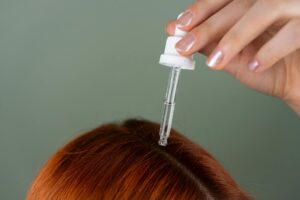
Phloretin CF is most effective when layered into a consistent acne regimen. The product is a serum, which means it should be applied to clean, dry skin before heavier moisturizers or treatments. The typical approach is: cleanser → toner or pH-balancing agent → Phloretin CF → acne treatment (like benzoyl peroxide or retinoid) → moisturizer → sunscreen. The timing consideration is important: Phloretin CF can be used morning and night, but it’s most critical in the morning routine because that’s when UV protection and antioxidant protection matter most for acne skin. UV exposure increases inflammation and darkens existing discoloration, so morning application provides immediate environmental protection.
At night, it can be used but may not be as essential if you’re already using a potent acne treatment like a retinoid or benzoyl peroxide, which are stronger inflammatory modifiers than antioxidants alone. A comparison: Phloretin CF is an antioxidant and anti-inflammatory supporting treatment, not a primary acne fighter like benzoyl peroxide or retinoids. It doesn’t kill acne bacteria or exfoliate the skin. Its strength is in reducing the collateral damage of inflammation—preventing scars and hyperpigmentation from forming. So it works best paired with a primary acne treatment that addresses the root cause (bacteria, sebum, cell turnover) while Phloretin CF protects against the inflammatory fallout.
Potential Limitations and When Phloretin CF May Not Be Enough
Phloretin CF is not a treatment for active acne lesions. It won’t clear a breakout; it won’t reduce the number of pimples you develop. Its role is supportive—it protects the skin from oxidative damage during healing and prevents the inflammatory cascade from creating long-lasting scars and dark marks. If you have moderate to severe acne, Phloretin CF alone is insufficient. You need a primary acne treatment: a retinoid, benzoyl peroxide, oral medication, or professional extraction.
Also, the serum is relatively expensive compared to basic vitamin C serums, and the benefit (fewer scars, better tone, radiance improvement) develops over weeks and months. A 12-week study showed visible improvements, and a 24-week study showed further refinement, so patience is required. If you’re looking for immediate results, you’ll be disappointed. Additionally, acne skin is often sensitive, and vitamin C serums can cause irritation in some people, especially when combined with other active treatments like benzoyl peroxide or acids. Start with lower frequency (2-3 times per week) and monitor how your skin responds before moving to daily use.

Combining Phloretin CF with Other Acne Treatments
Phloretin CF pairs well with most acne treatments because its mechanism is complementary. It doesn’t compete with retinoids or benzoyl peroxide; instead, it provides an anti-inflammatory buffer that can make those stronger treatments more tolerable. Some dermatologists recommend using Phloretin CF on the days you’re not using a retinoid, while others suggest morning application with retinoids at night.
For someone using laser treatment or professional acne treatments, Phloretin CF becomes even more valuable. The post-laser study showed that applying it after CO2 laser treatment for acne scars resulted in better outcomes. The oxidative stress and inflammation from laser treatment can trigger hyperpigmentation in acne-prone skin, and the antioxidant protection from the serum reduces that risk. Many dermatologists recommend starting Phloretin CF the week before a laser treatment and continuing for several weeks after.
The Role of Antioxidant Protection in Long-Term Acne Management
Acne is often viewed as a short-term problem to be “cleared” with aggressive treatment, but acne scarring is a long-term consequence. Antioxidant protection changes the timeline. By introducing consistent free radical defense during the active acne phase and the healing phase that follows, you’re essentially reducing the depth and darkness of the marks that acne will inevitably leave behind. The broader insight: acne damage is cumulative.
Each breakout, especially if inflamed, adds to the oxidative load on skin. Over time, this leads to visible scarring, uneven tone, and accelerated aging. Phloretin CF doesn’t prevent acne, but it reduces the permanent damage per breakout. For someone prone to acne over years, this compound interest of skin protection becomes significant.
Conclusion
Phloretin CF fights antioxidant damage in acne skin by combining phloretin’s enzymatic inhibition of inflammatory pathways with stabilized vitamin C and ferulic acid’s broad antioxidant coverage. The result is a formulation that reduces inflammation-driven melanin production, prevents collagen breakdown from acne-induced free radicals, and creates a protective environment that favors healing without scarring. Clinical evidence supports this: 12-week studies show meaningful improvements in discoloration and skin tone, 24-week studies show continued refinement in skin texture, and trials on post-scar treatment show measurable hyperpigmentation reduction.
For acne-prone skin, Phloretin CF is best used as a complementary treatment alongside a primary acne therapy—not as a replacement for it. Apply it consistently morning and night (or at minimum in the morning for UV protection), layer it properly in your routine, and give it at least 8-12 weeks to demonstrate benefit. The serum won’t clear your acne, but it will meaningfully reduce the permanent marks and discoloration that acne leaves behind, making it a worthwhile addition to any acne management plan focused on long-term skin health.