Patience is key when treating post-acne redness because the skin’s healing process is fundamentally a biological timeline that cannot be rushed. Red marks left behind after acne breakouts—whether they’re post-inflammatory erythema or deeper atrophic scars—require weeks to months of consistent care before visible improvement appears. Trying to force faster results through aggressive treatments, frequent procedures, or excessive product use often backfires, triggering inflammation that deepens the redness and extends the healing window.
For example, someone who switches to a new active ingredient every three days, seeking faster results, may see their persistent redness worsen within two weeks due to cumulative irritation. This article explores why patience matters in post-acne redness treatment, how the skin actually heals at the cellular level, what realistic timelines look like, and how to avoid common mistakes that sabotage recovery. Understanding the difference between true scar tissue and temporary redness—and knowing which treatments actually work for each—will help you avoid wasted time and money on ineffective approaches.
Table of Contents
- Why Does Post-Acne Redness Take Time to Fade?
- The Biological Reality of Skin Healing
- How Aggravating Your Skin Extends Recovery Time
- Choosing Realistic Treatments That Respect the Timeline
- Common Mistakes That Destroy Patience-Based Progress
- The Role of Internal Factors in Your Healing Timeline
- When Professional Treatment Becomes Worth the Wait
- Conclusion
- Frequently Asked Questions
Why Does Post-Acne Redness Take Time to Fade?
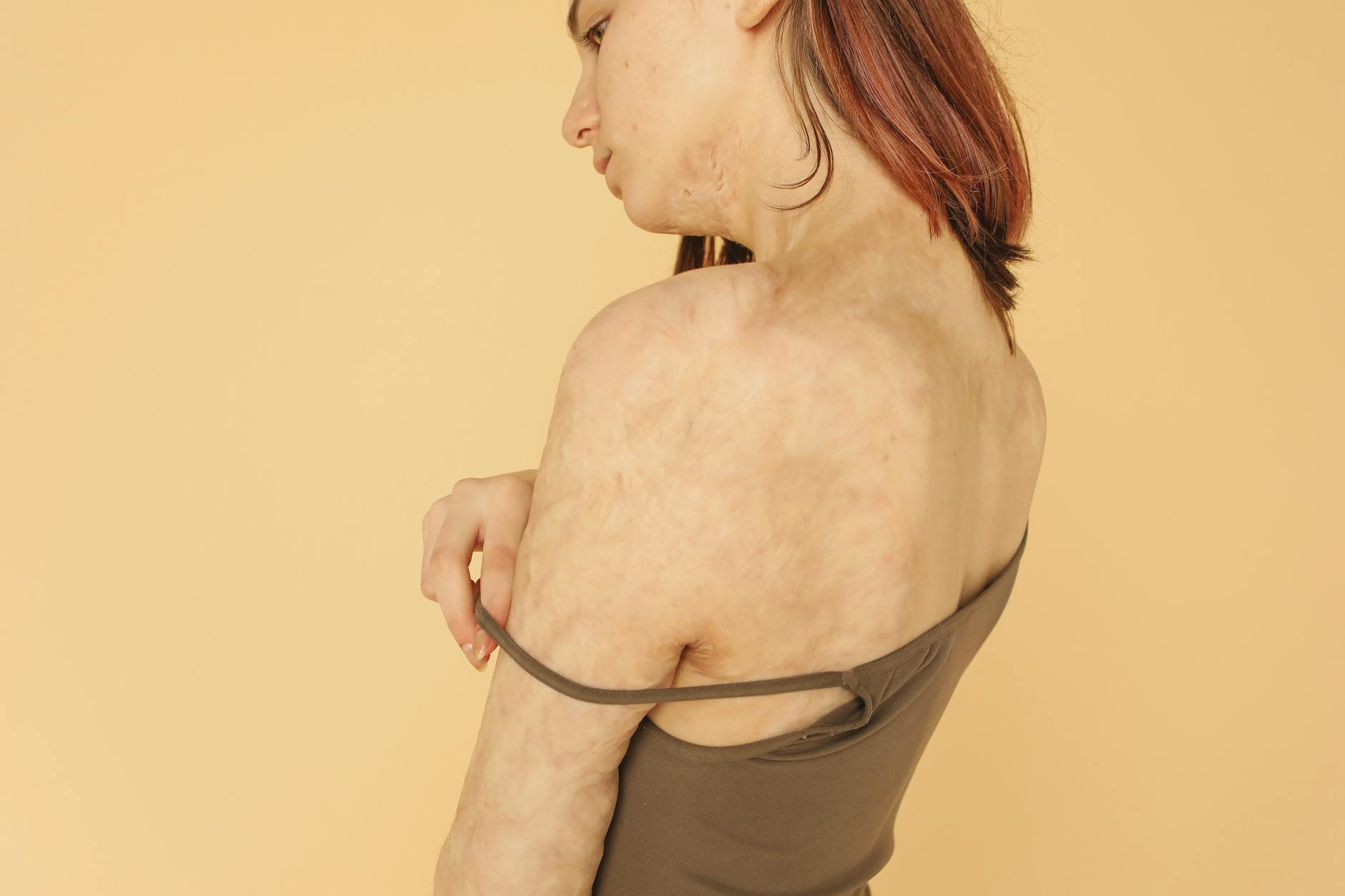
Post-acne redness exists in two forms, and both require patience for different reasons. Post-inflammatory erythema (PIE)—the flat, red marks that appear after acne heals—is caused by dilated blood vessels and inflammation in the dermis. These blood vessels eventually constrict and return to normal size on their own, a process that typically takes three to six months. However, the timeline varies greatly depending on skin tone, the severity of the original acne, and how deep the inflammation reached.
Darker skin tones often experience more pronounced redness and require longer healing times, sometimes extending to a year or beyond, because melanin production is triggered alongside the inflammatory response. The second form, post-inflammatory hyperpigmentation, is actually easier to address than redness, yet people often confuse the two and apply the wrong treatments. Hyperpigmentation fades faster—usually within three to six months on lighter skin—because it’s purely a pigmentation issue, not vascular. Applying treatments designed for vascular redness (like laser therapy) to hyperpigmentation is ineffective and wastes time and money. The key insight is that patience looks different depending on which type of mark you’re dealing with.

The Biological Reality of Skin Healing
At the cellular level, healing is a multi-phase process that cannot be compressed without consequences. During the inflammatory phase, white blood cells clean up damaged tissue and bacteria, a phase that typically lasts one to two weeks. Next comes the proliferative phase, where the body lays down new collagen and the skin rebuilds structure; this phase lasts two to three weeks. Finally, the remodeling phase can continue for months or even years, with collagen gradually reorganizing and strengthening.
Each phase is biochemically dependent on the previous one completing, which is why forcing the process through aggressive treatments can interrupt this natural progression and cause setbacks. However, understanding this timeline has an important caveat: skin healing varies wildly between individuals based on age, genetics, diet, sleep, stress levels, and overall health. A 25-year-old with good nutrition and low stress might see post-acne redness fade in eight weeks, while a 40-year-old who sleeps poorly and has chronic stress might not see improvement for six months. This individual variation is why comparing your progress to someone else’s is futile and often demoralizing. Your timeline is your timeline, and the goal is to optimize healing within your body’s natural capacity, not to match an arbitrary deadline.
How Aggravating Your Skin Extends Recovery Time
One of the biggest patience-killing mistakes is over-treating the affected area in hopes of speeding results. Each time you irritate healing skin—whether through aggressive scrubbing, frequent chemical peels, or daily use of multiple active ingredients—you’re triggering the inflammatory response all over again. This resets your healing clock and can push a normally 12-week recovery out to six months or longer. Someone using retinol, vitamin C, and a strong AHA simultaneously while their skin is still healing from acne will experience worse redness, not better, because the cumulative irritation is too high for the skin to progress past the inflammatory phase.
The tricky part is that mild, controlled irritation from targeted treatments (like a single exfoliating acid once or twice weekly) can actually support healing by encouraging cell turnover and collagen remodeling. The distinction comes down to dosage and frequency. Your skin can handle either consistent, moderate treatment or occasional aggressive treatment—but not both at once. For instance, someone using a gentler niacinamide-based routine with a single weekly retinol treatment will likely see faster improvement than someone jumping between five different treatment products in hopes that more options will equal faster healing.
Choosing Realistic Treatments That Respect the Timeline
Effective post-acne redness treatment falls into three categories based on timeline: immediate visual improvement, intermediate healing, and long-term results. For immediate visual improvement, silicone-based primers and color-correcting concealers can mask redness within minutes—useful for photos or events—but they don’t actually heal the skin. For intermediate healing over weeks to months, topical treatments like niacinamide, azelaic acid, and gentle retinoids support the skin’s natural healing process without forcing it.
For long-term results extending beyond six months, laser treatments like pulsed dye laser or LED light therapy can accelerate collagen remodeling and shrink dilated blood vessels. The tradeoff is that faster-acting treatments often come with higher irritation risk, which paradoxically slows healing if your skin isn’t ready. Someone who immediately jumps to professional laser treatments before their skin has finished the natural inflammatory phase may experience worse redness for weeks afterward. A more patient approach—using topical treatments for three months, then evaluating whether laser therapy is necessary—often produces better overall results with fewer complications and less total recovery time than the aggressive-immediate approach.
Common Mistakes That Destroy Patience-Based Progress
A frequent sabotage is changing your routine before giving treatments time to work. Topical treatments typically require eight to twelve weeks of consistent use before visible improvement appears, because that’s how long it takes for the skin to cycle through enough cell turnover to meaningfully reduce redness. Someone who switches treatments every two weeks—frustrated by lack of progress—never actually allows any single treatment to work. They end up cycling through dozens of products over a year while their redness remains unchanged, and they conclude that “nothing works” when the real issue was they never gave anything enough time.
Another hidden pitfall is sun exposure during the healing phase. UV damage triggers inflammatory signals in the skin and can cause post-acne redness to worsen or trigger new hyperpigmentation that persists far longer than the original redness would have. Someone who heals patiently indoors but then takes a beach vacation in week six of recovery may undo several weeks of progress. Consistent daily SPF 30+ use—boring and unsexy as it sounds—is genuinely one of the highest-impact interventions for post-acne redness because it prevents the most common trigger of prolonged healing.
The Role of Internal Factors in Your Healing Timeline
While topical treatments get all the attention, your body’s internal capacity to heal determines roughly 60% of your recovery timeline. Poor sleep, high stress, inadequate protein intake, and untreated nutritional deficiencies (especially zinc, vitamin C, and iron) all slow collagen production and extend inflammation. Someone eating a diet high in processed foods, sleeping five hours nightly, and under chronic stress will take significantly longer to see improvement from even the best skincare products than someone with balanced nutrition, seven to eight hours of sleep, and lower stress.
This is why people who complain that expensive treatments “didn’t work” often find that adding sleep and reducing stress produces noticeable results within weeks. The patience required here extends beyond skincare into lifestyle. You might be patient with your topical routine—giving treatments time to work, avoiding over-use—while simultaneously undermining that progress through poor sleep or high cortisol from stress. The most effective post-acne redness treatment plan accounts for both external (product) and internal (lifestyle) factors.
When Professional Treatment Becomes Worth the Wait
After three to six months of consistent home care with topical treatments, if redness remains substantial, professional treatments become a reasonable next step. Pulsed dye laser therapy, for instance, is specifically designed to target and close dilated blood vessels and can produce dramatic improvements within one to three sessions, though results typically take weeks to fully appear as inflammation subsides. LED light therapy (especially red and near-infrared wavelengths) supports collagen remodeling over a longer timeframe and works synergistically with topical treatments.
The patience lesson here is that professional treatments also require patience to see results—and retreatment at appropriate intervals. Someone who does one laser session and expects permanent results, or who does a session and then returns two weeks later demanding additional treatments, often ends up with worsening redness from cumulative irritation. The most successful outcomes come from spacing professional treatments appropriately (usually four to six weeks apart) and maintaining a gentle topical routine between sessions.
Conclusion
Patience is key when treating post-acne redness because the skin’s healing is a biological process governed by your body’s cellular timeline, not by how urgently you want results. Attempting to force faster improvement through aggressive treatments, frequent product switching, or unrealistic expectations almost always backfires, extending recovery and deepening redness through cumulative irritation. The most effective approach—consistent gentle care with evidence-based ingredients, realistic timelines of three to twelve months, and attention to sleep and nutrition—feels slower in the moment but produces actual results and avoids the setbacks that plague aggressive strategies.
Start by identifying whether you’re dealing with post-inflammatory erythema or hyperpigmentation, since each requires different treatment approaches and has different realistic timelines. Commit to a simple, gentle routine with one or two active ingredients, give it twelve weeks before expecting visible improvement, and address lifestyle factors like sleep and sun protection simultaneously. If redness persists after six months of consistent home care, professional treatments can accelerate results—but even then, patience through the healing window after treatment is necessary for optimal outcomes. The goal isn’t to find the fastest treatment; it’s to find the approach that actually works for your skin’s unique healing capacity.
Frequently Asked Questions
How long does post-acne redness usually take to fade on its own?
Post-inflammatory erythema typically fades within three to six months on lighter skin tones, though darker skin tones often experience longer timelines extending to twelve months or beyond. The timeline depends on the depth of inflammation, your skin’s healing capacity, and how well you protect the healing skin from irritation and sun damage.
Can I use actives like retinol and vitamin C while treating post-acne redness?
Yes, but only one at a time and at lower frequencies initially. Start with either a gentler retinol or vitamin C serum used one to three times weekly, depending on your skin’s tolerance. Combining multiple actives during the healing phase usually causes too much irritation and extends recovery time rather than shortening it.
Is laser treatment worth it for post-acne redness, or will it fade on its own?
For mild redness, home care with topical treatments is usually sufficient and less costly. For moderate to severe redness that hasn’t improved after six months of consistent treatment, laser therapy (especially pulsed dye laser) can significantly accelerate improvement. The decision depends on the severity and how much the redness is affecting your quality of life.
Does sun exposure really slow healing of post-acne redness?
Yes significantly. UV exposure triggers inflammatory responses and can worsen redness or trigger new hyperpigmentation that persists longer than the original marks. Daily SPF 30+ use is one of the highest-impact interventions for supporting faster healing and preventing setbacks.
Can diet or supplements speed up healing of post-acne redness?
While diet alone won’t eliminate redness, addressing nutritional deficiencies—especially in zinc, vitamin C, iron, and protein—supports your body’s collagen production and healing capacity. Good nutrition doesn’t replace skincare but makes your skincare treatments work more effectively.