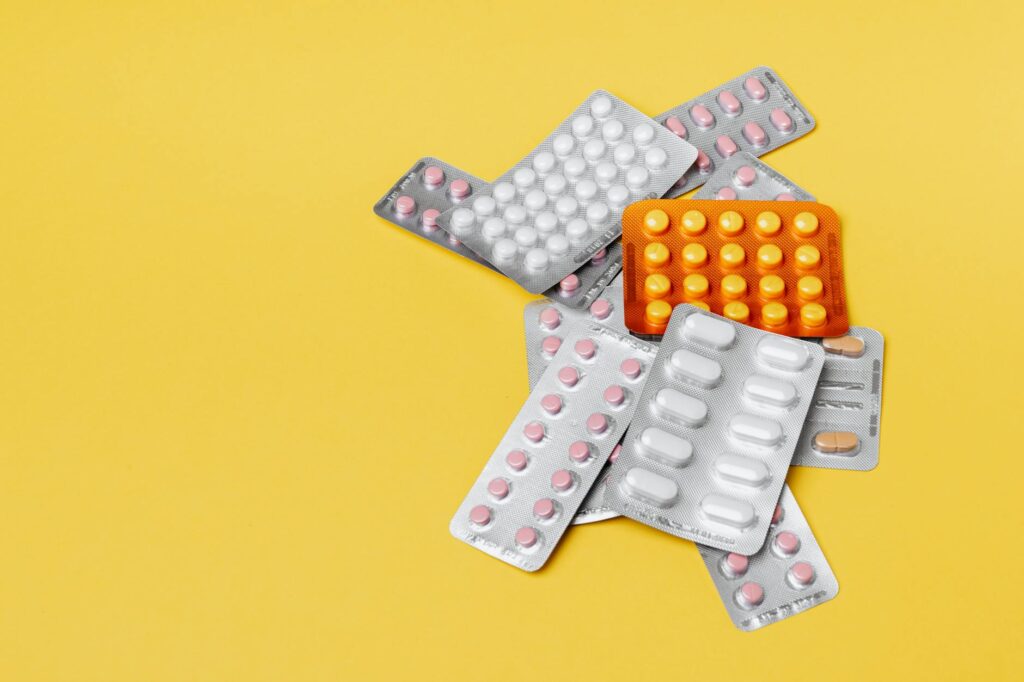
Online pharmacies for acne medications carry serious safety risks because the vast majority of internet drug sellers operate outside the law, and the products they ship may be counterfeit, contaminated, or completely unregulated. According to the National Association of Boards of Pharmacy, 96% of the 11,688 online pharmacies they analyzed did not comply with U.S. federal or state laws. That is not a typo. Nearly every online pharmacy operating today fails basic legal standards, and 87% were found to be affiliated with rogue networks of internet drug outlets. For someone trying to buy tretinoin, isotretinoin, or even benzoyl peroxide online, those odds should give real pause.
The danger is not abstract. In September 2024, the U.S. Department of Justice announced indictments against individuals running illegal online pharmacies that had sold millions of unregulated counterfeit prescription pills to tens of thousands of Americans. While those cases centered on opioids and stimulants, the infrastructure is the same — the same rogue pharmacy networks that move fentanyl-laced pills also sell acne medications, antibiotics, and other prescriptions with zero quality controls. And a 2024 cybersecurity investigation identified 5,000 fake pharmacy websites that were not only selling counterfeit or unregulated medications but also harvesting buyers’ personal and financial data. This article covers what makes online pharmacies so risky for acne treatments specifically, why isotretinoin purchased online is particularly dangerous, what the FDA’s iPLEDGE program requires and how it recently changed, the benzene contamination issue with benzoyl peroxide products, the limitations of telehealth prescribing for acne, and how to tell a legitimate online pharmacy from a rogue one.
Table of Contents
- What Makes Online Pharmacies for Acne Medications So Dangerous?
- Why Buying Isotretinoin Online Bypasses Critical Safety Controls
- Benzene Contamination and the Hidden Risks in Acne Products You Already Own
- How to Distinguish a Legitimate Online Pharmacy From a Rogue One
- The Limitations of Telehealth Prescribing for Acne Treatments
- DOJ and Federal Enforcement Actions Against Illegal Online Pharmacies
- What the Future Looks Like for Online Acne Medication Safety
- Conclusion
- Frequently Asked Questions
What Makes Online Pharmacies for Acne Medications So Dangerous?
The core problem is a lack of oversight. A UK study published in 2024 assessed 116 online pharmacies and found that 55 of them — 47% — were confirmed rogue operations. Only 47 were verified as legitimate. Perhaps most alarming for acne patients, only 23 of the 116 pharmacies, just 20%, actually required a prescription before dispensing prescription-only medications. That means four out of five of these pharmacies would sell you prescription acne drugs like isotretinoin, doxycycline, or high-strength tretinoin without ever confirming you had a doctor’s authorization. No medical history review. No drug interaction check. No pregnancy screening. Nothing.
The FDA has spelled out what you risk when you buy from these operations: counterfeit products, products containing dangerous unlisted ingredients, products that simply do not work, and products that were not labeled or shipped correctly. For acne medications, the stakes vary by product. Buying a fake benzoyl peroxide wash is unlikely to harm you beyond wasting your money. But purchasing counterfeit isotretinoin — a drug with severe teratogenic effects and mandatory monitoring requirements — could mean taking an unknown substance with unknown dosing at unknown purity. The 62% of rogue pharmacies that do not even reveal their physical location are, by definition, unaccountable for what they send you. The financial risks compound the medical ones. Those 5,000 fake pharmacy websites identified by cybersecurity researchers were operating dual scams — shipping questionable products while simultaneously stealing credit card numbers, home addresses, and personal health information. If you enter your data on one of these sites, you are not just risking a bad product. You are handing sensitive information to criminals who built an entire website specifically to collect it.
Why Buying Isotretinoin Online Bypasses Critical Safety Controls
Isotretinoin, once sold under the brand name Accutane, is arguably the most regulated acne medication in the United States, and for good reason. The FDA specifically warns against buying isotretinoin online, stating plainly that “buying this product over the Internet bypasses important procedures to ensure that patients can take this drug safely.” The drug causes birth defects, miscarriage, premature births, and infant death if taken during pregnancy. Those are not rare side effects. They are near-certain outcomes of fetal exposure, which is why the FDA created the iPLEDGE Risk Evaluation and Mitigation Strategy — a restricted-distribution program that requires pregnancy testing, counseling, and ongoing monitoring before a single capsule can be dispensed. Any online sale of isotretinoin that bypasses iPLEDGE is illegal, full stop. The program requires prescribers, pharmacies, and patients to all be registered. Patients who can become pregnant must have two negative pregnancy tests before starting treatment and monthly tests thereafter.
Pharmacies must verify iPLEDGE compliance before dispensing. When a rogue online pharmacy ships isotretinoin without any of these steps, they are not just bending rules — they are removing every safeguard that exists between a powerful teratogen and an unsuspecting patient. However, it is worth noting that the iPLEDGE program has drawn criticism for being overly burdensome, and the FDA recently responded. On February 9, 2026, the FDA approved modifications that take effect August 9, 2026. Under the new rules, patients may complete pregnancy tests at home during and after treatment, though pre-treatment testing must still occur in a medical setting. The waiting period for repeat pregnancy tests after missing a seven-day prescription window has been removed, and monthly counseling documentation is no longer required for patients who cannot become pregnant. These changes reduce hassle without eliminating safety — but they do not change the fact that buying isotretinoin outside iPLEDGE remains both illegal and dangerous.
Benzene Contamination and the Hidden Risks in Acne Products You Already Own
Not all acne medication safety risks come from rogue pharmacies. In March 2025, the FDA released results from testing 95 benzoyl peroxide acne products for benzene, a known human carcinogen. The good news: more than 90% of products had undetectable or extremely low benzene levels. The bad news: a limited number of products exceeded safety thresholds by staggering margins. Some contained benzene levels as high as 35 parts per million — more than 17 times the FDA’s conditional limit of 2 parts per million. Six products were voluntarily recalled: La Roche-Posay Effaclar Duo, Walgreens Acne Control Cleanser, Proactiv Emergency Blemish Relief Cream, Proactiv Skin Smoothing Exfoliator, SLMD Benzoyl Peroxide Acne Lotion, and Walgreens Tinted Acne Treatment Cream.
The underlying chemistry matters here. Benzoyl peroxide can break down into benzene over time, and heat accelerates that degradation. A product that tests clean at the factory could become contaminated sitting in a hot warehouse or delivery truck — and unregulated online sellers are far less likely to follow proper storage and shipping protocols than established retailers. This is where the online pharmacy problem intersects with product safety. When you buy benzoyl peroxide from an unregulated source, you have no way to verify storage conditions, shelf life, or whether the product has been recalled. Legitimate pharmacies and retailers pull recalled products from shelves. A rogue website operating from an undisclosed location has no such mechanism and no incentive to do so.
How to Distinguish a Legitimate Online Pharmacy From a Rogue One
The single most reliable step is checking whether the pharmacy carries the NABP Digital Pharmacy accreditation, formerly known as VIPPS (Verified Internet Pharmacy Practice Sites). This is the gold standard. Accredited pharmacies have been verified for licensing, legal compliance, and quality assurance. The NABP maintains a searchable database at safe.pharmacy where you can look up any online pharmacy. If a pharmacy is not in that database, treat it with extreme skepticism. Beyond accreditation, there are practical red flags. Legitimate pharmacies always require a valid prescription for prescription medications — no exceptions. They provide a physical U.S.
address and a phone number staffed by licensed pharmacists. They will not sell you isotretinoin or other controlled substances without verifying your iPLEDGE enrollment. Rogue pharmacies, by contrast, often advertise “no prescription needed,” offer prices far below market rate, send unsolicited emails promoting medications, and lack clear contact information. The tradeoff is real: a legitimate online pharmacy may cost more, take longer to ship, and require more paperwork. But it is also the only option that does not carry a meaningful risk of receiving counterfeit, contaminated, or mislabeled medication. The comparison to in-person pharmacies is instructive. Your local pharmacy operates under state board oversight, employs licensed pharmacists who check for drug interactions, maintains proper storage conditions, and participates in recall systems. A NABP-accredited online pharmacy provides equivalent safeguards in a digital format. Everything below that standard is a gamble, and the NABP’s own data says 96% of online pharmacies fall below it.
The Limitations of Telehealth Prescribing for Acne Treatments
Telehealth has become a popular route to acne treatment, and for many patients it works well. Studies show telehealth acne care has high diagnostic concordance with in-person visits and similar efficacy for mild-to-moderate acne. If you have a straightforward case of comedonal or mild inflammatory acne, a telehealth consultation can reasonably get you started on topical retinoids, benzoyl peroxide, or oral antibiotics. The convenience is genuine and the medical quality, for the right cases, is supported by evidence. But there are documented limitations. Research has found differences in severity assessment between teledermatology and face-to-face consultations, particularly at the extremes — mild cases and severe cases. Image quality, lighting, and camera resolution all affect what a dermatologist can see remotely.
A nodular cyst that would be immediately apparent in person might look like a regular papule in a compressed phone photo. This matters because treatment decisions, particularly the decision to prescribe isotretinoin, hinge on accurate severity grading. The most important limitation is specific to isotretinoin. Dermatologists have been cautioned against using telemedicine to manage female patients taking isotretinoin due to a lack of safety studies for that population. The iPLEDGE requirements — pregnancy testing, counseling, monitoring for psychiatric side effects — were designed around in-person care. While the February 2026 modifications allow home pregnancy testing during treatment, the overall monitoring framework still assumes a physician-patient relationship with regular direct contact. Any telehealth platform that prescribes isotretinoin with minimal follow-up is cutting corners that exist for serious medical reasons.
DOJ and Federal Enforcement Actions Against Illegal Online Pharmacies
The federal government has not been passive about rogue online pharmacies, though enforcement remains a game of whack-a-mole. The September 2024 DOJ indictments were significant — they targeted individuals who had sold millions of counterfeit pills through illegal online pharmacy operations, reaching tens of thousands of U.S. buyers. The counterfeit pills in those cases frequently contained fentanyl, which is up to 50 times stronger than heroin, and methamphetamine.
In a related action, Cincinnati Customs and Border Protection and the FDA seized 55,000 counterfeit pills in a single week-long operation. While those cases focused on the most lethal counterfeits, the enforcement gap for lower-profile drugs like acne medications is worth understanding. The same networks that move counterfeit opioids also sell antibiotics, retinoids, and other dermatological drugs, but law enforcement resources naturally concentrate on products that cause immediate overdose deaths. A counterfeit isotretinoin capsule is unlikely to kill you in the same acute way a fentanyl-laced pill might, which means it is also less likely to trigger a federal investigation. For acne medication buyers, this creates a perverse situation: the products you are most likely to encounter from rogue pharmacies are also the ones least likely to draw enforcement attention.
What the Future Looks Like for Online Acne Medication Safety
The regulatory landscape is shifting, though slowly. The 2026 iPLEDGE modifications suggest the FDA is willing to update rigid safety frameworks to reflect modern realities like home testing and telehealth — without abandoning the core protections. That is a healthy direction. As legitimate telehealth platforms mature and integrate properly with pharmacy verification systems, the gap between convenient access and safe access should narrow for most acne treatments.
The harder problem is the rogue pharmacy ecosystem itself. With 96% of online pharmacies operating outside legal compliance and new fake sites appearing constantly, no single enforcement action will solve the problem. The most realistic near-term protection remains individual verification — checking NABP accreditation, insisting on valid prescriptions, and treating suspiciously low prices as the warning sign they are. For acne patients specifically, the FDA’s continued investment in product testing, like the 2025 benzene study of benzoyl peroxide products, provides an additional layer of safety data that helps consumers and regulators identify risks before they become widespread harms.
Conclusion
The risks of buying acne medications from online pharmacies are not theoretical. Ninety-six percent of online pharmacies fail to comply with U.S. law. Nearly half of those studied internationally are confirmed rogue operations. Isotretinoin purchased outside the iPLEDGE system is both illegal and medically dangerous. Even over-the-counter acne products like benzoyl peroxide carry contamination risks that worsen with improper storage and handling — conditions that unregulated sellers cannot be trusted to manage.
The federal government is prosecuting the worst offenders, but enforcement cannot keep pace with an industry that spins up thousands of fake websites each year. The practical path forward is straightforward, even if it requires more effort. Use NABP-accredited online pharmacies or established brick-and-mortar pharmacies. Obtain prescriptions through licensed providers, whether in person or through reputable telehealth platforms. Verify any online pharmacy at safe.pharmacy before entering personal or payment information. For isotretinoin specifically, any seller that does not require iPLEDGE enrollment is operating illegally, and what they ship may not be what the label claims. Convenience matters, but not more than knowing what you are putting on or in your body.
Frequently Asked Questions
Is it legal to buy isotretinoin online without a prescription?
No. Isotretinoin is only legally available in the United States through the iPLEDGE REMS program, which requires prescriber registration, patient enrollment, pregnancy testing for patients who can become pregnant, and pharmacy verification. Any online seller offering isotretinoin without these steps is operating illegally, and the FDA explicitly warns against purchasing it online.
How can I check if an online pharmacy is legitimate?
The most reliable method is checking the NABP (National Association of Boards of Pharmacy) accreditation database at safe.pharmacy. Legitimate online pharmacies will also require a valid prescription, display a physical U.S. address, and provide access to a licensed pharmacist. If a site offers prescription medications without requiring a prescription, it is a rogue operation.
Were all benzoyl peroxide acne products recalled for benzene contamination?
No. The FDA tested 95 benzoyl peroxide products in 2025 and found that more than 90% had undetectable or extremely low benzene levels. Only six specific products were voluntarily recalled, including certain products from La Roche-Posay, Walgreens, Proactiv, and SLMD. Most benzoyl peroxide products on the market tested within safe limits.
What changed with the iPLEDGE program in 2026?
On February 9, 2026, the FDA approved modifications to reduce burden while maintaining safety, with changes taking effect August 9, 2026. Patients can now complete pregnancy tests at home during and after treatment, the waiting period for repeat pregnancy tests after missing a prescription window was removed, and monthly counseling documentation is no longer required for patients who cannot become pregnant. Pre-treatment pregnancy testing must still occur in a medical setting.
Is telehealth safe for getting acne prescriptions?
For mild-to-moderate acne, telehealth has shown high diagnostic accuracy compared to in-person visits and is generally considered safe and effective. However, there are limitations in severity assessment due to image quality, and dermatologists have been cautioned against using telemedicine to manage isotretinoin treatment in female patients due to insufficient safety data for that specific population.
What are the signs that an online pharmacy is fake?
Major red flags include not requiring a prescription for prescription medications, prices far below market rate, no verifiable physical address, unsolicited emails or advertisements, no licensed pharmacist available for consultation, and the site not appearing in the NABP safe.pharmacy database. The NABP found that 62% of non-compliant online pharmacies did not even reveal their physical location.