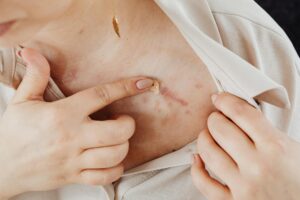
Acne affects millions of people, but for women, hormonal fluctuations can make it particularly stubborn and persistent, often resisting standard topical treatments. Many turn to birth control as a solution, hoping it will regulate hormones and clear the skin. However, not all birth control methods deliver these benefits—in fact, some can exacerbate breakouts by disrupting the delicate balance of androgens and sebum production that fuels acne.
This article explores why certain birth control options help acne while others do not, focusing on their impact on skincare outcomes. Readers will learn the key hormonal mechanisms behind acne, which types of birth control are effective (and which to avoid), real-world considerations for treatment, and practical steps to integrate this into a skincare routine. By understanding these differences, you can make informed choices with your dermatologist to achieve clearer skin without unintended flare-ups.
Table of Contents
- Why Does Hormonal Birth Control Help Some Acne But Not All?
- Which Birth Control Types Worsen Acne?
- FDA-Approved Birth Control for Acne-Prone Skin
- Limitations and Realistic Expectations for Acne Clearance
- Non-Pill Hormonal Options and When to Switch
- How to Apply This
- Expert Tips
- Conclusion
- Frequently Asked Questions
Why Does Hormonal Birth Control Help Some Acne But Not All?
Birth control influences acne primarily through its effects on androgens, hormones that stimulate sebaceous glands to produce excess oil, or sebum, leading to clogged pores and breakouts. Combination pills containing both estrogen and progestin lower androgen levels, reducing sebum and improving moderate to severe acne, including blackheads, whiteheads, pimples, and cysts.
Not all birth control targets this pathway equally. Progestin-only methods, like the mini-pill or certain implants, lack estrogen's balancing effect and may even raise androgen activity, worsening oil production and acne along the jawline or neck. Clinical reviews show combination pills match antibiotics' long-term efficacy for women's acne, but results vary by formulation and individual response, often requiring months to see improvement.
- FDA-approved pills like YAZ (with drospirenone), Ortho Tri-Cyclen (norgestimate), and Estrostep (norethindrone) show similar success in reducing inflammatory lesions by minimizing sebum.
- Monophasic combination pills provide steady estrogen levels, preventing testosterone spikes that trigger flares, unlike multiphasic ones with fluctuating doses.
- Initial acne worsening is common as hormones adjust, so pairing with topicals enhances results without relying solely on the pill.
Which Birth Control Types Worsen Acne?
Progestin-only contraceptives fail to counter androgen-driven sebum overproduction, and some actively increase it, making them poor choices for acne-prone skin. The mini-pill, Depo-Provera injections, hormonal IUDs like Mirena, and subdermal implants like Nexplanon often lead to more breakouts, as studies report higher acne incidence among users compared to combination methods.
These options prioritize pregnancy prevention without estrogen's sebum-suppressing benefits, sometimes elevating free testosterone levels. For skincare-focused women, this can mean persistent cystic acne or hormonal flares tied to menstrual cycles, undermining topical routines. Dermatologists recommend avoiding them if acne is a concern, opting instead for estrogen-inclusive alternatives.
- Progestin-only pills and injections like Depo-Provera correlate with increased androgen activity and reported acne worsening in user studies.
- Hormonal IUDs release progestin locally but systemically affect oil production, with research showing higher acne rates versus pills or rings.
FDA-Approved Birth Control for Acne-Prone Skin
Only three combination oral contraceptives have FDA approval specifically for acne treatment in women, all featuring estrogen paired with low-androgenic progestins to optimize skincare benefits. YAZ, with drospirenone, excels at reducing inflammation and sebum, often prescribed for jawline hormonal acne resistant to topicals.
Ortho Tri-Cyclen and Estrostep use norgestimate and norethindrone, respectively, delivering steady hormone levels to minimize flares across acne types. These are typically recommended after antibiotics or topicals fail, offering dual contraception and skin-clearing effects with up to 99% reliability when taken correctly. Vaginal rings and patches provide similar benefits but with varying estrogen doses—pills remain the gold standard for tolerability.
- YAZ combines ethinyl estradiol and drospirenone, targeting excess androgens for fewer pimples and less severity.
- Ortho Tri-Cyclen and Estrostep balance estrogen with progestins that do not boost oil, effective for blackheads to cysts.

Limitations and Realistic Expectations for Acne Clearance
Birth control addresses only one acne factor—hormonal sebum excess—so it rarely works alone for complete clearance. It excels against hormonal acne but pairs best with topicals like retinoids or benzoyl peroxide to tackle bacteria, inflammation, and clogged pores.
Full results take 3-6 months, with early flares possible as skin adjusts. Not everyone qualifies; smokers, those over 35, or with certain health risks face contraindications.
Progestin choice matters—higher androgenic types can counteract benefits. For persistent cases, alternatives like spironolactone complement without switching methods. Long-term, it rivals antibiotics but avoids resistance issues, making it a skincare staple for eligible women.
Non-Pill Hormonal Options and When to Switch
Beyond pills, monophasic combination patches and vaginal rings deliver steady estrogen to curb testosterone and sebum, though rings' lower dose limits efficacy for severe acne. Patches offer higher estrogen but may irritate skin, so pills are often preferred for dual acne-contraception needs.
If current birth control worsens acne, switching to an approved combination pill resolves issues for many, per clinical data. For non-oral preferences, consult a dermatologist—hormonal IUDs or implants should be avoided. Integrating with skincare prevents reliance on one method.
How to Apply This
- Track your acne patterns and current birth control use, noting jawline or cycle-tied flares that signal hormonal causes.
- Consult a dermatologist or OB-GYN to review options, prioritizing FDA-approved combination pills like YAZ if eligible.
- Start or adjust topicals (e.g., salicylic acid, retinoids) alongside the new method to address multiple acne factors.
- Monitor skin for 3-6 months, switching progestin types or adding spironolactone if needed for optimal clearance.
Expert Tips
- Choose low-androgenic progestins like drospirenone or norgestimate to minimize sebum spikes and support skincare routines.
- Pair birth control with non-comedogenic moisturizers to counter initial dryness without clogging pores.
- Avoid progestin-only methods if acne persists; studies link them to worse outcomes than combination options.
- Time switches mid-cycle if possible to reduce flare risk, and use gentle exfoliants during adjustment.
Conclusion
Understanding that not all birth control helps acne empowers women to select methods that align with skincare goals, reducing sebum through estrogen-progestin balance while avoiding androgen-boosting alternatives. FDA-approved options like YAZ provide proven relief for hormonal breakouts, often matching antibiotics long-term when combined with topicals.
By prioritizing combination formulations and professional guidance, you can achieve clearer skin without compromising contraception. This targeted approach transforms birth control from a potential acne trigger into a reliable ally in your skincare arsenal.
Frequently Asked Questions
Can progestin-only birth control like the mini-pill improve my acne?
No, progestin-only methods often worsen acne by increasing androgen levels and sebum production, unlike estrogen-containing combinations.
How long does it take for acne-approved birth control to work?
Expect 3-6 months for noticeable improvement, with possible initial flares; consistent use with topicals speeds results.
Are there non-pill birth control options good for acne?
Combination patches and vaginal rings help via steady estrogen, but pills are most effective and tolerable for skin clearance.
What if my birth control is making acne worse—should I stop it?
Switch to an FDA-approved combination pill under medical supervision, adding spironolactone if needed for stubborn hormonal acne.