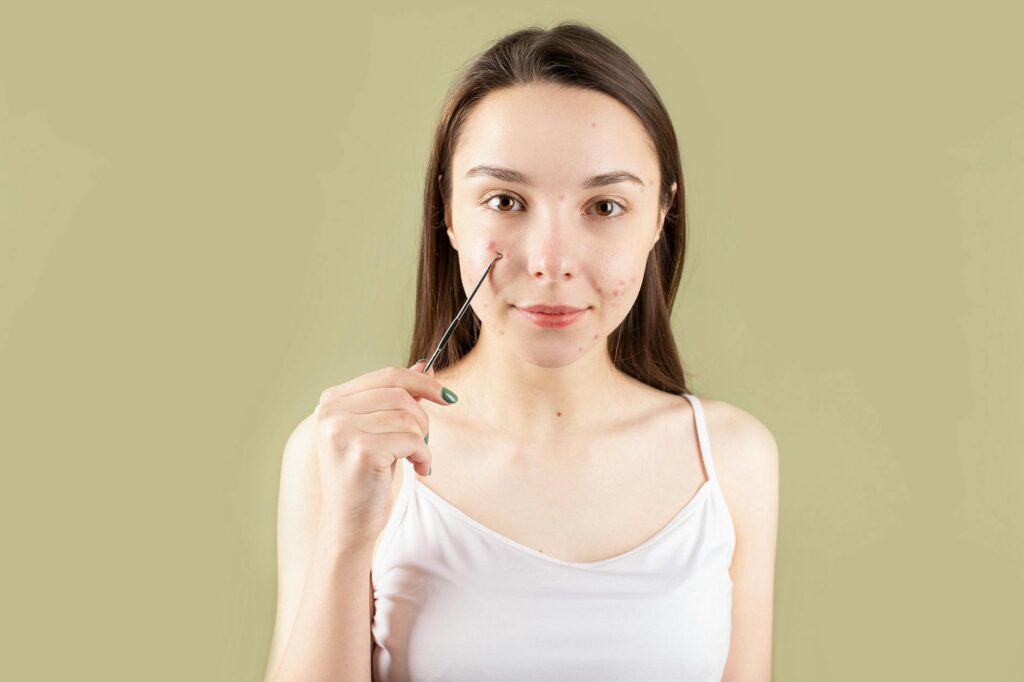
Nodules under the skin after subcision are a completely normal part of the healing process and occur in the vast majority of patients who undergo this procedure. These small, firm bumps form as your body initiates an inflammatory response to break down the scar tissue that was released by the needle, and they typically resolve on their own within 2 to 6 weeks as healing progresses.
If you’ve had subcision for acne scars and noticed these bumps appearing within days of treatment, rest assured this is expected and not a sign of complications. This article covers what causes post-subcision nodules, how to distinguish them from actual complications, what timeline you can expect for resolution, and how to manage them during the healing phase. We’ll also discuss when nodules warrant a call to your dermatologist, the long-term outcomes for your scars, and how subcision fits alongside other acne scar treatments for optimal results.
Table of Contents
- What Causes Nodules to Form After Subcision?
- The Healing Timeline—What to Expect Week by Week
- Distinguishing Normal Nodules from Complications
- How to Manage Nodules During Healing
- When Nodules Warrant a Dermatology Follow-Up
- Long-Term Outcomes—How Scar Improvement Relates to Nodule Healing
- Combining Subcision with Other Treatments for Enhanced Results
- Conclusion
What Causes Nodules to Form After Subcision?
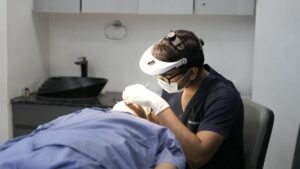
During subcision, your dermatologist uses a specialized needle (like a Nokor needle) to separate the fibrous tissue that tethers your depressed scars to deeper skin layers. This intentional trauma triggers your body’s healing cascade, which includes inflammation and new collagen formation. Nodules are essentially the physical manifestation of this healing process—they’re areas where the body is actively remodeling tissue and depositing collagen to fill the space created by the separation. The nodules form because subcision creates micro-trauma and small pockets of inflammation beneath the skin. Your immune system responds by sending inflammatory cells and fibroblasts to the area, which gradually rebuild the tissue architecture.
Think of it like this: subcision deliberately breaks the scar tissue bonds, and your body’s next job is to fill that space with fresh, more flexible tissue. The nodules you feel are temporary scaffolding while this construction happens underneath. Most patients develop these nodules within 3 to 7 days after treatment, and they’re often accompanied by mild to moderate swelling and bruising. This is not a sign that something went wrong—quite the opposite. If you don’t experience any nodule formation or significant swelling, it may actually indicate the procedure was too shallow or had limited effect.
The Healing Timeline—What to Expect Week by Week
The first week after subcision is when nodules are most pronounced. Days 1 to 3 typically show significant swelling and bruising along with firm nodules as the initial inflammatory response peaks. By day 5 to 7, the nodules become more discrete and you can palpate them more easily as the generalized swelling begins to decrease. This is when many patients become most aware of them because the surrounding swelling has gone down enough to feel the individual bumps. Weeks 2 and 3 are the pivotal period.
During this time, nodules remain palpable but begin to soften as collagen remodeling accelerates and the body’s inflammatory response transitions to the proliferative phase of healing. By week 4, most patients notice the nodules becoming significantly smaller and softer, though some may still be present. However, if you have sensitive skin or received a particularly aggressive subcision session, nodules may persist slightly longer—up to 8 weeks in some cases, though this is less common. A limitation to note: the timeline varies based on individual healing capacity, your skin’s collagen production efficiency, and the depth and extent of subcision performed. Someone with a history of poor wound healing or tendency toward keloid formation may experience slower resolution. Additionally, if you continue to manipulate or massage the area excessively, you may prolong inflammation and nodule persistence.
Distinguishing Normal Nodules from Complications
Normal post-subcision nodules have certain characteristics that differentiate them from problems that require immediate attention. They are generally firm but mobile under the skin, small to medium in size (typically pea-sized to slightly larger), and they move slightly when you press on them. They’re distributed across the treatment area and don’t concentrate in just one spot. Normal nodules are not extremely painful—you might feel tenderness or mild discomfort, but sharp, intense pain is a red flag. Nodules that concern your dermatologist include those that are extremely hard and immobile, rapidly enlarging after week 2, accompanied by increasing redness or warmth (signs of possible infection), or persisting unchanged beyond 8 weeks.
If a nodule becomes hypertrophic—meaning it grows larger and doesn’t soften—it may indicate keloid formation or an overly aggressive inflammatory response. This is rare but more common in patients with darker skin tones (due to genetic predisposition to keloid formation) or those with a personal or family history of keloids. A practical comparison: a normal nodule feels like a pea under the skin that gradually softens like a grape, then becomes barely noticeable. An abnormal nodule feels like a hardened knot that stays firm, grows, or becomes increasingly tender. If you’re uncertain, take a photo of the area and compare it to photos from a week earlier—normal nodules visibly flatten and fade, while problematic ones stagnate or worsen.
How to Manage Nodules During Healing
The best approach to managing post-subcision nodules is largely non-intervention combined with strategic care. Avoid touching, pressing, or massaging the nodules intentionally, as this can perpetuate inflammation and slow healing. You may feel tempted to “work them out” or check if they’re still there, but restraint is crucial. Instead, focus on keeping the area clean and protected from irritants—use only the gentle cleanser and post-care products your dermatologist recommends during the first 2 weeks. Topical support can help. After any open wounds have fully closed (usually by day 3 to 5), you can introduce gentle supporting treatments.
Some dermatologists recommend silicone gel sheets or ointments to support healing, while others suggest avoiding any topical products beyond basic moisturizer during the critical first week. Oral anti-inflammatory support, like taking ibuprofen as directed if you don’t have contraindications, can reduce overall inflammation and may indirectly support faster nodule resolution. Cold compresses in the first 48 hours help with swelling, while avoiding heat, exercise, and alcohol during the first week minimizes vasodilation and inflammation. The key tradeoff here is between patience and intervention. While you want healing to progress quickly, aggressive treatment approaches (like trying to drain nodules, using strong retinoids immediately, or excessive massage) typically backfire and prolong recovery. Your best investment is conservative care—hydration, sun protection, and restraint.
When Nodules Warrant a Dermatology Follow-Up
You should contact your dermatologist if nodules show any of these signs: they’re accompanied by fever or systemic symptoms (suggesting possible infection), they become increasingly painful or tender after week 1, they show signs of infection like purulent drainage or surrounding cellulitis, they remain unchanged and firm at the 8-week mark, or they continue to enlarge after week 2. Additionally, if nodules are accompanied by a rash, hives, or signs of allergic reaction, this needs professional assessment. Most dermatologists schedule a follow-up appointment around 2 to 4 weeks after subcision specifically to assess healing and nodule progression. This is your opportunity to discuss any concerns. Bring up nodules that feel unusual or are slower to resolve than expected.
Your dermatologist can evaluate whether they represent normal healing variance or something requiring intervention like steroid injection, laser treatment, or in rare cases, manual drainage. A practical note: don’t self-diagnose based on internet images or forums. Every person heals differently, and what looks like a complication in a photo might be perfectly normal variation. Your dermatologist has the clinical experience to distinguish between normal and abnormal, and they’ve seen hundreds of post-subcision patients. Trust their assessment over your internet research.
Long-Term Outcomes—How Scar Improvement Relates to Nodule Healing
The presence of nodules during healing actually indicates that your scar treatment is working. The inflammation and collagen remodeling that creates these bumps is the same process that lifts depressed scars and improves their appearance. As nodules resolve, the newly organized collagen beneath the skin is settling into a more structured, less tethered position.
By 3 months post-procedure, the skin typically shows noticeable improvement in scar depth and contour. Most patients see 40 to 50 percent improvement in the treated scars after a single subcision session, with continued subtle improvement through 6 months as collagen maturation completes. The nodules you experienced in weeks 1 through 6 are directly connected to this improvement—they represent active tissue remodeling. After nodules fully resolve and the skin settles (typically by 2 to 3 months), you’ll have a clearer picture of how well your scars responded to treatment and whether additional sessions might be beneficial.
Combining Subcision with Other Treatments for Enhanced Results
Many dermatologists recommend combining subcision with complementary treatments for better overall results, and the nodule timeline influences when these treatments can be safely added. For example, dermarolling or microneedling is sometimes performed at the same time as subcision or scheduled for 4 to 6 weeks afterward, once nodules have largely resolved. Laser treatments like fractional CO2 can be combined with subcision, though timing matters—some practitioners prefer spacing them 2 to 3 weeks apart to prevent overwhelming the healing response.
Tretinoin or other retinoids are typically introduced 2 to 3 weeks post-subcision once the skin barrier has recovered and nodules are beginning to soften. Chemical peels are best delayed 4 to 6 weeks to avoid interfering with the critical healing window. The presence and timing of nodules helps guide when your dermatologist can safely layer in these additional modalities. Trying to rush other treatments while nodules are actively forming usually extends recovery and doesn’t improve results—patience actually optimizes outcomes.
Conclusion
Nodules under the skin after subcision are a normal, expected part of healing that indicates your body is actively repairing and remodeling scar tissue. They typically appear within days of treatment, peak in firmness during weeks 1 and 2, and gradually soften and resolve by weeks 4 to 6 for most patients. Understanding this timeline helps you distinguish normal healing from complications and approach the recovery period with appropriate expectations. Your role during the nodule phase is primarily one of conservative support and patience.
Keep the area clean, avoid unnecessary manipulation, maintain sun protection, and let your body’s natural healing process work. If nodules show any signs of infection, extreme hardness, persistent growth, or other concerning features, contact your dermatologist. Remember that the nodules you’re experiencing are the visible sign of the beneficial tissue remodeling that will ultimately improve your acne scars. By the time these temporary bumps have fully resolved, you should see meaningful improvement in scar depth and skin texture.