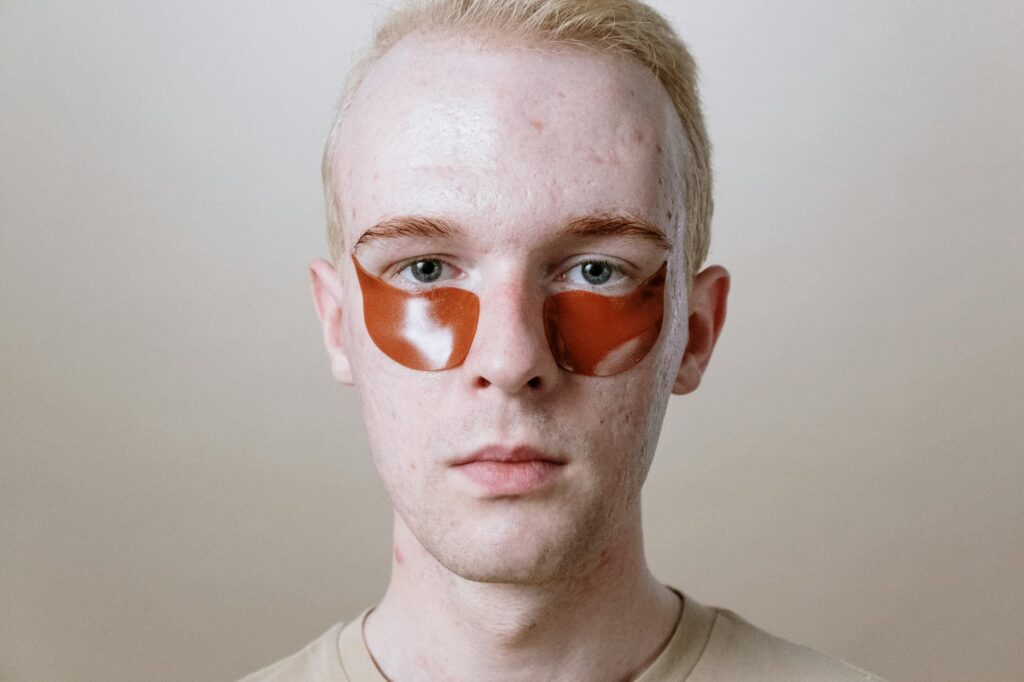
No single treatment works for all acne scars because scar types differ fundamentally in structure and depth. A treatment that effectively addresses shallow boxcar scars—those round or oval depressions with sharp edges measuring 0.1 to 5mm in width—may be entirely ineffective for ice pick scars, which are narrow, deep punctures extending far into the dermis. Similarly, rolling scars, the widest type at up to 5mm in diameter and comprising 15 to 25% of atrophic scars, respond to different mechanisms than their sharper counterparts because they’re caused by fibrous anchoring rather than simple tissue loss. For example, skin resurfacing treatments like laser or chemical peels can improve shallow scars by removing surface tissue, but they won’t reach the depths needed for ice pick scars without risking excessive damage to healthy skin.
The statistics on scarring prevalence underscore why this precision matters. Approximately 71.3% of acne patients develop scarring, with some research suggesting that up to 95% of acne-affected individuals develop some degree of scarring. Given these numbers, the ability to match treatment to scar type isn’t a luxury—it’s essential for effective care. This article explores the structural differences between scar types, why depth determines treatment feasibility, how professional treatments vary in their mechanisms, and what the latest research reveals about combination approaches that increasingly define successful acne scar management.
Table of Contents
- Why Scar Depth and Type Determine Treatment Success
- How Scar Formation and Structure Vary
- Professional Treatment Effectiveness Varies by Scar Type
- Laser, Microneedling, and Chemical Peels—When Each Works Best
- Combination Therapy and the Current Standard of Care
- Risk Factors That Influence Scar Development and Treatment Response
- The Future of Acne Scar Treatment and Emerging Approaches
- Conclusion
- Frequently Asked Questions
Why Scar Depth and Type Determine Treatment Success
The depth of a scar is the primary determinant of which treatment will work. Shallow boxcar scars measuring just 0.1 to 0.5mm in depth respond well to skin resurfacing techniques that gradually remove the top layer of skin, allowing the body to remodel the depressed area. Deeper scars extending 0.5mm or beyond require techniques that stimulate collagen production in the deeper dermis, which surface-level treatments cannot reach. Ice pick scars present the most significant challenge because their narrow depth means that even aggressive surface treatments struggle to substantially improve them without causing unacceptable skin damage.
Rolling scars, by contrast, demand a different approach entirely. Because they’re anchored by fibrous bands pulling the skin down rather than simple atrophic tissue loss, breaking those fibrous connections—through subcision or similar techniques—often precedes or accompanies other treatments. A dermatologist treating rolling scars might perform subcision first, then follow with laser resurfacing weeks later, whereas the same two-step approach would be unnecessary and inefficient for ice pick scars. This is why accurate scar classification by a professional is the critical first step: misidentifying a rolling scar as a boxcar scar could lead to months of treatment failure before the diagnosis is corrected.
How Scar Formation and Structure Vary
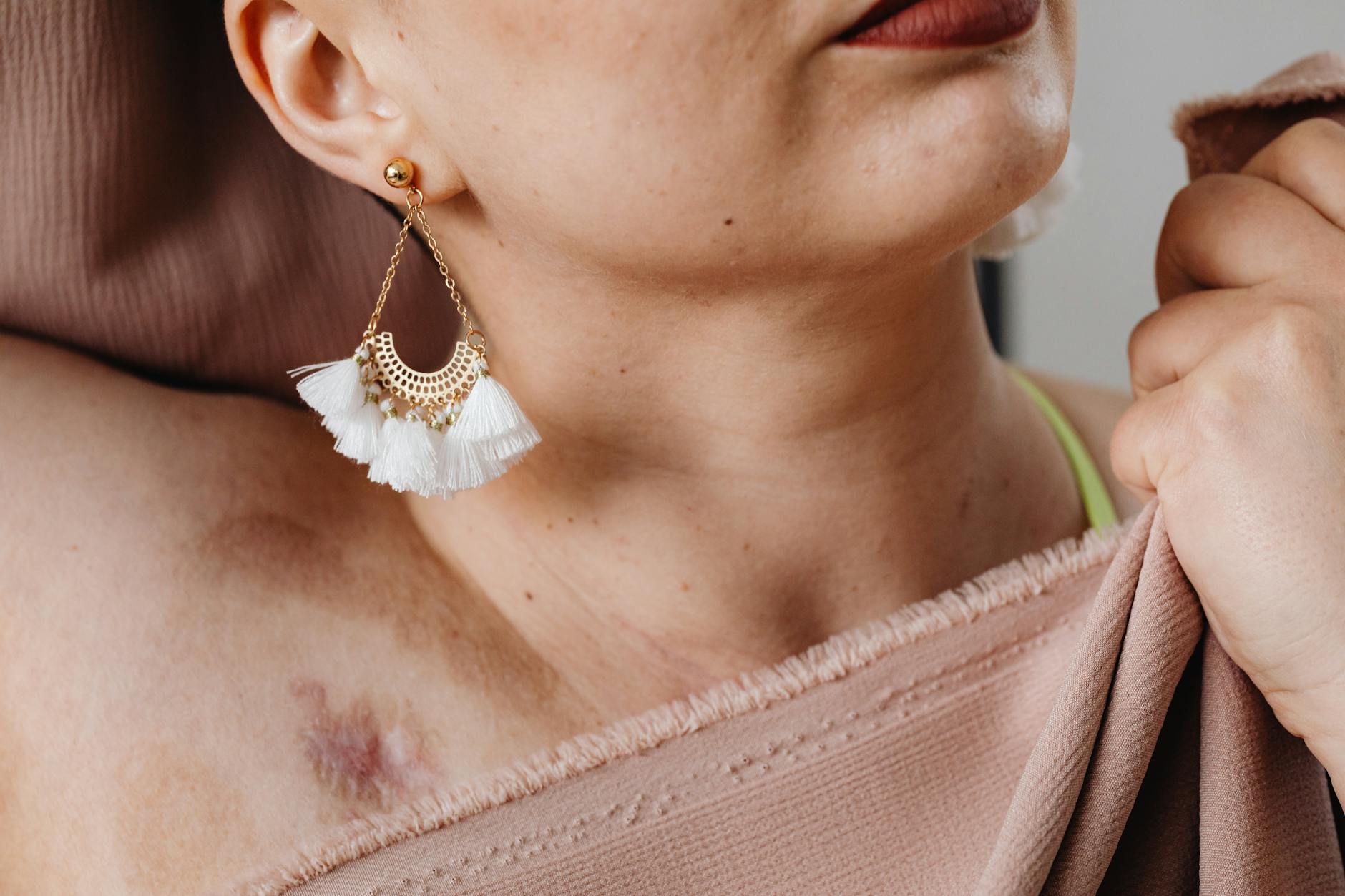
Acne scars form through different mechanisms depending on how severe the initial inflammation was and how the skin healed afterward. When acne inflammation is intense and prolonged, the sebaceous gland and surrounding tissue are destroyed faster than the body can produce collagen to fill the void. The result is an atrophic (depressed) scar. However, the inflammation and healing process don’t occur uniformly across all acne lesions, which is why the resulting scars vary so much in appearance and depth.
The structural differences between scar types matter enormously for treatment selection. Ice pick scars are essentially columns of damaged tissue extending downward; their narrow diameter means that lateral widening of the scar (which happens when skin resurfacing smooths away the surrounding tissue) is often the only visible result, without actual depth improvement. Boxcar scars, with their broader, flatter base and sharp edges, respond more predictably to resurfacing because the entire depressed area is relatively uniform in depth. Rolling scars, anchored by fibrotic bands, don’t respond to surface treatments at all until those anchoring bands are released. However, if a patient has a combination scar—for instance, a predominantly rolling scar with some boxcar characteristics in the margins—treatment planning becomes more complex and often requires staged approaches.
Professional Treatment Effectiveness Varies by Scar Type
Research on treatment outcomes demonstrates why matching treatment to scar type matters. Across professional treatments, a 50 to 70% improvement in scar depth is typically achieved after 3 to 5 sessions spaced 4 to 6 weeks apart, according to American Academy of Dermatology standards. However, this aggregate figure masks significant variation: certain scar types achieve much better results, while others improve minimally with the same treatment protocol. A particularly striking finding comes from randomized split-face trials comparing non-insulated microneedle fractional radiofrequency (NIMFRF) and ablative fractional CO2 laser treatment.
Approximately 95% of subjects achieved “satisfied” or “very satisfied” improvement with these combination approaches, suggesting that when the right treatment is selected for the right scar type, outcomes can be excellent. The critical qualifier: this high satisfaction rate reflects patients whose scars were appropriate candidates for these technologies. A patient with predominantly ice pick scars might not be part of that satisfied cohort if NIMFRF or ablative CO2 were applied without complementary techniques. This is why published satisfaction rates, while encouraging, cannot predict individual outcomes without proper scar assessment.
Laser, Microneedling, and Chemical Peels—When Each Works Best
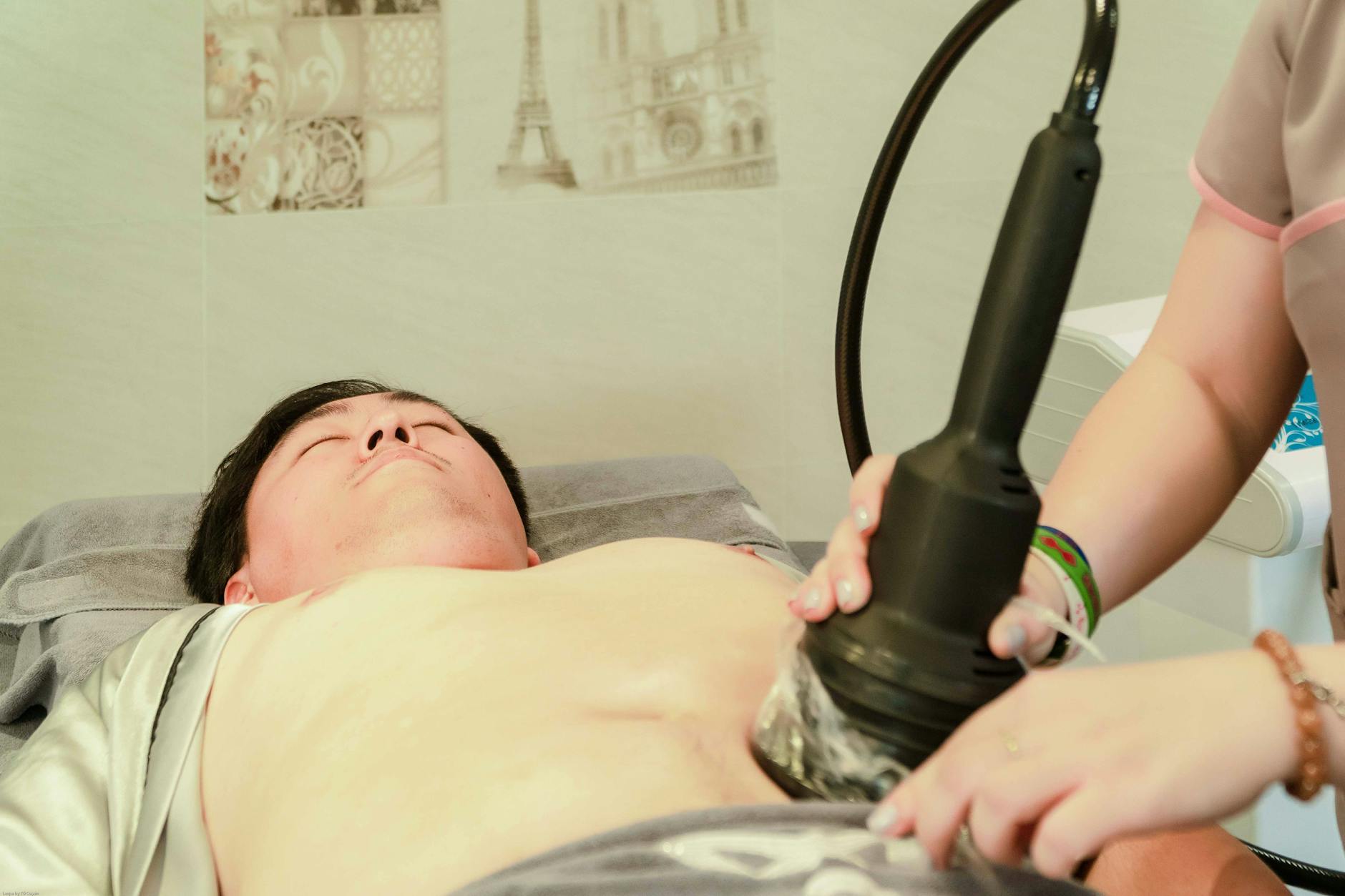
Modern acne scar treatment relies on several distinct modalities, each with different mechanisms and optimal applications. Ablative fractional CO2 lasers vaporize columns of skin and stimulate deep collagen remodeling, making them particularly effective for boxcar and rolling scars but risky for ice pick scars without careful technique. Non-ablative lasers, which don’t remove tissue, provide milder stimulation with less downtime and less risk of worsening scars, making them suitable for patients who want conservative initial treatment or have multiple scar types mixed across their face. Microneedling creates controlled microinjuries to stimulate collagen induction, and fractional radiofrequency microneedling adds heat energy for more aggressive remodeling. Chemical peels, from superficial glycolic acid peels to medium-depth TCA peels, work by dissolving damaged skin to allow controlled regrowth.
None of these work equally well for all scar types. For shallow boxcar scars, a series of medium-depth peels might suffice. For rolling scars, subcision or microneedling preceded by a peel may be necessary. For ice pick scars, even aggressive treatments often produce modest improvements, and managing expectations is as important as selecting the technology. The tradeoff is always downtime versus results: ablative approaches deliver faster, more dramatic improvement but require 1 to 2 weeks of healing, whereas non-ablative or microneedling approaches spread results across multiple sessions but allow normal activities between treatments.
Combination Therapy and the Current Standard of Care
The most significant shift in acne scar treatment in 2025 and 2026 is the emergence of combination therapy as the standard approach rather than an exception. Recent research identifies the integration of chemical peels, laser technologies, and dermal fillers as a key trend to enhance outcomes while reducing overall treatment burden. A randomized clinical trial conducted between January 2022 and July 2023 with 45 patients demonstrated that combined microneedling radiofrequency plus fractional CO2 laser showed superior results compared to either modality used alone, with results published in 2025. This combination approach acknowledges a fundamental truth: different scar types and depths within the same patient’s face require different mechanisms of action.
Using microneedling to release fibrous anchoring in rolling scars, then following with fractional laser to remodel the resulting depressions, achieves more complete results than attempting to address both problems with a single treatment. However, combination therapy carries increased risk if not performed correctly. An important safety note: the FDA issued a communication in October 2025 warning of burn and permanent scarring risks from improper radiofrequency microneedling delivery, underscoring the critical importance of proper technique selection and treatment by experienced providers. This is not a procedure for inexperienced hands or at-home devices, regardless of marketing claims.

Risk Factors That Influence Scar Development and Treatment Response
Understanding who is most likely to scar severely helps dermatologists predict treatment difficulty and set appropriate expectations. Recent 2025 data identifies several risk factors: younger age and adolescent-onset acne are associated with greater severity and scarring risk, and male sex increases scarring odds. Interestingly, the medications used to treat acne also influence scarring outcomes. Patients treated with oral antibiotics showed increased odds of scarring, while those who received oral isotretinoin (Accutane) were more protected against severe scarring, likely because isotretinoin’s dramatic reduction in sebaceous gland activity prevents recurrent inflammatory cycles.
These risk factors matter not just for prediction but for treatment planning. A 20-year-old male with antibiotic-treated acne and moderate scarring will likely require more aggressive intervention than an older patient with less extensive scars. Additionally, the presence of active acne during treatment affects outcomes: scar treatments are far less effective if new acne continues to form, so treating active acne concurrently or beforehand substantially improves scar treatment success rates. This is why dermatologists often recommend waiting until acne is under control—through either topical treatments, oral medications, or isotretinoin—before committing to extensive scar revision procedures.
The Future of Acne Scar Treatment and Emerging Approaches
The trajectory of acne scar treatment is moving toward more personalized, multimodal approaches informed by precise scar classification. Rather than applying the same laser to all scars, future practice will increasingly rely on detailed assessment of scar type, depth, location, skin type, and patient goals to construct individualized protocols. The integration of technologies that were once considered separate—lasers, radiofrequency, microneedling, chemical peels, and fillers—into single-session or staged combination treatments is becoming the norm rather than the exception.
Emerging research continues to investigate novel approaches such as growth factor therapies and engineered collagen matrices, which may eventually provide alternatives or complements to the mechanical and thermal approaches now dominant. However, these innovations underscore a principle unlikely to change: there is no single best treatment for acne scars because scars themselves are not a single problem. Precision in diagnosis and treatment selection will remain the cornerstone of effective scar management for years to come.
Conclusion
The reason no single treatment works for all acne scar types is rooted in basic anatomy: different scars have different depths, structures, and causes, and treating them requires matching these characteristics with appropriate mechanisms. Ice pick scars demand different approaches than boxcar scars; rolling scars require releasing fibrotic anchors before resurfacing is effective; shallow scars respond to gentler treatments while deep scars need aggressive stimulation.
Understanding these distinctions is essential for dermatologists in selecting treatments and for patients in understanding why their specific scar type may require a particular approach or combination of approaches. If you have significant acne scarring, the first step is a consultation with a dermatologist who can accurately classify your scars, assess their depth, and recommend evidence-based treatment options tailored to your specific situation. Expectations matter as much as treatment selection: while modern treatments can achieve 50 to 70% improvement in scar depth across multiple sessions, and some patients achieve excellent results, not all scars respond equally, and managing this realistically from the outset leads to better satisfaction with outcomes.
Frequently Asked Questions
Can the same laser treatment work for all my acne scars if I have multiple types?
Not effectively. If you have a mix of ice pick, boxcar, and rolling scars, a dermatologist may recommend combining different treatment modalities—for example, subcision for rolling scars followed by fractional laser for the boxcar and rolling components—rather than applying one treatment uniformly across your face.
How many treatments will I need before I see results?
Professional treatments typically require 3 to 5 sessions spaced 4 to 6 weeks apart to achieve 50 to 70% improvement in scar depth. However, the number varies based on scar type, depth, and the technology used. Ice pick scars typically require more sessions with less dramatic results, while boxcar scars may show substantial improvement more quickly.
Is it safe to try at-home acne scar treatments instead of professional ones?
At-home microneedling rollers and peels can provide modest results for very shallow scars, but they cannot achieve the depth, precision, or safety of professional treatments. Professional fractional lasers and radiofrequency microneedling deliver controlled energy to specific depths in the skin; at-home devices cannot. The FDA’s October 2025 safety warning about improper radiofrequency delivery emphasizes why professional guidance is important, especially for deeper or more aggressive treatments.
Why does my dermatologist recommend waiting until my acne is fully controlled before treating scars?
Active acne continues to cause new inflammation and potential scarring, which undermines scar treatment results. Treating active acne first ensures that your skin is stable before beginning scar revision, making treatments far more effective and preventing the frustration of improving old scars while new ones form.
Can dermal fillers replace laser treatment for acne scars?
Fillers can temporarily improve the appearance of depressed scars by raising the depression, but they do not address the underlying structural damage and are not permanent. For lasting results, most dermatologists combine fillers with treatments like laser or microneedling that stimulate collagen remodeling, creating both immediate improvement and long-term structural change.