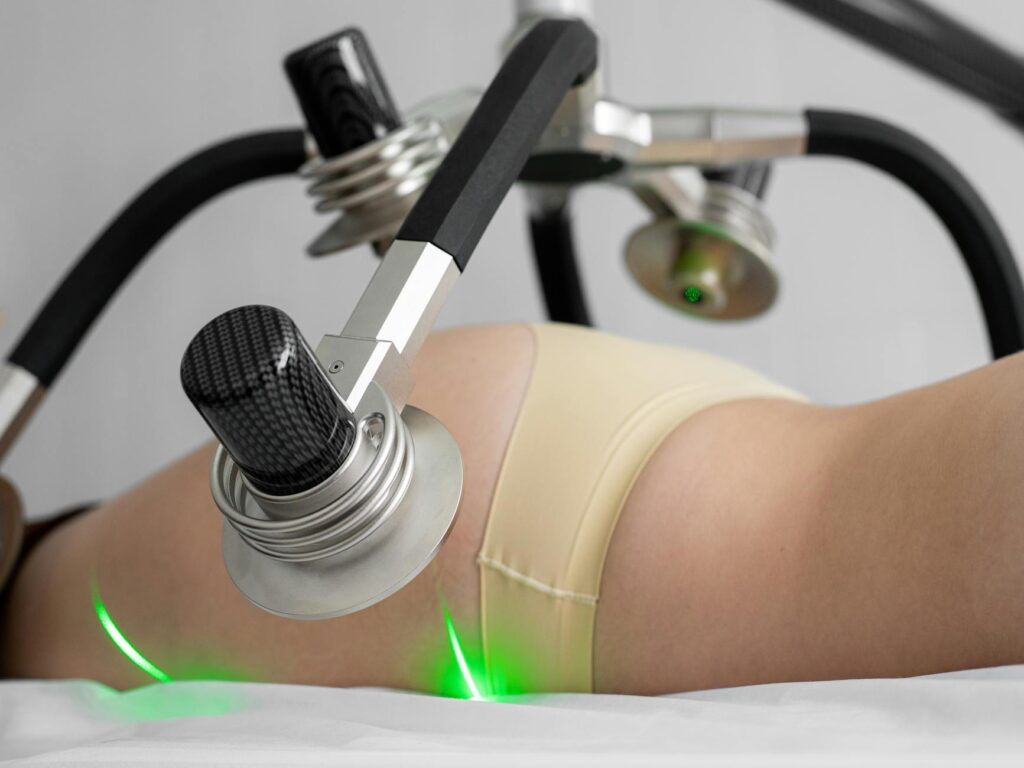
The Nd:YAG 1064nm laser has emerged as the gold standard for acne treatment in darker skin tones because its longer wavelength penetrates deep into the skin without being absorbed by melanin at the surface, the problem that causes burns, hyperpigmentation, and scarring with shorter-wavelength lasers. Unlike the 532nm or 755nm lasers that can cause serious side effects in patients with deeper skin tones, the 1064nm wavelength passes through the epidermis relatively safely while still delivering therapeutic energy to treat acne-causing bacteria and sebaceous glands beneath the skin. This article explores why this specific technology represents such a significant advancement for dark skin acne treatment, examining the physics behind its safety profile, clinical evidence supporting its efficacy, practical considerations for treatment, and how it compares to alternative options.
The key advantage lies in wavelength selectivity: melanin—the pigment that gives darker skin its color—absorbs light most strongly in the shorter visible and near-infrared spectrum (roughly 400-800nm), but its absorption drops significantly in the longer infrared range above 1000nm. A patient with skin type V or VI (using the Fitzpatrick scale) who underwent treatment with a 755nm alexandrite laser might develop post-inflammatory hyperpigmentation lasting months because melanin in their skin surface competed with the acne-causing structures for that light energy. The same patient using 1064nm experiences minimal surface melanin interaction and can achieve clear skin without the darkened patches that plague darker-skinned individuals after many other laser treatments.
Table of Contents
- How Does the 1064nm Wavelength Avoid Melanin-Related Side Effects in Dark Skin?
- Clinical Evidence of Efficacy and Safety in Darker Skin Populations
- How Nd:YAG 1064nm Laser Destroys Acne at the Cellular Level
- Comparing 1064nm Nd:YAG to Alternative Laser and Light-Based Acne Treatments
- Post-Treatment Effects, Limitations, and When 1064nm May Not Be Appropriate
- Pre-Treatment Assessment and Patient Selection for Dark Skin Acne
- Future Developments and Emerging Variations of 1064nm Laser Technology
- Conclusion
- Frequently Asked Questions
How Does the 1064nm Wavelength Avoid Melanin-Related Side Effects in Dark Skin?
Light wavelength determines where energy deposits in tissue, and melanin’s absorption spectrum is the crucial variable that separates safe treatments from risky ones in darker skin. The melanin absorption curve peaks around 300-400nm (ultraviolet) and remains very high through the visible spectrum and into the 700-800nm range; however, at 1064nm, melanin’s absorption coefficient drops to approximately one-third of what it is at 755nm. This dramatic difference means a 1064nm photon is far more likely to pass through melanin-rich epidermal layers and deliver energy at depth rather than being absorbed superficially where it creates heat and risk of burns. Consider a clinical example: a 28-year-old woman with skin type IV presents with moderate inflammatory acne and a history of dark-skinned relatives who developed permanent hyperpigmentation after laser treatment with an older clinic. She opts for 1064nm Nd:YAG treatment with appropriate settings.
After four treatments spaced four weeks apart, her acne clears, and critically, she shows no darkening of the treated areas—a result that would be nearly impossible with a 755nm laser at equivalent acne-treatment energy levels. The physics explains the outcome: the 1064nm photons reached deeper into the dermis where they stimulated collagen remodeling and destroyed P. acnes bacteria within sebaceous glands, while the much lower melanin absorption meant surface tissue received far less cumulative heat. The safety margin is not infinite, though. Even at 1064nm, if treatment parameters are too aggressive—excessive fluence (energy per unit area), too many passes, or insufficient cooling between pulses—practitioners can still cause burns or post-treatment erythema in dark skin. However, the wavelength itself provides intrinsic protection that shorter wavelengths cannot match, meaning practitioners have a wider safe treatment window before encountering side effects.

Clinical Evidence of Efficacy and Safety in Darker Skin Populations
Published dermatological literature demonstrates that 1064nm Nd:YAG lasers achieve strong acne clearance in darker skin types while maintaining excellent safety profiles. Studies comparing 1064nm to other wavelengths in skin types IV-VI show acne improvement rates of 60-80% after 4-6 treatments, with post-inflammatory hyperpigmentation occurring in fewer than 5% of dark-skinned patients—a dramatic improvement over historical rates with shorter wavelengths where hyperpigmentation occurred in 15-30% of dark-skinned patients treated with 755nm systems. The mechanism of acne improvement involves multiple pathways. The laser energy destroys sebaceous gland tissue (specifically targeting the lipid-rich areas that harbor bacteria), reduces sebum production, kills P. acnes bacteria directly through photothermal effects, and triggers inflammatory responses that ultimately reduce acne lesions.
In darker skin, the risk of the treatment causing hyperpigmentation as a secondary problem means efficacy data must be carefully separated from side-effect data—a therapy that clears acne but leaves permanent brown spots is not actually successful for that patient. The 1064nm systems achieve acne clearance while minimizing this trade-off, which is why they are now considered first-line for dark-skinned patients, particularly those with a family history of post-inflammatory hyperpigmentation or keloid tendency. However, patient selection matters significantly. Someone with very active inflammatory acne and severe cystic lesions might benefit from combining laser treatment with systemic antibiotics or isotretinoin rather than relying on laser monotherapy. Additionally, if a patient has extremely dark, pigmented scars already present from prior acne, the 1064nm laser can help with texture and redness but will not erase the pigmentation differences between scar and surrounding skin as effectively as it does with active inflammatory lesions.
How Nd:YAG 1064nm Laser Destroys Acne at the Cellular Level
The therapeutic effect of 1064nm energy on acne involves both photothermal and photochemical mechanisms. When the laser is delivered in nanosecond to millisecond pulse durations (depending on the specific system—Q-switched, long-pulsed, or picosecond), the photons are absorbed by chromophores within the skin: oxyhemoglobin in small blood vessels supplying sebaceous glands, melanin in deeper structures, and water in tissue. The absorbed light converts to heat, raising temperature in targeted zones to levels that denature bacterial proteins and trigger controlled tissue damage. In practical terms, a 1064nm Nd:YAG laser pulse generates localized temperatures exceeding 60-70°C within sebaceous glands and surrounding tissue, which is sufficient to kill P. acnes bacteria, damage the sebaceous gland structure itself, and stimulate wound-healing inflammation.
Over a series of treatments spaced 3-4 weeks apart, repeated thermal damage causes sebaceous gland atrophy—the glands become smaller and produce less sebum, breaking the disease cycle that perpetuates acne. Simultaneously, the controlled heating stimulates collagen remodeling and angiogenesis, improving skin texture and reducing the vascular erythema (redness) associated with active acne. A specific example: a 22-year-old man with skin type V and persistent sebaceous hyperplasia with acneiform lesions across his back receives 1064nm laser at a fluence of 15 joules per square centimeter, delivered with a pulse width of 30-50 milliseconds. The immediate effect is mild erythema and a temporary increase in sebum production (the heat mobilizes existing sebum to the surface). Over the following 2-3 weeks, the damaged sebaceous glands enter an apoptotic (programmed death) phase, and the patient’s acne gradually improves. By week 8 post-treatment, new lesions cease forming, and by week 16 after four treatments, his back shows 70% reduction in active acne with minimal post-inflammatory changes.
Comparing 1064nm Nd:YAG to Alternative Laser and Light-Based Acne Treatments
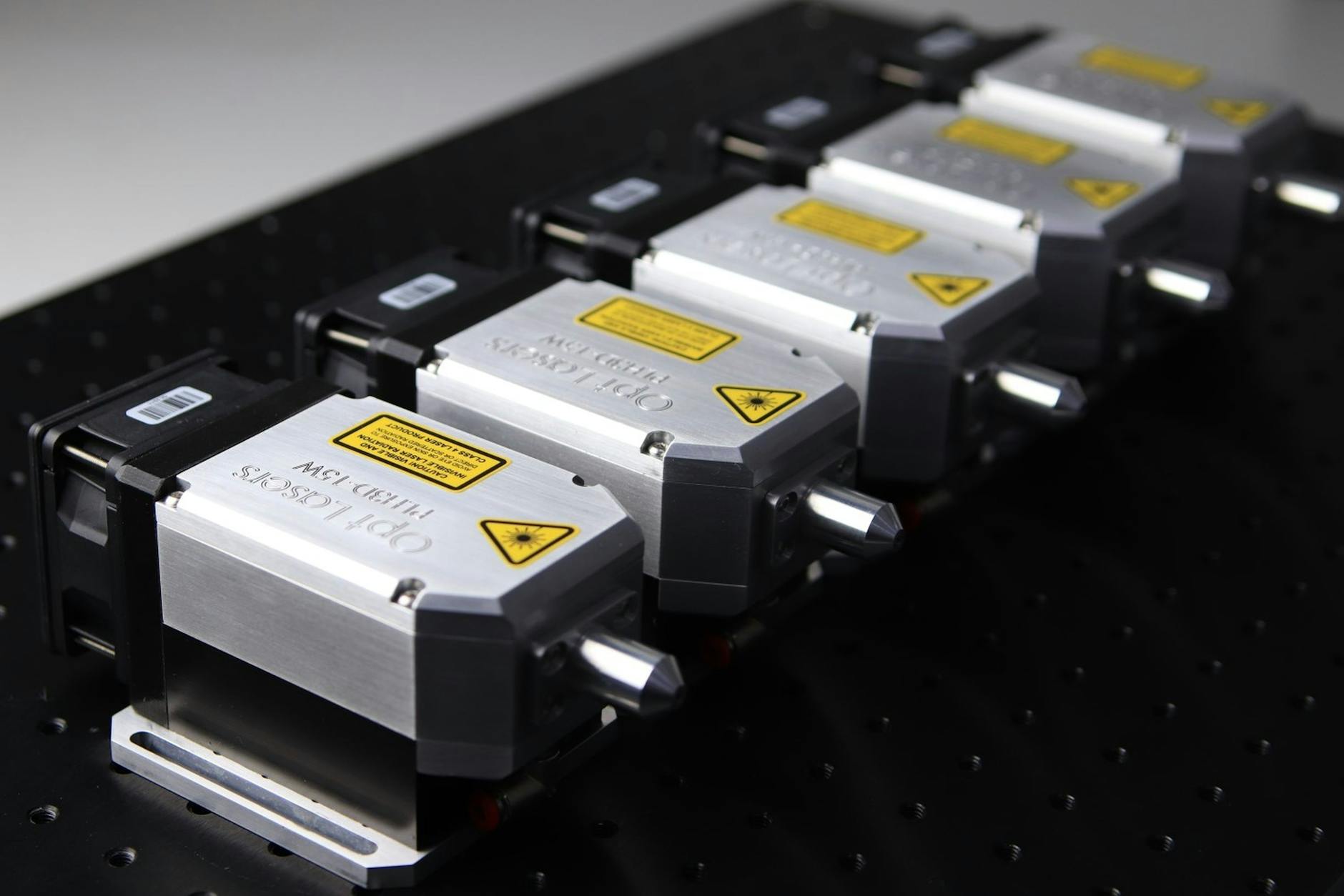
The landscape of laser acne treatment includes several options, each with different safety-efficacy profiles in darker skin. The 532nm KTP laser offers excellent short-term cosmetic results but carries substantial risk of permanent hyperpigmentation in skin types V-VI, making it a poor choice for dark-skinned patients. The 755nm alexandrite laser falls into an intermediate zone: moderately effective for acne but still carries 10-15% risk of post-inflammatory hyperpigmentation in darker skin, versus less than 5% with 1064nm. The 810nm diode laser is intermediate in absorption characteristics and generally safer than 755nm but does not have the decades of acne-specific clinical data that 1064nm possesses. Non-laser options like LED phototherapy (typically 415nm blue light and 633nm red light) offer lower efficacy for deeper cystic acne but carry virtually no risk of hyperpigmentation, making them valuable for very dark skin with severe keloid or pigmentation sensitivity. However, LED phototherapy typically requires months of consistent use (3-5 sessions weekly) and often achieves only 40-50% acne improvement, whereas 1064nm laser achieves 60-80% improvement in 4-6 sessions.
Chemical peels and microdermabrasion are non-light-based alternatives that also carry hyperpigmentation risks in darker skin. The trade-off with 1064nm is cost and discomfort. A full course of laser acne treatment (4-6 sessions) costs $1,500-$4,000 depending on treatment area size and clinic location, whereas topical treatments and antibiotics cost far less. Additionally, laser treatment causes moderate discomfort and erythema; many patients describe the sensation as a rubber band snapping against skin. For mild acne that responds to topical benzoyl peroxide and isotretinoin, medical therapy remains first-line. But for moderate-to-severe acne in dark skin that has failed medical management or where the patient desires faster results and has skin characteristics that make other laser types risky, 1064nm represents the best risk-benefit profile.
Post-Treatment Effects, Limitations, and When 1064nm May Not Be Appropriate
The 1064nm laser is not risk-free, and realistic expectations are essential. Immediate post-treatment effects include erythema (redness), mild edema (swelling), and transient exacerbation of acne as the heat mobilizes sebum and bacterial toxins to the surface—some patients experience a brief “acne flare” 3-7 days post-treatment before improvement begins. Unlike the hyperpigmentation that plagues shorter-wavelength treatments in dark skin, the side effects of 1064nm are more often texture-related: temporary roughness, post-inflammatory erythema (red discoloration that fades over weeks), or rarely, hypertrophic scarring if healing goes awry. A significant limitation is that 1064nm laser has limited efficacy for inflammatory papules and pustules that are extremely superficial or comedone-dominant (blackheads and whiteheads). The laser’s deep penetration is an advantage for cystic and inflammatory acne but offers minimal benefit if someone’s primary complaint is open comedones—in that case, tretinoin, adapalene, or salicylic acid peels may be more appropriate.
Additionally, active bacterial infection or herpes simplex virus reactivation in the treatment area is a contraindication; patients with active herpes must be treated with antivirals before laser therapy. The therapy also requires sun protection afterward (SPF 30+ for 4 weeks minimum) because fresh skin can be photosensitive, and in dark skin—contrary to common myth—sun exposure can still cause hyperpigmentation if the skin is recently treated and inflamed. A warning specific to certain patient populations: individuals with a strong family history of keloid formation should proceed cautiously and consider a test spot before committing to full-face or large-area treatment. Although keloids are not common after 1064nm laser acne treatment, dark-skinned individuals have a higher genetic predisposition to keloid formation, and uncontrolled inflammation from aggressive laser settings could theoretically trigger problematic scarring rather than therapeutic collagen remodeling. This argues for conservative starting parameters and slow dose escalation.
Pre-Treatment Assessment and Patient Selection for Dark Skin Acne
Proper patient selection maximizes benefit and minimizes risk. Before commencing 1064nm laser acne treatment, a dermatologist should photograph the affected area to document baseline appearance, assess for signs of keloid predisposition or extreme pigmentation concerns, and confirm that the acne is not attributable to medication (like androgens or corticosteroids) that would recur after treatment if the underlying cause is not addressed. For women with acne, hormonal evaluation and appropriate hormonal contraception or spironolactone should be considered alongside laser therapy, because treating acne-prone skin with laser alone while ignoring hormonal drivers means acne will likely recur within months after the course ends.
Melanin skin typing using the Fitzpatrick scale or the more detailed Monk scale helps practitioners set appropriate laser parameters. A patient with skin type V (dark brown skin, minimal sun sensitivity) may tolerate slightly higher fluences than skin type VI (very dark brown or black skin with extremely high melanin content), but the difference is often smaller than practitioners realize—the 1064nm wavelength’s insensitivity to melanin means that parameter adjustments needed for dark skin are more modest than they would be with shorter wavelengths. Test spots on concealed areas (inner arm, behind ear) can be performed 2-3 weeks before full treatment to confirm tolerance and observe healing patterns specific to that individual.
Future Developments and Emerging Variations of 1064nm Laser Technology
The field of laser dermatology continues to evolve, with newer Nd:YAG systems offering refinements in pulse duration, cooling mechanisms, and fluence control that enhance safety further. Picosecond 1064nm lasers, initially developed for tattoo removal, are being investigated for acne treatment and may offer faster bacterial clearance with even shorter pulse times and less thermal diffusion into surrounding tissue. Some next-generation systems incorporate real-time skin surface temperature monitoring and automated fluence adjustment to prevent any transient heating beyond safe limits—features that will further reduce risk in darker skin.
Additionally, combination therapy is emerging as a potential future standard: 1064nm laser for sebaceous gland destruction and anti-inflammatory effects, combined with photodynamic therapy (using topical 5-aminolevulinic acid sensitizer), or sequential treatment with laser followed by targeted antibiotic or anti-inflammatory agents. These combinations are still in research phases but may ultimately improve efficacy beyond what either modality achieves alone. For patients with dark skin and acne, the trajectory is clearly toward safer, more effective treatments—and the 1064nm wavelength will likely remain central to that future because its fundamental physics are optimized for melanin-rich skin.
Conclusion
The Nd:YAG 1064nm laser has earned its position as the safest and most effective laser-based acne treatment for dark skin because its longer wavelength is not significantly absorbed by melanin, the barrier that makes other laser wavelengths risky in this population. It destroys acne through photothermal destruction of sebaceous glands and bacteria while avoiding the post-inflammatory hyperpigmentation and burns that plague shorter-wavelength systems—a crucial distinction that makes the technology genuinely helpful rather than aesthetically harmful.
Treatment typically requires 4-6 sessions spaced monthly, costs $1,500-$4,000, and achieves acne clearance rates of 60-80% with side-effect rates below 5% in appropriately selected dark-skinned patients. If you have moderate-to-severe acne, darker skin, and have failed medical therapies or prefer faster results than topical and systemic treatments offer, consultation with a dermatologist experienced in treating darker skin with 1064nm laser is a logical next step. Ensure your provider can document their experience with skin types V-VI, uses modern laser systems with precise fluence control, and begins conservatively with test spots—this combination of technology, provider experience, and patient selection is what transforms 1064nm laser from a general technology into a genuinely tailored, safe treatment for acne in dark skin.
Frequently Asked Questions
Will 1064nm laser cause permanent darkening of my skin like some people say?
Post-inflammatory hyperpigmentation does occur in fewer than 5% of dark-skinned patients treated with 1064nm laser, versus 15-30% with shorter wavelengths. The risk is real but substantially lower than older laser technologies. Strict sun protection post-treatment and conservative laser parameters from an experienced provider minimize this risk further.
How many laser sessions do I need before seeing results?
Most patients see noticeable improvement by 3-4 weeks after the first session. A full course typically consists of 4-6 sessions spaced 3-4 weeks apart. By session 4-5, most acne is significantly reduced, though results continue to improve over months as sebaceous glands remodel and inflammation resolves completely.
Can I do 1064nm laser while on isotretinoin?
No. Patients taking isotretinoin should complete their course and wait at least 6 months before laser treatment because isotretinoin dramatically increases photosensitivity and risk of abnormal scarring during the drug-treatment period. Delaying laser until after isotretinoin therapy is complete is the standard of care.
Will acne come back after laser treatment?
Acne recurrence is possible, particularly if underlying hormonal drivers (in women) or excessive sebum production (from diet, medications, or genetics) are not addressed. Many patients maintain results for 1-2 years post-treatment; others require maintenance treatments annually. Combine laser with oral contraceptives, spironolactone, or retinoid maintenance to reduce recurrence risk.
What if I have a darker skin tone than other patients—will 1064nm laser still be safe?
Yes. The 1064nm wavelength’s safety advantage applies across the full spectrum of darker skin tones (skin types IV, V, and VI). Practitioners may adjust fluence slightly for extremely dark skin, but the fundamental physics—low melanin absorption at 1064nm—protects all darker skin types equally.
Can I combine 1064nm laser with my current acne medications?
Yes. Continuing topical benzoyl peroxide, azelaic acid, or oral antibiotics during laser treatment generally does not interfere and may enhance results. However, avoid tretinoin and other retinoids for 5-7 days post-laser because both can increase photosensitivity and irritation. Resume retinoids once erythema has fully resolved.