
Minimalist routines work better for acne because consistency matters far more than complexity. When you simplify your skincare to essential steps, you’re more likely to stick with your routine long-term, and consistency is what actually produces results. A person using the same three products every day will see clearer skin faster than someone constantly switching between seven products, even if those seven products are technically “better.” The science is straightforward: skincare effectiveness depends heavily on consistency; switching products frequently prevents maximizing their effects, which means you never give any product a real chance to work. Beyond adherence, minimalist routines protect what’s often the real culprit behind acne—a compromised skin barrier.
Over-washing and over-cleansing with harsh soaps disrupts the skin barrier and increases skin pH, leading to irritation and inflammation. A damaged skin barrier becomes more permeable to bacteria and irritants, causing increased breakouts and inflammation. In other words, many people with acne are accidentally making it worse by trying too hard to treat it. This article explores why doing less often accomplishes more for acne-prone skin, how to identify which products actually matter, and what happens when minimalism isn’t enough.
Table of Contents
- Why Consistency Beats Complexity in Acne Treatment
- How Over-Cleansing Damages Your Skin Barrier and Worsens Breakouts
- Why Layering Too Many Acne Products Creates Irritation and Product Interactions
- Building an Effective Minimalist Acne Routine That Actually Works
- When Minimalist Routines Aren’t Enough and Professional Help Is Needed
- Choosing the Right Gentle Cleansers for Long-Term Barrier Health
- The Long-Term Benefits of Committing to a Simple Skincare Philosophy
- Conclusion
- Frequently Asked Questions
Why Consistency Beats Complexity in Acne Treatment
The most important factor in any skincare routine isn’t the number of products or their individual effectiveness—it’s whether you’ll actually use them. A dermatologist-recommended routine you abandon after two weeks does nothing, while a simple routine you maintain for three months can transform your skin. This is because acne treatments, whether they’re benzoyl peroxide, salicylic acid, or prescription medications, require sustained use to show results. Most acne medications need at least four to six weeks of consistent application before you see meaningful improvement. Consider the difference between two scenarios: Person A uses a complicated eight-step routine with serums, toners, multiple actives, and masks, but grows overwhelmed within a month and stops.
Person B uses a simple routine of gentle cleanser, moisturizer, and a single acne treatment, and maintains it consistently for three months. Person B will have significantly clearer skin, even though their routine contains fewer products. The complexity of Person A’s routine becomes a liability rather than an asset because it creates friction that prevents consistency. Additionally, constantly switching products prevents you from maximizing their effects. Your skin adapts to treatments over time, and new products require a period of adjustment before they show their full benefit. Every time you introduce a new product, you restart this adaptation period, which means you never allow any single product to fully work.

How Over-Cleansing Damages Your Skin Barrier and Worsens Breakouts
One of the most common mistakes people with acne make is over-cleansing. The logic seems sound—acne is caused by bacteria and oil, so washing more frequently or using stronger cleansers should prevent breakouts. In reality, this approach backfires because aggressive cleansing damages the skin barrier. The skin barrier is a protective layer composed of lipids and proteins that keeps bacteria and irritants out while retaining moisture. When you strip this barrier with harsh soaps or frequent washing, it becomes compromised. A compromised skin barrier has real consequences.
It becomes more permeable, allowing bacteria and irritants to penetrate more easily into deeper layers of skin. This increased penetration causes more inflammation and irritation, which paradoxically triggers more acne. Additionally, a damaged barrier loses its ability to retain moisture, leading to dry, irritated skin that the body responds to by producing excess oil, which clogs pores and worsens acne. You end up in a cycle where over-cleansing creates the conditions that cause more acne. However, if you have severe acne or other active dermatological conditions like rosacea or eczema, this principle still applies but you’ll need professional dermatologist supervision to determine the right cleansing approach for your specific condition. A dermatologist may recommend specific products or protocols that balance the need for acne management with barrier protection.
Why Layering Too Many Acne Products Creates Irritation and Product Interactions
Beyond the physical damage of over-cleansing, using too many acne products simultaneously creates chemical irritation and unpredictable product interactions. When you layer multiple active ingredients—perhaps salicylic acid, benzoyl peroxide, vitamin C, niacinamide, and retinol all in the same routine—you’re not just using more treatment; you’re creating a complex chemical environment on your skin that can lead to overwhelming irritation. Some ingredients interact poorly with others, reducing their effectiveness or amplifying side effects. For example, using benzoyl peroxide with vitamin C can cause oxidation that reduces the vitamin C’s stability and benefit.
Beyond chemical interactions, there’s the physical irritation factor. Each product touches and stimulates your skin, and constantly touching, rubbing, or applying multiple products worsens acne. Your skin is sensitive when it’s irritated or inflamed, and excessive product layering compounds inflammation rather than reducing it. A minimalist routine that applies only essential products means fewer opportunities for product-induced irritation. The contrast is clear: a person using a two-product acne routine (cleanser and a single targeted treatment) will likely experience less irritation and better results than someone using a five-product routine with multiple actives, even if those five products are individually high-quality.
Building an Effective Minimalist Acne Routine That Actually Works
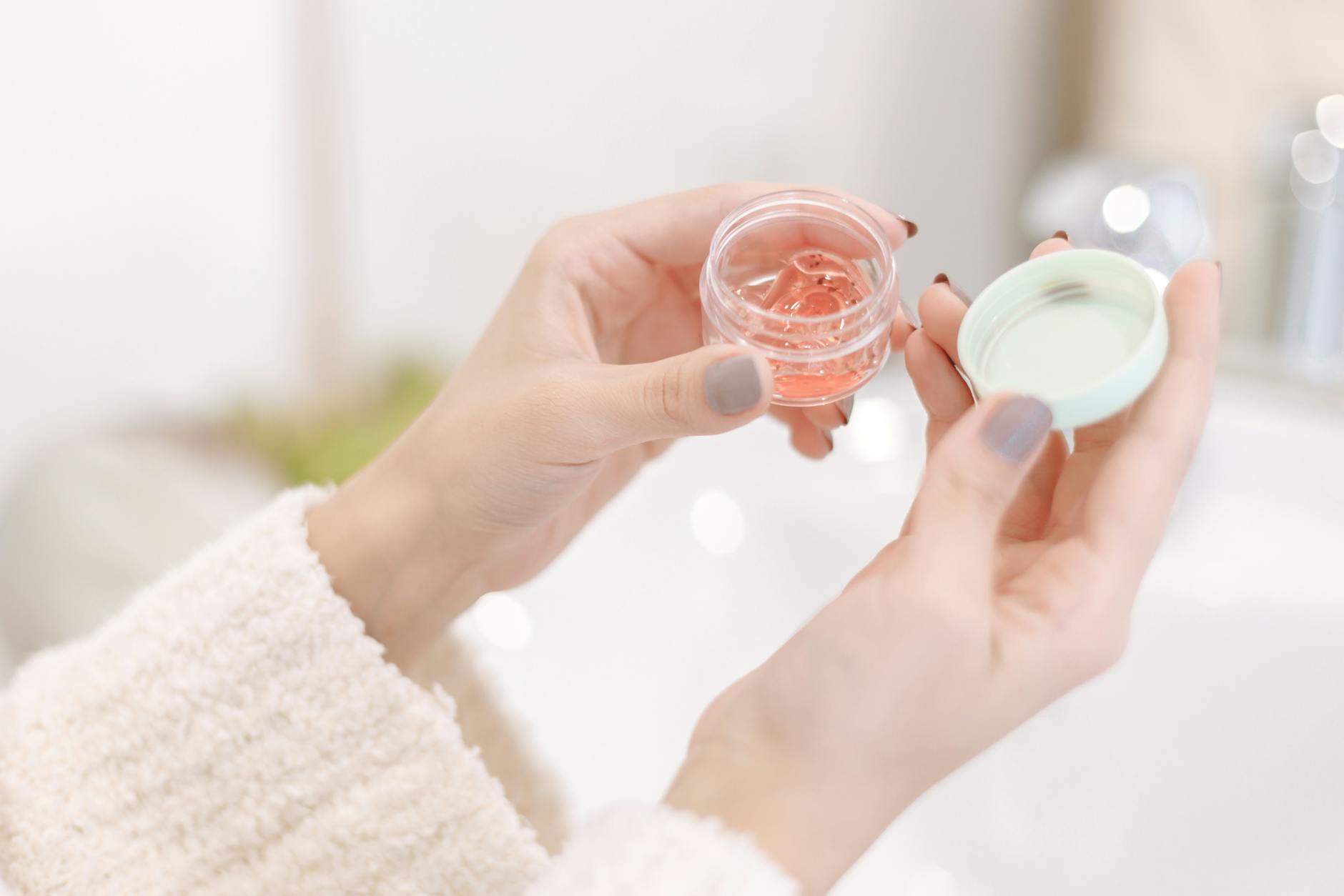
A functional minimalist acne routine typically includes three essentials: a gentle cleanser, a moisturizer, and a targeted acne treatment. The cleanser is your first step, and this is where many people go wrong by choosing something too harsh. Dermatologists recommend mild cleansers like Aquanil, Cetaphil, or Neutrogena for acne-prone skin rather than harsh soaps or heavily medicated cleansers. These products clean without disrupting the skin barrier. You should cleanse twice daily—morning and evening—but not more frequently, as additional cleansing doesn’t improve results and increases barrier damage. Your second essential is a targeted acne treatment, which might be a benzoyl peroxide cleanser or a salicylic acid treatment, applied after cleansing.
Here’s where gentle chemical exfoliants become valuable. Acne-prone skin benefits from gentle chemical exfoliants like salicylic acid (typically 0.5–2%) without overwhelming the skin. A gentle approach means using lower concentrations and allowing your skin time to adapt rather than using the strongest formulation available. Third is a lightweight moisturizer, which might seem counterintuitive for acne-prone skin, but hydration is crucial. A compromised skin barrier produces more oil in response to dryness, which worsens acne. A simple, non-comedogenic moisturizer (one that won’t clog pores) completes your routine. The tradeoff is that this minimalist routine forgoes targeted treatments for specific concerns—you won’t get separate products for texture, tone, or aging—but for acne management specifically, this focused approach is far more effective than trying to address multiple concerns simultaneously.
When Minimalist Routines Aren’t Enough and Professional Help Is Needed
For most mild to moderate acne, a minimalist routine is sufficient. However, severe acne, cystic acne, or acne that’s resistant to over-the-counter treatments typically requires professional dermatologist supervision. A dermatologist can prescribe stronger treatments like oral antibiotics, hormonal therapies, or isotretinoin (Accutane), which operate on a different level than topical products. These cases go beyond what minimalism can address, and attempting to manage them with a simple routine alone will result in prolonged suffering and potential scarring.
Additionally, if you have other active dermatological conditions—rosacea, eczema, psoriasis, or sensitive skin conditions—overlaying acne treatments on top of these conditions requires professional guidance. What works for straightforward acne-prone skin may aggravate other conditions. The important caveat is that minimalism is a principle best applied to uncomplicated acne; complicated cases need expertise that a minimalist approach alone cannot provide. This distinction matters because people sometimes mistake a minimalist routine for a complete solution to all skin problems. It’s an effective principle for acne management, but it’s not a universal skincare philosophy that applies to every condition or severity level.
Choosing the Right Gentle Cleansers for Long-Term Barrier Health
Since your cleanser is the foundation of a minimalist routine, selecting the right one determines whether your routine protects or damages your skin barrier. The recommended gentle cleansers—Aquanil, Cetaphil, and Neutrogena—work because they’re formulated to remove dirt and oil without stripping the skin’s natural lipids. These cleansers are typically free of fragrance, dyes, and harsh sulfates that disrupt the barrier.
They also maintain a more neutral pH, whereas harsh soaps tend to be alkaline, which raises skin pH and triggers inflammation. A practical comparison: a person using a harsh acne cleanser twice daily will likely experience dryness, irritation, and an increasingly compromised barrier over weeks. That same person switching to Cetaphil with a gentle acne treatment (like a low-concentration salicylic acid serum) may see improvement because they’re not constantly damaging the very structure they’re trying to protect.
The Long-Term Benefits of Committing to a Simple Skincare Philosophy
The minimalist approach to acne skincare extends beyond immediate results. Simplifying your routine creates sustainable habits that can last years or decades. Rather than constantly chasing new products or trends, you develop consistency that compounds over time.
People who stick with simple, effective routines tend to maintain clearer skin long-term compared to those who frequently experiment and switch. Additionally, a minimalist routine removes the financial and psychological burden of complex skincare. You’re not spending hundreds of dollars monthly on products or experiencing the frustration of trying something new every few weeks. This simplicity makes skincare boring in the best way possible—it becomes a background task rather than a source of stress or expense.
Conclusion
Minimalist acne routines work better because they align with how skin actually heals and how human behavior actually works. Consistency matters more than complexity; a simple routine you maintain for months outperforms a complex routine you abandon in weeks. By protecting your skin barrier with gentle cleansing, avoiding product interactions, and using targeted acne treatments judiciously, you create an environment where acne can improve rather than worsen.
Start with the essentials: a gentle cleanser, a single targeted acne treatment, and a lightweight moisturizer. Give this routine at least four to six weeks of consistent use before evaluating results, and only add additional steps if your specific skin condition requires them. If your acne is severe, resistant to treatment, or complicated by other skin conditions, consult a dermatologist who can provide professional guidance that goes beyond what any minimalist routine can address.
Frequently Asked Questions
How long does it take for a minimalist routine to show results?
Most acne treatments require at least four to six weeks of consistent application before you see meaningful improvement. Patience is essential because the skin’s adaptation period is typically this long. If you change products or routines before this window, you never give the treatment a real chance to work.
Can I use multiple acne treatments in a minimalist routine?
It’s generally better to stick with one primary acne treatment to reduce irritation and product interactions. If you need additional targeted treatments, introduce them gradually and monitor for irritation. Most minimalist routines focus on one key active ingredient rather than layering multiple treatments.
Is moisturizer necessary if I have acne-prone skin?
Yes. A damaged or dry skin barrier produces excess oil in response, which worsens acne. A lightweight, non-comedogenic moisturizer helps restore barrier function and actually reduces acne long-term, even though it might seem counterintuitive for oily skin.
What if my acne doesn’t improve with a minimalist routine?
If your acne doesn’t improve after six to eight weeks of consistent use, or if you have severe, cystic, or widespread acne, consult a dermatologist. You may need prescription-strength treatments that go beyond what over-the-counter products can address.
Should I exfoliate if I have acne?
Chemical exfoliation with gentle salicylic acid (0.5–2%) can help acne-prone skin, but it should be part of your routine only if your skin tolerates it well. Avoid physical exfoliation (scrubs) and multiple exfoliating products, as these increase irritation. Start with one gentle chemical exfoliant and monitor your skin’s response.