Micellar water is excellent at removing makeup and light impurities, but it cannot treat the underlying causes of acne. While it cleanses the skin’s surface, acne develops from factors that micellar water alone cannot address: excess sebum production, bacteria colonization in pores, inflammation, and dead skin cell buildup. Someone struggling with persistent acne who relies solely on micellar water—even if they use it twice daily—will likely see no improvement in breakouts because they’re missing the active ingredients and targeted treatments that actually address these root causes. This article explores what micellar water can and cannot do for acne-prone skin, and what you actually need to add to your routine to see meaningful results.
Micellar water gained popularity because it’s gentle, convenient, and genuinely effective for removing makeup and sunscreen. For people with clear skin or minimal acne, it works fine as part of a basic cleanser. But for acne-prone skin, it falls short because it’s fundamentally a cleansing solution, not a treatment. The distinction matters: a cleanser removes dirt and oil from the surface, while acne treatment addresses the biological processes causing breakouts. You wouldn’t use only micellar water to treat eczema or rosacea, and acne requires the same targeted approach.
Table of Contents
- Why Micellar Water Alone Won’t Clear Acne-Prone Skin
- The Cleansing-Only Trap: Why Acne Needs More Than Surface Care
- Specific Acne Factors Micellar Water Cannot Target
- Building an Acne Routine Beyond the Cleanser
- Common Mistakes When Using Micellar Water for Acne
- When Micellar Water Can Be Helpful for Acne-Prone Skin
- The Integration of Cleansing and Treatment for Modern Acne Care
- Conclusion
- Frequently Asked Questions
Why Micellar Water Alone Won’t Clear Acne-Prone Skin
Micellar water’s primary function is to lift away makeup, dirt, and surface oil through its unique formula—tiny micelles (spherical molecules) that trap impurities and suspend them in water. This works well for cleansing, but acne bacteria (Cutibacterium acnes) live deep within the pore, not on the surface. Micellar water has no antibacterial properties and no ingredients to reduce bacterial population or kill existing acne bacteria. Additionally, acne involves a complex cascade: excess sebum production in the pore, follicular hyperkeratinization (dead skin cells not shedding properly), bacterial colonization, and inflammation.
Micellar water can only address the first part—removing surface oil—and does nothing for the other three mechanisms driving breakouts. Consider someone with moderate acne using micellar water twice daily. After one week, their skin feels clean and smooth, but the acne doesn’t improve because the bacteria colonizing their pores weren’t touched, the inflammation wasn’t addressed, and excess sebum production continues. They may even mistake “clean-feeling” skin for “clear” skin and wonder why breakouts persist despite their diligent cleansing routine. This is the critical gap: cleanliness and clarity are not the same thing when it comes to acne.

The Cleansing-Only Trap: Why Acne Needs More Than Surface Care
Many people—and some dermatologists would argue, many skincare marketing campaigns—perpetuate the myth that acne is caused by dirty skin and that thorough cleansing is the cure. In reality, acne-prone people can have scrupulously clean skin and still experience breakouts because the causative factors are largely biological, not hygiene-related. Using micellar water multiple times a day doesn’t improve acne outcomes; in fact, over-cleansing can damage the skin barrier, strip natural oils, and trigger reactive sebum overproduction, potentially making acne worse. However, this doesn’t mean you should skip cleansing or use micellar water carelessly.
A gentle cleanse is still important to remove the day’s grime and allow other skincare products to penetrate effectively. The problem arises when someone stops after cleansing—when micellar water is the entire skincare strategy for acne. An effective acne routine requires cleansing as a foundation, then adding active treatments (like salicylic acid, benzoyl peroxide, or retinoids) and supporting ingredients (niacinamide, azelaic acid, or zinc) that actually modulate the biological processes driving breakouts. Micellar water is a prerequisite, not a solution.
Specific Acne Factors Micellar Water Cannot Target
Micellar water is inert regarding acne’s root causes. It cannot reduce sebaceous gland activity (which is largely hormonal), it cannot exfoliate dead skin cells from within the pore (which requires chemical exfoliants), it cannot kill or inhibit acne bacteria (which requires antimicrobial agents), and it cannot reduce inflammation (which requires anti-inflammatory ingredients). Each of these is essential for acne improvement. Someone with hormonal acne—breakouts that spike during their menstrual cycle—needs ingredients that either suppress sebum production or prevent bacteria from thriving in the excess sebum; micellar water does neither.
A concrete example: a person using only micellar water has a breakout on their jawline before their period, as they typically do. They increase micellar water use, perhaps applying it three times daily, believing more cleansing will help. The breakout develops as expected because the underlying hormonal driver—increased sebum production and follicular plugging—is untouched. Only when they add a targeted treatment like retinoids, hormonal medications, or salicylic acid does the pattern begin to shift. The cleansing was never the limiting factor; the treatment was.
Building an Acne Routine Beyond the Cleanser
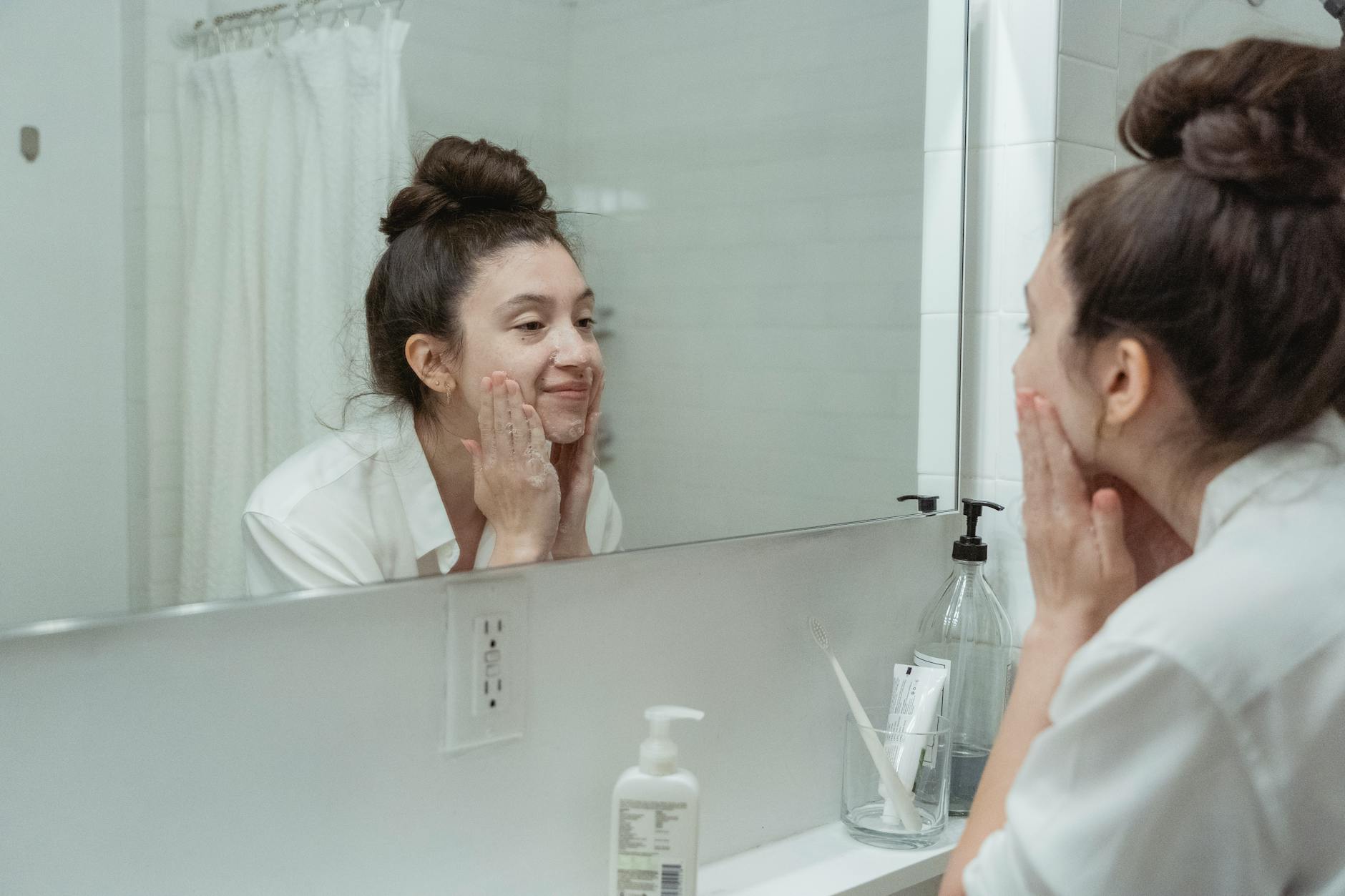
An effective acne skincare routine typically includes a cleanser (where micellar water can serve if you prefer a liquid option, though a proper acne cleanser is better), an active treatment (the core of acne management), a moisturizer (critical because acne treatments are often drying), and sun protection (especially important because many acne treatments increase photosensitivity). Micellar water, by design, is not formulated to be an acne treatment; a medicated acne cleanser or a gentle-but-effective cleanser followed by treatment products is a more strategic approach. The comparison is stark when you look at outcomes. Two people with similar acne, one using micellar water plus no other treatment, the other using a basic cleanser plus salicylic acid and moisturizer, will see vastly different results after four weeks.
The second person will likely see noticeable improvement; the first will not. This isn’t because micellar water is “bad”—it simply lacks the active ingredients required for acne management. If you prefer micellar water’s lightweight, non-foaming format, you can use it, but you must follow it with targeted treatments. Relying on it alone is like brushing your teeth but skipping the toothpaste.
Common Mistakes When Using Micellar Water for Acne
The most frequent mistake is treating micellar water as a complete acne solution. People buy a bottle, use it faithfully, and expect improvement that never comes. They may even assume their acne is “treatment-resistant” when really they’ve never actually applied acne treatment. Another error is over-relying on micellar water’s gentleness as a substitute for proper acne treatment. Yes, micellar water is gentle, but gentleness without efficacy is just moisturizing skin while bacteria multiply underneath.
A third mistake is using micellar water as an excuse to avoid stronger treatments. Some people fear that prescribed retinoids or benzoyl peroxide are “too harsh,” so they stick with micellar water, hoping it will be sufficient. In doing so, they miss months or years of improvement they could have achieved with evidence-based acne treatments. And a fourth pitfall is using micellar water without following up with other products, assuming that because it removes makeup so effectively, it’s also removing the oil and bacteria clogging pores. It isn’t. Micellar water is a remover of surface impurities, not a pore-clearing or bacteria-inhibiting treatment.
When Micellar Water Can Be Helpful for Acne-Prone Skin
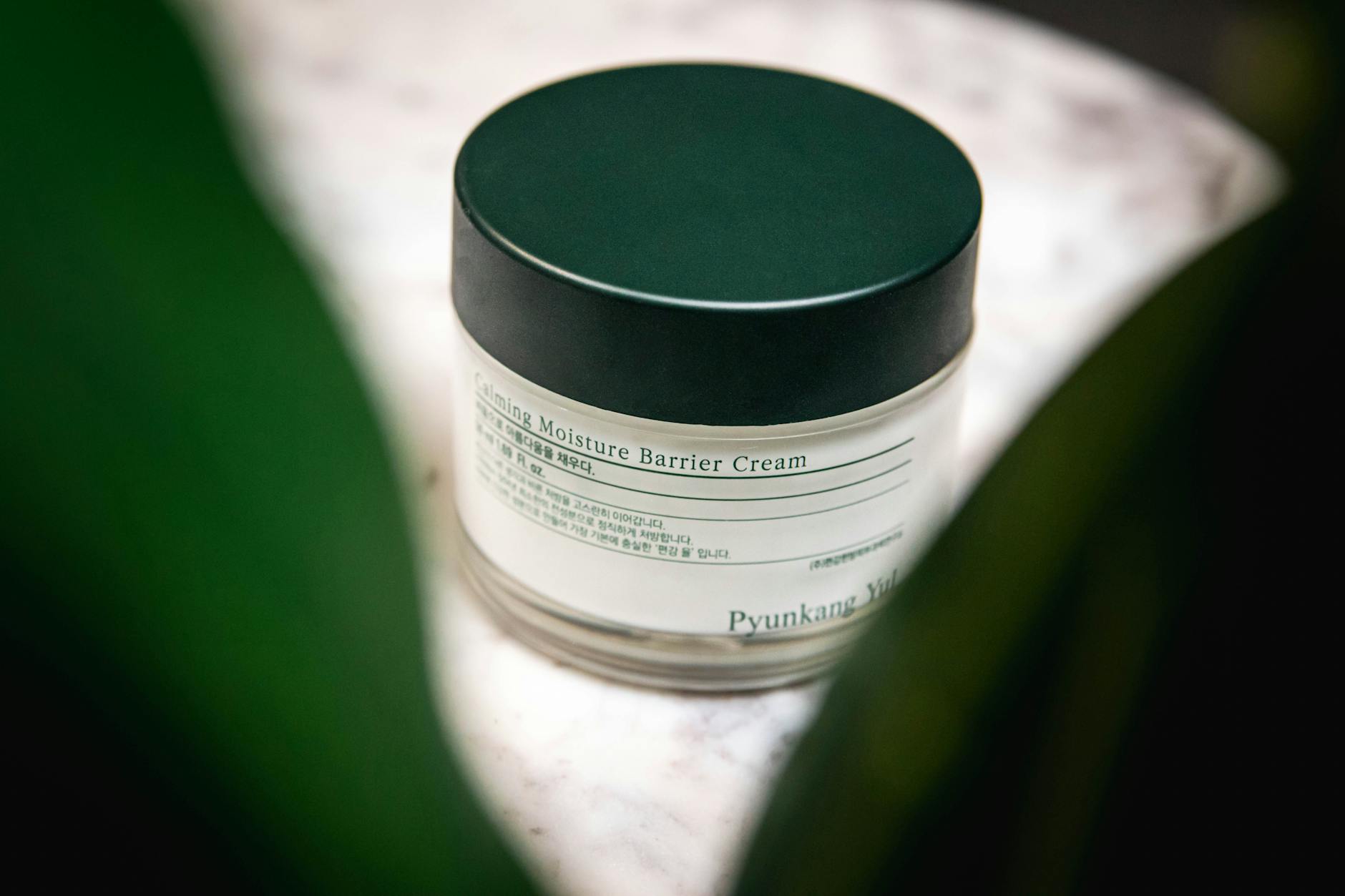
Micellar water isn’t useless for acne-prone people; it’s just mispositioned. It’s genuinely useful as a makeup remover before a proper cleanse, especially because acne-prone skin often can’t tolerate aggressive rubbing or harsh makeup removers. Micellar water can also be helpful for people on strong acne medications (like isotretinoin or oral antibiotics) who need a very gentle first cleanse that won’t further irritate already compromised skin barrier.
It can be a good option for travel or situations where you can’t access your full routine, provided you understand it’s a maintenance product, not a treatment. For someone with mild, occasional breakouts rather than persistent acne, micellar water might suffice as part of a simple routine when combined with attention to diet, sleep, stress, and hormonal factors. But even then, adding a once-weekly exfoliating treatment or a spot treatment with salicylic acid or benzoyl peroxide is almost always beneficial. The key is honest assessment: if acne is persistent and bothersome enough to be researching it, micellar water alone won’t resolve it.
The Integration of Cleansing and Treatment for Modern Acne Care
The future of effective acne management recognizes that cleansing and treatment are distinct, complementary steps. As dermatology moves toward personalized skincare, the one-size-fits-all myth of “just wash your face more” is being replaced with individualized regimens based on acne type, severity, and skin barrier status. Micellar water will remain useful within these routines, but positioned correctly—as a cleanser, not a treatment.
Research into acne pathogenesis continues to clarify why surface cleansing alone fails: acne is a multifactorial disease requiring multifaceted treatment. The skincare industry is also developing hybrid products that combine cleansing with treatment (like cleansers with salicylic acid or niacinamide), acknowledging that consumers want simplicity. However, these remain cleansers first, with treatment benefit as a secondary feature. The most predictable path to clear skin still involves a targeted acne regimen chosen in consultation with a dermatologist, not a shortcut cleanser that promises more than it can deliver.
Conclusion
Micellar water is a good cleanser but a poor acne treatment. If you’re using it as your sole acne strategy, you’re likely to remain frustrated because cleansing alone doesn’t address the biological mechanisms driving breakouts. Acne requires treatment—active ingredients and targeted approaches—layered on top of cleansing. Adding acne-fighting treatments to your routine, while keeping micellar water as a gentle first-step cleanser, will yield the results you’re looking for.
The next step is identifying which acne treatments make sense for your specific situation. If you have mild acne, starting with over-the-counter salicylic acid or benzoyl peroxide is reasonable. If your acne is moderate to severe, hormonal, or resistant to over-the-counter treatments, consulting a dermatologist for prescription options (retinoids, oral medications, or combination therapy) is warranted. Either way, abandon the idea that cleansing alone will solve acne and embrace the reality that clear skin requires cleansing plus treatment.
Frequently Asked Questions
Can I use micellar water if I have acne?
Yes, micellar water is safe for acne-prone skin and can serve as a gentle first cleanser. However, you must follow it with targeted acne treatments. Using micellar water alone, without active acne medication or treatment products, will not clear acne.
Is micellar water better or worse than regular face wash for acne?
Micellar water and regular face wash are similar in function—both cleanse the surface. A good acne-specific cleanser (containing salicylic acid or benzoyl peroxide) is slightly better than plain micellar water because it adds treatment benefit. However, micellar water is gentler and can be a good option for sensitive or compromised skin barrier, provided you follow it with a separate acne treatment.
How long should I give micellar water to work on my acne?
Micellar water isn’t meant to “work on” acne in the sense of treating it. It works immediately at removing makeup and dirt. If you’re waiting for micellar water alone to clear breakouts, you could wait indefinitely—it won’t happen. Switch to a routine that includes acne treatments within 1-2 weeks of starting.
Can I use micellar water at night if I have acne?
Yes, using micellar water at night is fine, but ensure you’re also using acne treatment products (like retinoids, salicylic acid, or prescription treatments) in your nighttime routine. Micellar water as a standalone night routine will not improve acne.
What should I use instead of micellar water for acne?
A gentle, acne-appropriate cleanser is ideal—either a non-medicated cleanser followed by separate acne treatments, or an acne cleanser containing salicylic acid or benzoyl peroxide. If you prefer micellar water’s format, use it as a first cleanse, then follow with a medicated acne treatment product.
Is micellar water a substitute for professional acne treatment?
No. Micellar water is a cleanser. Professional acne treatment typically involves topical medications (retinoids, benzoyl peroxide, azelaic acid), oral medications (antibiotics, hormonal therapy, isotretinoin), or procedures (extractions, light therapy). Micellar water complements professional treatment but cannot replace it.