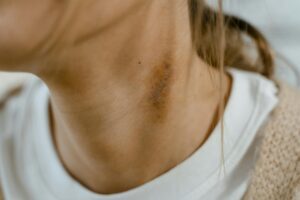
Menopausal acne affects up to 50% of women during perimenopause and menopause, disrupting skin health at a time when hormonal shifts already challenge the complexion. Unlike teenage acne driven by high androgen surges, this form stems from declining estrogen and relative androgen dominance, leading to increased sebum production, clogged pores, and persistent breakouts often along the jawline and chin.
Standard treatments like benzoyl peroxide or retinoids, effective for younger skin, frequently underperform or cause excessive irritation in menopausal skin, which is thinner, drier, and more sensitive. Readers will learn the precise hormonal mechanisms behind this resistance, why topical and antibiotic therapies fall short, and tailored skincare strategies that prioritize gentleness alongside efficacy. This article draws from clinical insights and dermatological research to empower women with actionable steps for clearer skin without compromising menopausal skin's delicate barrier.
Table of Contents
- Why Does Menopause Trigger Acne Differently Than Adolescence?
- How Do Standard Acne Treatments Fail Menopausal Skin?
- What Makes Menopausal Skin Uniquely Challenging for Acne Care?
- Hormonal Therapies: The Game-Changer for Stubborn Cases
- Optimized Topical and Procedural Solutions
- How to Apply This
- Expert Tips
- Conclusion
- Frequently Asked Questions
Why Does Menopause Trigger Acne Differently Than Adolescence?
Menopausal acne arises from a unique hormonal imbalance: plummeting estrogen levels fail to counter rising relative androgens like testosterone, which overstimulate sebaceous glands to produce excess oil. This contrasts with adolescent acne, where absolute androgen peaks drive rapid pore clogging; in menopause, slower sebum changes combine with collagen loss and skin thinning, fostering deeper, more inflammatory lesions resistant to quick fixes.
Compounding this, menopausal skin loses hydration and elasticity, making it prone to barrier disruption from harsh actives. Standard treatments target bacterial or comedonal issues effectively in oily teen skin but irritate drier, post-estrogen skin, worsening inflammation and compliance. Research shows adult women over 40 respond better to anti-androgen approaches than broad-spectrum antibacterials alone.
- Jawline and chin breakouts signal hormonal roots, unlike the T-zone focus in youth.
- Thinner epidermal layers increase retinoid sensitivity, demanding gradual introduction.
- Post-inflammatory hyperpigmentation lingers longer due to slowed cell turnover.
How Do Standard Acne Treatments Fail Menopausal Skin?
Topical staples like benzoyl peroxide and salicylic acid unclog pores and kill bacteria in standard acne but often exacerbate dryness in menopausal skin, leading to rebound oiliness and irritation. Retinoids, while promoting cell turnover, heighten UV sensitivity and flaking on estrogen-deprived skin, reducing tolerability without moisturizer support.
Oral antibiotics provide short-term relief but risk resistance and ignore hormonal drivers, yielding incomplete results in persistent cases. Combined oral contraceptives, potent for younger hormonal acne, carry higher risks post-menopause, including thrombosis, making them less viable.
- Benzoyl peroxide combinations irritate more than they heal without non-comedogenic hydration.
- Retinoids require "retinization" – starting every other day – to build tolerance.
What Makes Menopausal Skin Uniquely Challenging for Acne Care?
Menopause accelerates skin aging: estrogen decline thins the dermis by 30%, slows collagen synthesis, and impairs moisture retention, creating a perfect storm for acne persistence. This fragility amplifies side effects from actives, with studies noting higher dropout rates from irritation in women over 40.
Hyperandrogenism manifests subtly as acne, hirsutism, or alopecia, demanding therapies that address root causes rather than surface symptoms. Unlike resilient teen skin, menopausal complexions heal slower, heightening scarring and pigmentation risks.
- Reduced ceramide production weakens the barrier, inviting transepidermal water loss.
- Slower desquamation clogs pores despite less vigorous oil production.

Hormonal Therapies: The Game-Changer for Stubborn Cases
Hormone Replacement Therapy (HRT) restores estrogen balance, curbing androgen-driven sebum and improving skin thickness, hydration, and collagen in many women. However, responses vary; some see clearance, while progestin components may worsen acne, necessitating personalized formulations.
Anti-androgens like spironolactone block testosterone receptors, reducing oiliness effectively within 3-6 months, especially with hyperandrogen signs. Clinical data supports it as first-line systemic for postmenopausal acne without virilization.
Optimized Topical and Procedural Solutions
Gentle topicals shine here: azelaic acid offers anti-inflammatory, comedolytic benefits with minimal irritation, reducing lesions by 54% in mild cases. Dapsone gel targets inflammation and bacteria safely long-term, with 52% total lesion reduction in adult females.
Adapalene, at 0.3%, cuts inflammatory lesions by 61% when tolerated via gradual use. Procedures like chemical peels hasten comedone resolution, while intralesional steroids shrink cysts, minimizing scars in nodulocystic acne. Always pair with non-comedogenic moisturizers to boost adherence.
How to Apply This
- Assess your skin: Track breakout patterns and consult a dermatologist for hormone evaluation before starting actives.
- Build a gentle routine: Cleanse with salicylic acid, layer azelaic acid or low-dose retinoid every other night, and seal with non-comedogenic moisturizer.
- Introduce systemics thoughtfully: Trial spironolactone or HRT under medical supervision if topicals fail after 12 weeks.
- Protect and maintain: Apply broad-spectrum sunscreen daily and monitor for 3-6 months, adjusting based on response.
Expert Tips
- Pair every active with a barrier-repair moisturizer to cut irritation by up to 50%.
- "Retinize" slowly: Apply topicals for 2-4 hours initially, then rinse, building to overnight use.
- Prioritize azelaic acid for pigmentation-prone skin; it multitasks without bleaching sensitivity.
- Avoid dairy and high-glycemic foods, as they may amplify androgen effects in menopause.
Conclusion
Menopausal acne demands a nuanced approach, sidestepping one-size-fits-all treatments for hormone-savvy, skin-barrier-focused care. By integrating anti-androgens, gentle topicals, and hydration, women can reclaim clear skin without the frustration of failed standards.
Empowerment comes from understanding your skin's menopausal shift – persistent breakouts signal treatable imbalances, not inevitability. With dermatologist guidance, tailored regimens deliver lasting clarity and confidence.
Frequently Asked Questions
Can over-the-counter retinoids work for menopausal acne?
Yes, adapalene OTC promotes turnover but start slowly on sensitive skin to avoid peeling; combine with moisturizer for best tolerance.
Is spironolactone safe long-term for acne in menopause?
It is first-choice for anti-androgen needs, with improvements in 3-6 months; monitor potassium levels and blood pressure regularly.
Does HRT always clear menopausal acne?
It helps many by balancing hormones but may worsen in some due to progestins; evaluate risks like cancer history first.
How long until I see results from menopausal acne treatments?
Topicals show progress in 12 weeks, systemics in 3-6 months; consistency and barrier support speed compliance.