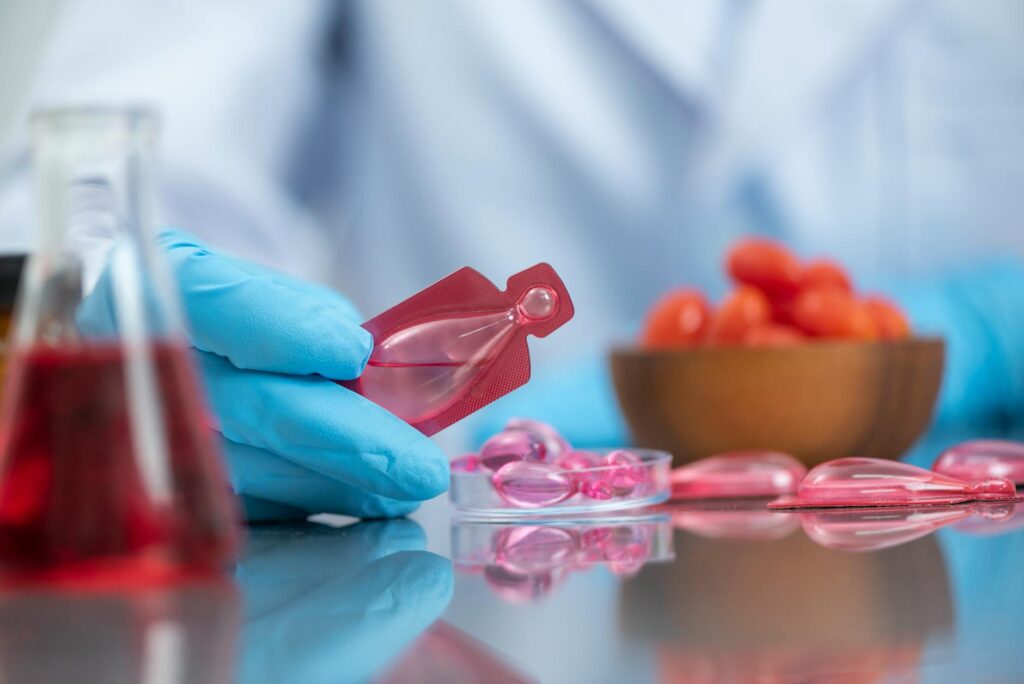
Melatonin is being researched for acne because it acts as a potent antioxidant and anti-inflammatory agent that directly targets the mechanisms underlying acne development. Rather than simply helping you sleep better, melatonin scavenges reactive oxygen species (ROS) that fuel breakouts, and simultaneously inhibits inflammatory pathways like the NLRP3 inflammasome and NF-κB signaling—both of which contribute to the redness, swelling, and persistence of acne lesions.
This dual mechanism has caught the attention of dermatologists, particularly given emerging evidence that sleep disturbances are far more prevalent in acne patients than previously assumed. The research is particularly intriguing because it reveals an unexpected connection: a 2023-2024 prospective study found that 65.38% of acne patients experienced sleep disturbances, with acne severity significantly correlating to disrupted sleep and elevated free testosterone levels. This article explores why melatonin serum is generating clinical interest, what the current evidence shows, and the important limitations you should know before considering it as part of an acne treatment plan.
Table of Contents
- What Makes Melatonin Effective Against Acne?
- The Sleep-Acne Connection: What Research Now Shows
- How Sleep Deprivation Amplifies Acne Severity
- Topical Melatonin Serum vs. Oral Melatonin Supplementation
- The Gap in Clinical Evidence and Safety Concerns
- Who Is Most Likely to Benefit from Melatonin Therapy?
- The Future of Melatonin-Based Acne Treatments
- Conclusion
What Makes Melatonin Effective Against Acne?
Melatonin’s primary mechanism for acne control stems from its antioxidant and anti-inflammatory properties. At the cellular level, melatonin scavenges reactive oxygen species—highly reactive molecules that trigger inflammation and promote bacterial growth in acne-prone skin. Beyond simply neutralizing these free radicals, melatonin stimulates the production of the body’s own antioxidant enzymes, creating a more sustained defense against oxidative stress.
Simultaneously, it inhibits the NLRP3 inflammasome and reduces NF-κB expression, two critical pathways that drive the release of pro-inflammatory molecules responsible for the painful redness and swelling characteristic of inflammatory acne. The importance of this dual action cannot be overstated. While many acne treatments target either bacteria or oil production, melatonin addresses the underlying inflammatory cascade—the body’s overreaction that turns a minor blemish into a persistent, painful breakout. This is why a patient with hormonal acne might experience faster regression of lesions when melatonin is combined with other acne therapies, as opposed to those therapies alone.
The Sleep-Acne Connection: What Research Now Shows
The classical assumption that acne is primarily a teenage condition driven by hormonal fluctuations has given way to a more nuanced understanding: sleep quality is a significant, independent factor in acne severity. A prospective study conducted between 2023 and 2024 examined 130 women with mild to moderate acne (mean age 23.32 ± 2.75 years) and found that 65.38% reported sleep disturbances. Crucially, the severity of their acne correlated not just with the presence of sleep problems, but with free testosterone levels, suggesting that poor sleep exacerbates hormonal dysregulation.
The mechanism appears bidirectional: poor sleep increases cortisol and inflammatory markers while disrupting hormonal balance, all of which aggravate acne. Melatonin addresses this by restoring sleep quality while simultaneously dampening the inflammatory response, making it theoretically ideal for acne patients whose breakouts are worsened by stress and inadequate rest. However, this also means melatonin may be more effective for patients whose acne is linked to sleep disruption than for those whose acne is driven purely by genetic predisposition or bacterial colonization.
How Sleep Deprivation Amplifies Acne Severity
When you don’t sleep well, your immune system becomes hyperactive and dysregulated. Without sufficient deep sleep, the body struggles to maintain hormonal balance—particularly the delicate equilibrium of androgens and cortisol that directly influence sebum production and skin inflammation. The 2023-2024 study found that women with both acne and sleep disturbances showed elevated free testosterone, which increases sebaceous gland activity and creates an environment where acne-causing bacteria thrive.
Sleep deprivation also impairs the skin’s ability to repair itself at night, when cellular renewal and collagen synthesis are most active. For someone with inflammatory acne, this delayed recovery means breakouts take longer to heal and are more likely to leave post-inflammatory hyperpigmentation or scarring. By improving sleep quality, melatonin indirectly supports the skin’s nocturnal repair processes while also reducing the hormonal cascade that worsens acne. That said, melatonin alone won’t resolve acne driven by consistent overproduction of sebum or persistent bacterial infections.
Topical Melatonin Serum vs. Oral Melatonin Supplementation
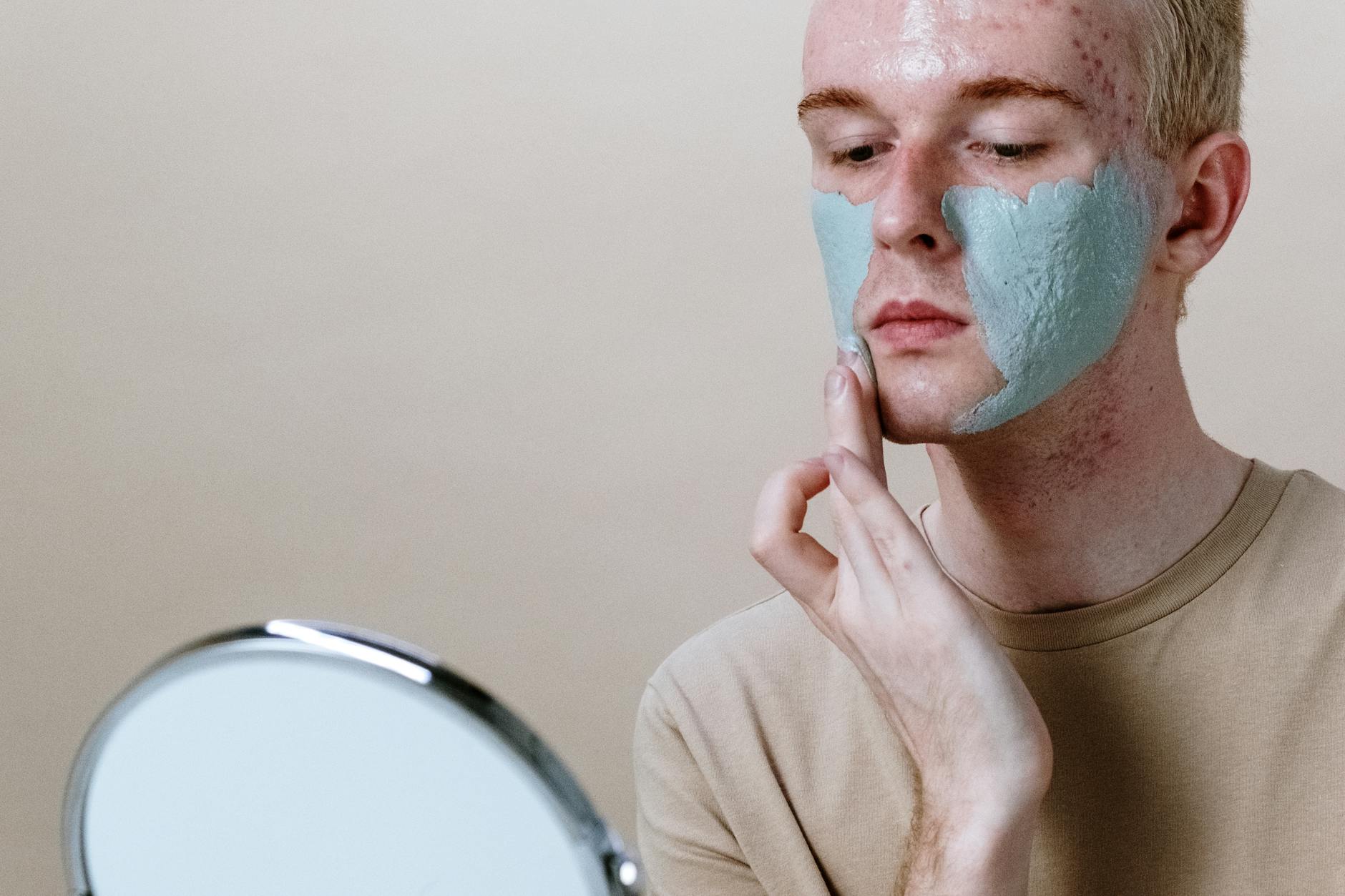
Melatonin is being researched in two distinct forms for acne: topical serums applied directly to the skin, and oral supplements taken systemically. A topical formulation containing 0.005% melatonin combined with 0.1% chlorhexidine (an antimicrobial agent) demonstrated efficacy with continuous reduction of acne symptoms and notably reduced side effects such as irritation and dryness—common drawbacks of harsher acne treatments like benzoyl peroxide or doxycycline. The advantage of topical melatonin is direct delivery to affected skin with minimal systemic exposure, making it suitable for those concerned about hormonal side effects.
In contrast, oral melatonin taken 30 minutes before bedtime works systemically to improve sleep quality and dampen inflammation throughout the body, but carries a higher risk of affecting systemic hormone levels. In the clinical study of 130 women, combination therapy (oral melatonin plus presumably conventional acne treatment) showed faster regression of lesions and improved psychosocial scores—suggesting that oral melatonin’s sleep-enhancing effects may amplify the benefits of concurrent acne treatments. The choice between topical and oral depends on whether your acne is primarily driven by sleep disruption or by localized skin inflammation.
The Gap in Clinical Evidence and Safety Concerns
Despite the promising mechanisms and initial clinical observations, a critical limitation exists: very few randomized, double-blind, placebo-controlled trials have rigorously examined melatonin’s long-term safety and efficacy for acne. Most of the research is observational or conducted in small populations, meaning we lack definitive evidence about optimal dosing, duration of treatment, or how melatonin compares head-to-head against established acne medications like isotretinoin, doxycycline, or hormonal contraceptives. More importantly, melatonin carries a potential risk for certain individuals, particularly those prone to hormonal acne.
Melatonin influences androgen and testosterone levels, meaning some people may actually experience worsening breakouts or new acne development when starting melatonin supplementation. This is the opposite of what treatment should achieve, underscoring why any consideration of melatonin for acne should be discussed with a dermatologist who can assess your acne subtype and hormonal profile. Someone with severe cystic acne driven by polycystic ovary syndrome (PCOS), for instance, might be at higher risk of adverse hormonal effects than someone with occasional stress-induced breakouts.
Who Is Most Likely to Benefit from Melatonin Therapy?
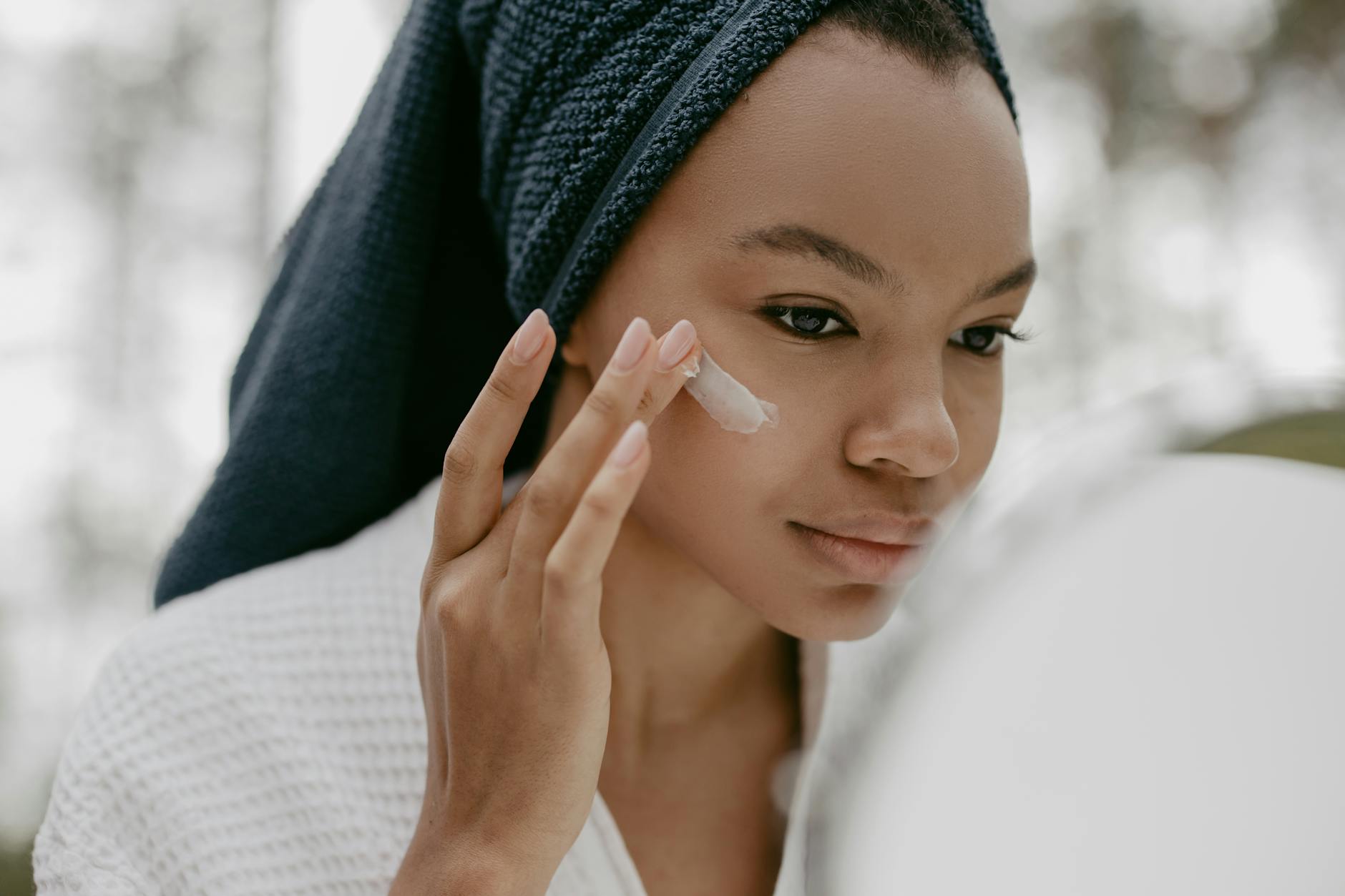
Based on current research, melatonin shows the most promise for acne patients who also experience documented sleep disturbances. If you’ve noticed that your acne flares up during periods of poor sleep, or if you have a sleep disorder like insomnia or irregular sleep patterns, melatonin—either topical or oral—may provide dual benefits: improved sleep quality plus reduced skin inflammation. Patients with mild to moderate acne (rather than severe cystic acne) in the 23-year age range, as represented in the clinical study, showed clear improvements when melatonin was part of a combination approach.
However, if your acne is driven primarily by bacterial overgrowth, excess sebum production, or genetic predisposition unrelated to sleep, melatonin alone is unlikely to be a complete solution. Similarly, if you have hormonal acne exacerbated by conditions like PCOS, the hormonal effects of melatonin supplementation could theoretically worsen your breakouts rather than improve them. This is why melatonin is best viewed as a complementary therapy—something to add to a comprehensive acne treatment plan, not a standalone cure.
The Future of Melatonin-Based Acne Treatments
As dermatological research continues, the focus is shifting toward optimizing melatonin formulations and identifying which acne subtypes respond best to melatonin therapy. Future studies will likely clarify the ideal concentration for topical melatonin serums, determine whether combination products (like the 0.005% melatonin + 0.1% chlorhexidine formulation) are superior to melatonin alone, and establish safety parameters for long-term oral melatonin use in acne patients.
The intersection of sleep medicine and dermatology is still relatively unexplored, and melatonin represents one of the first compounds to address acne through both sleep optimization and direct anti-inflammatory mechanisms. The broader implication is that future acne management may place greater emphasis on sleep quality as a modifiable risk factor, shifting away from the outdated belief that acne is simply a teenage inevitability. As the evidence accumulates, melatonin could become a standard recommendation for a subset of acne patients—particularly those whose condition is worsened by sleep disruption—either as part of a combination regimen or as a preventive measure during high-stress periods when sleep tends to suffer.
Conclusion
Melatonin serum is being researched for acne because it combines two mechanisms: direct antioxidant and anti-inflammatory action that reduces the severity and duration of breakouts, and systemic sleep-enhancing effects that address a root cause often overlooked in traditional acne management. The 2023-2024 clinical evidence showing that 65.38% of acne patients experience sleep disturbances, with acne severity correlating to disrupted sleep and elevated free testosterone, underscores the importance of this approach. Both topical melatonin serums and oral supplements show promise, with topical formulations offering localized benefits and oral melatonin providing systemic sleep improvement.
If you’re considering melatonin for acne, the key is to be realistic about its role: it is most effective as a complementary therapy for patients whose acne is clearly worsened by poor sleep, not as a standalone cure or replacement for established acne treatments. Discuss your sleep patterns, acne severity, and hormonal profile with a dermatologist before starting melatonin, especially if you have hormonal acne or are taking other medications. As research continues to refine our understanding of the sleep-acne connection, melatonin will likely find its place as part of a more holistic approach to acne management—one that recognizes sleep quality, inflammation, and hormones as equally important as topical treatments and antibiotics.