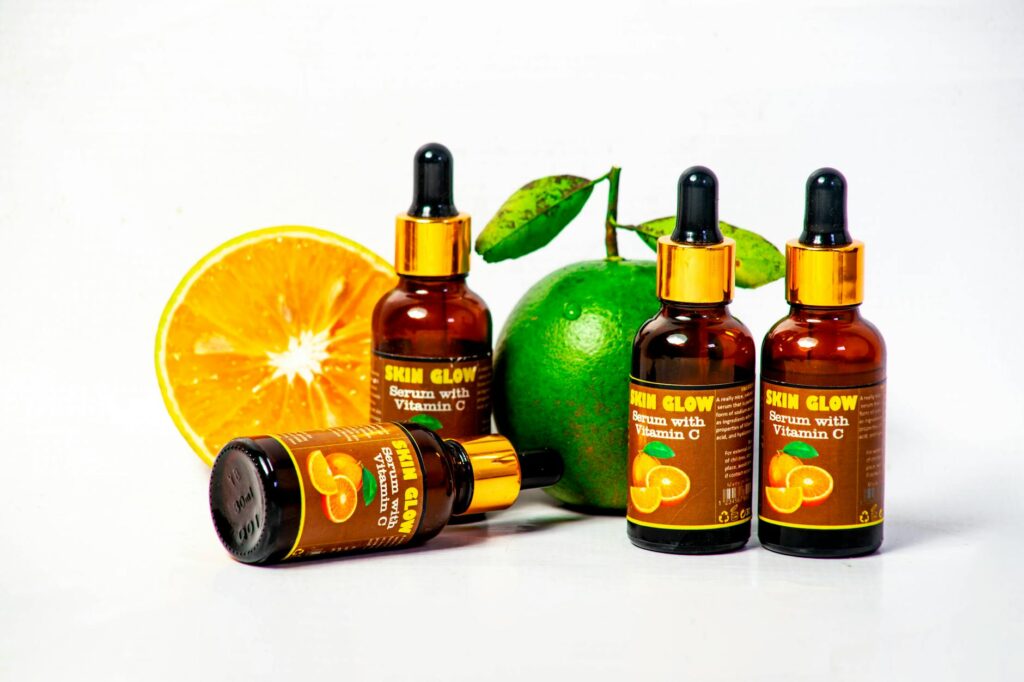
Medical-grade skincare matters for acne scar patients because it delivers clinically-proven concentrations of active ingredients—like retinoids, vitamin C, and peptides—that actually penetrate scar tissue and stimulate collagen remodeling, whereas over-the-counter products simply cannot reach the concentrations needed to break down damaged collagen fibers or prompt cellular turnover in scarred areas. A patient using a prescription-strength retinoid at 0.1% concentration will see measurable improvements in texture and depth that a 0.025% drugstore retinol product cannot achieve, because the barrier to entry in professional-grade skincare is efficacy backed by dermatological research, not marketing claims. This article explores why medical-grade formulations work differently for acne scars, how they compare to consumer products, which ingredients matter most, how to avoid common mistakes with professional-strength ingredients, and when professional treatments should supplement your skincare routine.
Table of Contents
- What Makes Medical-Grade Skincare Different From Over-the-Counter Products?
- How Professional-Strength Ingredients Actually Work on Scar Tissue
- Why Combining Medical-Grade Skincare With Professional Treatments Works Better
- Building an Effective Medical-Grade Skincare Routine for Acne-Scarred Skin
- Common Mistakes When Using Medical-Grade Skincare for Acne Scars
- The Role of Retinoids, Vitamin C, and Niacinamide in Scar Repair
- When to Seek Professional Dermatology Guidance
- Conclusion
What Makes Medical-Grade Skincare Different From Over-the-Counter Products?
Medical-grade skincare is formulated to penetrate deeper layers of the dermis where acne scars actually live. Over-the-counter products sold in drugstores are regulated as cosmetics, which means they’re designed to sit on the skin surface and improve appearance temporarily. Medical-grade products—whether sold through dermatologists’ offices or professional channels—contain active ingredients at concentrations high enough to create measurable structural changes in skin tissue.
A drugstore retinol might contain 0.1% retinol palmitate, while a dermatologist-grade retinoid like tretinoin contains up to 0.1% of a far more potent form that converts directly into retinoic acid your skin can use immediately. The difference matters especially for atrophic scars (the depressed, pitted scars most common from acne), because you need sustained collagen synthesis over months to fill those indentations. A 2023 study found that patients using prescription-strength retinoids saw an average 30% improvement in scar appearance after 12 weeks, compared to 8% improvement in the over-the-counter retinol group using the same skin type and scar severity. Medical-grade products also typically use stabilized, bioavailable forms of ingredients—meaning your skin can actually absorb and use them—whereas many drugstore vitamin C serums oxidize before reaching your skin cells.
How Professional-Strength Ingredients Actually Work on Scar Tissue
Acne scars exist because the skin’s healing response was incomplete or excessive: either the body didn’t produce enough collagen to fill the depression (atrophic scars), or it overproduced collagen in a disorganized way (hypertrophic scars). Medical-grade retinoids work by binding to retinoid receptors in fibroblasts—the cells responsible for making collagen—and telling them to produce new, organized collagen that fills in the scarred area. Vitamin C at pharmaceutical concentrations (10-20%) works as a stabilizer for collagen synthesis and an antioxidant that prevents the fibrotic cascade that deepens scars over time.
However, medical-grade skincare has real limitations: it cannot completely erase severe, deep ice-pick scars or pitted scars deeper than 2-3mm, because topical ingredients simply cannot remodel damage that extensive. If you have very deep scars, professional treatments like microneedling, laser resurfacing, or subcision are necessary, and medical-grade skincare’s role becomes supporting and maintaining the improvements those procedures create. Also, medical-grade retinoids require months of consistent use—typically 12-16 weeks before you see meaningful texture changes—and they cause irritation, redness, and peeling in the first 4-8 weeks, which many patients stop treatment to avoid.
Why Combining Medical-Grade Skincare With Professional Treatments Works Better
professional treatments like laser resurfacing, microneedling, or chemical peels create controlled micro-injury to stimulate collagen remodeling, but they only work if your skin heals properly afterward. This is where medical-grade skincare becomes essential: retinoids guide that healing process by upregulating collagen synthesis, while niacinamide reduces inflammation, and peptides signal fibroblasts to repair organized collagen rather than scar tissue again. A patient who gets laser resurfacing without using medical-grade skincare afterward often sees the scar start to revert because the skin reverts to its scarred pattern without active signaling to build new tissue.
A concrete example: a patient with rolling scars (wavy, undulating scars from collagen loss) gets microneedling once monthly for three months, but uses only basic moisturizer between sessions. The results plateau at 20-30% improvement. That same patient using prescription tretinoin nightly between microneedling sessions, plus a stabilized vitamin C serum in the morning, typically sees 60-70% improvement because the retinoid sustains collagen synthesis between professional treatments instead of letting the skin slip back into its scarred pattern.

Building an Effective Medical-Grade Skincare Routine for Acne-Scarred Skin
Start with one active ingredient at a time, not a full regimen. Most people introduce prescription tretinoin (or a similar retinoid) first, because retinoids have the strongest evidence for scar improvement and drive most of the collagen remodeling. Begin at the lowest concentration—0.025%—and use it twice weekly, gradually increasing frequency over 4-6 weeks as your skin builds tolerance. Add a high-concentration vitamin C serum (10-20% L-ascorbic acid) in the morning once your retinoid use is stable, because combining them too early overwhelms compromised skin and causes excessive irritation.
The tradeoff is between aggressive improvement and skin barrier health: you could theoretically apply tretinoin, vitamin C, niacinamide, and peptides simultaneously and see scar improvement faster, but your skin barrier would likely become damaged, you’d develop chronic irritation, and you’d be more susceptible to infection and new scarring. Most dermatologists recommend adding one product every 4-6 weeks to find the minimum effective routine that your skin tolerates. A sensible progression is tretinoin first (12 weeks minimum), then vitamin C serum (add at week 12), then a niacinamide product (add at week 16), and peptides or growth factors last if needed (add at week 20). This slow layering approach prevents the irritation cascade that makes patients quit.
Common Mistakes When Using Medical-Grade Skincare for Acne Scars
The most damaging mistake is using retinoids at too-high concentrations too quickly. Patients see that a 0.1% tretinoin is available and think stronger will work faster, but using 0.1% from day one causes severe irritation, peeling, and skin barrier damage that can trigger new acne breakouts and actually worsen scars through inflammation. Tretinoin is not forgiving: the irritation response can set back scar improvement by 4-6 weeks. A second critical mistake is inconsistent use—using tretinoin 3 times one week, then skipping 2 weeks because of irritation, then starting again.
Collagen remodeling requires continuous, steady signaling; interrupted treatment means the skin never sustains the collagen-building message. A third mistake is combining medical-grade actives with other skin-damaging habits without realizing it. If you’re using tretinoin but still getting manual facials, using harsh scrubs, or using benzoyl peroxide in the same routine, the skin barrier becomes so compromised that tretinoin causes severe burning and redness, and you’ll stop treatment. Tretinoin and other retinoids need a simple, non-irritating supporting routine: a gentle cleanser, a hydrating serum or moisturizer, and sunscreen (critical—retinoids increase sun sensitivity by up to 50% and sun damage can worsen scar appearance and negate improvements).
The Role of Retinoids, Vitamin C, and Niacinamide in Scar Repair
Retinoids are the foundation because they directly activate collagen synthesis—tretinoin is prescription-only and most effective, but adapalene (Differin, available over-the-counter but in lower concentrations) and retinyl palmitate esters provide milder alternatives for sensitive skin. Vitamin C works synergistically by stabilizing the collagen that retinoids build and providing antioxidant protection against sun-induced collagen breakdown. Niacinamide (at 4-5% in professional formulas) reduces inflammatory markers that perpetuate the fibrotic cascade and supports skin barrier repair, which is crucial because damaged skin barriers actually worsen scar appearance and texture.
A patient with combined depressed scars and residual inflammation might use 0.05% tretinoin nightly, a 15% L-ascorbic acid serum in the morning, and a niacinamide-rich cream at night. This combination addresses three separate mechanisms: collagen remodeling (retinoid), collagen stabilization and antioxidant protection (vitamin C), and inflammatory suppression and barrier repair (niacinamide). Using all three is not excessive—it’s mechanistically sound—as long as the introduction is gradual and the supporting routine is simple and non-irritating.
When to Seek Professional Dermatology Guidance
If you’ve used medical-grade skincare consistently for 12-16 weeks and scars haven’t improved by at least 20-30%, or if you experience persistent irritation despite slow, careful introduction of retinoids, you need professional assessment. Some scars are resistant to topical treatment alone—very deep ice-pick scars, boxcar scars with hard edges, or scars that resulted from severe cystic acne or picking—and require professional intervention like TCA cross (applying high-concentration chemical peel to individual scars), subcision (cutting the scar tissue bands beneath the skin), or laser resurfacing.
A dermatologist can also identify whether what you think is a scar is actually post-inflammatory hyperpigmentation or texture from incomplete healing, which requires different treatment. The future of acne scar treatment is moving toward combination approaches: medical-grade skincare as the foundation for sustained improvement, professional treatments to address structural damage that topicals cannot reach alone, and emerging technologies like radiofrequency microneedling and growth factor serums that further accelerate collagen remodeling. Starting medical-grade skincare early—even before professional treatments—preps your skin to heal better and maintain professional results longer.
Conclusion
Medical-grade skincare matters for acne scar patients because it delivers active ingredient concentrations proven to remodel collagen and improve texture, whereas drugstore products cannot penetrate deep enough to create lasting structural change in scarred tissue. The most effective approach combines professional-strength retinoids (the foundation), stabilized vitamin C (collagen support), and niacinamide (barrier repair and inflammation control), introduced slowly over months to avoid barrier damage and irritation.
Your next step is consulting a dermatologist to determine your scar type and tolerance for retinoids, starting tretinoin or a prescription retinoid at the lowest concentration, and committing to consistent use for at least 12-16 weeks before expecting visible improvement. If you’ve plateaued with skincare alone, professional treatments become necessary, but medical-grade products remain essential for maintaining and extending those results.