Lipid panel testing during Accutane treatment is non-negotiable because isotretinoin consistently raises triglyceride and cholesterol levels in the majority of patients—often significantly—and elevated lipids during treatment increase cardiovascular risk, liver damage, and can necessitate dose reduction or treatment discontinuation. A 22-year-old college student prescribed Accutane for severe cystic acne skipped lipid testing for the first two months of treatment because the dermatology office didn’t emphasize it, only to discover at an unrelated physical that his triglycerides had spiked to 310 mg/dL (normal is under 150), forcing his acne medication to be paused and restarted under closer monitoring. This article explains why lipid monitoring is a critical, non-negotiable part of Accutane therapy, how testing works, what results mean, and what you should expect throughout your treatment course.
Accutane works by fundamentally altering sebum production and skin cell turnover, but this same mechanism affects lipid metabolism throughout the body. The drug doesn’t discriminate—it changes how your liver processes fats, how your body stores triglycerides, and how cholesterol circulates. Without monitoring, you could be silently accumulating lipid damage that doesn’t show symptoms until it becomes a serious problem. Your dermatologist isn’t ordering lipid panels to be cautious; they’re ordering them because the science demands it, and your long-term cardiovascular health depends on it.
Table of Contents
- How Does Accutane Affect Lipid Levels and Why Does It Matter?
- What Baseline Lipid Testing Reveals Before You Start Accutane
- Ongoing Lipid Monitoring During Treatment—When and How Often
- Managing Elevated Lipids While on Accutane—Practical Steps
- What Happens If Lipids Spike Dangerously During Treatment
- The Role of Diet and Exercise in Lipid Management on Accutane
- Long-Term Lipid Effects After Accutane—What to Expect Post-Treatment
- Conclusion
How Does Accutane Affect Lipid Levels and Why Does It Matter?
Isotretinoin raises serum triglycerides in approximately 25–60% of patients and elevates cholesterol in 15–30% of patients, depending on baseline health, dosage, duration, and individual metabolism. The mechanism isn’t fully understood, but evidence suggests isotretinoin alters apolipoprotein synthesis in the liver and impairs triglyceride clearance from the bloodstream. In practical terms: your body becomes temporarily less efficient at clearing fats from your blood, and this effect compounds over months of treatment. Unlike acne itself, which is a surface problem, lipid elevation is an internal, silent process—you won’t feel it happening, which is precisely why testing is mandatory rather than optional.
The clinical significance is real. Patients with baseline triglycerides already elevated, or those with family history of high cholesterol or early heart disease, face added risk. Even in young, otherwise healthy patients, sustained lipid elevation during months-long Accutane therapy can contribute to arterial wall changes and inflammation. Some patients develop pancreatitis (inflammation of the pancreas) when triglycerides exceed 500–1000 mg/dL, a serious, potentially life-threatening complication. This isn’t theoretical—it’s documented in medical literature and is one of the primary reasons Accutane carries stringent monitoring requirements and is dispensed through the iPLEDGE program, which mandates lipid testing at baseline and at specific intervals.

What Baseline Lipid Testing Reveals Before You Start Accutane
Every patient beginning Accutane should have a fasting lipid panel drawn before the first dose. This baseline establishes your personal starting point and allows your dermatologist to identify whether you’re already at higher risk. Someone with baseline triglycerides of 180 mg/dL entering Accutane faces different risk than someone starting at 90 mg/dL, even if both are technically in the “acceptable” range. The baseline panel includes total cholesterol, LDL cholesterol (the “bad” cholesterol that clogs arteries), HDL cholesterol (the “good” cholesterol that protects your heart), and triglycerides. Some labs also report calculated VLDL (very-low-density lipoprotein), which carries triglycerides.
However, a normal baseline doesn’t guarantee normal lipids during treatment. Some patients show minimal lipid change despite months of Accutane, while others—even young, lean individuals with no family history—experience dramatic spikes. There’s no reliable way to predict individual response before starting. This is why baseline testing is just the beginning, not the end. Your dermatologist will likely recommend testing again at 4–8 weeks after starting treatment, then monthly or every 2–3 months depending on initial results and your protocol. If your baseline is already elevated, testing intervals may be more frequent.
Ongoing Lipid Monitoring During Treatment—When and How Often
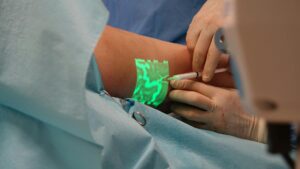
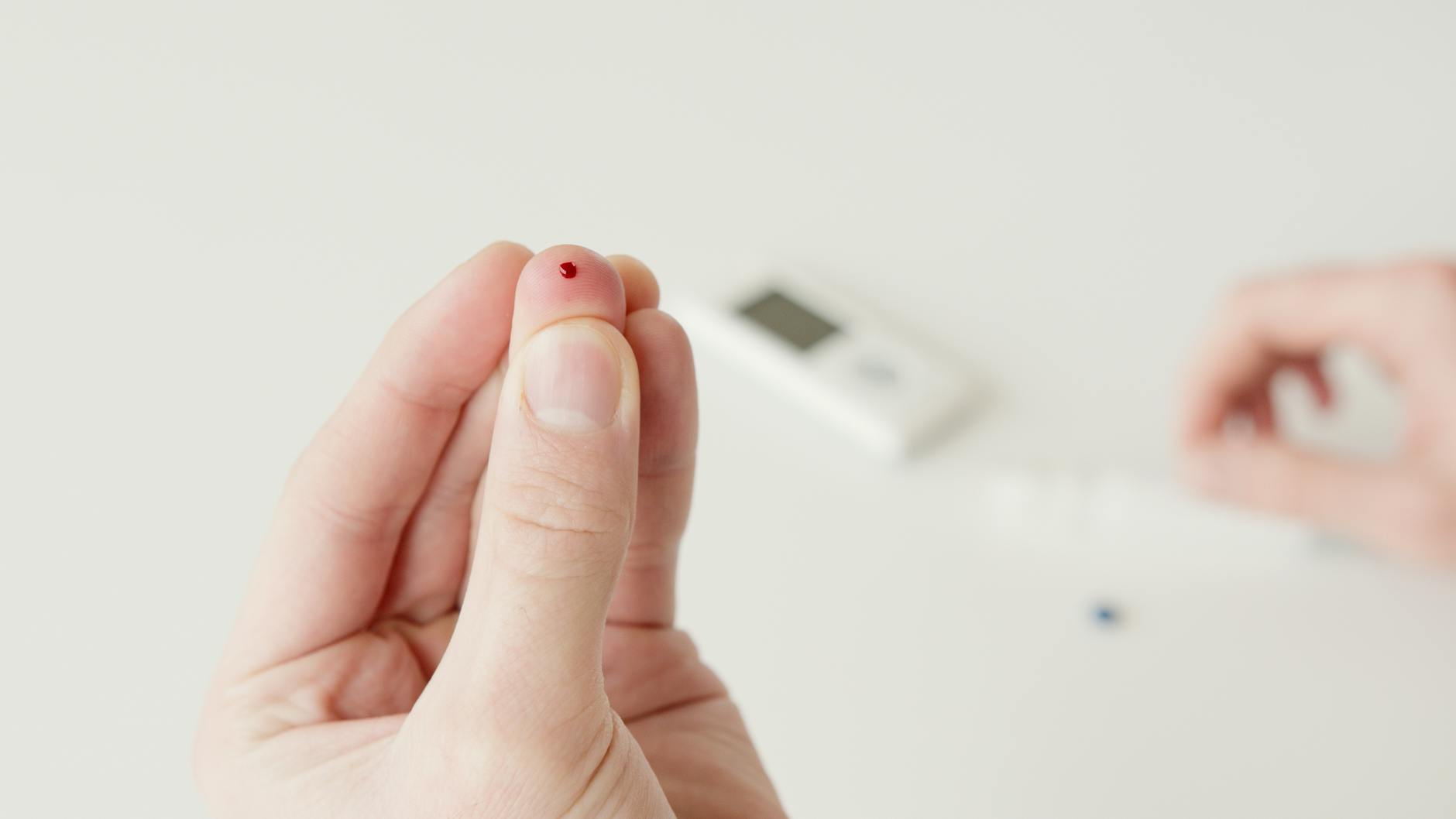
The iPLEDGE program and most dermatologists require lipid testing at baseline, then repeat testing at least once during the first month of treatment, with subsequent testing every 1–3 months depending on results and protocol. A patient on a typical 16–20 week Accutane course might have 4–6 lipid panels drawn. The testing is straightforward: fasting lipid panel (you fast for 8–12 hours before the blood draw to get accurate triglyceride readings; non-fasting triglycerides can be falsely elevated). Your blood is drawn, sent to a lab, and results return within days.
Interpretation requires clinical context. A 18-year-old with triglycerides rising from 85 mg/dL to 150 mg/dL during Accutane is within range that many dermatologists monitor but tolerate, especially if HDL remains stable. The same 150 mg/dL in a 45-year-old with diabetes and a history of high cholesterol is more concerning and might prompt dose reduction or additional lipid management. Your dermatologist weighs the lipid trend (are they rising, stable, or falling?), the absolute values, your personal health history, and the severity of your acne to determine whether to continue, modify the dose, or pause treatment. This is why your communication with your dermatologist about any family history of heart disease, stroke, or high cholesterol is crucial—it shapes how they interpret your individual results.
Managing Elevated Lipids While on Accutane—Practical Steps
If your lipid panel comes back elevated during Accutane treatment, your dermatologist has several options, and the choice depends on the degree of elevation and your health profile. The first line of intervention is usually lifestyle modification: increases in aerobic exercise (30–45 minutes most days of the week), reduced intake of saturated fats and simple carbohydrates, increased fiber intake, and weight management if applicable. For many patients, these changes produce modest improvements in triglycerides and cholesterol within 4–6 weeks, sometimes enough to keep lipid values in an acceptable range without stopping Accutane. If lipids remain elevated despite lifestyle changes, or if the initial elevation is severe (triglycerides >500 mg/dL, for example), your dermatologist may reduce your Accutane dose, extend your treatment duration, or temporarily pause treatment to allow lipids to normalize.
Some dermatologists add a statin (a cholesterol-lowering medication) during Accutane therapy, though this adds complexity and another medication. The tradeoff: a statin can lower lipids and potentially allow Accutane continuation, but it’s an additional medication with its own side effects and monitoring requirements. Statins are more commonly used in older patients or those with significant cardiovascular risk factors. In younger, healthier patients, dose reduction or pausing is often preferred over adding another drug. Your personal risk factors, the severity of your acne, and how close you are to completing your planned Accutane course all influence this decision.
What Happens If Lipids Spike Dangerously During Treatment
Severe lipid elevation—particularly triglycerides exceeding 500 mg/dL—is a medical emergency requiring immediate intervention. At these levels, the risk of acute pancreatitis becomes material. Pancreatitis presents with sudden severe upper abdominal pain, often radiating to the back, nausea, and vomiting. If you experience these symptoms during Accutane treatment, seek emergency care immediately and inform the ER physician that you’re on isotretinoin and have had elevated lipids. Triglycerides above 500 mg/dL require Accutane discontinuation until lipids normalize, often necessitating intensive intervention: a low-fat diet, possible high-dose omega-3 supplementation, and sometimes a fibrate (a different class of lipid-lowering drug more aggressive than statins for triglycerides).
A key limitation to understand: lifestyle modifications alone may not be sufficient once triglycerides have spiked to dangerous levels. The Accutane has already altered your lipid metabolism, and reversing that takes time. If you’re approaching the higher-risk category (triglycerides 300–500 mg/dL), your dermatologist should discuss the risk-benefit clearly with you. For most patients, completing Accutane at a slightly lower dose over a longer period is preferable to racing through at full dose and developing a complication. However, if X then Y: if your acne is severe enough that lower-dose Accutane won’t achieve adequate clearance, or if your triglycerides keep rising despite dose reduction, then discontinuing treatment and exploring alternatives might be the safer choice.

The Role of Diet and Exercise in Lipid Management on Accutane
Your diet choices directly impact lipid levels while on Accutane. Diets high in refined carbohydrates and added sugars are associated with higher triglycerides; reducing sugar intake and choosing complex carbohydrates (whole grains, legumes, vegetables) can lower triglycerides by 20–30% in some individuals. Saturated fat reduction—limiting butter, fatty meats, full-fat dairy—also helps lower LDL and total cholesterol. Conversely, increasing omega-3 fatty acids (fatty fish like salmon, sardines; flaxseeds; walnuts) is associated with lower triglycerides and is one of the few dietary interventions with solid research support during Accutane therapy.
A concrete example: a 20-year-old male on Accutane noticed his triglycerides had risen to 220 mg/dL. His dermatologist recommended cutting out regular soda and pastries, eating salmon twice weekly, and walking 30 minutes daily. Three months later, after consistent adherence, his triglycerides had dropped to 145 mg/dL, even while continuing Accutane. He was able to complete his full Accutane course without dose reduction. Diet and exercise aren’t a replacement for medical monitoring, but they’re a concrete, actionable way to actively manage your lipid health during treatment.
Long-Term Lipid Effects After Accutane—What to Expect Post-Treatment
For most patients, lipid levels normalize within weeks to a few months after Accutane treatment ends. Your liver’s lipid metabolism returns to baseline once the drug is out of your system. However, this normalization isn’t instantaneous, and baseline is different for everyone. Some patients see lipids return to pre-treatment levels within 4–6 weeks; others take 2–3 months.
This is why dermatologists sometimes recommend a follow-up lipid panel 4–6 weeks after your final Accutane dose, particularly if lipids were elevated during treatment. Looking forward, completing Accutane successfully typically means you won’t need the drug again—isotretinoin is usually a one-time course because its effects on the skin are often permanent or very long-lasting. Once lipids have normalized post-treatment, your cardiovascular health risk returns to your baseline. The critical insight: Accutane-induced lipid elevation is temporary and reversible, but only if it’s monitored and managed during the treatment window. The non-negotiable testing serves one purpose: keeping you safe during the months when the drug is in your system, so that you can pursue the skin clearance you’re seeking without accumulating hidden cardiovascular damage.
Conclusion
Lipid panel testing during Accutane is non-negotiable because isotretinoin reliably alters lipid metabolism in ways you cannot feel or detect without blood work. The testing is simple, the risk of not testing is real (silent cardiovascular changes, risk of pancreatitis), and the intervention options—lifestyle changes, dose adjustment, or medication—are effective when implemented early. Your dermatologist orders these tests not to be cautious, but because isotretinoin is powerful enough to change how your body processes fats, and that change demands surveillance.
Make fasting lipid testing a non-negotiable part of your Accutane commitment. Schedule your baseline panel before your first dose, attend every follow-up lipid test your dermatologist recommends, and communicate openly about any family history of heart disease or high cholesterol. If your lipids rise during treatment, work with your dermatologist on diet and exercise modifications, and be willing to accept dose adjustments if needed. Completing Accutane successfully means you’ll have clear skin, and completing it safely means you’ll have clear skin with intact long-term health.