Laneige Water Sleeping Mask breaks some people out because of how it’s formulated and applied. The product contains multiple fungal acne triggers, silicone ingredients that can suffocate skin, and fragrance that may irritate sensitive individuals—but the biggest culprit is over-application.
When users apply it too thickly (treating it like a traditional mask rather than a moisturizer), the gel sits on the skin instead of absorbing, creating a breeding ground for bacteria and causing bumps and pimples within days. Whether you experience breakouts depends on your specific skin sensitivity, your skin microbiome, and whether you’re using the product correctly. This article explores the ingredient profile that causes reactions, the application mistakes that trigger breakouts, and how to determine if this popular Korean skincare product is safe for your skin.
Table of Contents
- Does Laneige Water Sleeping Mask Contain Fungal Acne Triggers?
- What Role Do Silicones Play in Laneige Breakouts?
- How Does Fragrance Sensitivity Cause Laneige Reactions?
- Is Over-Application the Real Problem with Laneige?
- What Does the Research Say About Extended Mask Use and Breakouts?
- Who Should Avoid Laneige Water Sleeping Mask?
- What Are Better Alternatives if Laneige Breaks You Out?
- Conclusion
Does Laneige Water Sleeping Mask Contain Fungal Acne Triggers?
Yes—the formula contains at least four ingredients known to feed malassezia yeast (also called pityrosporum folliculitis), a fungal condition that causes small, persistent bumps and itchiness. These ingredients include fatty acids, oils, esters, polysorbates, and fermented components commonly found in Korean skincare products.
If you’re prone to fungal acne—especially if you’ve had trouble with other hydrating products—this mask can make the problem worse because you’re essentially feeding the yeast while the occlusive formula traps moisture and warmth, creating ideal growth conditions. For comparison, someone with bacterial acne might use Laneige without issue, while someone with fungal acne or a history of malassezia folliculitis might break out within 3–7 days of use. This is why the product gets glowing reviews from some users and disaster reviews from others—it’s not universally problematic, but it is problematic for specific skin conditions.

What Role Do Silicones Play in Laneige Breakouts?
The Water Sleeping Mask contains multiple silicone ingredients that coat the skin and seal in moisture. In theory, this should be hydrating and protective. In practice, for many users, silicones create a suffocating barrier that prevents skin from “breathing,” traps bacteria and dead skin cells underneath, and exacerbates existing breakouts. Users consistently report that silicones make their skin feel heavy, look congested, and trigger new pimples—especially along the cheeks and jawline where the product tends to accumulate.
However, silicones aren’t universally problematic. If you have dehydrated, non-acne-prone skin, silicones can be a great way to lock in hydration overnight. The key difference is whether your skin barrier is already compromised and whether bacteria are already active in your pores. Someone with healthy, balanced skin may tolerate the silicone occlusion fine. Someone with active acne, congestion, or a damaged barrier will likely see their breakouts worsen.
How Does Fragrance Sensitivity Cause Laneige Reactions?
The product contains fragrance, which is a known irritant for sensitive individuals—particularly women with a history of eczema, atopic dermatitis, or allergic reactions to perfumes and deodorants. Fragrance doesn’t cause acne in the traditional sense (it doesn’t clog pores), but it causes inflammation, redness, and irritation that can trigger sensitivity reactions and make existing acne worse. If you apply this mask to already-inflamed, acne-prone skin, the fragrance can push your skin over the edge into visible irritation within a few hours.
This is especially relevant if you’re using acne treatments (like retinoids or acids) that already sensitize your skin. Adding a fragrant product on top amplifies inflammation. A person with resilient, non-sensitive skin might not notice the fragrance at all, while someone with rosacea, eczema, or active breakouts will experience a sharp reaction.

Is Over-Application the Real Problem with Laneige?
Yes. The biggest breakout-causing mistake is applying Laneige like a traditional sheet mask—thick, heavy, all over the face. This thick application prevents the gel from absorbing into the skin, leaving a sealed barrier of unabsorbed product that traps bacteria and moisture. Within 24–48 hours, users report new bumps, whiteheads, and inflamed pimples forming wherever the product sat thickest (usually the forehead and cheeks).
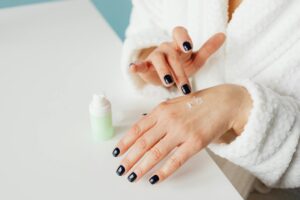
The correct application is a thin layer—like you would apply a regular night moisturizer, not a face mask. A pea-sized to almond-sized amount spread across the entire face should be sufficient. If you’re applying more than that, you’re setting yourself up for breakouts. This is a critical distinction because many users see “mask” in the product name and assume they should apply it generously, which is the opposite of what works.
What Does the Research Say About Extended Mask Use and Breakouts?
Studies on facial sheet masks found that wearing masks for longer than 25 minutes led to increased dryness (57.14% of users) and redness (10.71% of users), while shorter mask use under 25 minutes actually improved hydration and didn’t trigger adverse reactions. While Laneige is a leave-on mask rather than a sheet mask, the principle is similar: extended occlusion without breaks causes inflammation and disrupts the skin barrier.
Sleeping in Laneige every night means 8 hours of uninterrupted occlusion, which can be too much for acne-prone skin. This doesn’t mean you should never use it. However, if you’re experiencing breakouts, consider using it only 2–3 nights per week instead of nightly, or switching to a lighter night moisturizer and reserving Laneige for occasional deep hydration treatments.

Who Should Avoid Laneige Water Sleeping Mask?
You should avoid this product if you have a history of malassezia/fungal acne, active inflammatory acne, eczema, rosacea, or fragrance sensitivity. You should also avoid it if you’re currently using acne treatments (retinoids, benzoyl peroxide, salicylic acid) that already compromise your skin barrier—the combination is too much occlusion.
If you have oily or combination skin that’s already prone to congestion, this heavy mask will likely worsen breakouts. For example, someone using tretinoin for acne should absolutely not layer Laneige on top; the barrier damage from tretinoin plus the occlusion from Laneige will trigger significant irritation and breakouts. Conversely, the product works well for dry, non-acne-prone skin, especially during winter months when skin needs intense hydration.
What Are Better Alternatives if Laneige Breaks You Out?
If Laneige triggered breakouts, your skin likely needs either less occlusion or different ingredients. Consider lightweight alternatives like a gel-based moisturizer without silicones and fragrance, or hyaluronic acid serums that hydrate without sealing in bacteria.
Look for products labeled “fungal acne safe” if you suspect your breakouts are yeast-related. The key is finding hydration without the heavy silicone base or fragrance irritants that Laneige relies on. As skincare formulations continue to evolve, more brands are recognizing that heavy occlusive masks aren’t ideal for everyone—the future of sleep masks is likely lighter, more targeted formulas that hydrate without suffocating acne-prone skin.
Conclusion
Laneige Water Sleeping Mask breaks some people out due to a combination of fungal acne trigger ingredients, silicone occlusion, fragrance irritants, and over-application. Whether this product will cause you to break out depends on your specific skin condition, sensitivity level, and how thickly you apply it. Before committing to regular use, patch test the product on a small area (like your jawline or temple) for 3–5 nights and watch for bumps, redness, or irritation.
If you do experience breakouts, the solution isn’t always to abandon hydrating products—it’s to find the right formulation and application method for your skin barrier and microbiome. If Laneige didn’t work for you, your skin isn’t broken or “too sensitive”—you simply need a different hydration strategy. Talk to a dermatologist if you’re struggling with persistent breakouts after trying multiple moisturizers, as fungal acne and barrier damage require specific treatment approaches that a heavy moisturizer alone won’t fix.