Krave Beauty Beet the Sun is an excellent sunscreen for acne-prone skin because it combines broad-spectrum UV protection with a lightweight, non-comedogenic formula that won’t clog pores or trigger breakouts. Unlike many traditional sunscreens that sit heavy on skin and can exacerbate acne, Beet the Sun uses a gel-to-powder texture that feels weightless while delivering SPF 30 protection. For someone using acne medications like benzoyl peroxide or retinoids—which increase photosensitivity—this sunscreen becomes essential, not optional.
It layers seamlessly under other products and actually improves skin appearance through antioxidant benefits rather than creating a greasy barrier that traps bacteria and sebum. This article explores why Beet the Sun stands out for acne-prone skin, how its key ingredients support clearer skin, practical ways to use it in your acne routine, and what limitations you should know about. We’ll also cover how sunscreen protection becomes even more critical when treating active acne.
Table of Contents
- What Makes Krave Beauty Beet the Sun Different for Acne-Prone Skin?
- Sun Protection as Part of Acne Treatment, Not Just Prevention
- The Role of Beet Extract and Antioxidants in Acne Skin
- How to Use Beet the Sun Effectively in Your Acne Routine
- Potential Limitations and Who Might Need a Different Option
- Comparing Beet the Sun to Other Acne-Friendly Sunscreens
- Why Sun Protection Matters for Acne-Prone Skin Going Forward
- Conclusion
What Makes Krave Beauty Beet the Sun Different for Acne-Prone Skin?
The primary reason Beet the Sun works well for acne-prone skin is its formulation philosophy: it’s designed to protect without adding the ingredients that typically trigger breakouts. Many sunscreens rely on heavy oils, silicones, or thick emulsifiers that create an occlusive layer on skin. This layer traps sweat, bacteria, and sebum underneath—exactly the conditions that breed acne. Beet the Sun avoids this by using a hybrid formula that sits on top of skin as a protective shield rather than sinking into pores.
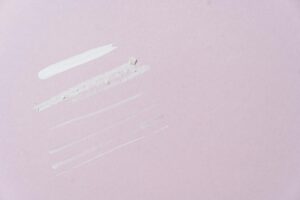
The texture converts from a lightweight liquid-gel to a powder finish, which keeps the skin feeling matte and preventing that sticky, pore-clogging sensation that makes acne worse. In comparison, mineral sunscreens often leave a white cast and feel chalky, which is why many people with acne skip sunscreen altogether. Chemical sunscreens, while lighter, sometimes irritate reactive or compromised skin. Beet the Sun bridges this gap with a chemical formula that’s calibrated for sensitive, acne-prone skin specifically. A person using adapalene (a prescription acne retinoid) and dealing with redness and flaking will experience immediate relief using this sunscreen—it doesn’t sting, doesn’t disrupt the skin barrier, and provides the SPF 30 protection that becomes mandatory when using skin-sensitizing acne treatments.

Sun Protection as Part of Acne Treatment, Not Just Prevention
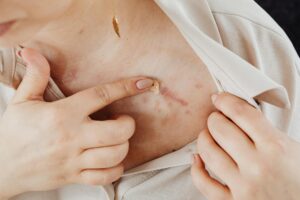
Sun exposure is often overlooked in acne discussions, but it’s actually a critical factor in how acne develops and heals. UVA and UVB rays can darken acne scars, deepen post-inflammatory hyperpigmentation (the dark marks left after pimples heal), and even trigger inflammatory responses that aggravate active breakouts. When you’re treating acne with prescription medications or over-the-counter actives, your skin becomes more photosensitive. Benzoyl peroxide increases UV-induced cell damage, retinoids thin the skin temporarily and reduce its natural sun protection, and most acne treatments compromise the skin barrier, making sun damage more likely.
However, if you skip sunscreen while treating acne, you’re actually sabotaging your treatment results. Someone completing a course of isotretinoin (Accutane) or using strong topical retinoids will develop severe sun damage and hyperpigmentation if they don’t use daily SPF 30 or higher. Beet the Sun fits this need perfectly because it’s non-irritating enough for skin already stressed by acne medications, yet provides reliable protection. The SPF 30 is technically the minimum for daily use, but it’s sufficient for regular indoor-to-outdoor activity. For someone spending extended time outdoors, reapplication becomes important—which Beet the Sun makes easier due to its lightweight formula that doesn’t feel heavy when reapplied.
The Role of Beet Extract and Antioxidants in Acne Skin
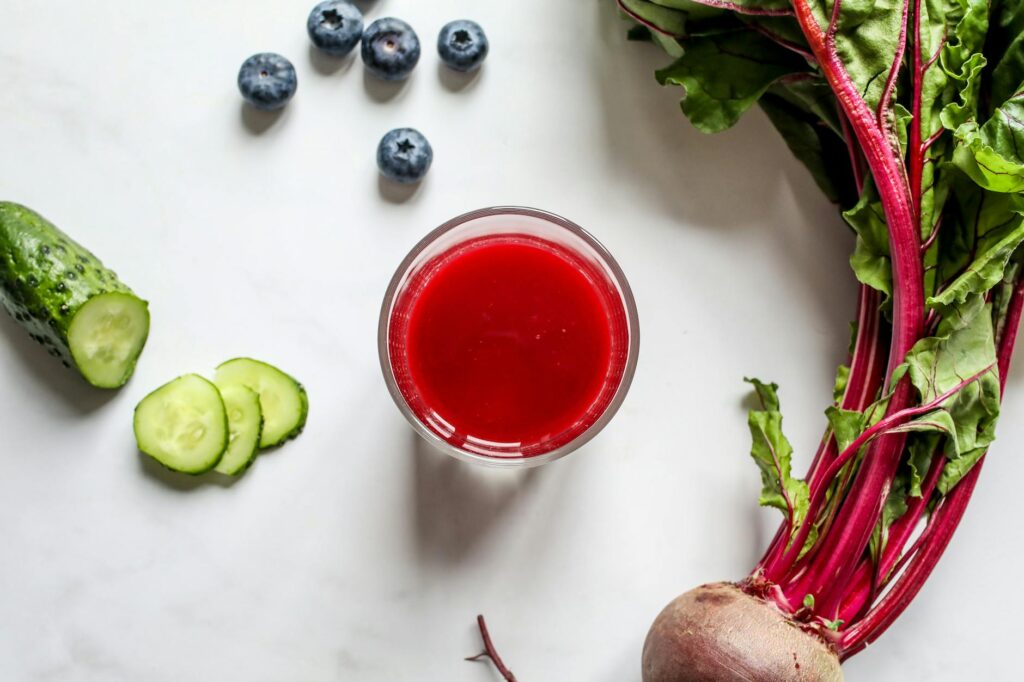
Krave Beauty specifically chose beet extract as the signature ingredient because of its potent antioxidant and anti-inflammatory properties. Beet extract contains betalains and polyphenols, compounds that neutralize free radicals generated by sun exposure and environmental stress. For acne-prone skin, these antioxidants do double duty: they reduce the inflammatory response that makes acne visible and painful, while also preventing oxidative stress that can trigger new breakouts. This isn’t just theoretically beneficial—the antioxidant effect is measurable and addresses a real problem in acne management.
The anti-inflammatory benefit is especially valuable because acne is fundamentally an inflammatory condition. While beet extract won’t replace targeted acne treatments like salicylic acid or benzoyl peroxide, it supports those treatments by calming the surrounding skin. Someone with sensitive, easily irritated acne might use a gentle cleanser, a low-concentration benzoyl peroxide treatment, and Beet the Sun as their entire routine—and many find this combination more effective than harsh, multi-step acne regimens because the skin remains less inflamed overall. Additionally, beet extract provides brightening benefits, which helps counteract the dullness and redness that acne causes. This is a limitation worth noting: while antioxidants help with inflammation and skin health, they don’t replace actual acne-fighting actives like retinoids or salicylic acid for treating active breakouts.
How to Use Beet the Sun Effectively in Your Acne Routine
The key to getting results from Beet the Sun is using it consistently and in the correct amount. Most people apply too little sunscreen, which reduces its protective benefits significantly. The standard recommendation is 1/4 teaspoon for the face (about the size of a nickel or pea), applied generously across all exposed areas. For someone using acne treatments, applying this amount every morning is non-negotiable if you want your acne medications to work effectively without causing additional sun damage. Timing and layering matter too.
Beet the Sun works best applied after your acne treatment has fully absorbed but before moisturizer, or after your entire skincare routine if you’re using multiple treatments. For someone using retinoids at night and salicylic acid in the morning, the morning routine would look like: cleanser → salicylic acid (wait 10 minutes to dry) → moisturizer → Beet the Sun. The lightweight formula means it doesn’t interfere with other products or disrupt acne treatments. One practical tradeoff: because it’s SPF 30, not SPF 50+, reapplication becomes more important if you’re outdoors for extended periods. Many people find this manageable, especially in office or indoor settings where reapplication is less critical.
Potential Limitations and Who Might Need a Different Option
While Beet the Sun is formulated for acne-prone skin, it’s not universally perfect for every person with acne. If you have extremely oily skin that produces copious sebum, you might find even this lightweight formula slightly heavy by end of day. Some people report that any sunscreen, regardless of formula, can feel occlusive on peak-oil-production days. In this case, using Beet the Sun only on days when you’ll be in sun, or considering a more minimalist approach (like a tinted mineral sunscreen), might work better. Similarly, if you have concurrent rosacea or severe reactive skin, the slight alcohol content in Beet the Sun could potentially irritate.
Always patch test first. Another consideration: Beet the Sun is SPF 30, which is the minimum effective SPF for daily use but lower than SPF 50 or 70 options. If you have a history of severe post-inflammatory hyperpigmentation or you live in an extremely sunny climate, you might benefit from a higher SPF. However, this is a minor limitation rather than a deal-breaker, as SPF 30 still filters 97% of UVB rays compared to 98% for SPF 50. The difference is modest, and many dermatologists note that consistent use of SPF 30 beats inconsistent use of SPF 50 simply because people reapply sunscreen they enjoy wearing.
Comparing Beet the Sun to Other Acne-Friendly Sunscreens
The sunscreen market has few products specifically formulated for acne-prone skin, which makes Beet the Sun relatively unique. Neutrogena Ultra Sheer Dry-Touch is popular with acne-prone skin users because it’s lightweight and affordable, but it lacks the antioxidant benefits and specific acne consideration that Krave Beauty included. Aveeno Clear Complexion is another option, but it’s slightly heavier and contains salicylic acid, which is redundant if you’re already using salicylic acid elsewhere in your routine. La Roche-Posay Anthelios is more expensive and heavier, designed more for sensitive skin than specifically for acne.
What sets Beet the Sun apart is the deliberate combination of lightness, antioxidant protection, and acne-friendly formulation. It doesn’t try to be a treatment sunscreen (like ones with salicylic acid added), which would complicate your routine. Instead, it protects and soothes without interfering. For someone choosing between Beet the Sun and a generic lightweight sunscreen, the antioxidant boost and brand reputation for acne-friendly formulation justify the slightly higher price point.
Why Sun Protection Matters for Acne-Prone Skin Going Forward
As dermatology research continues to evolve, one consistent finding is that sun exposure accelerates skin aging and complicates every skin condition, especially acne. Young people with acne often skip sunscreen because they think they have time to worry about sun damage later. This is a short-sighted approach—the sun damage accumulates immediately and compounds over years. Additionally, UV exposure triggers inflammatory pathways that directly worsen acne.
Someone in their 20s using retinoids for acne without sunscreen will experience both more severe acne in the short term (from increased photosensitivity) and accelerated skin aging in the long term. Looking forward, incorporating a daily sunscreen like Beet the Sun into your acne care routine isn’t just about preventing melanoma—it’s about preventing acne scars from becoming darker, keeping hyperpigmentation from worsening, and actually allowing your acne treatments to work more effectively. As acne treatments become more potent (stronger retinoids, combination therapies, isotretinoin), sun protection becomes even more essential. Making Beet the Sun a non-negotiable daily step now sets up healthier skin in 5, 10, and 20 years.
Conclusion
Krave Beauty Beet the Sun is good for acne skin because it combines lightweight, non-comedogenic sun protection with antioxidants that support acne-prone skin without adding the occlusive, pore-clogging ingredients that trigger breakouts. When you’re treating acne with medications that increase photosensitivity, this sunscreen protects your skin barrier, prevents hyperpigmentation, and allows your actual acne treatments to work without being sabotaged by sun exposure. The SPF 30 is adequate for daily use with consistent reapplication, and the beet extract provides meaningful anti-inflammatory and brightening benefits that complement acne treatments.
If you’re serious about clearing acne and preventing post-acne scars and discoloration, daily sunscreen is not optional—it’s a cornerstone of effective acne care. Beet the Sun removes the excuse of “it’s too heavy” or “it irritates my sensitive skin” by being specifically formulated to work with acne-prone skin rather than against it. Start with proper application (1/4 teaspoon on your face), use it consistently every single day, and you’ll see the difference not just in your acne clearing faster, but in your skin staying clear longer.