IPL (Intense Pulsed Light) therapy is ideal for fair-skinned acne patients with redness because it simultaneously treats two interconnected problems: active acne bacteria and the lingering red marks left behind. Unlike many acne treatments that address just one issue, IPL works through three distinct mechanisms—photochemical, photothermal, and photo-immunological effects—that target both the inflammatory lesions and the broken blood vessels causing persistent erythema. For fair-skinned patients specifically, IPL’s effectiveness is amplified by the lower melanin concentration in their skin, which allows the light energy to penetrate more effectively to the deeper dermal layers where acne bacteria thrive and where post-inflammatory redness develops.
This combination of efficacy and safety makes IPL particularly well-suited to fair skin types. Clinical evidence shows that patients with fair skin experience fewer pigmentation complications from IPL because there’s less melanin competing for the light energy—meaning more of the treatment targets the actual acne and redness rather than surface pigmentation. A 2026 real-world study of 236 patients who underwent six or more IPL sessions between 2020 and 2025 demonstrated consistent efficacy and safety across treatment protocols. This article explores why IPL works so well for fair-skinned acne sufferers, what results you can realistically expect, how treatment protocols are structured, and what ongoing research tells us about optimal outcomes.
Table of Contents
- How IPL Tackles Active Acne in Fair Skin
- The Real Impact on Post-Inflammatory Erythema (Redness)
- Why Fair Skin Responds Better to IPL Treatment
- What Treatment Looks Like and What to Expect
- Managing Side Effects and When to Be Concerned
- Combining IPL with Complementary Treatments
- Current Research Evolution and What’s Coming
- Conclusion
- Frequently Asked Questions
How IPL Tackles Active Acne in Fair Skin
IPL’s effectiveness against acne bacteria is well-established in clinical literature. In one key study comparing different IPL treatment modes, patients receiving burst-pulse IPL saw a 56.66% reduction in acne severity after just four sessions, compared to 40.17% reduction with single-pulse mode—demonstrating that treatment parameters matter significantly. That same study showed an overall mean reduction of 49.19% in acne severity scores across all treatment approaches. For fair-skinned patients, this translates to faster visible improvement because the light penetrates more efficiently without competing against melanin in the skin.
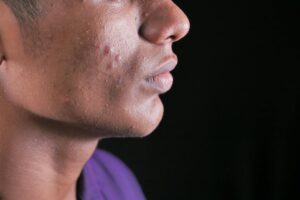
More recent evidence from a 2022 Frontiers in Medicine analysis found that 85% of patients achieved greater than 50% improvement in acne vulgaris lesions following twice-weekly IPL therapy for just four weeks. At the six-month mark, clinical data showed 72% clearance of non-inflammatory lesions and 73% clearance of inflammatory lesions. These numbers matter because they show IPL doesn’t just reduce redness or prevent new breakouts—it actively clears existing acne lesions. For someone with fair skin dealing with an active breakout plus underlying redness, this dual-action effect accelerates healing compared to treatments that only address one aspect of the problem.

The Real Impact on Post-Inflammatory Erythema (Redness)
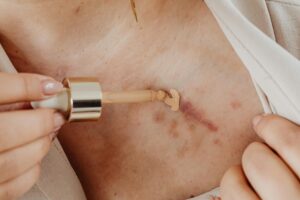
While acne lesions may heal, the red marks they leave behind can persist for months or even years—this is post-inflammatory erythema, and it’s where many acne sufferers get stuck. IPL directly targets the broken capillaries and excess blood flow causing this redness through its photothermal effects. In a clinical study specifically examining IPL’s impact on post-inflammatory erythema, researchers measured erythema scores before and after treatment, finding a mean reduction from 2.57 ± 0.66 down to 1.21 ± 0.48 (a statistically significant improvement, P < 0.001). The practical outcome: 33.33% of patients achieved excellent improvement in redness, while 45.45% saw good improvement—meaning nearly 80% experienced meaningful reduction in post-inflammatory marks.
However, the timeline for erythema improvement differs from active acne improvement. While active acne lesions may improve within weeks, post-inflammatory redness typically requires 3-6 sessions to show substantial improvement. Additionally, fair skin‘s advantage here is both a benefit and a limitation: because fair skin shows redness more prominently (due to lower melanin masking the red undertones), the improvement is often more visually dramatic, but baseline redness may be more noticeable than in darker skin tones. WebMD clinical data indicates 50-75% reduction in broken blood vessels after 1-3 treatments, though this varies based on the depth and age of the erythema being treated.
Why Fair Skin Responds Better to IPL Treatment
The scientific reason fair skin responds optimally to IPL relates to how the technology actually works: IPL devices emit multiple light wavelengths (typically 515-1200 nanometers), which are absorbed by chromophores—light-absorbing molecules—in the skin. The primary chromophores relevant to acne treatment are hemoglobin (in blood vessels) and melanin (in skin pigmentation). In fair skin, melanin concentration is lower, which means less light energy is absorbed by surface pigmentation and more reaches the deeper dermal layers where acne bacteria and vascular lesions reside.
This doesn’t mean IPL is unsafe for darker skin tones, but darker skin requires more careful parameter adjustment to avoid hyperpigmentation or burns. For fair-skinned patients, dermatologists can use standard, well-established parameters without as much customization. A narrow-band IPL study conducted between May 2021 and April 2024 across 112 patients showed significant erythema reduction compared to both PDL (pulsed dye laser) and broad-band IPL, with fewer complications in lighter skin types. This research suggests that IPL technology itself may be becoming more refined, with narrow-band versions offering even better precision for targeting redness specifically while minimizing heat damage to surrounding tissue.
What Treatment Looks Like and What to Expect
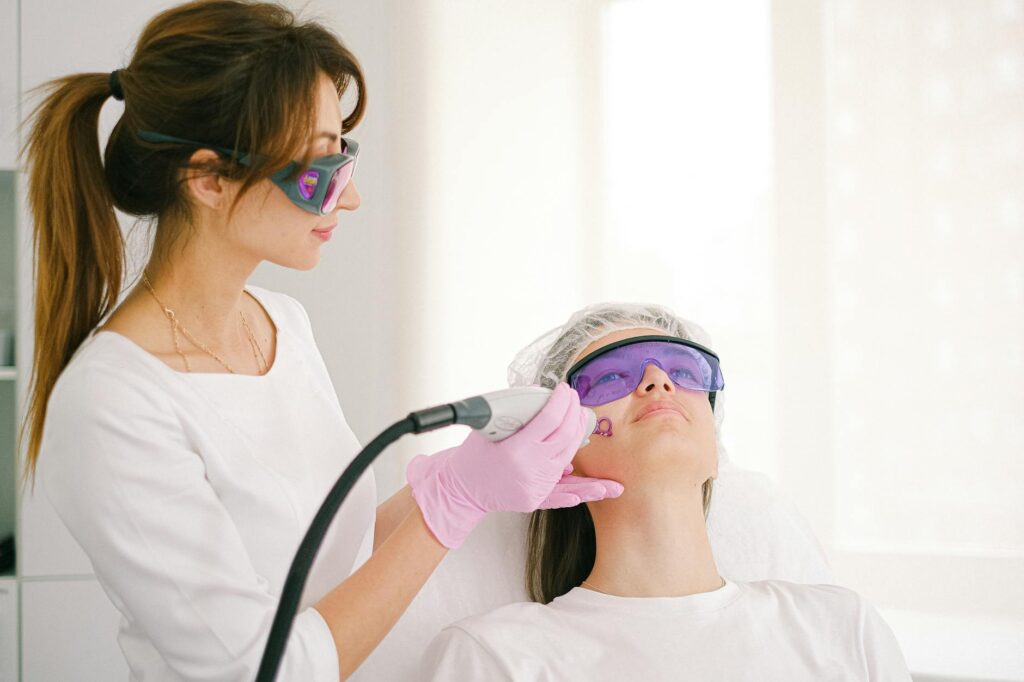
A typical IPL protocol for acne and redness involves 4-6 sessions spaced 2-4 weeks apart, though some dermatologists recommend twice-weekly sessions for faster results (as seen in the 2022 study showing 85% improvement rates). Each session takes 20-40 minutes depending on the treatment area. During the procedure, you’ll feel a series of warm snaps against your skin—not painful, but noticeable. Fair skin typically requires less anesthetic preparation than darker skin types, though a cooling gel is always applied beforehand to protect the epidermis.
Results aren’t immediate. Most patients notice improvement in active acne breakouts within 2-3 weeks as the photochemical and photo-immunological effects reduce bacterial load and inflammation. Post-inflammatory redness takes longer—usually 6-8 weeks before meaningful improvement becomes visible, with optimal results appearing at 3-6 months as collagen remodeling continues after the final session. If you’re considering IPL specifically for your combination of acne and redness, realistic expectations mean: expect 50-85% improvement in active lesions, and 50-75% improvement in broken capillaries, but plan for a 3-6 month timeline to see the full benefit. Some dermatologists recommend a single maintenance session every 3-6 months after the initial series to prevent recurrence.
Managing Side Effects and When to Be Concerned
The most common side effects of IPL are temporary and manageable. Skin dryness occurs in 63.6% of patients, while itching occurs in 54.5%—but both typically decrease significantly over the course of treatment with proper aftercare. Post-procedure, your skin may feel like it has mild sunburn, and you might notice slight redness or swelling for a few hours. Some patients report temporary hyperpigmentation (darkening of small areas) or hypopigmentation (lightening), but these usually resolve within 2-4 weeks. However, there are specific warning signs to discuss with your dermatologist before starting.
If you take photosensitizing medications (certain antibiotics, NSAIDs, or herbal supplements like St. John’s Wort), you may need to pause treatment or adjust medication timing. If you have active herpes simplex (cold sores), active skin infections, or very sun-damaged skin with deep wrinkles, IPL efficacy may be reduced or complications more likely. Fair skin, while generally a safe candidate for IPL, can still develop paradoxical post-inflammatory hyperpigmentation in rare cases if settings are too aggressive. This is why a consultation with a board-certified dermatologist is essential—they’ll evaluate your specific skin type, acne severity, and redness extent to set appropriate parameters that maximize safety and efficacy for your situation.
Combining IPL with Complementary Treatments
IPL doesn’t have to be used in isolation. Recent research shows that combination therapy—specifically IPL combined with photodynamic therapy (IPL-PDT)—demonstrates high efficacy, minimal side effects, and low recurrence rates for mild-to-moderate acne. In this approach, a photosensitizing agent is applied to the skin before the light treatment, enhancing the photochemical effects. A 2024 study documented this combination’s superior outcomes compared to IPL alone.
Additionally, a 2026 multimodal rejuvenation study found that IPL combined with mesotherapy (a treatment involving microinjections of vitamins, amino acids, and other nutrients) provided safe, effective, and well-tolerated improvement in facial conditions, including acne-related damage. Some dermatologists also pair IPL with topical retinoids or azelaic acid between sessions to enhance skin barrier function and prevent flare-ups. The advantage of combination approaches is faster, more comprehensive improvement—treating not just acne and redness but also supporting skin texture and preventing future damage. The tradeoff is cost and treatment time, as combination protocols naturally require more appointments and higher overall investment than IPL alone.
Current Research Evolution and What’s Coming
The research into IPL for acne is actively evolving. The 2026 real-world study of 236 patients provided one of the largest recent datasets on IPL efficacy across diverse demographics and treatment regimens, showing that IPL outcomes remain consistent and predictable when used appropriately. Narrow-band IPL technology, as mentioned earlier, represents a refinement that may offer even more targeted results with fewer side effects for patients dealing specifically with erythema.
Looking forward, research is examining whether IPL’s photo-immunological effects (the immune system boost) might prevent acne recurrence over longer timeframes, not just treat current breakouts. Some emerging research also explores whether IPL can be combined with oral supplements or systemic treatments to reduce relapse rates. For fair-skinned patients specifically, the advantage is that clinical guidelines are well-established and evidence-based—dermatologists have decades of data on how IPL performs in lighter skin types, making treatment planning more predictable than for patients with darker skin types where parameter customization is still evolving.
Conclusion
IPL therapy represents an ideal solution for fair-skinned acne patients with redness because it simultaneously addresses the two interconnected problems most people face: active inflammatory lesions and lingering post-inflammatory erythema. The clinical evidence is compelling—85% of patients achieve greater than 50% improvement in acne lesions, and nearly 80% experience meaningful reduction in redness marks.
For fair skin specifically, the lower melanin concentration means IPL’s light energy reaches deeper dermal layers more effectively, resulting in faster results and fewer complications compared to other skin types. If you’re considering IPL for your acne and redness, the next step is scheduling a consultation with a board-certified dermatologist who can evaluate your specific skin condition, discuss realistic timelines (typically 3-6 months for full results), and ensure IPL is appropriate given your medical history and current medications. Most patients who proceed with treatment find the investment worthwhile given the long-lasting improvement in both active acne and residual redness—and with maintenance sessions, many achieve durable results that persist for years.
Frequently Asked Questions
How many IPL sessions do I need to see results?
Most patients notice improvement in active acne lesions within 2-3 weeks of the first session. Significant improvement typically requires 4-6 sessions spaced 2-4 weeks apart. Post-inflammatory redness takes longer—usually 6-8 weeks before visible improvement, with optimal results at 3-6 months.
Is IPL safe for fair skin?
Yes, IPL is generally considered safer for fair skin than darker skin types because lower melanin levels mean less competition for the light energy, allowing it to target acne and redness more specifically. However, individual results vary based on treatment parameters and skin sensitivity, so a dermatology consultation is essential.
Can I combine IPL with other acne treatments?
Yes. IPL combines effectively with topical treatments like retinoids or azelaic acid, and studies show that IPL-PDT (photodynamic therapy) and IPL with mesotherapy produce superior results to IPL alone, though with higher cost and treatment time.
What are the most common side effects?
The most common side effects are temporary skin dryness (63.6% of patients) and itching (54.5%), both of which typically decrease with proper aftercare over the course of treatment. Temporary redness or swelling immediately after treatment is normal and resolves within hours.
Will my redness come back after IPL treatment?
Post-inflammatory erythema may gradually return over months or years, which is why some dermatologists recommend maintenance sessions every 3-6 months. However, most patients find that maintenance treatments are shorter and require fewer sessions than the initial series.
Should I avoid sun exposure during IPL treatment?
Yes. You should avoid direct sun exposure and use SPF 30+ sunscreen daily during your treatment series, as IPL temporarily increases skin photosensitivity. Avoiding sun exposure also prevents the broken capillaries from reactivating due to UV damage.