Individualized scar treatment planning is more important than protocols because patient response to scar treatments is highly variable—the number of sessions needed to achieve significant improvement differs dramatically between individuals and even between different scar types on the same person. A dermatologist who follows a fixed “six sessions” protocol or a “standard laser package” is ignoring decades of clinical evidence showing that this approach simply doesn’t work. For example, one patient with rolling scars might see substantial improvement after three laser treatments, while another with similar-appearing scars might need eight sessions, or might need a different modality entirely. The protocols that many clinics advertise—the neat packages with predetermined numbers of sessions—are convenient for business accounting but they conflict with how scars actually respond to treatment.
This article explores why customized, adaptive treatment plans consistently outperform standardized protocols, how dermatologists and aestheticians can tailor approaches to individual patients, and what research shows about the superiority of personalized scar management. Scar treatment has become increasingly sophisticated, with new technologies and techniques emerging regularly. However, the gap between what clinics advertise (rigid, templated treatment plans) and what the evidence supports (flexible, patient-responsive strategies) remains a critical problem in acne scar management. Understanding this distinction can help you evaluate whether your current treatment approach—or a treatment plan you’re considering—is actually designed around your specific needs or simply following a convenient formula.
Table of Contents
- Why Multiple Scar Types Demand Different Treatment Approaches
- The Research Evidence for Customized Treatment Over Fixed Protocols
- Multimodal Treatment Plans and Treatment Spacing Variability
- Building a Truly Personalized Scar Treatment Strategy
- Common Complications When Treatment Plans Aren’t Tailored to Individual Needs
- The Role of Emerging Prediction Models in Scar Treatment Planning
- The Future of Personalized Scar Management and Continuous Treatment Optimization
- Conclusion
Why Multiple Scar Types Demand Different Treatment Approaches
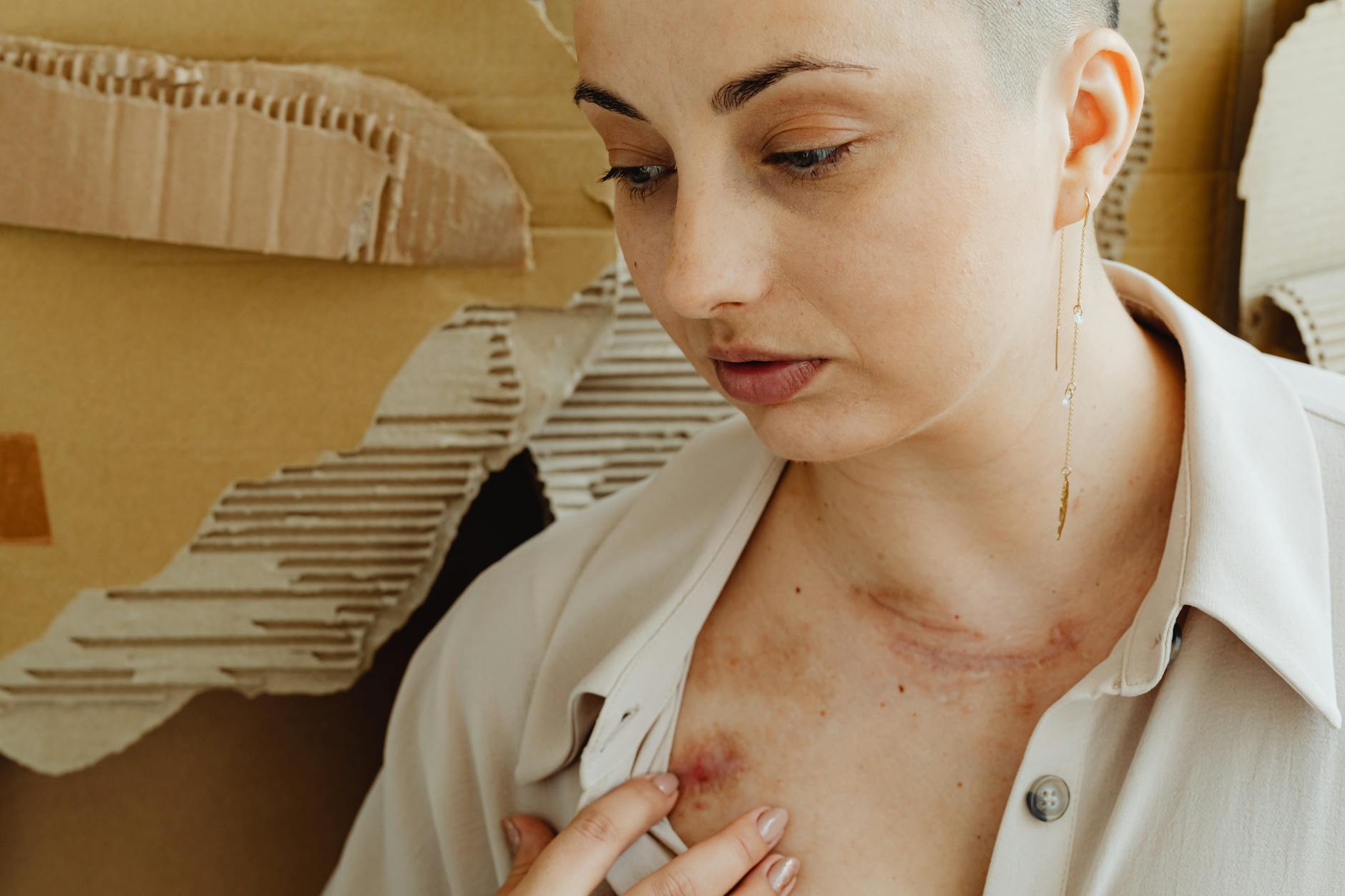
Not all acne scars are created equal, and this fundamental truth makes standardized protocols impossible to justify clinically. Scars present in different forms—ice pick scars create narrow, deep punctures in the skin; rolling scars produce wave-like depressions with sloped edges; boxcar scars create defined, angular indentations; and hypertrophic scars involve raised, thickened tissue. Each type responds to different treatment modalities, different energy settings, and different combination strategies. A rolling scar treated with aggressive laser ablation might improve, but the same energy level applied to an ice pick scar could cause unnecessary damage or leave the scar unchanged. Meanwhile, hypertrophic scars require their own specialized approach, often involving injectable therapies or combination treatments that would be unnecessary or inappropriate for atrophic scars. Beyond scar morphology, individualization must account for scar depth, severity, skin texture, skin tone, and skin phototype.
A patient with darker skin phototype faces different risks and healing patterns than a fair-skinned patient being treated with the same laser device at identical settings. A patient with naturally textured skin might be more prone to post-inflammatory hyperpigmentation or dyspigmentation when treated aggressively. These variables don’t fit into a protocol sheet. Instead, each patient’s scar landscape demands assessment and a treatment plan calibrated to their specific anatomy, skin characteristics, and risk profile. The clinical evidence underscores this point clearly: scars of similar clinical appearance in different individuals show widely variable responses to identical treatment protocols. What works decisively for one patient may provide only marginal improvement for another, or even create unwanted side effects. This variability is precisely why experienced dermatologists spend significant time in the assessment phase—they’re not just identifying that a scar exists, but characterizing it thoroughly to predict which modalities are most likely to be effective.
The Research Evidence for Customized Treatment Over Fixed Protocols
Dermatologist consensus, supported by peer-reviewed research, strongly favors treatment plans that are customized and then continuously adjusted based on patient response and treatment results. A customized approach that evolves with each treatment outcome consistently delivers better results than fixed “x number of sessions” package protocols that commit to a predetermined course regardless of how the patient actually responds. This distinction matters because some patients show dramatic improvement early and can benefit from adjusted spacing or modified intensity, while others progress more slowly and might benefit from treatment adjustments, additional modalities, or extended intervals between sessions. Recent research from 2025 and 2026 has advanced the field significantly. Researchers have developed validated personalized prediction models with web-based calculators specifically designed to enhance treatment planning, risk stratification, and patient counseling in scar management.
These predictive tools move beyond subjective clinical assessment and can help forecast likely treatment responses based on scar characteristics, patient demographics, and skin type. The development of these calculators represents a clear institutional recognition that scar treatment planning requires individualization, not standardization. However, a critical limitation exists: these prediction models and web-based calculators, while increasingly available, are not yet universally adopted in clinical practice. Many clinics continue operating under simplified protocol models because they’re easier to market, easier to staff (any technician can count to six and deliver six treatments), and easier to price. The gap between what research shows works best and what many patients actually receive reflects a disconnect between evidence and commercial incentive. This is where patient knowledge becomes crucial—understanding that customized planning should be the standard can help you identify whether your treatment provider is offering evidence-based care or merely a convenient package.
Multimodal Treatment Plans and Treatment Spacing Variability
A 2026 study published in peer-reviewed research demonstrates multimodal management of facial acne scarring using energy-based devices combined with injectable therapies, emphasizing the absolute necessity of individualized strategies. The study illustrates that successful scar treatment rarely relies on a single modality applied in isolation. Instead, the most effective approaches layer multiple treatment types—perhaps combining microneedling with laser therapy, supplemented by injectable fillers or collagen induction therapy, with timing and sequencing tailored to the patient’s response and scar characteristics. This multimodal approach allows dermatologists to address different aspects of scar pathology simultaneously: resurfacing the epidermis, remodeling collagen in the dermis, improving skin texture, and correcting volume deficits. Treatment spacing recommendations vary significantly based on the patient, the scar type, and the modality being used. Active acne treatment typically involves spacing of 4–8 weeks between sessions, allowing time for healing and tissue remodeling while inflammation continues to diminish.
For established scars without active acne, spacing typically extends to 8–10 weeks, allowing the collagen remodeling process more time between treatments. These ranges themselves demonstrate that standardized protocols can’t simply specify “come back in 6 weeks” for every patient—some need more frequent intervention, others need longer intervals for optimal healing. Consider a real-world example: a patient with moderate boxcar scarring and some remaining inflammatory lesions might benefit from initial treatment spacing of 5 weeks while active acne is being controlled, then transition to 8-week intervals once the inflammation resolves. A different patient with purely atrophic, non-inflamed rolling scars might progress optimally on 10-week spacing from the start. A protocol that mandates “6 sessions 4 weeks apart” fails to account for these individual healing patterns and optimal treatment windows. This variability in optimal spacing is one of the clearest ways that evidence contradicts the “package protocol” approach.
Building a Truly Personalized Scar Treatment Strategy
Beginning scar treatment starts with establishing a strong foundation. Silicone-based products remain the gold-standard first-line non-invasive option for both scar prevention and treatment of existing scars. These products are appropriate for essentially all patients regardless of skin type, scar characteristics, or concurrent treatments. However, even the application of silicone products should be individualized—some patients benefit from continuous use of silicone gel sheeting, while others prefer silicone ointments or creams; some might need higher-concentration products, while others respond adequately to lower concentrations. The individualization begins at this foundational level. From this baseline, the customized treatment plan typically supplements silicone with other modalities based on assessment findings.
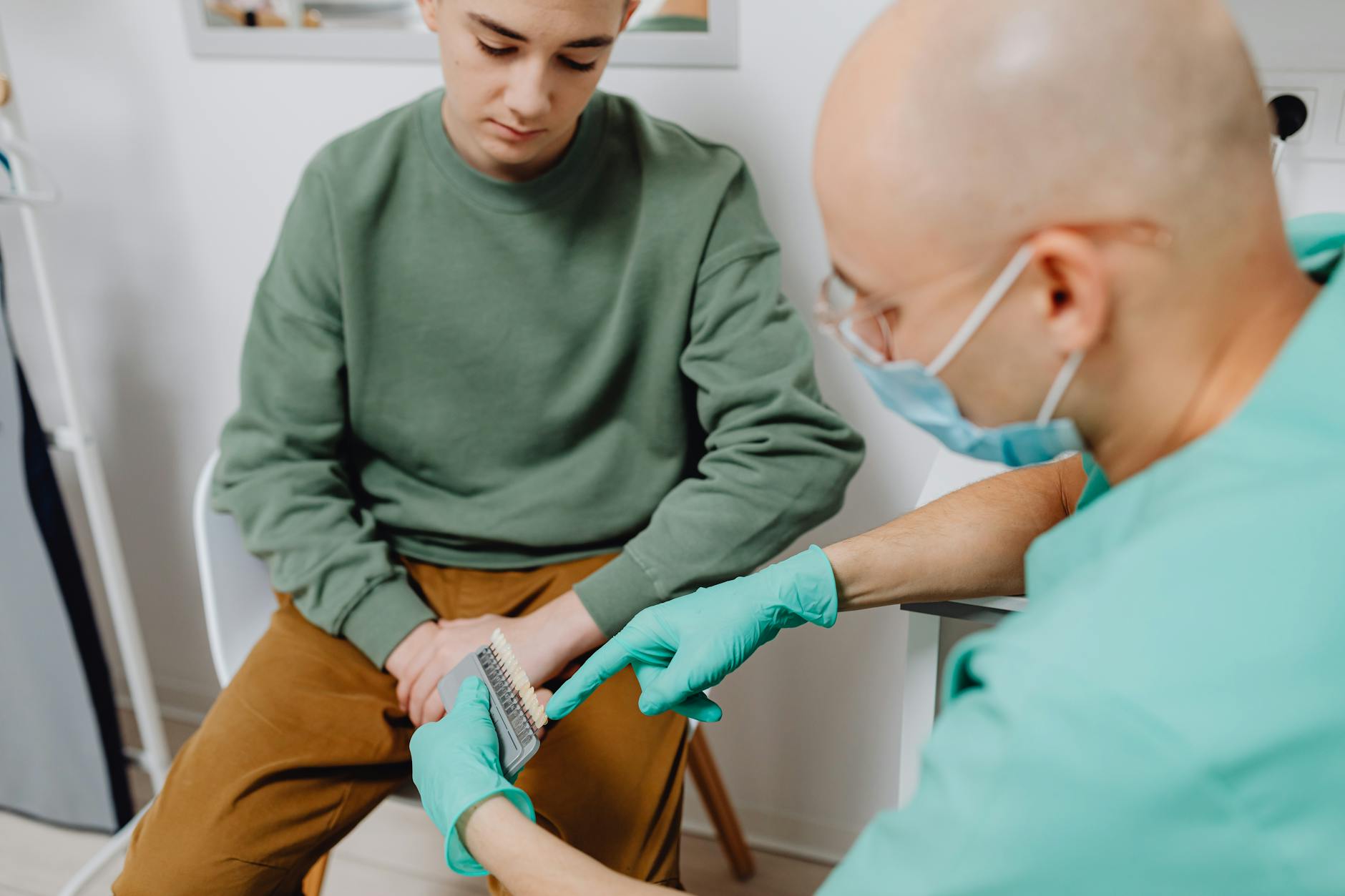
The supplementary modalities—pulsed-dye laser, CO2 laser, corticosteroid injections, microneedling, dermal fillers—are selected and sequenced based on the patient’s specific scar morphology, skin type, healing response, and treatment goals. For example, a patient with primarily rolling scars might benefit most from fractional CO2 laser combined with fillers, while a patient with numerous ice pick scars might prioritize focused energy treatments or chemical reconstruction of skin scars (CROSS) techniques. The combination therapy approach provides maximum potential for successful treatment with multidirectional impact—addressing surface texture, dermal collagen quality, volume deficits, and scar depth through complementary mechanisms. The tradeoff of individualized planning is that it requires more clinical expertise, more time in the initial consultation, and potentially more complex coordination of different treatment modalities. A protocol-based clinic can staff any aesthetician to execute the predetermined sequence. A truly individualized practice requires experienced providers who can assess, predict, and adapt. For patients, this means seeking out dermatologists or specialized aesthetic providers with demonstrable expertise in scar treatment rather than accepting the convenience of a standardized package.
Common Complications When Treatment Plans Aren’t Tailored to Individual Needs
When scars are treated using rigid, non-adaptive protocols, several predictable complications emerge. Patients might complete an entire series of treatments without adequate improvement because the chosen modality was inappropriate for their particular scar type or skin characteristics—they’ve invested time, money, and endured discomfort for minimal benefit. Alternatively, aggressive protocol-based treatment might create iatrogenic complications: post-inflammatory hyperpigmentation in darker-skinned patients, textural irregularities, or persistent erythema from overly intense energy-based treatments. These complications often result from protocols that don’t account for individual risk factors, healing patterns, or skin phototype. Risk stratification—the process of identifying individual risk factors for adverse outcomes—becomes impossible under a protocol model.
A high-risk patient (perhaps with a history of keloid formation, prone to post-inflammatory hyperpigmentation, or with compromised healing) shouldn’t be treated identically to a low-risk patient. However, protocols inherently treat all patients the same way. True risk stratification requires assessment of the individual patient’s characteristics, predictive modeling of likely outcomes and complications, and an informed discussion about whether the protocol’s risk-benefit profile is appropriate for that specific person. A critical warning: if your treatment provider cannot articulate why a specific protocol is appropriate for your specific scars and skin type, this should raise concerns. Legitimate answers sound like “your rolling scars will respond best to fractional laser combined with subcision, spaced 8 weeks apart because of your skin healing pattern, with this specific energy level because of your skin tone.” Non-legitimate answers sound like “we do a 6-session package” or “everyone needs our standard scar treatment protocol.” The ability to explain the individualized reasoning—or lack thereof—is a reliable way to assess whether you’re receiving evidence-based care.

The Role of Emerging Prediction Models in Scar Treatment Planning
Personalized prediction models represent a significant evolution in how scar treatment planning can be approached. These validated models function essentially as sophisticated calculators that incorporate multiple variables—scar characteristics, patient age, skin type, scar duration, previous treatments, skin phototype, and other relevant factors—to predict likely treatment response and estimate the probability of achieving specific improvement goals. Some of these prediction models now have web-based interfaces that practitioners can use during consultations to demonstrate to patients what outcomes they might realistically expect and what timeline is most likely necessary.
This technology serves multiple functions beyond just predicting outcomes. It provides a framework for risk stratification, helping identify patients at higher risk for adverse effects or treatment resistance. It enhances patient counseling by replacing vague claims (“your scars will improve”) with evidence-based predictions (“based on your scar characteristics and skin type, published data suggests you have a 75% probability of achieving 60-70% improvement with this treatment plan over 12-14 months”). These tools also support the case for individualized planning by demonstrating that outcomes are specific to the individual patient’s characteristics rather than standardized across all patients.
The Future of Personalized Scar Management and Continuous Treatment Optimization
The trajectory in scar treatment is clearly toward greater individualization, not increased standardization. As our understanding of scar pathophysiology advances and new technologies emerge, the capacity to customize treatment plans based on individual characteristics will only expand. Research facilities and forward-thinking dermatology practices are moving away from the “package protocol” model toward what might be called “adaptive treatment planning”—establishing an initial individualized plan and then systematically adjusting it based on actual patient response, measured improvements, and emerging treatment options.
Continuous adjustment of treatment plans based on patient response represents the future standard of care, not an unusual luxury. As prediction models become more refined and more widely available, patients should increasingly expect their treatment plan to be based on their individual characteristics and to evolve as they progress through treatment. This shift benefits patients by optimizing outcomes and minimizing unnecessary treatments, while simultaneously benefiting providers by ensuring treatments are focused on modalities most likely to be effective for that specific patient. The evidence is clear: individualized treatment planning, adjusted based on ongoing response, outperforms protocol-based approaches across all metrics—efficacy, safety, patient satisfaction, and cost-effectiveness.
Conclusion
Individualized scar treatment planning is fundamentally more important than rigid protocols because patient response to treatment is inherently variable, different scar types require different approaches, and continuous adjustment based on actual treatment response consistently produces better outcomes than predetermined treatment sequences. The clinical evidence, dermatologist consensus, and emerging prediction technologies all point toward the same conclusion: one-size-fits-all protocols are scientifically indefensible and clinically inferior.
While silicone-based products provide an evidence-supported foundation for all patients, the additional modalities, treatment spacing, and intensity must be customized to each individual’s specific scar characteristics, skin type, healing patterns, and risk profile. When evaluating scar treatment options, prioritize providers who can articulate individualized reasoning for their treatment recommendations, who adjust plans based on your response, and who use contemporary evidence—including personalized prediction models when available—to inform planning. The investment in truly customized care typically results in better outcomes, fewer adverse effects, and greater treatment satisfaction than accepting a standardized package protocol, even if it requires more initial time and consultation.