Hormone testing before starting acne treatment fundamentally changes the approach a dermatologist takes, shifting from standard topical or systemic medications to a personalized strategy tailored to your specific endocrine profile. For example, a 28-year-old woman with persistent jawline and chin acne might show normal testosterone on a standard blood test—yet still have severe hormonal acne because only 1-2% of her total testosterone circulates freely in the bloodstream; the rest is bound to a protein called sex hormone binding globulin (SHBG). Without understanding this distinction, she might spend months on ineffective topical treatments when her actual problem requires addressing hormone metabolism at a deeper level. This article explores why dermatologists increasingly order hormone panels before initiating acne treatment, what those tests reveal, how results reshape treatment decisions, and when acne signals a larger endocrine condition that needs investigation beyond the skin.
The paradigm has shifted in 2026. Hormonal acne is now understood as multifactorial—influenced not just by circulating hormone levels, but by how individual oil glands respond to those hormones, local hormone metabolism within the skin itself, microbiome imbalances, stress hormones like cortisol, and genetic sensitivity. This complexity means that hormone testing isn’t an optional add-on; it’s a critical diagnostic step that determines whether you need birth control, spironolactone, topical retinoids, microbiome support, barrier repair, stress management, or some combination. The testing phase takes time upfront but ultimately saves months of trial-and-error treatment.
Table of Contents
- Why Does Hormone Testing Change the Treatment Strategy?
- The Four Hormone Patterns and How Each Shifts Treatment Focus
- What Specific Hormone Tests Do Dermatologists Order?
- How Testing Results Reshape Your Treatment Plan
- When Acne Points to a Larger Endocrine Condition
- The Testosterone Exposure Persistence Challenge
- The Shift Toward Personalized, Non-One-Size-Fits-All Approaches
- Conclusion
- Frequently Asked Questions
Why Does Hormone Testing Change the Treatment Strategy?
The fundamental reason hormone testing changes acne treatment is that it reveals the root driver of breakouts in hormonally-susceptible patients. Without testing, dermatologists traditionally reached for the same tools for everyone: benzoyl peroxide, retinoids, antibiotics, birth control, or spironolactone. But these medications work only when the problem matches the prescription. A person whose acne is driven primarily by local skin microbiome dysbiosis might worsen on antibiotics. A patient whose hormonal pattern involves elevated DHEA-sulfate (DHEAS) rather than high testosterone might get no relief from spironolactone, which targets testosterone specifically.
Hormone testing clarifies which mechanism is at play, so treatment becomes targeted rather than standardized. The SHBG issue illustrates why blood tests matter even when patients feel skeptical. You could have a testosterone reading that falls squarely in the normal range, yet your acne persists or worsens. This happens because normal-range testosterone doesn’t account for how much of that hormone is actually available to bind to oil gland receptors. Higher SHBG levels (common in insulin resistance, thyroid dysfunction, or certain medications) bind more testosterone and paradoxically make the problem worse—more free hormone circulates, more oil gland sensitivity occurs. Testing clarifies this dynamic and points toward different treatment angles: addressing insulin resistance, supporting thyroid function, or choosing medications that work despite SHBG interference.

The Four Hormone Patterns and How Each Shifts Treatment Focus
research identifies four main hormone patterns in acne-prone individuals, with androgen (testosterone-related) elevation being the most common. The second and third patterns involve elevated DHEAS or irregularities in LH (luteinizing hormone), both of which respond differently to standard hormonal treatments. A fourth pattern sometimes reflects cortisol dysregulation—acne triggered by chronic stress or poor cortisol rhythm rather than sex hormones. Each pattern demands a different treatment emphasis. When androgen elevation dominates, treatment typically includes spironolactone (an androgen blocker), possibly birth control, and usually topical retinoids to normalize skin cell turnover.
However, if DHEAS elevation is the driver, some patients respond poorly to spironolactone alone; they may need additional support such as addressing inflammation, supporting liver detoxification, or using specific topical ingredients that dampen local androgen response. When LH irregularities appear alongside acne, the picture sometimes points toward PCOS or hormonal dysregulation that benefits from metabolic support, inositol supplementation, or different birth control formulations. Cortisol-driven acne, by contrast, may respond poorly to hormone medications and instead demands stress management, sleep support, and barrier-strengthening skincare. A limitation of hormone testing is that patterns can overlap. You might have elevated androgen *and* stress-driven cortisol elevation *and* microbiome dysbiosis all contributing to acne. Testing reveals the hierarchy—which driver is primary, which are secondary—but treatment must address multiple layers simultaneously rather than focusing exclusively on hormone suppression.
What Specific Hormone Tests Do Dermatologists Order?
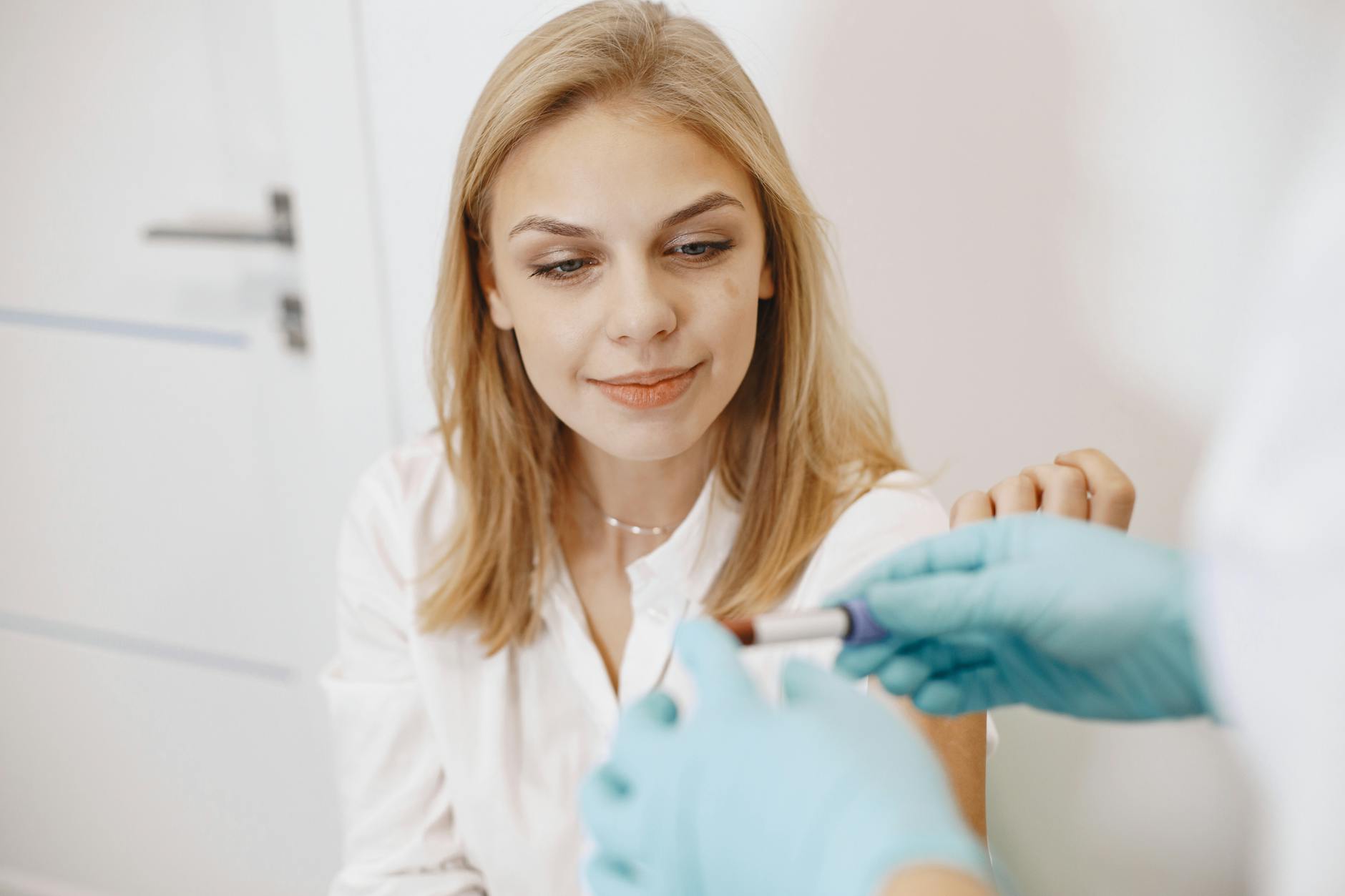
When hyperandrogenism (excess androgens) is suspected, comprehensive hormone panels typically include total testosterone and free testosterone (to catch the SHBG issue), DHEAS, LH, FSH (follicle-stimulating hormone), 17-hydroxyprogesterone (to rule out congenital adrenal hyperplasia, a genetic condition that mimics hormone-driven acne), prolactin (to exclude hyperprolactinemia, which can trigger acne), and often cortisol and thyroid hormones. This battery seems extensive, but each test serves a purpose: total testosterone identifies absolute hormone elevation, free testosterone reveals bioavailable hormone, DHEAS shows adrenal contribution, LH and FSH indicate ovarian function and reproductive hormone balance, 17-hydroxyprogesterone screens for CAH, prolactin rules out pituitary dysfunction, and cortisol/thyroid assess metabolic drivers. The timing of these tests matters.
For women with menstrual cycles, dermatologists or gynecologists typically order tests during the follicular phase (days 2-5 of the cycle) when hormone levels are baseline and most comparable to standard reference ranges. Testing at other cycle points produces falsely elevated or falsely reassuring results. Additionally, some acne patients benefit from a second round of testing after a few months of treatment to verify that hormonal interventions are actually lowering target hormones, not just masking symptoms. This follow-up testing is often skipped due to cost or inconvenience, but it confirms whether your treatment plan is working on the hormone level or whether adjustments are needed.
How Testing Results Reshape Your Treatment Plan
Once testing reveals your hormone profile, treatment diverges significantly from the one-size-fits-all approach. If elevated testosterone is confirmed, you’re a strong candidate for spironolactone (an oral medication that blocks androgen activity) combined with either birth control or other systemic approaches. If free testosterone is normal but total testosterone is elevated, addressing SHBG becomes the focus—treating insulin resistance through diet or medication, optimizing thyroid function, or reducing inflammatory triggers that boost SHBG. If cortisol dysfunction shows up, your dermatologist might deprioritize hormone medications and instead recommend stress management, sleep protocols, and barrier-supportive skincare. Beyond hormone suppression, testing results shift emphasis toward personalized, barrier-supportive, microbiome-friendly, and non-systemic treatments.
For example, a patient with mild androgen elevation but normal SHBG, normal cortisol, and normal thyroid might benefit from a gentle retinoid, a probiotic-based or microbiome-supporting cleanser, and stress reduction rather than spironolactone. Conversely, a patient with significant elevation across multiple hormones and PCOS might need the full pharmaceutical toolkit: birth control, spironolactone, metformin for metabolic support, and possibly dermatologic procedures. The testing phase prevents unnecessary medication exposure for those who don’t need it and ensures those with genuine hormone dysregulation get appropriate systemic treatment. A tradeoff exists between comprehensive testing and cost. A full hormone panel can run $300–$800 depending on insurance and testing facility. Many patients and insurers push back against this expense upfront, preferring to “try topical treatments first.” However, if hormonal acne is the actual driver, topical treatments alone rarely resolve it; that approach delays effective care by months and can increase total healthcare costs through dermatology visits, failed treatments, and skin damage from persistent inflammation.
When Acne Points to a Larger Endocrine Condition
Acne frequently signals an underlying endocrine disorder that requires medical attention beyond skincare. The most common is Polycystic Ovarian Syndrome (PCOS), a metabolic and endocrine condition affecting 8–13% of reproductive-age women. Women with acne plus irregular periods and excess hair growth warrant testing for PCOS because untreated PCOS increases risks for insulin resistance, type 2 diabetes, and cardiovascular disease. Acne is often the first visible sign that something is wrong with hormone balance, and addressing it through hormone testing may lead to an earlier PCOS diagnosis and preventive metabolic treatment. Similarly, elevated prolactin (hyperprolactinemia) can trigger acne and may indicate a pituitary microadenoma or medication side effect that requires imaging or medication adjustment.
Congenital adrenal hyperplasia (CAH), a genetic adrenal disorder, often presents with severe acne plus other androgen excess signs in adolescence or early adulthood. Thyroid dysfunction—both hypothyroidism and hyperthyroidism—can worsen or trigger acne, and correcting thyroid function sometimes resolves acne without additional dermatologic treatment. Cushing’s syndrome, Addison’s disease, and ovarian tumors are rarer causes of acne-triggering hormone imbalance, but comprehensive hormone testing flags these possibilities before they progress. A critical limitation is that hormone testing occurs within a specific moment in time. A single test may not capture hormonal rhythms, cyclical fluctuations, or transient elevations caused by stress, infection, or medication changes. For some patients, repeating tests 6–8 weeks later—especially if the first results were borderline—provides clearer data and prevents misdiagnosis or unnecessary long-term medication.
The Testosterone Exposure Persistence Challenge
One important finding from recent research is that acne triggered by testosterone exposure—whether from endogenous overproduction, exogenous testosterone therapy, or gender-affirming hormone therapy—tends to be more persistent and requires significantly longer treatment duration than hormone-responsive acne in other patient populations. For example, a transgender man taking testosterone therapy may experience acne that resists standard dermatologic treatments because the acne is being actively driven by ongoing hormone exposure. Treating the acne requires either adjusting testosterone doses (in consultation with their endocrinologist), combining multiple targeted skincare approaches, or accepting that some degree of acne may persist as long as testosterone therapy continues.
This persistence pattern matters for expectations and medication planning. A dermatologist should inform patients with known testosterone elevation that acne treatment may require 3–6 months or longer to show meaningful improvement, and that hormonal manipulation (reducing testosterone exposure or blocking androgen activity) is more critical than topical treatments alone. For gender-affirming therapy patients, this conversation requires sensitivity and collaboration with their endocrinology team to balance hormone therapy goals with skin health.
The Shift Toward Personalized, Non-One-Size-Fits-All Approaches
The 2026 paradigm reflects a broader shift in dermatology: away from prescribing the same acne regimen to every patient and toward assembling personalized treatment combinations based on individual hormone profiles, microbiome status, barrier integrity, stress levels, and genetic oil gland sensitivity. A patient with isolated DHEAS elevation and an otherwise healthy microbiome might need only a targeted retinoid and anti-inflammatory support. A patient with androgen elevation, insulin resistance, and dysbiosis might need spironolactone, metformin, a probiotic-supportive skincare routine, and possibly laser or chemical treatments.
A patient with stress-driven cortisol dysregulation might benefit most from adaptogens, sleep optimization, and stress-resilience practices alongside gentle skincare. This personalized approach reflects an understanding that acne is not a monolithic condition with a universal solution. Hormone testing is the diagnostic tool that makes personalization possible, revealing which mechanisms are at play and which interventions will matter most. As dermatology continues to integrate endocrinology, microbiome science, and stress physiology, hormone testing before treatment initiation is becoming standard rather than optional for patients with persistent, recurring, or severe acne.
Conclusion
Hormone testing before acne treatment changes the approach because it shifts diagnosis from “you have acne” to “your acne is driven by X hormone pattern, Y microbiome factors, and Z stress response,” enabling targeted rather than trial-and-error therapy. The discovery that only 1-2% of testosterone circulates freely in blood, combined with understanding of four distinct hormone patterns in acne, means that normal-range blood tests sometimes miss the actual problem.
Dermatologists increasingly order comprehensive hormone panels—measuring total and free testosterone, DHEAS, LH, FSH, 17-hydroxyprogesterone, prolactin, cortisol, and thyroid function—because these results determine whether treatment should emphasize hormone suppression, microbiome support, barrier repair, stress management, or some combination. If you’re struggling with persistent acne, requesting hormone testing before starting or restarting acne medications is a science-backed step that often prevents months of ineffective treatment. Discuss with your dermatologist whether testing is appropriate for your situation, ensuring that treatment is matched to your individual hormonal and metabolic picture rather than a standardized protocol.
Frequently Asked Questions
I had blood work done, and my testosterone was normal. Can I still have hormone-driven acne?
Absolutely. Normal total testosterone doesn’t mean your free testosterone (the biologically active form) is normal. If SHBG is elevated—common with insulin resistance or thyroid dysfunction—most of your testosterone is bound and unavailable, yet you can still have significant acne. Testing free testosterone, DHEAS, and metabolic markers like fasting insulin or thyroid function provides the full picture.
How long does it take to see improvement once I start treatment based on hormone testing?
Typical improvement timelines are 6–12 weeks for mild acne, 3–6 months for moderate acne, and 6+ months for severe or persistent acne, especially if testosterone exposure is ongoing. Hormone-suppressing medications like spironolactone take 8–12 weeks to reach full effect, so patience is essential.
My acne is only on my chin and jawline. Does that mean it’s definitely hormonal?
Jawline and chin acne is a common location for hormone-driven acne because oil glands in those areas are particularly androgen-sensitive. However, acne in this location can also result from microbiome dysbiosis, barrier dysfunction, or local irritation. Hormone testing clarifies whether hormones are the primary driver or a contributing factor.
If hormone testing shows elevated androgens, do I have to take spironolactone?
No. Spironolactone is one option among several. You could also pursue birth control (for those who menstruate), topical retinoids, addressing underlying insulin resistance, stress reduction, or microbiome-supportive skincare. Your dermatologist should present options based on your full health profile, preferences, and the severity of your acne.
Can hormone testing diagnose PCOS?
Hormone testing is part of PCOS diagnosis, but it’s not the whole picture. PCOS diagnosis typically requires hormone testing, imaging (usually ultrasound to check ovaries), and clinical signs (irregular periods, acne, excess hair growth). If your acne prompted hormone testing and results suggest PCOS, your doctor will likely order additional tests and imaging.
Should I repeat hormone testing after I start treatment?
Yes, if your acne was driven by hormone elevation, testing again after 8–12 weeks on treatment confirms whether your medication is actually lowering target hormones or just masking symptoms. This repeat testing guides adjustments and prevents staying on ineffective doses too long.