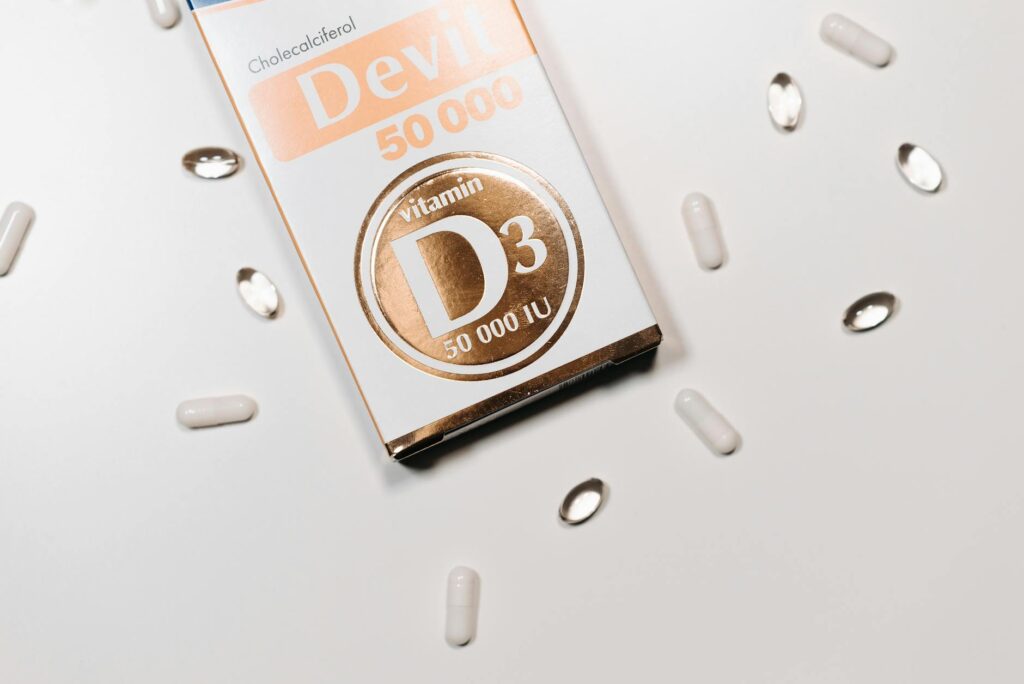
High-dose B5 (pantothenic acid) for acne has fallen out of favor primarily because recent clinical evidence shows it doesn’t work. A 2025 study found that even injectable pantothenic acid provides no additional benefits beyond standard topical acne treatments like adapalene—a significant finding that undermines the entire approach. While an early 2000s study showed promise with 2.2 grams per day reducing lesions by about 67%, subsequent research revealed this was an outlier, and the evidence base has remained frustratingly weak.
The treatment required megadose supplementation (far exceeding normal vitamin intake), raised safety concerns about unknown effects at high doses, and has never been widely endorsed by dermatological guidelines. This article explores why high-dose B5 initially gained traction in acne treatment circles, what the actual clinical evidence reveals, and why mainstream dermatology moved away from recommending it. Understanding this shift matters because many people still encounter B5 supplements marketed for acne online, and knowing what the research actually says can help you make informed decisions about your skincare approach.
Table of Contents
- What Was the Early Promise Around High-Dose Pantothenic Acid?
- What Does Clinical Evidence Actually Show About B5 for Acne?
- The Megadose Problem—Why High-Dose B5 Created Safety Concerns
- Vitamin B5 Deficiency Isn’t the Real Problem
- Why Dermatologists Stopped Recommending It
- What Actually Works Better for Acne
- The Supplement Marketing Problem and Moving Forward
- Conclusion
What Was the Early Promise Around High-Dose Pantothenic Acid?
In the early 2000s, a single double-blind placebo-controlled study suggested that pantothenic acid supplementation at 2.2 grams per day could reduce total facial lesions by approximately 67% in people with mild to moderate acne. This finding generated genuine interest in dermatology circles because acne treatments were limited, and the idea of addressing an underlying metabolic or nutritional cause appealed to both practitioners and patients. The theory was that B5 (pantothenic acid) played a role in sebum production and skin barrier function, so supplementing might help reduce breakouts.
However, this single positive study became the foundation for an entire supplement market, despite being published in a relatively niche venue and never replicated at scale. The “promise” was more about extrapolation and marketing enthusiasm than about robust, repeated clinical validation. When dermatologists looked back years later and asked whether larger, more rigorous studies had confirmed these findings, the answer was no—no significant randomized controlled trials had been conducted to verify the 2.2-gram-per-day results.

What Does Clinical Evidence Actually Show About B5 for Acne?
The honest answer: the evidence is weak and getting weaker. Systematic reviews now rate pantothenic acid’s effectiveness as having only “fair-quality evidence” for acne treatment—not “strong” or “convincing” evidence. Fair-quality evidence means there’s some signal, but it’s not reliable enough to build clinical practice around. The studies supporting B5 supplementation were generally small in size, which limits how much you can trust the results.
Large-scale randomized controlled trials—the gold standard for proving a treatment works—have never been conducted for high-dose B5 supplementation. More damaging is the 2024-2025 research from Dermatologic Therapy showing that even injectable pantothenic acid (a supposedly more direct route of delivery than oral supplements) provides no additional benefits when compared to standard topical adapalene treatment alone. If megadose B5 injections don’t outperform a topical retinoid that costs far less and has decades of clinical support, that’s telling. The message was clear: high-dose pantothenic acid doesn’t work better than what we already have, and it’s far less convenient to use.
The Megadose Problem—Why High-Dose B5 Created Safety Concerns
The therapeutic dose used in B5 acne studies (2.2+ grams per day) is substantially above the recommended daily allowance for pantothenic acid. For context, adult women need about 5 milligrams daily, and most people get that easily from food. Using 2.2 grams daily means taking 440 times the normal intake level. This megadosing raised legitimate questions about safety that were never thoroughly answered.
At high doses (particularly 10 grams per day and above), pantothenic acid lacks strong scientific support for safety, and users reported digestive side effects like diarrhea and nausea. However, no large safety studies were conducted to establish what long-term use of these doses might cause. This uncertainty became another reason dermatologists grew skeptical—recommending a treatment that requires massive supplementation doses without a clear safety profile, especially when proven alternatives exist, doesn’t align with evidence-based practice. The risk-benefit calculation simply doesn’t favor high-dose B5.

Vitamin B5 Deficiency Isn’t the Real Problem
Here’s a critical point that undermines the entire high-dose B5 premise: vitamin B5 deficiency is extremely rare in people. Pantothenic acid is found widely in foods—eggs, meat, mushrooms, avocados, whole grains, legumes. Unless someone has severe malabsorption issues or an extremely restricted diet, they’re getting adequate B5. Acne in adolescents and adults isn’t caused by a hidden B5 deficiency that supplements can fix.
This distinction matters. If B5 supplementation worked through correcting a nutritional deficiency, you’d expect to see dramatic improvements in people with deficiency symptoms. Instead, even people with completely normal B5 status were the ones taking megadoses in the acne studies. The theory shifted from “correcting a deficiency” to “B5 has some metabolic effect on sebum production at high doses”—but that metabolic effect was never convincingly demonstrated, and the latest evidence suggests it doesn’t exist.
Why Dermatologists Stopped Recommending It
Pantothenic acid supplementation for acne is not widely endorsed in clinical guidelines—and that consensus matters. Clinical guidelines are written after careful review of evidence by specialists in a field. When a treatment doesn’t make the cut for guideline recommendations, it signals that experts evaluated the evidence and found it insufficient to recommend routine use.
High-dose B5 fell into this category: interesting early signal, but not enough follow-up evidence to justify recommending it over proven alternatives. Additionally, the rise of stronger evidence for other acne treatments—topical retinoids, benzoyl peroxide, prescription antibiotics, oral isotretinoin for severe cases, hormonal treatments for hormonal acne—made B5 supplementation look increasingly unnecessary. Why recommend someone spend money on a supplement with fair-quality evidence and unknown high-dose safety when you can prescribe adapalene with decades of clinical validation? The dermatological consensus shifted naturally as better options with clearer evidence became standard care.
What Actually Works Better for Acne
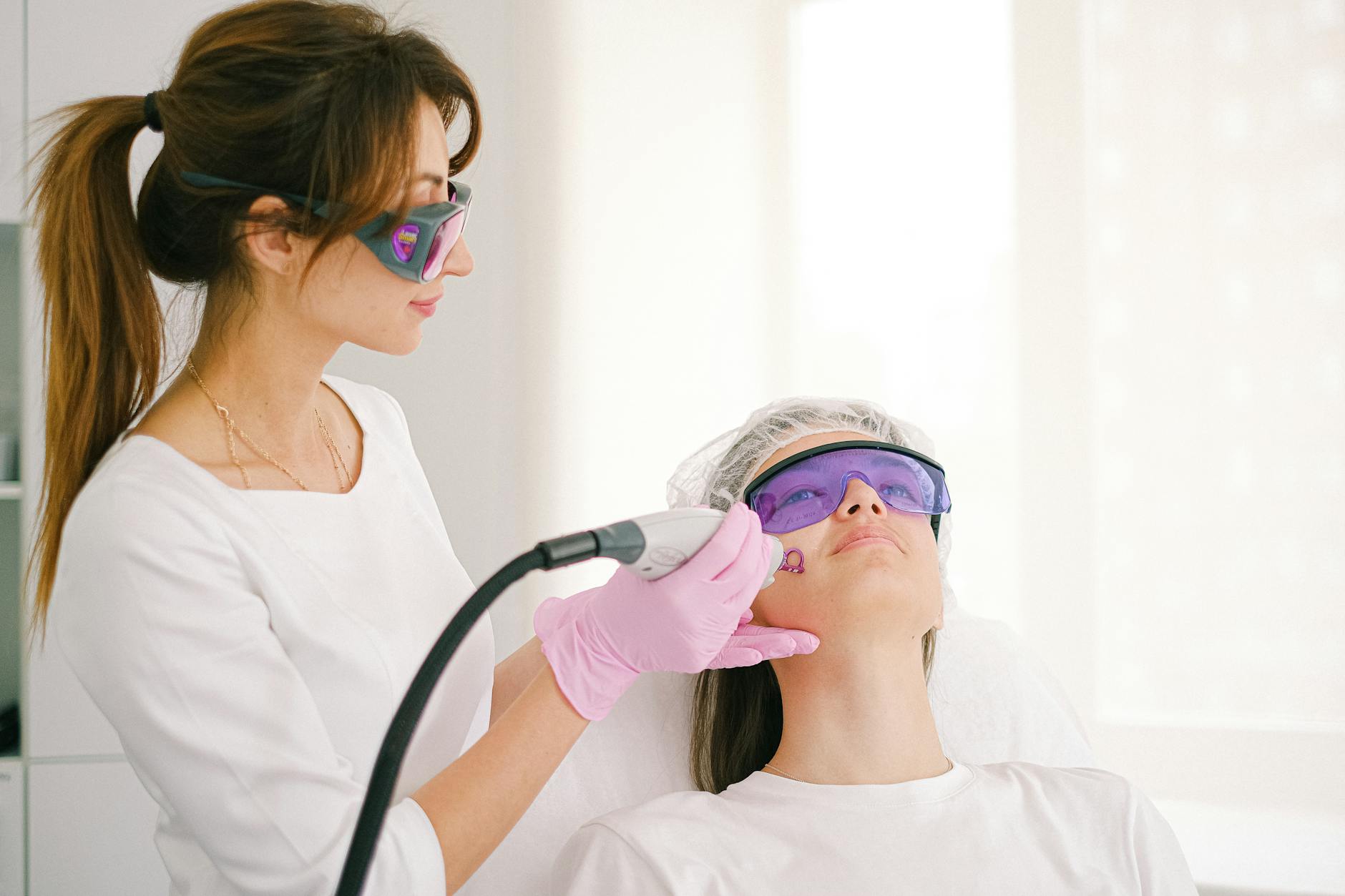
For mild to moderate acne, topical retinoids like adapalene are now first-line treatment, backed by extensive clinical evidence and decades of safety data. For inflammatory acne, benzoyl peroxide remains highly effective and affordable. Combination approaches—mixing retinoids with other treatments like adapalene plus benzoyl peroxide—have strong evidence supporting them.
For hormonal acne in women, birth control pills or spironolactone target the underlying cause rather than just treating symptoms. Oral isotretinoin (Accutane) remains the only treatment that can cure acne completely and is reserved for severe cases due to significant side effects. The point is: the evidence-based acne treatment landscape has become more robust, not less. There are now multiple proven options with real clinical support—making high-dose B5, with its weak evidence and unknown safety profile at megadoses, seem unnecessary.
The Supplement Marketing Problem and Moving Forward
High-dose B5 for acne persists in supplement marketing and online wellness spaces despite having fallen out of professional favor. This gap between what online sellers claim and what dermatology actually recommends creates confusion. People encounter B5 supplements marketed specifically for acne on e-commerce platforms and wellness blogs, which keeps the idea alive even though clinical consensus has moved on.
Looking forward, any revival of pantothenic acid research would need to involve large, well-designed randomized controlled trials—studies that haven’t been conducted and likely won’t be, since there’s no financial incentive (you can’t patent vitamin B5). Without that level of evidence, high-dose B5 will continue to fade from evidence-based acne treatment. The shift away from B5 reflects how dermatology evolved toward stronger evidence standards and more effective alternatives.
Conclusion
High-dose B5 (pantothenic acid) for acne fell out of favor because it never had a strong evidence base to begin with—one promising early study was never replicated, and systematic reviews rate the evidence as only “fair quality.” More importantly, recent 2024-2025 research demonstrated that injectable pantothenic acid provides no additional benefit beyond standard topical adapalene treatment, effectively closing the case on whether megadose B5 works for acne. The approach also required 440 times the normal daily vitamin intake, raising safety concerns that were never thoroughly investigated.
If you’re dealing with acne, focus on treatments with strong clinical evidence: topical retinoids, benzoyl peroxide, prescription options, or hormonal approaches depending on your acne type. High-dose B5 supplements may still appear in online marketing, but dermatology has moved past them toward more effective, better-studied alternatives. Save your money for treatments actually supported by modern clinical evidence.