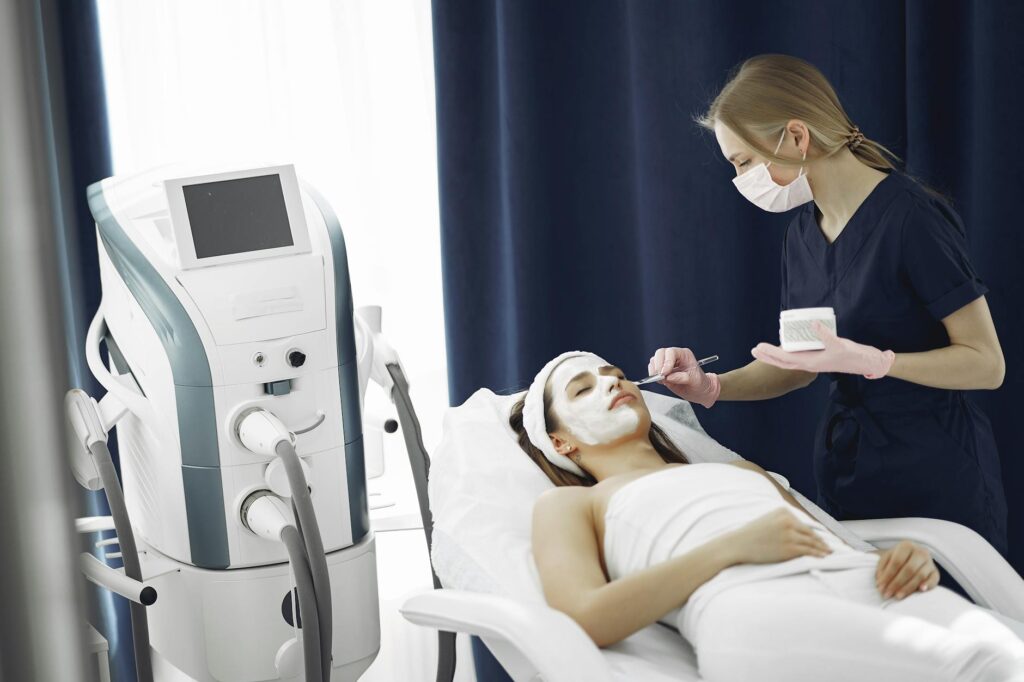
Hero BBL (Broadband Light) treatment outperforms conventional IPL devices for post-inflammatory hyperpigmentation in lighter skin primarily because of superior technology that delivers light pulses four times faster than traditional systems, combined with advanced cooling and shorter pulse duration. This speed advantage matters significantly for lighter skin tones, where you need precision control to target brown spots and hyperpigmentation without triggering additional inflammation or darkening. The device maintains temperature control within ±1 degree Fahrenheit using an integrated sapphire chill plate, which prevents excessive heat buildup that could paradoxically worsen the very post-inflammatory hyperpigmentation you’re trying to treat.
This article examines how Hero BBL’s technical advantages translate to better outcomes for PIH, what the clinical evidence shows, safety considerations for different skin types, and what you can realistically expect from treatment. Post-inflammatory hyperpigmentation—the dark marks left behind after acne, eczema flares, or skin injuries heal—often feels like your skin is punishing you twice. First comes the acne or irritation, then comes the stubborn dark spots that can linger for months. For people with lighter skin (Fitzpatrick types 1-3), Hero BBL offers a meaningful advantage because the technology allows dermatologists to use aggressive enough settings to effectively break down melanin deposits while staying conservative enough to avoid triggering the inflammatory response that deepens PIH in the first place.
Table of Contents
- How Does Hero BBL Compare to Standard IPL for Treating Hyperpigmentation?
- Clinical Evidence and Timeline: What the Research Actually Shows
- Why Lighter Skin Types See Better Results with Hero BBL
- Reducing Post-Inflammatory Hyperpigmentation Risk: Protocols and Expectations
- Temperature Control and Why ±1 Degree Matters More Than It Sounds
- Treatment Frequency and Spacing: Why 4 Months Matters
- Future Outlook: Combination Treatments and Emerging Protocols
- Conclusion
- Frequently Asked Questions
How Does Hero BBL Compare to Standard IPL for Treating Hyperpigmentation?
The fundamental difference lies in pulse delivery technology. Hero BBL fires light pulses four times faster than conventional ipl, which means the overall procedure time shrinks and—more importantly—heat accumulation stays more controllable. When an older IPL device takes longer to cover the same area, thermal energy builds up unevenly, potentially causing the inflammation that can actually worsen hyperpigmentation. Hero BBL’s faster pulse delivery distributes energy more evenly across treated skin. The sapphire chill plate integrated into Hero BBL continuously cools the skin surface throughout treatment, maintaining that ±1 degree Fahrenheit temperature variability.
This precision is not a marketing detail—it’s the difference between a treatment that gently fades brown spots and one that irritates the skin enough to trigger post-inflammatory hyperpigmentation in people who were already vulnerable to it. A patient with history of PIH from previous laser treatments might have avoided darkening altogether with Hero BBL’s superior cooling. Traditional IPL devices work by the same basic principle: light is absorbed by melanin and hemoglobin in the skin, generating controlled heat to damage melanin-containing cells. Hero BBL uses this identical mechanism but executes it more safely. For lighter skin types, where the distinction between “treats the spot” and “inflames the skin” is narrow, this technical superiority translates directly to better outcomes.
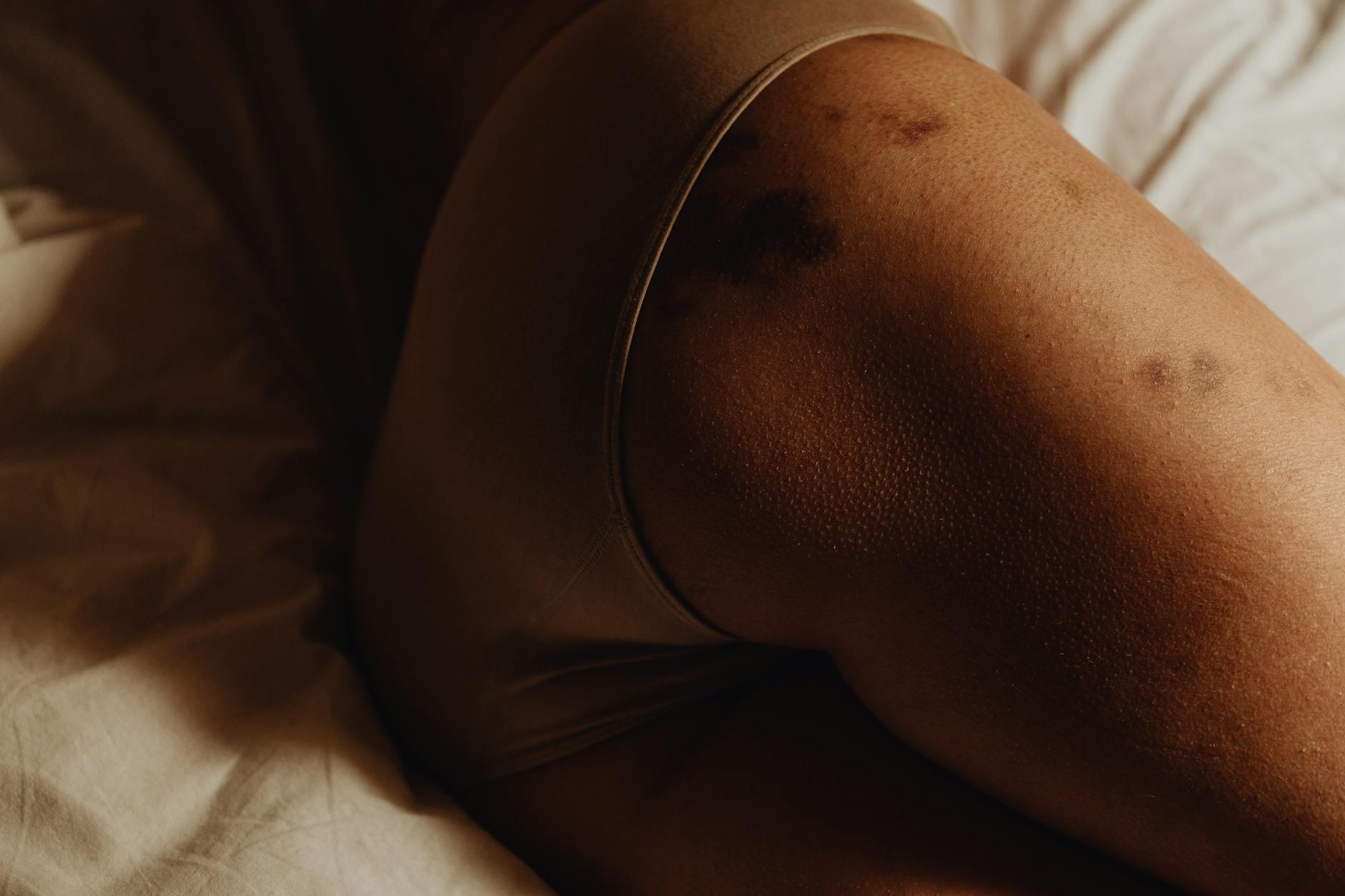
Clinical Evidence and Timeline: What the Research Actually Shows
A published clinical study tracked 9 patients ranging in age from 29 to 64 who received combined Hero BBL and moxi laser treatment for brown spots and skin tone irregularities. Objective imaging scans (VISIA) documented significant improvement in pigmentation, providing the kind of measurable evidence that goes beyond before-and-after photos. The study didn’t just ask patients how they felt—it captured actual changes in melanin distribution. Results don’t appear overnight. Plan for 3 to 4 weeks post-treatment before you see visible improvements in skin clarity and tone.
This timeline matters because PIH management requires patience; applying more aggressive treatments sooner doesn’t accelerate results and increases risk of darkening. The recommended treatment protocol calls for a minimum of 2 to 3 sessions spaced 4 months apart to effectively reverse sun damage and address established hyperpigmentation. For someone expecting one-and-done results, this commitment is critical to understand upfront. One limitation of the available evidence: the study population was relatively small (9 patients) and focused on combined BBL Hero plus MOXI laser, not Hero BBL alone. While the results are encouraging, dermatologists still tailor protocols individually. Someone with mild PIH on the cheeks may see results faster than someone with deeper pigmentation across larger body areas.
Why Lighter Skin Types See Better Results with Hero BBL
Lighter skin (Fitzpatrick types 1-3) presents a paradox with laser treatments: the lower baseline melanin makes brown spots easier to target optically, but also means inflammatory responses can trigger reactive hyperpigmentation more noticeably. Hero BBL’s precision temperature control solves this problem by delivering just enough energy to break down melanin without triggering the inflammatory cascade that deepens spots in sensitive skin. Hero BBL is approved and safe for Fitzpatrick skin types 1 through 5, but the advantage for lighter skin is the margin for safety. Dermatologists can use more aggressive settings on light skin without moving into the danger zone of triggering PIH.
A patient with fair, freckled skin might tolerate settings that would cause darkening in someone with deeper skin tone. This doesn’t mean darker skin can’t benefit from Hero BBL—it means lighter skin benefits from having more treatment flexibility. A specific example: someone with pale skin and post-acne hyperpigmentation on the jawline undergoes Hero BBL treatment with aggressive fluence settings and full cooling protection. The rapid pulse delivery and superior cooling mean the surrounding healthy skin stays protected while the brown spot melanin absorbs the light energy. Compare this to a conventional IPL device using slower pulses—the same overall energy gets delivered, but over a longer time period with less cooling, increasing inflammation risk and PIH potential.
Reducing Post-Inflammatory Hyperpigmentation Risk: Protocols and Expectations
Post-inflammatory hyperpigmentation is uncommon when proper protocols are followed, particularly when treatment settings remain conservative. This is the single most important fact for anyone considering Hero BBL: PIH risk isn’t high if your dermatologist follows evidence-based guidelines. Using conservative settings and enforcing strict SPF guidance (daily sunscreen, SPF 30 minimum, ideally SPF 50) reduces PIH risk substantially. The mechanism reveals why photoprotection matters so critically: light is absorbed by melanin and hemoglobin, generating controlled heat to damage melanin-containing epidermal cells while preserving surrounding tissue.
If you then expose that treated skin to sun without protection, UV radiation further stimulates melanin production in already-inflamed skin. Photoprotection is considered the cornerstone of PIH management across all skin types—not a suggestion, but the foundation of successful treatment. However, if you have a history of PIH from other treatments or a tendency to develop dark marks after minor skin irritation, inform your dermatologist. They may recommend starting with lower fluence settings and spacing treatments further apart than the standard 4-month interval. This trade-off means slower results but lower risk, which may be the smarter choice for your individual skin reactivity.
Temperature Control and Why ±1 Degree Matters More Than It Sounds
The integrated sapphire chill plate that maintains ±1 degree Fahrenheit temperature variability might sound like a minor specification, but it addresses a real clinical problem: uneven cooling leads to uneven inflammation. Some areas of treated skin cool more thoroughly than others, creating spots of localized irritation that can trigger reactive hyperpigmentation. Most dermatological laser systems maintain cooling but with wider temperature variability. A conventional device might fluctuate ±5 degrees Fahrenheit across the treatment area.
That variability doesn’t sound extreme, but in the inflamed skin of someone healing from PIH-prone acne, those warmer spots become the exact locations where darkening develops. Hero BBL’s tighter tolerance creates a more even inflammatory response—ideally, minimal inflammation at all. One limitation: even with superior cooling, Hero BBL cannot completely eliminate the small inflammatory response necessary for the treatment to work. Some degree of redness and swelling is expected for 24-48 hours post-treatment. If you develop unusual darkening during that initial healing window, contact your dermatologist immediately, as it may indicate either excess inflammation from aggressive settings or (more rarely) the beginning of significant PIH.
Treatment Frequency and Spacing: Why 4 Months Matters
The recommended protocol of 2 to 3 sessions spaced 4 months apart isn’t arbitrary scheduling—it reflects the skin’s actual healing and melanin turnover cycle. Your skin needs time between treatments to clear damaged melanin, rebuild healthy epidermis, and stabilize before the next light exposure. Spacing treatments less than 4 months apart increases cumulative inflammatory stress and PIH risk; spacing them longer stretches out results unnecessarily. A specific timeline: after your first Hero BBL treatment, you’ll see initial improvement in 3-4 weeks.
Your dermatologist will typically schedule the second session around month 4, when your skin has fully healed and initial results are visible. By month 8 (second treatment completed), darker spots often show substantial fading. A third treatment around month 12 addresses any remaining stubborn pigmentation. This pace balances efficacy with safety.
Future Outlook: Combination Treatments and Emerging Protocols
The clinical study showing strong results used Hero BBL combined with MOXI laser, suggesting that multi-technology approaches may offer advantages over single-modality treatment. MOXI targets deeper dermal changes while Hero BBL addresses epidermal pigmentation, potentially addressing PIH at multiple skin layers simultaneously. Your dermatologist may recommend combination therapy, particularly for severe or long-standing hyperpigmentation.
As technology advances and dermatologists accumulate more treatment data, protocols continue refining toward even greater precision. The fundamental advantage of Hero BBL—faster, more controlled energy delivery—positions the technology well for increasingly personalized treatment. Someone who experienced PIH from older laser devices might find that Hero BBL’s superior safety profile makes them a good candidate for treatment they would have avoided previously.
Conclusion
Hero BBL treatment represents a meaningful advancement for post-inflammatory hyperpigmentation in lighter skin, offering superior speed, cooling precision, and thermal control compared to conventional IPL devices. The evidence from clinical studies demonstrates real improvements in brown spots and skin tone, with results visible within 3-4 weeks and optimal outcomes after 2-3 sessions spaced 4 months apart.
For lighter skin types, this technology allows more aggressive treatment settings while maintaining lower PIH risk—addressing the paradox that makes laser treatment both effective and potentially problematic for hyperpigmentation-prone individuals. If you’re considering Hero BBL for post-inflammatory hyperpigmentation, the key success factors are straightforward: work with a dermatologist experienced in the device, commit to strict daily photoprotection (SPF 50 minimum), allow 4 months between treatments, and manage expectations for a 3-4 week timeline before visible results. The investment of multiple sessions and several months yields meaningful fading of stubborn dark spots without the inflammatory response that could deepen them further.
Frequently Asked Questions
Will Hero BBL definitely make my post-inflammatory hyperpigmentation worse before it gets better?
No. PIH is uncommon when proper protocols are followed with conservative settings and strict sun protection. Most people experience mild redness for 24-48 hours, then gradual fading over 3-4 weeks. If you notice darkening during that healing window, contact your dermatologist immediately.
How many Hero BBL treatments do I actually need for hyperpigmentation?
The recommended minimum is 2-3 sessions spaced 4 months apart. Some people see meaningful improvement after the first treatment, while others need the full series for maximum fading. Your individual results depend on the depth and age of the pigmentation.
Is my skin too light (or too dark) for Hero BBL?
Hero BBL is safe for Fitzpatrick skin types 1-5. Lighter skin types (1-3) have an advantage in that dermatologists can use more aggressive settings, but darker skin can benefit as well with appropriately conservative protocols to prevent PIH risk.
What if I’ve had bad experiences with laser treatments causing darkening before?
Inform your dermatologist about your history before treatment. Hero BBL’s superior cooling and precision makes it a better option than older devices, but your provider may recommend starting with lower settings and spacing treatments further apart to prioritize safety over speed.
Do I really need SPF 50 sunscreen every single day after treatment?
Yes. Photoprotection is considered the cornerstone of PIH management. UV exposure immediately after treatment can stimulate melanin production in inflamed skin, potentially triggering the exact darkening you’re trying to prevent. SPF 30 minimum, but SPF 50 is strongly preferred.
How long before I can see results after my first Hero BBL session?
Most people notice visible improvements in skin clarity and tone within 3-4 weeks post-treatment. This means you should plan your sessions with this timeline in mind—don’t expect immediate results or schedule important events within the first 2 weeks when redness may still be present.