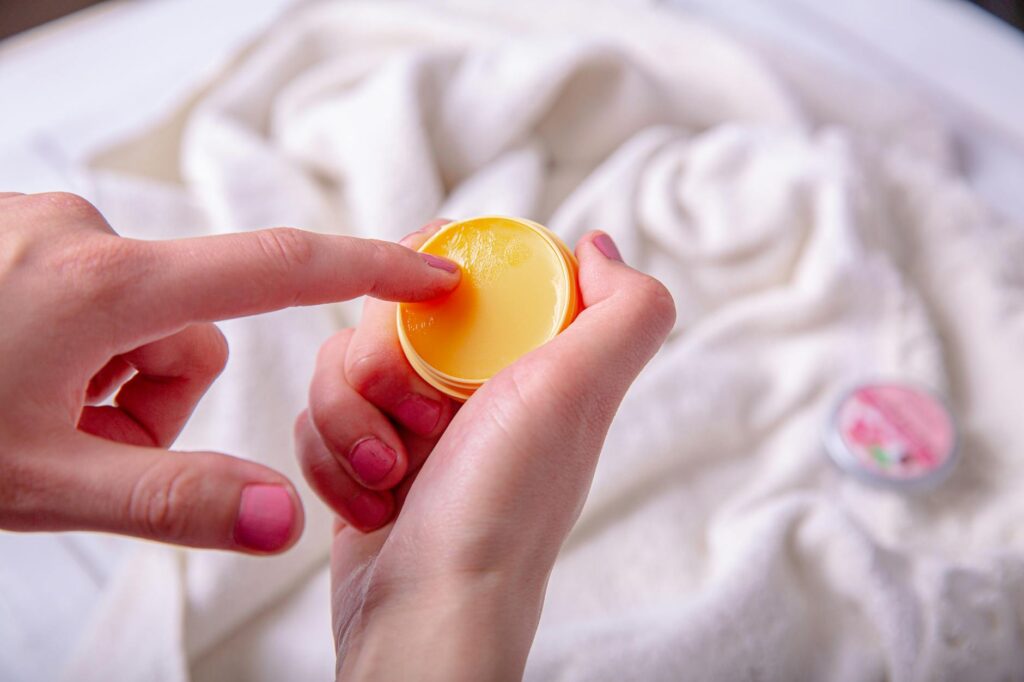
Heimish All Clean Balm is considered acne-safe primarily because of its non-comedogenic formulation, lightweight oil blend, and absence of common acne-triggering ingredients like silicones and heavy occlusives. Unlike traditional heavy cleansing balms that can clog pores, this product uses a carefully selected mix of plant-derived oils and waxes that dissolve makeup and impurities without leaving a residual film on the skin.
For someone with acne-prone skin, this distinction matters significantly—cleansing is essential, but the wrong product can exacerbate breakouts by trapping bacteria and sebum. This article explores why dermatologists and skincare professionals consider this balm a viable option for acne-prone individuals, examining its formulation, comparing it to other cleansing methods, and addressing practical concerns about using oil-based products when you’re dealing with active acne. We’ll also discuss when the balm works well and when it might not be the best choice for your specific skin condition.
Table of Contents
- What Makes Heimish All Clean Balm Non-Comedogenic?
- The Oil-Based Cleansing Paradox for Acne Skin
- How Heimish All Clean Balm Compares to Other Acne-Safe Cleansing Methods
- Proper Application Technique for Acne-Prone Skin
- Common Concerns About Oil-Based Cleansing for Acne Sufferers
- Understanding the Ingredients That Make It Acne-Safe
- Integration Into an Acne-Treatment Routine
- Conclusion
- Frequently Asked Questions
What Makes Heimish All Clean Balm Non-Comedogenic?
The non-comedogenic status of Heimish All Clean Balm comes down to specific ingredient choices. The formula relies on mid-weight oils like mineral oil and plant oils combined with emulsifiers that rinse cleanly, rather than heavier butters or waxes that can congeal on skin. The product contains no silicones, which many acne-prone individuals find problematic because silicones can trap bacteria and prevent skin from properly regulating sebum.
This is a critical difference from luxury cleansing balms like the $68 La Mer Cleansing Balm or similar high-end options that prioritize ultra-rich textures over rinse-ability. The emulsifier system in the balm allows it to transform from a solid oil texture into an emulsion when you add water, which is essential for thorough removal. Without proper emulsifiers, a cleansing oil just spreads around and leaves a greasy residue that traps impurities. Heimish’s formulation includes polysorbates and other gentle emulsifiers that create a smooth transition, meaning less residual buildup on acne-prone skin.
The Oil-Based Cleansing Paradox for Acne Skin
The biggest misconception about acne-prone skin is that oils must be avoided entirely—but this isn’t accurate. The acne process isn’t triggered by all oil use; it’s triggered by pore-clogging products, bacterial overgrowth, and inflammatory responses. Oil-based cleansing can actually disrupt the bacterial biofilm that acne thrives in, provided the oil rinses completely.
However, if you have severely inflamed cystic acne or are actively on isotretinoin (Accutane), using any cleansing balm—even a non-comedogenic one—should be discussed with your dermatologist first, as your skin barrier may be compromised. For mild to moderate acne and congestion, the Heimish balm’s lightweight oil profile can be effective because it dissolves sebum plugs without overwhelming your skin’s natural barrier. The key difference between this and a heavy cream cleanser is that balms emulsify completely, meaning they don’t deposit a lasting film. Someone with combination skin—oily T-zone but dry cheeks—often finds cleansing balms less problematic than creamy cleansers, which might hydrate cheeks but leave the T-zone congested.
How Heimish All Clean Balm Compares to Other Acne-Safe Cleansing Methods
Compared to standard acne-safe cleansers like benzoyl peroxide washes or salicylic acid cleansers, Heimish takes a completely different approach—it’s a makeup remover and first cleanse product, not a treatment cleanser. This is important: if you’re using the Heimish balm, you should follow it with a second cleanser that contains an acne-fighting ingredient if you want to actively treat breakouts. Many people with acne skip the cleansing balm because they assume they need to use drying acne washes, but this creates a false choice.
A proper routine might be: Heimish balm for thorough makeup removal, then a gentle or acne-targeted second cleanser. When compared to other non-comedogenic cleansing balms, the Heimish is notably less expensive (around $12-15) than luxury alternatives and tends to have stronger emulsifier performance, meaning it rinses more completely. some individuals with acne find that Kose Softymo Speedy Cleansing Oil (another drugstore option) performs similarly but leaves slightly more residue. The Heimish specifically positions itself for sensitive and acne-prone skin through third-party testing, not just marketing claims.
Proper Application Technique for Acne-Prone Skin
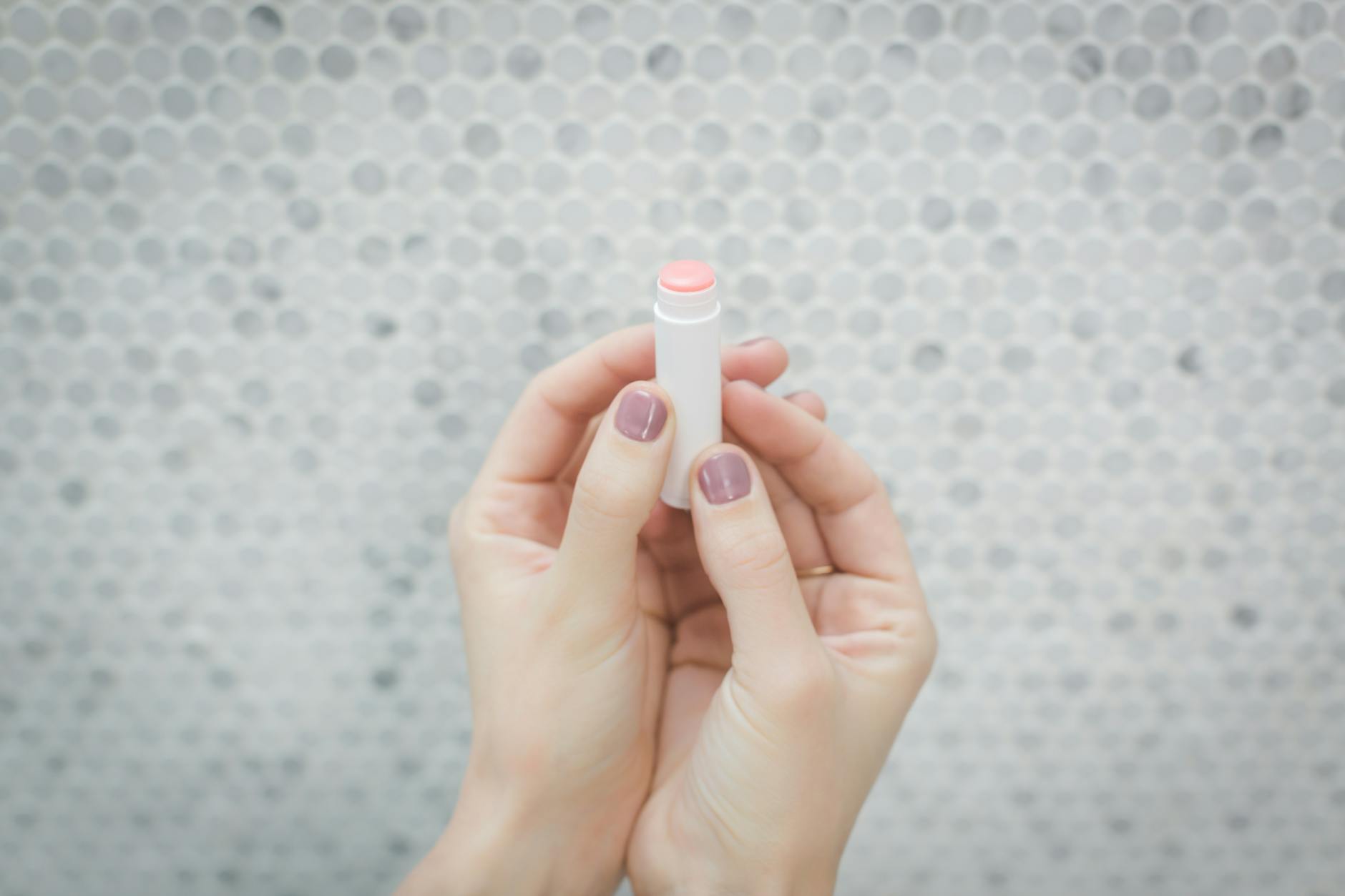
Using a cleansing balm correctly is crucial for acne-prone skin. The method is straightforward but often done incorrectly: apply the balm to dry skin, massage gently for 30-60 seconds without aggressive rubbing (which can irritate active breakouts), add a small amount of water to emulsify, continue massaging as the texture becomes milky, then rinse thoroughly with lukewarm water. The water addition step is non-negotiable—if you skip it, you’re just moving oil around rather than removing it.
For someone with active acne along the jawline or chin, use very light pressure in those areas rather than vigorous massage. Some people with acne worry about the “massage” step causing irritation or spreading bacteria, but gentle massaging actually helps dissolve sebum plugs that trap bacteria. The distinction is gentle circulation versus aggressive extraction. If you have severe cystic acne, you might prefer to simply apply and rinse without massage, treating it more like an oil cleanser that you quickly emulsify rather than work in.
Common Concerns About Oil-Based Cleansing for Acne Sufferers
The primary concern dermatologists hear is that using oil will make acne worse by feeding bacteria or clogging pores further. This concern stems from confusion between occlusive oils (like mineral oil left on skin) and emulsifying oils that rinse away completely. The Heimish balm explicitly includes emulsifiers to address this—the balm can’t work as intended without them. However, if you have severe dehydrated skin barrier along with acne (which sometimes happens after aggressive acne treatment), the emulsifiers can feel slightly drying, and you might benefit from a richer second cleanser afterward.
Another valid concern is that some people’s acne is triggered by specific botanical oils rather than the oil concept itself. If you have a known sensitivity to plant oils or if your acne worsens after using the Heimish balm, you might be reacting to one of the plant oil components. Common triggers include coconut oil (comedogenic for some) and fragrant plant oils, though the Heimish includes these in measured amounts designed to work with the overall formula. In this case, a silicone-free oil cleanser with minimal botanicals or a water-based micellar cleanser might be better alternatives.
Understanding the Ingredients That Make It Acne-Safe
The Heimish All Clean Balm’s core ingredients include mineral oil, squalane, and glyceryl esters as the cleansing base, with plant oils like sweet almond and sesame oil in smaller concentrations. Mineral oil is often misrepresented in skincare discourse—it’s actually the least allergenic oil available and poses minimal risk for bacterial growth because bacteria don’t metabolize mineral oil. Squalane is a hydrocarbon that mimics skin’s natural oil but doesn’t accumulate or go rancid, making it far safer for acne-prone skin than certain botanical alternatives.
The product also includes emulsifiers like polysorbate 80 and PEG compounds that allow the transition from oil to water-soluble cleanser. These are the “boring” ingredients that don’t get marketing mentions but are actually responsible for the product’s acne-safety profile. Without them, you’d have a cleansing oil that doesn’t emulsify—which might work okay for makeup removal but would leave more residue on acne-prone skin. The balm also includes preservatives to prevent bacterial growth in the product itself, which is important for jar-based cleansers.
Integration Into an Acne-Treatment Routine
For acne-prone skin, the Heimish balm functions best as the first step in a two-step cleanse, not as a standalone solution. This approach works because the balm dissolves makeup, sunscreen, and oil-soluble impurities without stripping the skin, then you follow with a treatment-focused second cleanser.
If you’re using medications like benzoyl peroxide, adapalene (Differin), or tretinoin, this two-step method ensures you’re removing all sunscreen and sebum buildup without irritating skin through over-cleansing. Looking forward, the skincare industry is moving away from the false choice between “acne cleansers must be harsh” and “all acne-prone skin should avoid oil.” Products like Heimish are part of a broader recognition that gentleness and efficacy aren’t mutually exclusive. If you have acne and want to use a cleansing balm, the Heimish is one of the few products specifically designed with your concerns in mind, though personal testing is always necessary—what works for someone else’s acne-prone skin may not work for yours.
Conclusion
Heimish All Clean Balm is considered acne-safe because it combines non-comedogenic oils, emulsifiers that rinse completely, and an absence of acne-triggering ingredients like silicones or heavy occlusives. The product’s lightweight formulation and proven emulsification make it different from luxury cleansing balms that prioritize richness over rinse-ability, which is the key distinction for acne-prone skin. It’s not a treatment product—it won’t reduce active breakouts—but as a first cleanser, it allows thorough makeup and sunscreen removal without the residual film that can trap bacteria and worsen congestion.
If you have acne and want to incorporate a cleansing balm into your routine, the Heimish works best as step one of a two-step cleanse, followed by a treatment-focused second cleanser or a gentle pH-balanced cleanser. Start with the balm two to three times per week rather than daily, and monitor your skin for any changes. If your acne worsens after use, the issue may be a sensitivity to specific ingredients rather than an inherent problem with balms for acne—in which case you can switch to a different first-step cleanser while keeping your other routine elements consistent.
Frequently Asked Questions
Can I use Heimish All Clean Balm every day if I have acne?
Yes, it’s safe for daily use. However, if you find that oil cleansing every night feels heavy or triggers congestion, try alternating with a lighter water-based cleanser. Some people with very oily or congestion-prone skin do better with oil cleansing three to four times weekly.
Will the balm remove sunscreen completely?
Yes, emulsifying cleansing balms are specifically designed to remove sunscreen and makeup effectively. The key is to add water during cleansing so it emulsifies—don’t just remove the balm with tissue. If you’re wearing very heavy or water-resistant sunscreen, you might spend a few extra seconds massaging before adding water.
What’s the difference between Heimish and other drugstore cleansing balms if I have acne?
Heimish is specifically marketed for sensitive and acne-prone skin with visible emulsifier optimization. Other balms may work fine, but they’re not always tested for non-comedogenicity. If you try another balm and it leaves your skin feeling grimy or worsens breakouts, the Heimish’s stronger emulsifier system might be worth the test.
Can I use Heimish with active acne treatments like benzoyl peroxide?
Yes, use it as your first cleanse to remove makeup and sunscreen, then follow with your benzoyl peroxide or other acne cleanser. Do not apply the balm on top of active acne medications—always cleanse first, let skin dry, then apply treatment products.
Is Heimish balm comedogenic or non-comedogenic?
It’s formulated to be non-comedogenic based on its ingredient profile and designed for acne-prone skin. However, “non-comedogenic” is not regulated, so some individuals may still experience congestion depending on their specific skin sensitivities. Patch testing on a small area first is always wise with new products.