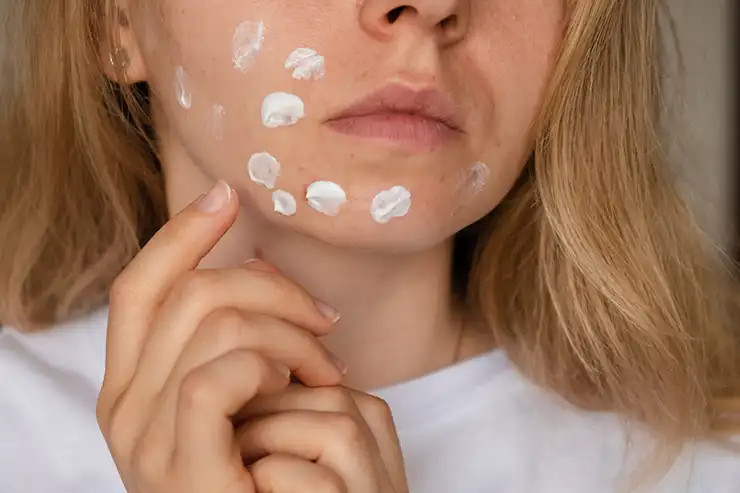
Why Harsh Treatments Can Worsen Skin Conditions
Skin problems like eczema, psoriasis, or acne often tempt people to reach for strong fixes such as steroid creams, antibiotics, or rough scrubs. These harsh treatments promise quick relief but frequently make things worse over time. Instead of healing the root issue, they disrupt the skin’s natural balance and trigger bigger flare-ups.
Take topical steroids, a common choice for itchy, red skin. They work by calming inflammation right away, but long-term use changes how your skin functions. The skin starts to depend on the steroid, thinning out and losing its protective barrier. When you stop, especially suddenly, the skin rebels with intense burning, redness, swelling, and oozing. This rebound effect, sometimes called topical steroid withdrawal, can spread to new areas and last for months.[1][2][5] Doctors note that using potent steroids daily on sensitive spots like the face or genitals raises this risk even more, as those areas react strongly to the sudden drop-off.[1]
Other harsh options pile on problems too. Antibiotics for acne kill off helpful gut bacteria linked to clear skin, leading to yeast overgrowth, leaky gut, and flares of acne, eczema, or rosacea.[2] Strong drugs like Accutane dry out oil glands dramatically but often cause relapse because they ignore causes like hormone shifts or diet issues, plus side effects such as joint pain or mood changes.[2] Even over-the-counter steroid creams like Cortizone-10 can thin skin, create stretch marks, or spark acne if overused, making the skin fragile and bruise-prone.[5]
Harsh habits worsen the cycle. Hot showers, rough soaps, or exfoliants strip away natural oils, leaving skin dry and irritated.[5][6] Stress from dealing with symptoms adds fuel, as it pumps out cortisol that breaks down skin proteins, boosts inflammation, and slows healing. This creates a loop where bad skin stresses you out more, ramping up itching and redness.[3][4]
Medications for other health issues can sneakily aggravate skin too. Blood pressure pills, NSAIDs, or statins sometimes trigger eczema-like rashes by messing with the immune response or microbiome.[3] Environmental factors like dry air from heaters or cold weather pull moisture from skin, making conditions like dermatitis itchier and crackier.[6][7]
The pattern is clear: harsh treatments suppress symptoms without fixing why the skin is unhappy, whether from gut problems, allergies, stress, or triggers like certain foods and fabrics. Skin adapts to the quick fix, then overreacts when it’s gone, leading to tougher battles ahead.
Sources
https://www.london-dermatology-centre.co.uk/blog/topical-steroid-withdrawal-vs-eczema-flare/
https://www.ueschiro.com/ues-chiro-skin
https://harlanmd.com/blogs/smartlotion-blog/possible-triggers-of-skin-eczema-to-watch-out
https://www.mollenol.com/q-a/stress-impact-on-skin-symptoms-causes-relief-and-care/
https://www.doctronic.ai/blog/7-common-and-serious-side-effects-of-cortizone-10/
https://thedevonshireclinic.co.uk/managing-eczema-psoriasis-dermatitis-flare-ups-during-holiday-season/
https://www.bangkokhospital.com/en/bangkok/content/get-to-know-3-symptoms-of-atopic-dermatitis