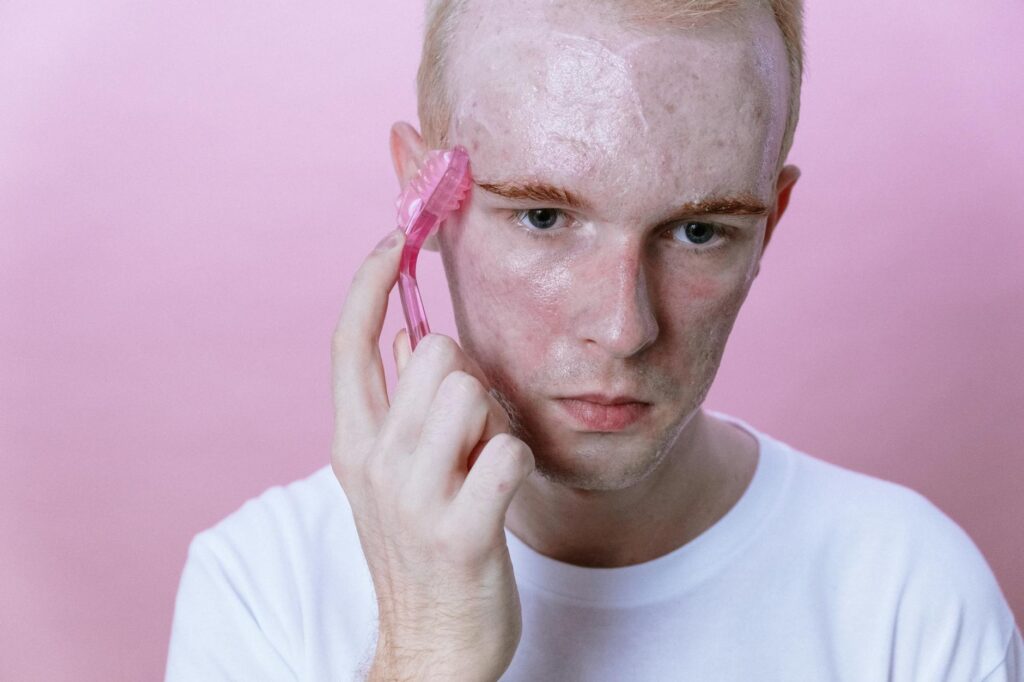
Giving up on acne treatment is not the answer because acne is a chronic condition that requires ongoing management—stopping treatment doesn’t cure acne, it almost guarantees it will return. The moment you discontinue therapy, your skin’s underlying drivers of acne (hormonal fluctuations, excess oil production, inflammation, and abnormal cell turnover) remain active, making relapse inevitable. Consider Sarah, a 22-year-old who spent eight months on a topical retinoid and achieved nearly clear skin. Believing she was “cured,” she stopped treatment. Within six weeks, breakouts returned to their previous severity.
Her experience illustrates a critical misunderstanding: acne treatment doesn’t permanently alter the biology causing breakouts—it manages it. This article explores why continued acne treatment is essential, examines how relapse happens, explains the proven effectiveness of maintenance therapy, and provides practical strategies for staying committed to long-term skin health. Acne affects approximately 9.4% of the global population, with rates reaching 28.3% among 16-24 year-olds, making it one of the most common skin conditions. Despite its prevalence, many people struggle with the psychological burden of persistent breakouts and eventually abandon treatment, assuming it simply isn’t working for them. What they don’t realize is that discontinuing treatment is fundamentally different from treatment failure—one is a choice that leads to predictable relapse, while the other is a clinical outcome requiring a change in approach.
Table of Contents
- Why Acne Returns When You Stop Treatment
- How Severe Is Your Acne? Treatment Options and Their Success Rates
- The Critical Role of Maintenance Therapy and Continued Treatment
- Practical Strategies for Staying Committed to Long-Term Acne Management
- Common Challenges When Maintaining Acne Treatment
- Side Effects and Finding the Right Balance
- The Future of Acne Management and Emerging Therapies
- Conclusion
Why Acne Returns When You Stop Treatment
The data on treatment discontinuation is stark: patients who stopped maintenance therapy experienced a 100% relapse rate, while those who continued topical retinoid maintenance saw only a 19% relapse rate. This isn’t a matter of willpower or genetics—it’s the underlying biology of acne reasserting itself. Acne-causing bacteria (primarily *Cutibacterium acnes*) thrive in sebum-rich environments. Hormones like androgens stimulate oil glands to produce more sebum, dead skin cells fail to shed properly, and inflammation cascades through the skin. None of these processes are altered permanently by treatment; they’re only suppressed while active therapy continues.
When you stop treatment, you’re not actually addressing why acne developed in the first place—you’re simply withdrawing the tool that was managing it. For someone with hormonal acne, stopping birth control or a hormonal treatment doesn’t change their hormone levels. For someone using a retinoid, discontinuing it doesn’t permanently alter how skin cells shed. The acne-prone condition persists in the background, waiting to flare again. This is why dermatologists emphasize that acne requires “ongoing management” rather than a “cure.” It’s similar to diabetes or hypertension—conditions that can be controlled through medication but require indefinite management.
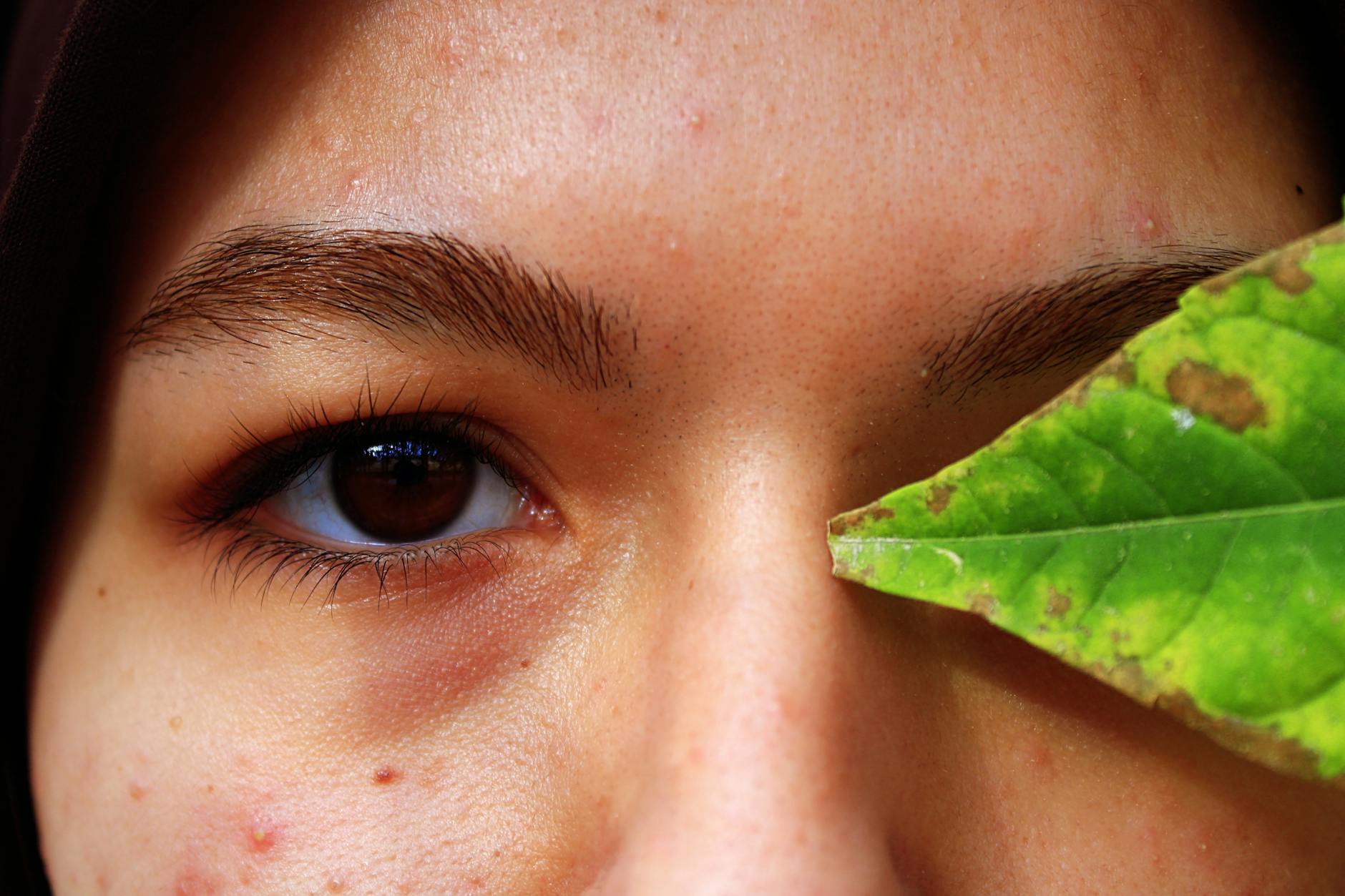
How Severe Is Your Acne? Treatment Options and Their Success Rates
treatment effectiveness depends heavily on acne severity, and understanding your baseline matters. For mild to moderate acne, topical treatments (retinoids, benzoyl peroxide, salicylic acid, or combinations) work as first-line therapy, with acne clinics reporting a 60% success rate. These treatments work gradually—typically requiring 6-12 weeks to see meaningful improvement—which is why people often give up prematurely, mistaking the ramp-up period for treatment failure. For severe acne that hasn’t responded to topical or oral antibiotics, isotretinoin (Accutane) remains the gold standard. Clinical data shows 81% of patients achieved a 90% reduction in lesion count, with 88.9% achieving treatment success after 20 weeks of therapy. The overall success rate hovers around 85%, making it remarkably effective.
However—and this is critical—even isotretinoin success requires maintenance vigilance. While isotretinoin can produce long-term remission in some patients, many experience recurrence after discontinuation, particularly if acne drivers (like hormonal fluctuations) persist. For this reason, dermatologists typically recommend continuing lower-dose maintenance therapy or preventive topicals afterward. Newer treatments are emerging. A recent clinical trial of 2% meclizine gel showed a statistically significant 20.1% reduction in Acne Severity Index over 12 weeks, compared to only 8.9% for placebo, suggesting novel compounds can offer additional options beyond traditional therapies. Looking ahead to 2025, denifanstat represents a promising new oral therapy targeting sebum production and inflammation directly, offering hope for patients who haven’t responded to existing options.
The Critical Role of Maintenance Therapy and Continued Treatment
The relapse data underscore a fundamental principle: continuing treatment 2+ months after your skin is completely clear significantly reduces the risk of relapse. This isn’t extra—it’s essential. Many people make the mistake of stopping treatment the moment they achieve clear skin, but this is precisely when ongoing therapy becomes most important. The acne-prone state of your skin hasn’t changed; only the visible inflammation and lesions have resolved. personalized acne treatment—where a dermatologist tailors therapy to your specific acne drivers (hormonal, inflammatory, bacterial, comedonal) rather than using a one-size-fits-all approach—produces longer-lasting results and fewer side effects.
This personalization often includes a maintenance phase that looks different from the initial treatment phase. For hormonal acne, this might mean continuing a hormonal contraceptive and a light retinoid indefinitely. For inflammatory acne, it might be a low-dose retinoid and occasional benzoyl peroxide use. For resistant cases, it could mean monthly isotretinoin doses at a fraction of the initial dose. The key is consistency—the moment consistency drops, relapse creeps back in.

Practical Strategies for Staying Committed to Long-Term Acne Management
Recognizing that acne treatment is a marathon, not a sprint, requires a mental shift. Rather than viewing maintenance therapy as a temporary inconvenience you’re enduring until “your acne goes away,” reframe it as skincare routine you’re adopting indefinitely—similar to brushing your teeth. This psychological reframing makes adherence easier and reduces the mental burden of “still dealing with this.” Simplify your routine where possible. If your dermatologist prescribes a retinoid, benzoyl peroxide, and a moisturizer, stick with exactly that.
Adding extra products or stopping one component because it seems redundant often leads to relapse. Automate reminders if you’re prone to forgetting—use phone notifications, calendar alerts, or integrate treatment into an existing habit (applying retinoid after your nightly shower, for example). Finally, schedule quarterly check-ins with your dermatologist. Early detection of relapse allows for prompt intervention before acne spirals back to its previous severity. Waiting six months to address early breakouts gives acne time to establish itself deeply, making treatment longer and harder.
Common Challenges When Maintaining Acne Treatment
Medication fatigue is real. Using the same treatment for months or years can feel monotonous, and you might be tempted to “rotate” products or take breaks to “let your skin rest.” However, there’s no scientific basis for skin needing breaks from acne medication. Taking a week off from your retinoid doesn’t reset or rejuvenate your skin—it simply creates a window for oil and bacteria to accumulate again. The fatigue you feel is emotional, not biological, and requires discipline rather than a change in treatment. Cost and access present genuine barriers, particularly for treatments like isotretinoin (which requires monthly lab work and dermatology visits) or newer topicals.
Some people discontinue treatment for financial reasons, not preference. If this is your situation, discuss options explicitly with your dermatologist. Older treatments like tretinoin (available generically) or doxycycline are often significantly cheaper than newer agents and remain highly effective. Some dermatologists offer samples or can prescribe in larger quantities to reduce refill frequency. A frank conversation about cost can reveal alternatives you didn’t know existed.
Side Effects and Finding the Right Balance
Every acne medication carries potential side effects, and determining whether a side effect warrants stopping treatment requires nuance. Mild irritation from a retinoid (redness, dryness, slight peeling) is expected during the adjustment phase and typically subsides within 4-6 weeks. This is not a reason to stop. However, severe allergic reactions, persistent uncontrollable dryness, or other serious side effects do warrant stopping and consulting your dermatologist about alternatives.
Isotretinoin, for example, can cause dry skin, occasional mood changes, and requires monthly lab monitoring. These drawbacks are weighed against its 85% success rate for severe acne. For someone with severe acne that has destroyed their self-esteem and quality of life, the tradeoff is often worthwhile. For someone with mild acne, isotretinoin is overkill. The appropriate treatment depends on acne severity relative to side effect burden.
The Future of Acne Management and Emerging Therapies
The acne treatment landscape continues evolving. Denifanstat, arriving as a new 2025 option, targets sebum production and inflammation through a novel mechanism, offering hope for treatment-resistant cases. As research advances, personalized medicine approaches are becoming more refined—dermatologists are increasingly able to identify which patients will respond to which treatments based on inflammatory markers, hormonal profiles, and genetic predispositions.
This precision reduces the trial-and-error phase of finding an effective regimen. Simultaneously, the understanding of acne as a chronic condition is becoming mainstream. Rather than seeking a permanent cure (which remains elusive), dermatologists and patients are converging on a management model similar to other chronic skin conditions. This shift in expectations—from “when will my acne go away permanently?” to “how do I manage my acne long-term?”—paradoxically improves outcomes by increasing adherence and reducing the guilt associated with relapse.
Conclusion
Giving up on acne treatment is not the answer because it guarantees the outcome you’re trying to avoid—persistent, recurring breakouts. The 100% relapse rate among those who discontinue maintenance therapy, contrasted with the 19% relapse rate among those who continue, demonstrates that continued treatment works. Acne is a chronic condition driven by persistent biological factors: excess sebum, inflammation, bacterial colonization, and abnormal cell turnover. These drivers don’t disappear when your skin clears; they simply become invisible.
Treatment manages them, not cures them. Your path forward requires two commitments: first, choosing an effective treatment matched to your acne’s severity (topical therapy for mild-to-moderate acne, potentially isotretinoin for severe cases, with emerging options like denifanstat expanding the toolkit); second, maintaining that treatment indefinitely, or at minimum for 2+ months after achieving clear skin. Reframe maintenance not as a burden but as routine skincare. Address barriers directly—cost, side effects, access—with your dermatologist rather than simply quitting. The investment in consistent, long-term acne management pays dividends in fewer breakouts, better skin health, and the psychological relief of having a condition you can control rather than one that controls you.