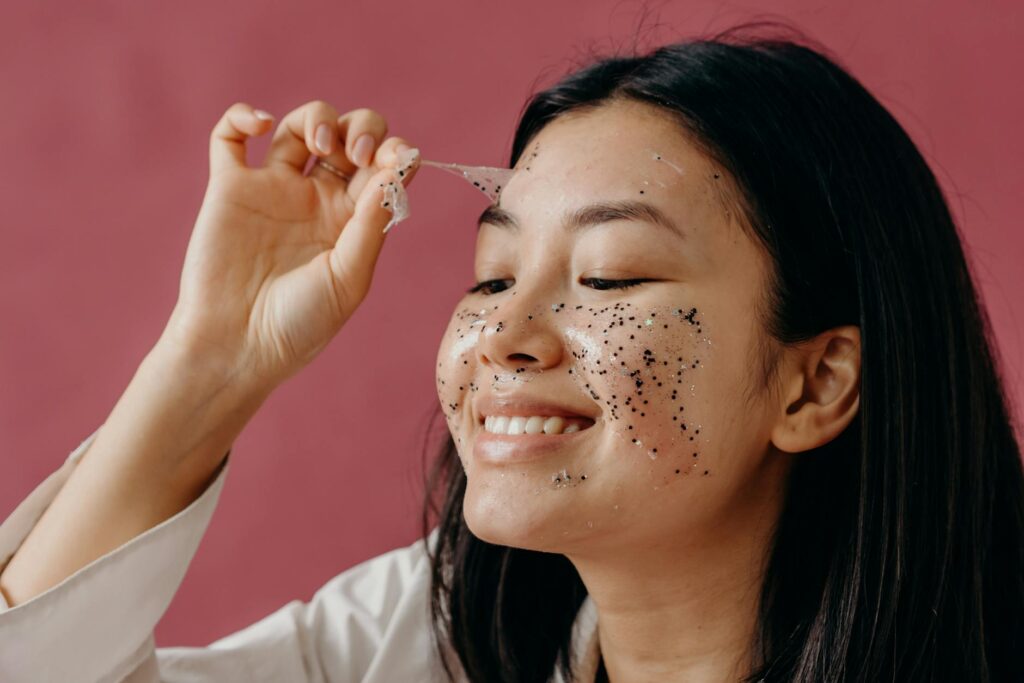
Exfoliation helps fade hyperpigmentation because it physically and chemically removes the outermost layers of skin that contain excess melanin and damaged pigment clusters. When you exfoliate regularly, you accelerate your skin’s natural cell turnover cycle—which normally takes 28-40 days—allowing fresh, evenly-pigmented skin to surface while the darkened cells are shed away.
For example, someone with post-inflammatory hyperpigmentation from acne or sun damage will see gradual lightening over weeks or months as exfoliation continuously exposes new skin layers underneath that haven’t been exposed to the sun or inflammatory triggers. This article explores how exfoliation works at the cellular level, the different methods available (and which work best for hyperpigmentation), how to build a safe routine without over-exfoliating, common mistakes people make, and what realistic timelines look like. You’ll also learn why exfoliation works better for certain types of hyperpigmentation than others, and how to combine it with other treatments for faster results.
Table of Contents
- How Does Exfoliation Remove Pigmented Skin Cells Faster?
- The Cell Turnover Process and Why Hyperpigmentation Persists Without Help
- Chemical vs. Physical Exfoliation for Hyperpigmentation
- Building a Safe Exfoliation Routine Without Overdoing It
- When Over-Exfoliation Backfires and What to Watch For
- Combining Exfoliation with Vitamin C and Hydroquinone for Synergy
- Realistic Timelines and What to Expect Long-Term
- Conclusion
- Frequently Asked Questions
How Does Exfoliation Remove Pigmented Skin Cells Faster?
Hyperpigmentation occurs when melanocytes overproduce melanin in response to inflammation, sun exposure, or hormonal changes. These melanin-packed cells cluster in the epidermis, the skin’s outermost layer. Without intervention, your body sheds these cells on its own schedule—but that schedule is slow. Exfoliation disrupts this timeline by manually (or chemically) stripping away dead skin cells that contain the excess melanin, forcing your skin to regenerate the top layer more quickly. You’re essentially removing the visible problem layer rather than waiting for it to naturally flake away.
The key difference between exfoliation and other treatments is immediacy. Vitamin C serums and hydroquinone work by inhibiting melanin production or lightening existing melanin, but the darkened cells still need to shed naturally. Exfoliation removes them outright. In practice, someone using a weekly chemical exfoliant (like an AHA) will see hyperpigmentation fade noticeably faster than someone relying only on topical lightening creams, though the results are more visible in the first 4-6 weeks before plateauing. However, if you exfoliate too aggressively, you can trigger the very inflammation that caused the hyperpigmentation in the first place, creating a cycle. This is why frequency and method matter enormously—gentle, consistent exfoliation beats occasional harsh scrubbing.
The Cell Turnover Process and Why Hyperpigmentation Persists Without Help
Your skin naturally replaces itself by moving new cells up from the basal layer through the epidermis, eventually dying and flaking off at the surface. This process typically takes 28-40 days under normal conditions. Hyperpigmentation doesn’t speed up this timeline—the darkened cells sit on your skin for the full month or longer, which is why dark spots often feel like they last forever without active treatment. The problem worsens because sun exposure continues to trigger melanin production in those same areas, essentially reinforcing the pigmentation. Exfoliation short-circuits this wait by removing the top 10-30 layers of dead skin cells (depending on the method), exposing fresher skin underneath that was already in the pipeline for shedding.
If you exfoliate twice weekly with a gentle chemical exfoliant, you’re essentially compressing a 28-day cell cycle into 12-14 days. Over three months, this adds up to dramatically faster cell turnover and noticeably lighter hyperpigmentation. The limitation, however, is that exfoliation only works on existing pigment—it doesn’t prevent new hyperpigmentation from forming. If the underlying cause (sun damage, inflammation from acne, hormonal changes) remains unaddressed, new pigmented cells will be produced even as you shed the old ones. This is why exfoliation is most effective when combined with broad-spectrum sunscreen and, ideally, addressing the root cause (treating active acne, managing hormonal factors, reducing sun exposure).
Chemical vs. Physical Exfoliation for Hyperpigmentation
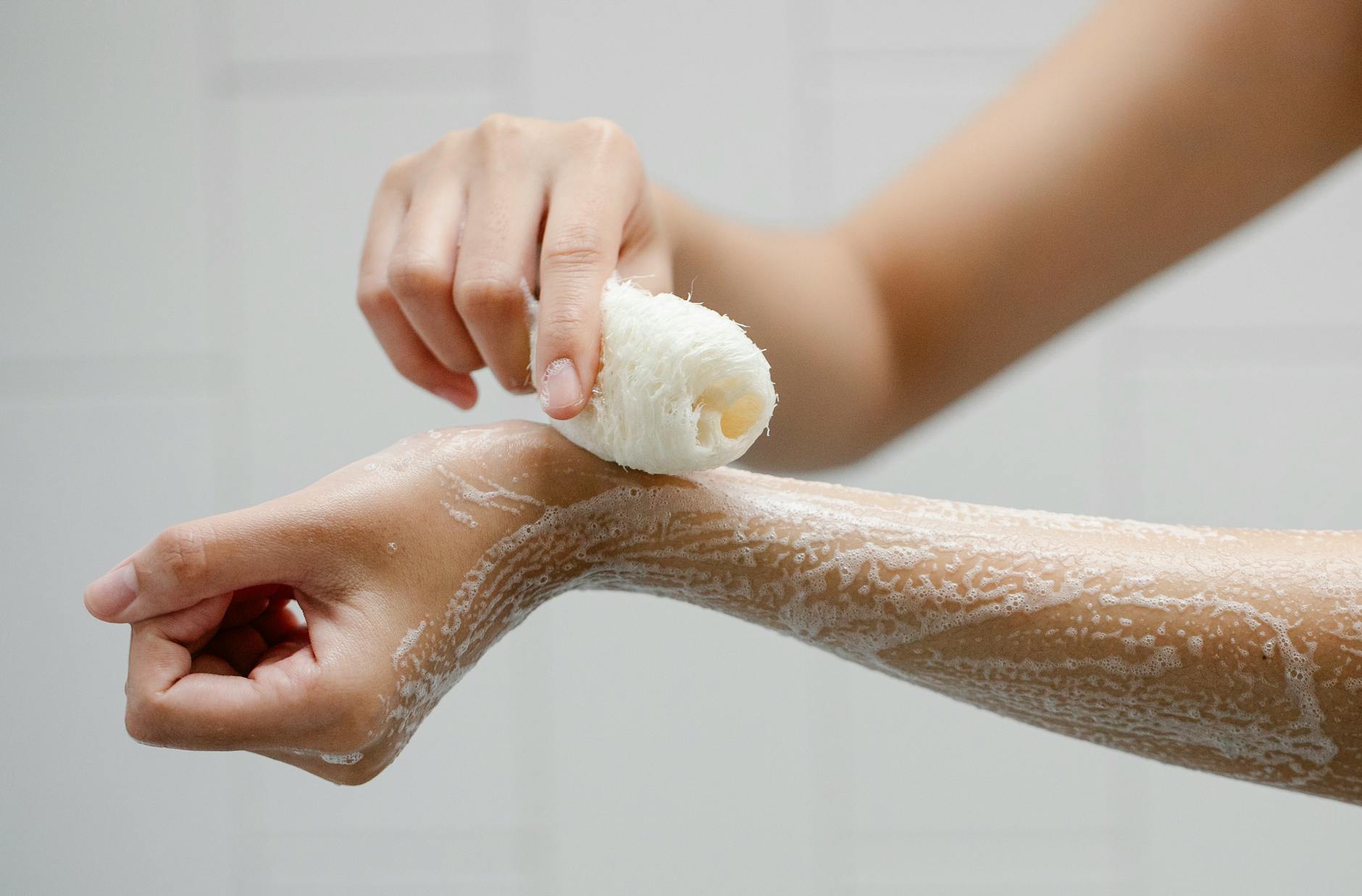
The two main categories of exfoliation are physical (scrubs, brushes, microdermabrasion) and chemical (AHAs like glycolic acid, BHAs like salicylic acid, and enzymes). For hyperpigmentation specifically, chemical exfoliation is generally more effective because it dissolves the bonds between dead skin cells without the irritation and microtrauma that can come from scrubbing. Physical exfoliation, while satisfying in the moment, can aggravate hyperpigmentation if you’re too vigorous, especially on sensitive or already-inflamed skin. Glycolic acid (an AHA derived from sugar cane) is particularly popular for hyperpigmentation because it’s small enough to penetrate deep into the epidermis, speeding cell turnover aggressively while also helping to lighten melanin.
Salicylic acid works primarily on oily skin and in pores, so it’s less effective for surface-level hyperpigmentation. Enzyme exfoliants (from pumpkin, papaya, or bromelain) are gentler and suitable for sensitive skin but work more slowly—they’re a good entry point if you’re new to exfoliation or have reactive skin. A real-world comparison: someone with post-inflammatory hyperpigmentation from acne might see results in 6-8 weeks using glycolic acid twice weekly, while using a physical scrub once or twice weekly might take 12+ weeks and risk triggering new inflammation. The trade-off is that chemical exfoliants can be irritating for sensitive skin, requiring a careful ramp-up period (starting once weekly, then moving to twice weekly if tolerated).

Building a Safe Exfoliation Routine Without Overdoing It
The most common mistake people make with exfoliation is treating it like a “more is better” situation. Using strong exfoliants daily or physical scrubs multiple times weekly doesn’t accelerate results—it damages your skin barrier, increases sensitivity, and can trigger reactive hyperpigmentation (where your skin produces more melanin in response to irritation). A sustainable routine for fading hyperpigmentation typically involves exfoliating 2-3 times per week, not daily. For someone starting out, begin with a gentler method once or twice weekly and assess tolerance over 2-3 weeks. If your skin feels smooth and shows no redness, irritation, or increased sensitivity to other products, you can increase to twice weekly.
Chemical exfoliants should always be followed by a hydrating toner or moisturizer to support the skin barrier. Sunscreen is non-negotiable—exfoliated skin is more photosensitive, and UV exposure will counteract your efforts and deepen hyperpigmentation. An actionable approach: Monday and Thursday evenings, apply a glycolic acid toner or wash, follow with a moisturizer, and use sunscreen the next day. This leaves enough time between exfoliations for your skin to recover, and creates a predictable rhythm your skin adapts to. Most people notice significant lightening within 6-8 weeks on this schedule. If you also add a vitamin C serum in the morning (which inhibits melanin production), you create a two-pronged approach that works faster than exfoliation alone.
When Over-Exfoliation Backfires and What to Watch For
Over-exfoliated skin shows specific warning signs: excessive redness or flushing, visible dryness or flaking, increased sensitivity to other products, a tight or uncomfortable feeling, and paradoxically, worsening of hyperpigmentation. This last symptom happens because irritation triggers inflammation, which signals your melanocytes to produce more melanin. You can end up darkening the very spots you’re trying to lighten, creating a frustrating cycle. If you over-exfoliate, the fix is simple but requires discipline: stop exfoliating entirely for 1-2 weeks, use only gentle cleansers and rich moisturizers, and wear sunscreen religiously. Your skin barrier recovers quickly once irritation stops.
After that recovery period, resume exfoliation at a much lower frequency (once weekly instead of twice) and with a gentler method. The other overlooked risk is that certain skin conditions make exfoliation dangerous. If you have active eczema, rosacea, or dermatitis, exfoliation can severely aggravate these conditions. Similarly, if you’re using prescription retinoids for acne, adding frequent exfoliation on top is redundant and irritating—retinoids already speed cell turnover significantly. In these cases, gentle exfoliation (enzymatic, once weekly) is safer than chemical or physical exfoliation.

Combining Exfoliation with Vitamin C and Hydroquinone for Synergy
Exfoliation removes pigmented cells, but it doesn’t stop your body from producing more melanin. Pairing exfoliation with melanin-inhibiting treatments creates faster, more dramatic results. Vitamin C serums work by both reducing melanin production and brightening existing melanin, while hydroquinone (2-4% over-the-counter, or stronger by prescription) directly inhibits the enzyme that converts amino acids to melanin.
A realistic example: using glycolic acid twice weekly plus 10% vitamin C serum in the morning plus 2% hydroquinone cream at night will fade moderate hyperpigmentation (like post-acne marks) in 8-10 weeks instead of the 12-16 weeks exfoliation alone might take. The three treatments attack the problem from different angles—physical removal, brightening/production reduction, and enzyme inhibition. However, this combination requires careful sequencing: apply hydroquinone or vitamin C at different times (one morning, one night) to avoid irritation, and always use sunscreen because both vitamin C and hydroquinone can cause photosensitivity.
Realistic Timelines and What to Expect Long-Term
Hyperpigmentation doesn’t fade evenly or predictably. In the first 2-4 weeks of exfoliation, you’ll likely notice your skin texture improves and looks brighter overall, but the dark spots won’t be noticeably lighter. Around week 4-6, you’ll see the first subtle fading, particularly if the hyperpigmentation is post-inflammatory rather than sun-induced (sun damage takes longer to fade because the melanin goes deeper).
By week 12, most people see a 40-60% improvement in moderate hyperpigmentation. Complete fading can take 4-6 months or longer for stubborn cases, and some hyperpigmentation—particularly melasma (hormonal hyperpigmentation) or deep sun damage—may never completely disappear without professional treatments like lasers or chemical peels. The good news is that maintenance exfoliation (1-2 times weekly indefinitely) prevents new hyperpigmentation from building up and keeps your skin bright over time. Many people find that once they reach their desired result, they can dial back to once-weekly exfoliation as maintenance.
Conclusion
Exfoliation fades hyperpigmentation gradually because it accelerates your skin’s natural cell turnover, removing the darkened, melanin-filled cells on the surface while exposing fresh, lighter skin underneath. The process typically takes 6-12 weeks for noticeable results, depending on the method, severity, and whether you’re combining exfoliation with other treatments. Chemical exfoliation (particularly glycolic acid) is gentler and more effective than physical scrubbing, and consistency matters far more than intensity—twice-weekly exfoliation beats daily over-treatment.
To maximize results, pair exfoliation with broad-spectrum sunscreen, avoid over-exfoliating (which triggers inflammatory hyperpigmentation), and consider adding vitamin C or hydroquinone for faster fading. If your hyperpigmentation isn’t responding after 12 weeks, consult a dermatologist about professional treatments like lasers, which can address deeper pigmentation that topical exfoliation alone can’t reach. Start slowly, listen to your skin, and be patient—fading hyperpigmentation is a marathon, not a sprint.
Frequently Asked Questions
How often should I exfoliate to fade hyperpigmentation without damaging my skin?
2-3 times per week is ideal for most people. This removes enough pigmented cells to see results while giving your skin time to recover between treatments. More frequent exfoliation doesn’t speed results—it damages your barrier and can trigger new hyperpigmentation from irritation.
Can I use both physical scrubs and chemical exfoliants together?
Not regularly. Using both on the same day is too harsh and irritates skin. If you want to alternate, do physical exfoliation once weekly and chemical exfoliation on a different day, but most dermatologists recommend choosing one method and sticking with it—chemical exfoliation is gentler for hyperpigmentation.
Why is my hyperpigmentation getting darker even though I’m exfoliating?
You’re likely over-exfoliating, which triggers inflammation and causes your melanocytes to produce more melanin. Reduce frequency to once weekly, check that you’re using sunscreen, and make sure you’re not using other irritating products (like retinoids or vitamin C) at the same time.
How long until exfoliation fades post-acne hyperpigmentation versus sun spots?
Post-inflammatory hyperpigmentation typically fades faster (8-12 weeks of consistent exfoliation) because the melanin sits mostly in the upper epidermis. Sun-induced hyperpigmentation can take 4-6 months or longer because the melanin reaches deeper layers of skin.
Is it safe to exfoliate if I have sensitive skin or rosacea?
Not with aggressive methods. Gentle enzymatic exfoliation once weekly might work, but most people with these conditions should consult a dermatologist before exfoliating. In many cases, prescription treatments or professional procedures are safer than topical exfoliation.
Can exfoliation alone fade hyperpigmentation, or do I need other treatments?
Exfoliation alone works but slowly. Combining it with vitamin C serum and/or hydroquinone speeds results significantly—typically 8-10 weeks instead of 12-16. Sunscreen is essential with any approach to prevent new hyperpigmentation from forming.