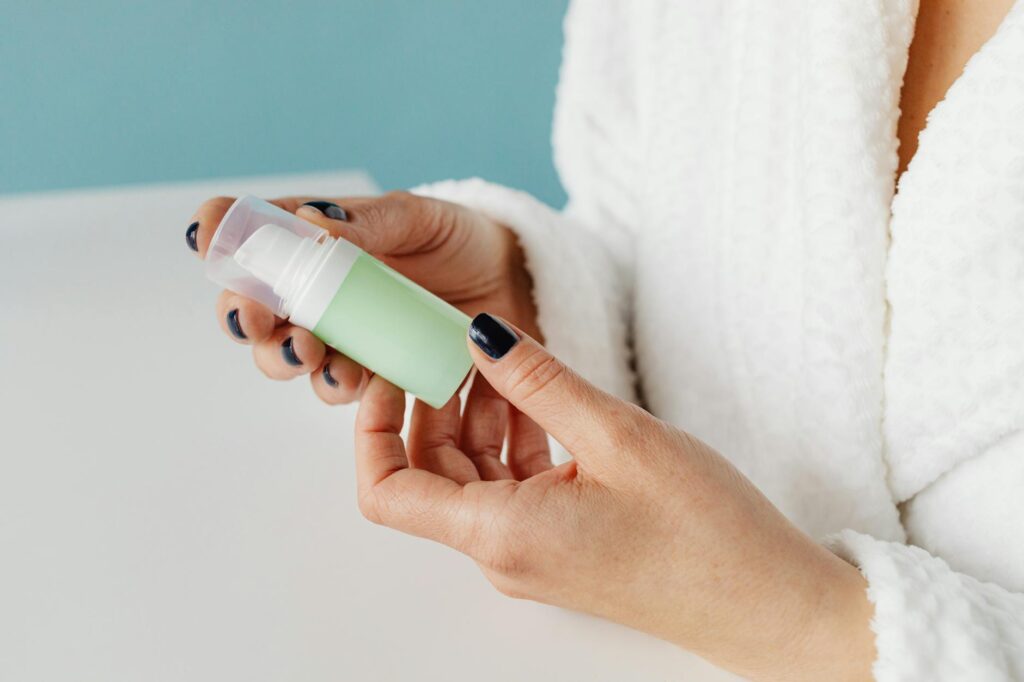
Epiduo Forte is the strongest OTC-adjacent acne combination because it pairs adapalene—a next-generation retinoid with superior stability and efficacy compared to older generations—with benzoyl peroxide, creating a dual-action system that tackles acne at multiple stages simultaneously. This combination is harder to find over-the-counter than single-ingredient treatments, but it’s widely available through dermatologists and online pharmacies in many regions without the higher barrier of prescription-only drugs like tretinoin. For someone dealing with moderate inflammatory acne, persistent comedones, or post-inflammatory hyperpigmentation, Epiduo Forte often delivers results within 8-12 weeks that would otherwise require stacking multiple products.
The strength of Epiduo Forte comes from its mechanism: adapalene normalizes skin cell turnover and reduces sebum production (addressing the root cause), while benzoyl peroxide kills acne bacteria and prevents resistance—a dual-front assault that single-ingredient treatments simply cannot match. Unlike older tretinoin-based combos, adapalene is photostable, less irritating, and gentler on sensitive skin, making it genuinely usable for long-term maintenance rather than a harsh nuclear option. This article covers how Epiduo Forte works, how it compares to alternatives, realistic expectations, and the specific situations where it excels or falls short.
Table of Contents
- What Makes Adapalene Different From Other Retinoids?
- How Benzoyl Peroxide Amplifies the Retinoid Effect
- Epiduo Forte vs. Tretinoin-Based Combos
- The Right Application Strategy for Maximum Results
- Purging, Timeline Expectations, and Realistic Outcomes
- Cost, Availability, and When to Upgrade or Downgrade
- The Future of Retinoid-Peroxide Combos and Advanced Alternatives
- Conclusion
What Makes Adapalene Different From Other Retinoids?
Adapalene is a third-generation synthetic retinoid that was designed to improve on the weaknesses of tretinoin and isotretinoin. It binds more selectively to RAR-gamma receptors in skin, meaning it stimulates cell turnover and collagen remodeling without triggering the same inflammation and sensitivity that makes tretinoin brutal for beginners. Tretinoin users often report weeks of peeling, redness, and irritation before their skin adjusts; adapalene users typically experience milder irritation that plateaus faster, making it genuinely tolerable for consistent daily use.
The practical difference shows up in real schedules. Someone starting tretinoin often has to begin at 0.025% strength and titrate up over months, scheduling around social events and work presentations because retinization—the adjustment period—can make your face raw. Adapalene can be used at full strength (0.3% in Epiduo Forte) from day one by many people, though sensitive skin types still benefit from starting twice weekly and working up. Additionally, adapalene is photostable, so sun exposure doesn’t degrade its efficacy the way it does with tretinoin, removing one layer of logistical friction.

How Benzoyl Peroxide Amplifies the Retinoid Effect
Benzoyl peroxide works through a completely different mechanism than adapalene: it generates reactive oxygen species that kill Cutibacterium acnes (formerly Propionibacterium acnes) bacteria and prevents antibiotic resistance in surviving bacteria. On its own, benzoyl peroxide is excellent for acute inflammation and preventing resistance, but it doesn’t address skin cell turnover or sebum regulation. Paired with adapalene, however, you get both the structural fix (normalized cell turnover) and the bacterial kill (reduced inflammation), which is why the combination is so effective.
However, benzoyl peroxide is also drying and can bleach fabrics, so combining it with adapalene—which itself increases skin cell turnover and can be drying—requires careful hydration and moisturization. A common mistake is using Epiduo Forte aggressively while skipping a good moisturizer, leading to a compromised skin barrier and painful sensitivity that makes people quit. The product works best when you treat it as a core acne fighter that sits underneath a proper hydration layer: think Epiduo Forte first (wait 10-15 minutes for it to dry), then a good niacinamide serum or ceramide moisturizer.
Epiduo Forte vs. Tretinoin-Based Combos
Tretinoin-benzoyl peroxide combos (like the custom formulations some compounding pharmacies make) are technically stronger in terms of raw retinoid potency, but they’re also harsher and harder to use consistently. Tretinoin is more irritating, photolabile, and requires more careful sun protection and application timing. For someone with moderate acne who values consistency and tolerability over maximum potency, Epiduo Forte usually wins because you’ll actually use it every day without breaking or purging excessively.
Tretinoin also requires a prescription in most regions, making it less accessible and more expensive without good insurance. Epiduo Forte, while technically prescription in the US, is available OTC in many countries and through online pharmacies globally, lowering the barrier to entry. A real-world example: someone with busy schedule and sensitive skin often abandons tretinoin after 4-6 weeks of irritation, while the same person stays consistent with Epiduo Forte for 12+ weeks and gets better results—the accessibility and tolerability are features, not bugs.

The Right Application Strategy for Maximum Results
Epiduo Forte’s strength is only realized if you use it correctly, which means starting low and titrating up based on your skin’s tolerance. The standard beginner approach is to start twice weekly for the first two weeks, moving to every other night for weeks 3-4, then nightly if your skin tolerates it. Rushing this timeline causes excessive dryness, irritation, and barrier damage that actually impairs acne healing and can cause a temporary worsening before improvement.
The comparison between aggressive and conservative users is stark: someone who jumps to nightly use in week one often experiences severe peeling, redness, and possibly increased breakouts, then stops. Someone who starts twice weekly and titrates over 4-6 weeks experiences mild dryness and minimal irritation, reaches nightly use, and sees consistent improvement over 8-12 weeks. This isn’t a weakness of the product—it’s a feature that requires respecting the timeline. Moisturizer choice matters too: avoid silicone-heavy products and heavy oils that can trap bacteria, instead using lightweight hydrating ingredients like glycerin, hyaluronic acid, or squalane.
Purging, Timeline Expectations, and Realistic Outcomes
Epiduo Forte typically triggers a purge phase—a temporary increase in breakouts—in weeks 2-4 as cells turn over faster and comedones come to the surface. This is normal but unsettling, and many people mistake it for the product not working and quit. The purge usually peaks around week 3 and subsides by week 6-8. If you’re breaking out worse after 10 weeks of consistent use, that’s a sign either the product isn’t right for you, your skin barrier is compromised from overuse, or something else is driving your acne.
One limitation of Epiduo Forte is that it works better on inflammatory acne and comedonal acne than on cystic acne or hormonal breakouts. If your acne is driven primarily by hormonal fluctuations, you may see improvement in lesions but still struggle with deeper cysts—at that point, adding hormonal birth control or spironolactone becomes necessary. Similarly, if you have severe cystic acne, oral isotretinoin (Accutane) is still the only proven cure, not Epiduo Forte. Managing expectations is critical: Epiduo Forte can clear mild-to-moderate acne, significantly improve moderate acne, and prevent worsening of severe acne, but it’s not a universal fix.

Cost, Availability, and When to Upgrade or Downgrade
Epiduo Forte typically costs $80-150 per tube (0.47 oz, roughly 2-3 months of supply) with insurance, or $150-250 without. For many people, this is an acceptable cost for consistent results, but there are cheaper alternatives worth considering if budget is tight. Adapalene monotherapy (Differin OTC) costs $15-25 for a month’s supply and works well for mild acne or maintenance; benzoyl peroxide is even cheaper. The question is whether the combination justifies the premium.
For someone who’s already tried adapalene alone and plateaued, or who has tried benzoyl peroxide alone and still has active inflammation, paying the premium for Epiduo Forte makes sense. For someone with mild acne just starting treatment, Differin alone is often smarter because it’s cheaper and you can always add benzoyl peroxide later. Geographic availability matters too—in Europe and parts of Asia, Epiduo Forte is OTC and much cheaper; in the US, it’s prescription-only, which adds cost and friction. Some people use online pharmacies in countries where it’s OTC, though this requires research into legal and safety considerations.
The Future of Retinoid-Peroxide Combos and Advanced Alternatives
Epiduo Forte is genuinely one of the best-formulated acne treatments available, but the skincare landscape is evolving. Newer retinoid alternatives like retinaldehyde and bakuchiol are gaining traction for people who can’t tolerate even adapalene, and research into azelaic acid’s synergy with retinoids is expanding. Some dermatologists now recommend tretinoin-azelaic acid combos for sensitive skin as a middle ground between strength and tolerance.
The acne treatment paradigm is also shifting toward combination and customization—the idea that one product rarely solves acne alone, and the real art is finding the right cocktail for your specific acne type and skin sensitivity. Epiduo Forte remains a cornerstone of that cocktail for many people, but it’s increasingly positioned as part of a broader regimen rather than a standalone solution. For the foreseeable future, adapalene-benzoyl peroxide will remain the strongest accessible option that balances efficacy, tolerability, and accessibility in one product.
Conclusion
Epiduo Forte is the strongest OTC-adjacent acne combination because it pairs a powerful yet manageable retinoid (adapalene) with a proven bacterial killer (benzoyl peroxide), addressing acne’s root causes while preventing resistance. It’s not the absolute strongest retinoid available—that honor goes to tretinoin or isotretinoin—but it’s the strongest option you can realistically use daily without severe irritation, making it genuinely superior for most people with moderate acne. The key is using it correctly: starting low, titrating up, managing hydration, and accepting that results take 8-12 weeks.
Start with realistic expectations, a good moisturizer, and consistent sun protection. If Epiduo Forte doesn’t clear your acne after 12 weeks of proper use, talk to a dermatologist about whether your acne is hormonal, cystic, or driven by something Epiduo Forte can’t address. For many people, it’s the last treatment they’ll try before realizing they’ve finally found something that works.