Your skin changes after hormonal shifts because hormones like estrogen, progesterone, and androgens directly control oil production, collagen levels, moisture, and the skin’s protective barrier. When these hormones fluctuate, such as during puberty, menstrual cycles, pregnancy, perimenopause, or conditions like PCOS, your skin reacts with issues like acne, dryness, or sensitivity.[1][2][3]
Hormones act like messengers that tell your skin how to behave. Estrogen keeps skin plump by supporting collagen and elastin, the proteins that give it firmness and bounce. It also helps hold onto moisture and strengthens the barrier that locks in hydration while keeping irritants out. Progesterone influences oil glands, while androgens, often called male hormones though present in everyone, ramp up sebum, the oily substance that lubricates skin.[2][3][7]
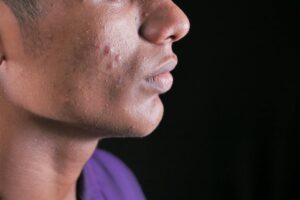
During teenage years or with PCOS, rising androgens make sebaceous glands overproduce sebum. This clogs pores, sparks inflammation, and leads to cystic acne around the jaw, chin, and cheeks. PCOS affects millions of women, pairing acne with oily skin, excess hair, and irregular periods because the imbalance boosts oil and disrupts normal cycles.[1]
In perimenopause, the years before menopause, estrogen and progesterone start to drop and swing wildly. Skin loses up to 30 percent of its collagen in the first five years, making it thinner, drier, and less elastic. Wrinkles deepen, fine lines show up faster, and healing slows because the skin barrier weakens. You might notice itchiness, redness, rashes, or adult breakouts from uneven oil production. Hot flashes and night sweats worsen dryness, especially on the face and neck.[2][3][4][5]
Pregnancy brings surges in hormones that can cause pigmentation spots like melasma from extra melanin triggered by fluctuations. Postpartum drops lead to hair thinning or oily skin as levels normalize. Even monthly cycles make skin oilier mid-cycle or before periods, cycling acne with mood swings or breast tenderness.[1][6]
These shifts create a loop: hormones spark inflammation, which boosts oil or sensitivity, and stress from skin woes feeds back into more imbalance. Topical fixes often fall short because the root is inside your body, not just the surface.[1][4]
Sources
https://www.medicaldaily.com/hormone-imbalance-symptoms-explained-pcos-acne-hair-loss-weight-changes-474035
https://flouria.health/blog/why-does-your-skin-change-in-perimenopause-and-what-can-you-do-about-it
https://news.umiamihealth.org/en/how-to-care-for-your-skin-during-perimenopause-menopause/
https://seacra.com/blogs/skin-within/why-your-skin-changes-after-40-and-what-to-do-about-it
https://www.twentyeighthealth.com/sex-health-guide/perimenopause-itchy-skin-causes-treatment-and-prevention
https://vivardiclinics.com/the-connection-between-hormones-and-skin-aging-in-women/
https://worldofasaya.com/blogs/skin-types/how-hormones-transform-your-skin-a-complete-guide