Acne treatment often requires trial and error because no single approach works perfectly for everyone right away. People’s skin, hormones, and lifestyles differ so much that finding the right fix means testing options until one clicks.
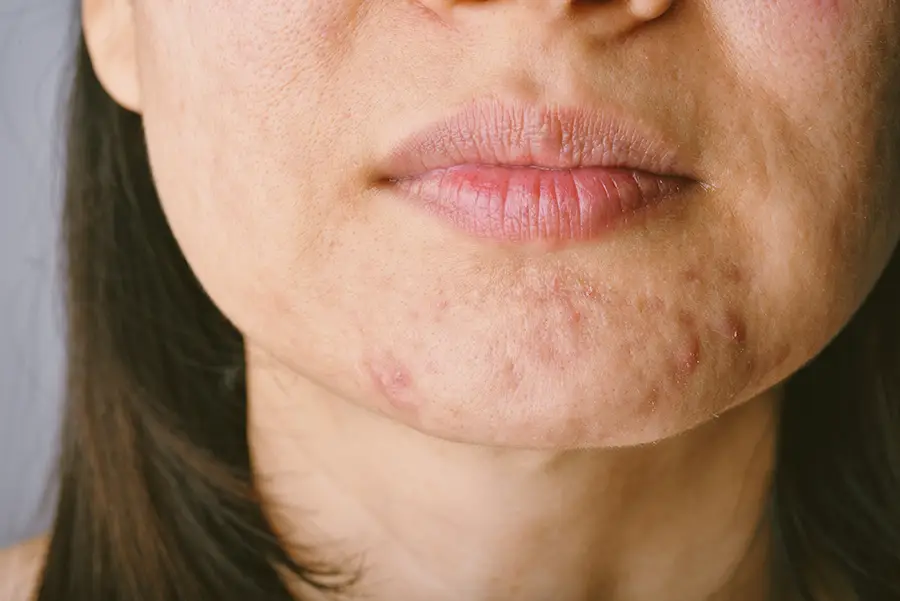
Start with the basics of why acne happens. During puberty or monthly cycles, hormones ramp up oil production in your skin glands. This extra oil mixes with dead skin cells and blocks pores. Bacteria then move in, sparking redness and pimples. Stress, diet, certain makeup, or even lack of sleep can make it worse. But not every breakout is the same. Some are mild blackheads from clogged pores. Others are deep cysts driven by hormones. Bacterial types thrive in oily spots, while fungal or irritation-based ones look similar but need different care.
Over-the-counter products like benzoyl peroxide or salicylic acid help many with light cases by killing bacteria or clearing clogs. Teens often grab these from the drugstore, hoping for quick fixes. Yet piling on too many can dry out skin, break its protective barrier, and trigger more breakouts. Harsh scrubs feel good but damage skin, boosting oil and inflammation instead of helping.
That’s where trial and error kicks in. What clears one person’s face might irritate another’s. A cream that fights bacteria well could flop on hormonal acne, which needs something to balance androgens, those oil-boosting hormones. Prescription options like retinoids speed up skin turnover, antibiotics target bugs short-term, and hormonal pills help women with cycle-linked spots. Strong meds like isotretinoin zap severe cases but come with side effects and rules, like pregnancy checks. Even lasers that shrink oil glands show promise but suit some skins better than others.
Doctors tweak plans based on your age, acne type, and reactions. A routine might start gentle, then ramp up as your skin adjusts. One study found spironolactone beat antibiotics for moderate acne in women after months of tracking. Programs like bootcamps check progress weekly, swapping products to avoid plateaus or resistance. Missteps happen, like confusing bacterial acne with hormonal, leading to wrong picks and longer fights.
Lifestyle tweaks add layers. Cutting stress, sleeping better, or skipping pore-clogging products helps some. Diet changes or supplements might ease hormonal flares without pills. But results vary, so you test and track what works. Seeing a dermatologist cuts the guesswork, spotting scars early and matching treatments to your skin’s story. Patience pays off as you build a routine that sticks.
Sources
https://pmc.ncbi.nlm.nih.gov/articles/PMC12691598/
https://www.advanceddermatologypc.com/conditions/acne/
https://renotahoederm.com/when-its-time-to-see-a-dermatologist-for-acne-in-reno-nv/
https://naturalimageskincenter.com/common-misconceptions-about-bacterial-acne-how-to-identify-it-correctly/
https://www.scoutaesthetics.com/skin-treatments/acne-treatment/
https://theordinary.com/en-us/blog/understanding-spot-solutions.html