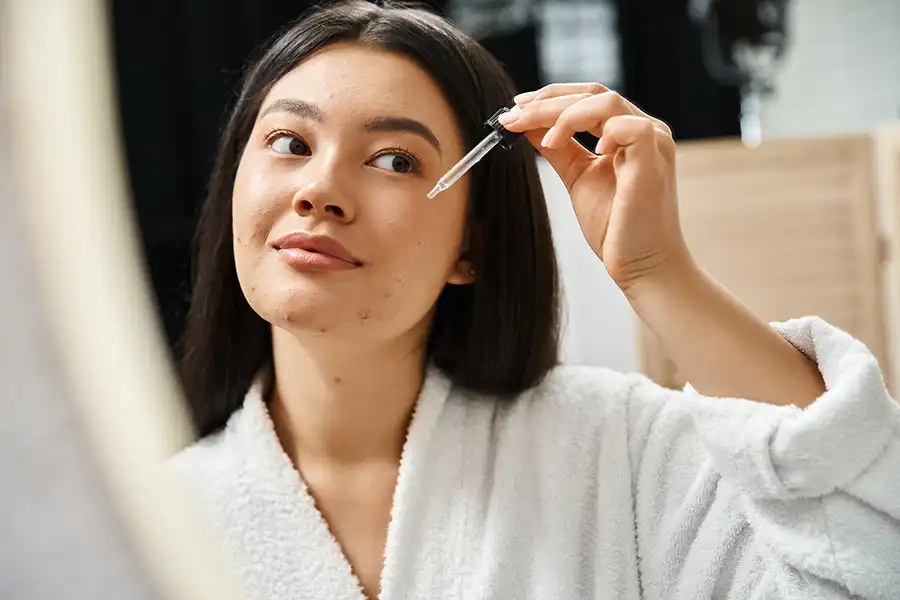
Why Does Acne Persist Despite Clear Blood Work
You visit the doctor, get blood tests done, and everything comes back normal. Hormones look fine, no red flags anywhere. Yet your face keeps breaking out with stubborn pimples, especially along the jawline or chin. This frustrates many people, but it happens more often than you think. Clear blood work does not always rule out the real culprits behind ongoing acne.
Hormones play a big role, even if tests show normal levels. Blood tests measure hormones at a single point in time, but acne can stem from fluctuations that tests miss. Androgens, which are male-like hormones present in everyone, boost oil production in your skin. When they spike briefly, sebaceous glands make extra sebum, clogging pores and sparking inflammation. This leads to deep, cystic spots that topical creams often fail to fix.
Conditions like polycystic ovary syndrome, or PCOS, make this worse. PCOS raises androgen activity without always showing up clearly on standard blood panels. It affects millions of women, causing jawline acne, irregular periods, and extra hair growth. Insulin resistance, common in PCOS, pushes androgen levels higher and fuels inflammation, keeping breakouts alive. Up to 70 percent of people with PCOS deal with this insulin issue, which ties directly to skin problems.
Other factors hide beyond blood tests too. Diet matters a lot. Foods high in dairy or sugar, like sodas, pastries, or whey protein, spike insulin and worsen oil production. Stress and poor sleep ramp up cortisol, another hormone that stirs trouble for your skin. Gut issues, or dysbiosis, disrupt your body’s balance and contribute to inflammation without changing blood results.
Skincare habits can trap you in a cycle. Washing too often strips your skin’s barrier, prompting more oil to compensate and inviting bacteria. Pore-clogging products or medications might quietly aggravate things. Chronic low-grade inflammation from these sources keeps acne going, creating a loop where stress from breakouts feeds back into hormone shifts.
For women over 30, adult acne often signals these hidden imbalances. It shows up differently than teen pimples, sticking to the lower face due to hormonal shifts from birth control, pregnancy, or menopause. Doctors sometimes recommend treatments like spironolactone for persistent cases in women, even with normal blood work, as guidelines support it.
Tracking your breakouts with a log helps pinpoint triggers like food or stress. While blood tests give a snapshot, the full picture involves lifestyle, diet, and sometimes deeper checks for things like PCOS.
Sources
https://www.medicaldaily.com/hormone-imbalance-symptoms-explained-pcos-acne-hair-loss-weight-changes-474035
https://www.tuftsmedicine.org/about-us/news/acne-over-30
https://www.apollopharmacy.in/blogs/article/9-reasons-for-pimples-on-face
https://www.sparshhospital.com/blog/pcos-and-skin-health/
https://artofskincare.com/blogs/learn/acne-lesson-1-what-is-acne-and-why-do-i-have-it
https://www.oanahealth.com/post/common-myths-spironolactone-acne