Why Does Acne Improve Then Flare Again
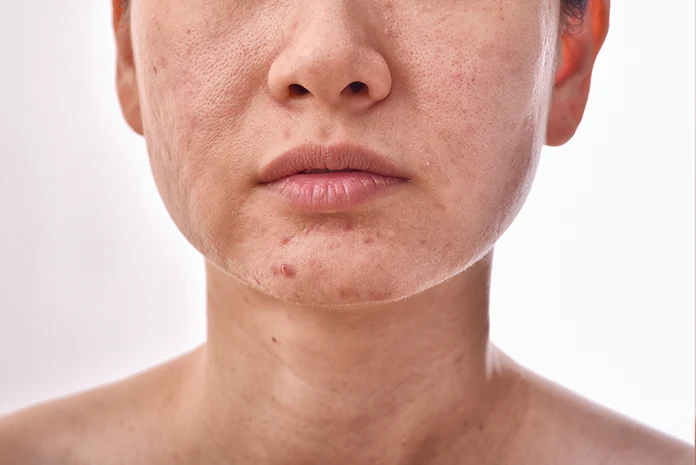
Acne often gets better for a while because treatments reduce oil, unclog pores, and calm inflammation, but it flares up again when triggers like hormone changes, diet, or stress kick in and restart the cycle.
Your skin makes oil through glands called sebaceous glands. When everything is balanced, pores stay clear. A good skincare routine or medicine can cut down that oil and kill bacteria, so pimples fade and skin looks clear. This improvement feels great, but it does not fix the root causes.
Hormones are a big reason for flare-ups. In women, monthly cycles cause shifts in estrogen and androgens. Androgens make glands pump out more oil, clogging pores along the jaw, chin, and cheeks[1][3]. Pregnancy, stopping birth control, or menopause can do the same by changing hormone levels[1][3]. Conditions like PCOS raise androgens too, leading to stubborn breakouts[1][3].
Stress plays a role as well. It raises cortisol, a hormone that boosts oil production and swelling in the skin[1][4]. Even if your routine stays the same, a stressful week can bring pimples back.
Diet can trigger flares after clear skin. Foods high in sugar, like sodas and pastries, or dairy spike insulin and androgens, which increase oil[3][5]. Whey protein and chocolate may worsen things for some people[3][5]. Fried foods could add to it, though more studies are needed[5].
Other habits matter too. Washing your face too much strips natural oils, so skin overproduces them and gets irritated[3]. Sweat from hot weather or heavy workouts traps moisture and bacteria[2]. Thick creams or oils in products can clog pores if they build up[2]. Antibiotics might kill good skin fungi, letting bad ones grow and cause itchy bumps[2].
Medical issues or medicines can shift things. Gut problems, thyroid issues, or certain drugs change how skin reacts[1][4]. Starting or stopping treatments like birth control often leads to a rebound where acne returns stronger at first[3].
To handle this cycle, track what happens before flares. Note your cycle, meals, stress, and products. A dermatologist can check for hormone issues or PCOS. Stick to gentle cleansers, avoid pore-cloggers, and ease up on high-sugar foods. Balance helps keep improvements lasting longer.
Sources
https://www.medicaldaily.com/hormonal-acne-adults-acne-causes-skin-hormones-explained-474128
https://glimmergoddess.com/blogs/skin-school/fungal-acne-explained-causes-triggers-gentle-treatment
https://www.tuftsmedicine.org/about-us/news/acne-over-30
https://artofskincare.com/blogs/learn/acne-lesson-1-what-is-acne-and-why-do-i-have-it
https://www.dermatologyadvisor.com/factsheets/diet-and-acne/