Why Does Acne Improve and Then Suddenly Return
Acne is frustrating enough when you have it, but it can be even more confusing when it seems to go away and then comes roaring back. You might think you have finally figured out the solution, only to wake up with new breakouts a few weeks or months later. Understanding why this happens can help you manage your skin more effectively and avoid the cycle of clearing and flaring.
The Nature of Acne as a Chronic Condition
Acne is not always a problem you solve once and move on from. For many people, it is a chronic condition that requires ongoing management. This means that even when your skin clears up, the underlying factors that cause acne can still be present. Your skin might look better temporarily, but if you stop addressing those root causes, breakouts can return.
The causes of acne are layered and complex. Acne develops when hair follicles become blocked with oil, dead skin cells, or bacteria. When this happens, irritation inside the pore can lead to small bumps, blackheads, deep cysts, or painful swelling. Genetics, stress, diet, and certain medications often influence breakouts, which is why the same treatment does not work for everyone.
Hormonal Fluctuations Drive Many Acne Cycles
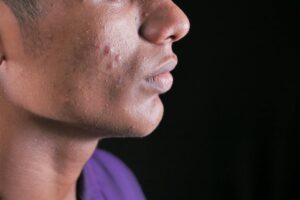
One of the biggest reasons acne returns is hormonal change. Hormonal acne is triggered by fluctuations in hormones, especially androgens, which are male hormones that increase oil production and clog pores. This type of acne usually appears on the jawline, chin, and cheeks. It is common during puberty, menstruation, PCOS, or stress.
For women, hormonal acne can flare up at specific times in the menstrual cycle. You might notice that your skin clears up after your period, but then breakouts return as your cycle progresses. Similarly, starting or stopping hormonal birth control, pregnancy, or menopause can all trigger acne flare-ups. Even if you treat the acne successfully, if the hormonal imbalance remains, the acne will likely return when hormone levels shift again.
Lifestyle Triggers Keep Coming Back
Another reason acne returns is that the triggers in your daily life do not disappear. Stress, lack of sleep, and diet can all contribute to flare-ups. If you think one of these might be to blame, keeping a log of your breakouts can help you identify patterns. Once you identify a trigger, you need to manage it consistently to prevent acne from returning.
Diet is a particularly common culprit. Dairy and sugar are two of the biggest dietary triggers for acne. Whey protein and foods with a high glycemic index or high dairy content can contribute to acne flares. If you cut back on these foods and your skin improves, but then you return to eating them regularly, your acne will likely return as well.
Stress works similarly. Stress increases cortisol levels, which can stimulate oil glands and trigger breakouts, often on the cheeks, forehead, or chin. If you go through a stressful period like exams or work deadlines, acne can flare up. Once that stressful period ends, your skin might improve. But if stress returns to your life, so will the acne.
Stopping Treatment Too Early
Many people make the mistake of stopping their acne treatment as soon as their skin clears up. However, while home care cannot cure cystic acne, it can reduce flare-ups. The key word here is “reduce,” not “eliminate.” If you stop using your acne treatments, the bacteria and oil production that caused your acne in the first place can build back up.
Prescription treatments like retinoids and topical antibiotics reduce inflammation and prevent clogged pores, but they work best when used consistently. If you stop using them once your skin improves, you lose that protection. Your skin may then produce more oil to compensate, which can lead to more acne.
The Skin Barrier and Over-Washing
Sometimes acne returns because of how you are treating your skin. If you wash your face too often, you can break down the skin barrier and allow bacteria or irritants to cause inflammation. Your skin may then produce more oil to compensate, which can lead to more acne. This creates a cycle where your attempts to treat acne actually make it worse.
Using the right skincare routine is important for long-term acne control. A gentle, non-comedogenic cleanser is better than harsh products that strip your skin. Addressing acne early and using guidance on gentle skincare routines, sun protection, and steps that reduce irritation from harsh products can help lower the risk of scarring and persistent problems.
Bacteria and Oil Production Never Fully Stop
Even when your skin looks clear, acne-causing bacteria are still present on your skin. The bacteria Cutibacterium acnes lives on everyone’s skin. When conditions are right – when there is excess oil and clogged pores – this bacteria can multiply and cause breakouts. Treating acne reduces the bacterial load and clears the pores, but it does not eliminate the bacteria entirely.
Similarly, your skin’s oil production does not stop just because you treated your acne. Your sebaceous glands continue to produce oil, which is necessary for healthy skin. However, if you are genetically predisposed to produce excess oil, or if hormones are stimulating oil production, that excess oil can clog pores again and lead to new breakouts.
The Importance of Ongoing Management
The goal of treating acne is to heal existing pimples, prevent or minimize the occurrence of pimples, and prevent scarring. Getting treatment early is the best means of avoiding scarring. However, preventing future breakouts requires ongoing attention.
Patients with chronic or recurring acne may benefit from continued monitoring to understand which factors contribute to flare-ups. Over time, this approach can help maintain clearer skin and support a more balanced skin barrier. This might mean continuing to use certain treatments even after your skin clears, adjusting your diet and stress management consistently, or working with a dermatologist to monitor hormonal changes.
Because acne affects everyone differently, your primary health care provider will propose an individualized treatment for you after reviewing your allergy, medication, and medical histories. What works for one person might not work for another, and what works for you at one point in your life might need to be adjusted later.
The Bottom Line
Acne returns because the underlying causes – hormones, bacteria, oil production, stress, diet, and genetics – do not go away on their own. Treating acne successfully is not about finding a cure that lasts forever. It is about managing the factors that trigger breakouts and maintaining consistent skincare and lifestyle habits. When you stop addressing these factors, acne